
Traveling is not just an adventure; it’s a journey of self-discovery. For young adventurers, understanding love-based boundaries can enhance the travel experience, ensuring safety and emotional well-being while exploring the world. Read Interesting article: Top Pregnancy Complications Symptoms Every Mom Should Recognize
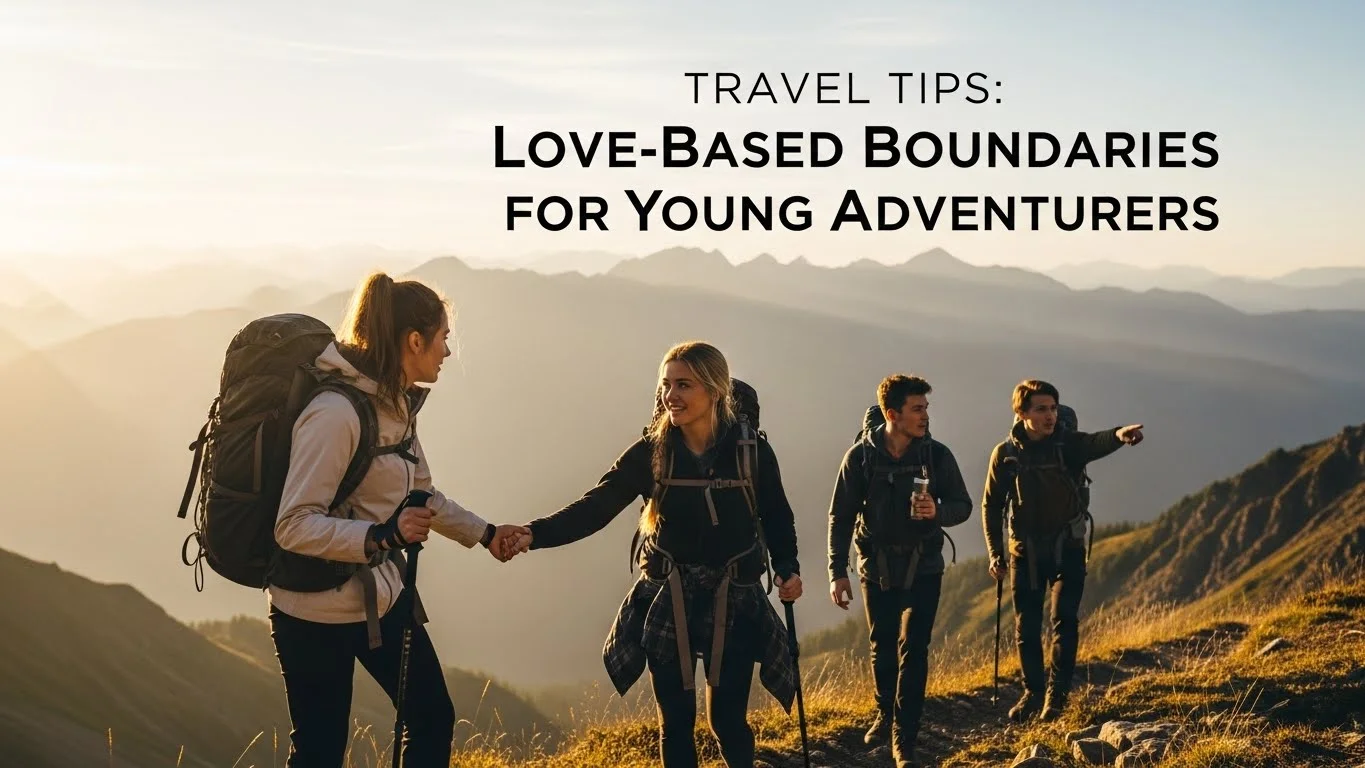
Understanding Love-Based Boundaries
Definition of Love-Based Boundaries
When I first heard about love-based boundaries, I was intrigued. Unlike traditional boundaries that often focus on what we want to keep out, love-based boundaries emphasize creating a space filled with respect and kindness. This means being aware of our own needs while also considering the feelings and needs of others. It’s about finding a balance that allows us to feel safe and respected, while also fostering connections with those around us. For me, love-based boundaries have become an essential part of my travel philosophy, guiding how I interact with new people and cultures.
Importance of Boundaries in Travel
Traveling opens up a world of experiences, but it can also expose us to situations that feel overwhelming or uncomfortable. I remember my first solo trip; I was excited to meet new people and immerse myself in local cultures. However, there were moments when I felt lost or pressured to engage beyond my comfort zone. That’s when I realized the importance of setting boundaries. Boundaries protect us, allowing us to explore freely without compromising our values or well-being. They help us navigate the complexities of new environments and maintain our sense of self, which is essential for a fulfilling travel experience.
How Love-Based Boundaries Differ from Traditional Boundaries
Traditional boundaries often emphasize separation and guarding against potential harm. Love-based boundaries, on the other hand, focus on connection and mutual respect. This shift in perspective can be transformative, especially while traveling. Instead of seeing others as potential threats, I learned to approach interactions with curiosity and openness, while still honoring my own limits. For example, I’ve had experiences where I felt uncomfortable with someone’s advances. Instead of shutting down or becoming defensive, I used love-based boundaries to assert my comfort level while still engaging politely. This approach not only safeguarded my well-being but also encouraged positive interactions.
Preparing for Your Adventure
Choosing the Right Destination
Choosing the right destination is one of the most exciting parts of planning a trip. I often find myself daydreaming about far-off places, but I’ve learned to consider my comfort levels and personal boundaries when making a decision. Some destinations are known for their vibrant nightlife, while others emphasize relaxation and nature. For me, I prefer places where I can strike a balance between exploration and personal space. When I decided to visit a bustling city, I made sure to schedule downtime to recharge, ensuring that I could enjoy the vibrant atmosphere without feeling overwhelmed.
Researching Cultural Norms and Values
Before embarking on a journey, I like to dive into the cultural norms and values of my destination. This research is not just about understanding dos and don’ts; it’s about respecting the local way of life. I remember visiting a country where personal space was different than what I was used to. By learning about the local customs beforehand, I was able to navigate social situations with grace and confidence. I believe that understanding cultural contexts helps to build bridges and fosters positive exchanges, making our adventures more enriching. Read Interesting article: Expert Tips to Tackle Newborn Feeding Challenges Effectively
Planning Your Itinerary with Boundaries in Mind
When planning my travel itinerary, I always consider my boundaries. I’ve learned that it’s easy to get caught up in the desire to see everything, but this often leads to burnout. Instead, I focus on quality over quantity. I prioritize activities that excite me and align with my values. For instance, I’ve chosen to explore less popular attractions that allow for a more intimate experience rather than cramming too many sights into my schedule. This approach not only respects my limits but also enhances my enjoyment of each experience.
Setting Personal Boundaries Before You Go
Identifying Your Comfort Zones
Before I embark on any trip, I take some time to reflect on my comfort zones. This process has been incredibly helpful in preparing for the unexpected. I think back to a time when I was about to travel to a country known for its vibrant street markets. I realized that while I was excited to explore, I also felt a bit anxious about crowds. By acknowledging this, I was able to create a plan that included visiting markets during off-peak hours. This way, I could fully enjoy the experience without feeling overwhelmed. Identifying these comfort zones helps us know when to push ourselves and when to take a step back, making the journey more enjoyable.
Communicating Boundaries with Travel Companions
If I’m traveling with friends or family, I’ve learned the importance of openly communicating my boundaries. I remember a trip where my friends wanted to go out every night, while I was craving some quiet evenings to recharge. Instead of just going along with things, I expressed my need for balance. We ended up finding a happy medium, where we explored during the day and had cozy nights in. This not only strengthened our friendship but also helped me feel respected and understood. I encourage anyone traveling with companions to voice their needs early on. It creates a more harmonious experience for everyone.
Establishing Safety Protocols
Establishing safety protocols is another crucial step I take before traveling. I always make it a point to share my itinerary with someone I trust, whether it’s a family member or a close friend. This simple act gives me peace of mind, knowing someone is aware of my plans. I also set up local emergency contacts and familiarize myself with the local emergency services. I recall being in a foreign city where I got slightly lost. Because I had my phone set up with maps and emergency contacts, I felt empowered to reach out for help. Establishing these protocols not only enhances my safety but also allows me to enjoy my adventures with less worry.
Traveling with Love-Based Boundaries
Engaging with Locals Respectfully
When I travel, I always try to engage with locals in a way that feels respectful and authentic. I’ve found that showing genuine interest in their culture opens up incredible conversations and experiences. For instance, during a trip to Peru, I made an effort to learn a few phrases in Spanish. This small gesture helped me connect with local vendors and residents. They appreciated my effort, and it made our interactions feel more meaningful. I believe engaging with locals respectfully allows us to create memories that are richer and more rewarding.
Balancing Exploration and Personal Space
Finding the right balance between exploration and personal space is something I continuously strive for. While I’m eager to see all the sights, I also recognize the importance of downtime. I remember visiting a beautiful city where I jam-packed my days with tours and activities. By the end of the week, I felt exhausted instead of exhilarated. Now, I make it a point to schedule downtime between activities to reflect and recharge. Whether it’s sipping coffee in a quaint café or taking a quiet walk in a park, these moments allow me to soak in my surroundings while honoring my need for personal space.
Handling Unwanted Attention and Pressure
One of the more challenging aspects of traveling can be handling unwanted attention or pressure from others. I’ve faced situations where I felt uncomfortable due to someone’s advances or pressure to participate in activities I wasn’t interested in. In those instances, I’ve learned to rely on my love-based boundaries. Instead of feeling guilty for saying no, I remind myself that prioritizing my comfort is essential. I remember a night in a crowded pub where I felt pressured to join in on karaoke. I politely declined and chose to enjoy the music at my own pace. By asserting my boundaries, I felt empowered and was able to enjoy the night without compromising my comfort.
Mindfulness and Self-Care on the Road
Practicing Mindfulness Techniques
Incorporating mindfulness techniques into my travels has been a game changer. I’ve found that taking just a few moments each day to practice mindfulness keeps me grounded and present. Whether it’s through deep breathing exercises or simply taking a moment to appreciate the scenery, these small practices remind me to slow down and savor the journey. I remember standing atop a mountain during sunrise, feeling the cool breeze and witnessing the sky burst into colors. I closed my eyes, took a deep breath, and let that moment wash over me. It was a reminder of why I travel: to connect with both the world and myself.
Finding Moments of Solitude
Finding moments of solitude while on the road is essential for recharging my energy. I’ve learned the value of stepping away from the hustle and bustle, even for just a few minutes. During a trip to a busy city, I discovered a quiet park tucked away from the main attractions. I spent time there reflecting and enjoying the sounds of nature. Those moments of solitude are where I find clarity and can reconnect with my personal thoughts. I believe that carving out time for ourselves while traveling allows us to engage more fully with our experiences.
Maintaining Emotional Well-Being While Traveling
Lastly, maintaining emotional well-being while traveling is crucial, and I’ve found that journaling plays a significant role in this. I carry a small notebook with me to jot down my thoughts, feelings, and experiences throughout the trip. Writing allows me to process my emotions and reflect on my journey. I remember a particularly challenging day where I felt overwhelmed; when I sat down to write, I found clarity and perspective. Journaling has become a staple in my travel routine, helping me stay in tune with my emotional state and making my adventures even more meaningful. Read Interesting article: The Ultimate Newborn Vaccination Schedule Every Parent Needs
Connecting with Other Travelers and Locals
Forming Healthy Relationships on the Road
One of the most rewarding aspects of traveling is the opportunity to connect with other travelers and locals. I’ve had countless memorable encounters that have enriched my journeys. To form healthy relationships, I focus on being open and approachable while also being mindful of my boundaries. For example, during a backpacking trip through Southeast Asia, I met a fellow traveler in a hostel who shared my love for hiking. We ended up planning a trek together, and it was a fantastic way to bond over shared interests. By being authentic and respectful of each other’s space, we created a friendship that was both enjoyable and supportive. I believe that taking the time to connect with others can lead to beautiful experiences that add depth to our travels.
Recognizing Red Flags in New Friendships
While most interactions while traveling are positive, I’ve learned to be aware of red flags in new friendships. There have been times when I felt uncomfortable with someone’s intensity or possessiveness. For instance, I once met a fellow traveler who was overly eager to spend every moment together. While I appreciated their enthusiasm, I felt my personal space was being invaded. Recognizing this, I gently communicated my need for alone time, which helped clarify our intentions without hurting feelings. It’s important to trust your instincts. If something feels off, don’t hesitate to step back or re-evaluate the relationship. I’ve come to realize that maintaining my emotional safety is a priority, even when forming new connections.
Building Community with Shared Values
Finding a sense of community while traveling has been a key part of my experiences. I’ve discovered that joining local groups or participating in activities related to my interests can lead to meaningful connections. For example, I once joined a cooking class in Italy focused on traditional recipes. Not only did I learn to make pasta from scratch, but I also met others who shared my passion for food. We exchanged stories and even planned to meet up again during our travels. Building a sense of community with others who share our values creates a supportive environment and enhances our adventures. I think it’s important to seek out these opportunities; they remind us that we are not alone on our journeys.
Post-Travel Reflection and Growth
Reviewing Your Travel Experience
Upon returning from a trip, I always take time to reflect on my experiences. This practice has become a vital part of my travel routine. I sit down with my journal and revisit the memories, emotions, and lessons learned during my journey. I recall a trip to Japan where I was struck by the beauty of their culture and the kindness of the people. By reviewing my experiences, I can identify what I loved most and what I could improve on for future travels. This reflection not only helps me appreciate the moments I had but also allows me to grow as a traveler and as an individual. I believe that understanding our travel experiences contributes to our overall personal development.
Integrating Lessons Learned into Daily Life
Integrating the lessons I’ve learned from my travels into my daily life is something I value deeply. After a trip, I often find myself inspired to make changes that reflect my new insights. For instance, after my adventures in mindfulness practices in Thailand, I started incorporating meditation into my morning routine. I also became more intentional about setting boundaries in my everyday interactions, which I believe has improved my relationships with family and friends. Each journey offers unique lessons, and I think it’s important to carry those insights back home. By doing so, we not only enhance our lives but also honor the experiences we’ve had on the road.
Sharing Your Journey and Insights with Others
Sharing my travel stories and insights with others has been one of the most fulfilling aspects of my journeys. Whether it’s through blogging, social media, or casual conversations, I love recounting the adventures I’ve had and the lessons I’ve learned. I remember sharing my experiences from a volunteer program in South America with friends, and the conversations that followed were enriching. It opened the floor for others to share their stories too, creating a beautiful exchange of ideas and experiences. I believe that sharing our journeys not only inspires others to explore the world but also helps us to process our adventures and solidify our growth. It’s a reminder of the bonds we create through travel and the shared humanity that connects us all.
Final Thoughts
As I reflect on my travel experiences, I can’t help but think about how love-based boundaries have transformed not just the way I travel, but how I view relationships and interactions in general. They have taught me that it’s entirely possible to explore the world while ensuring I honor my own needs and those of others. Traveling isn’t just about the places we visit; it’s also about the connections we forge and the respect we cultivate. It’s a balancing act, one that requires constant adjustment and self-awareness.
I’ve learned that setting boundaries doesn’t mean building walls; it’s about creating a safety net that allows us to jump into new experiences without fear. This was especially clear to me during a trip when I ventured into a bustling market. I felt overwhelmed, yet I remembered to pause and acknowledge my need for some space. By stepping back for a moment, I was able to regroup and dive back into the vibrant atmosphere with renewed energy. It’s these little moments of self-care that remind us how powerful boundaries can be.
Moreover, embracing love-based boundaries fosters deeper connections with locals and fellow travelers. I think about the times I’ve made an effort to engage with local communities respectfully and how those interactions broadened my understanding of their culture. It reinforced the idea that everyone has their own stories to tell, and by respecting our boundaries, we open the door to meaningful exchanges. When I shared my journey with a local artisan, I wasn’t just a visitor; I became a part of their story for a brief moment. Those are the memories that stay with us long after we return home.
Traveling has also emphasized the need for self-care. I used to pack my days with activities, thinking it was the best way to get the most out of my trips. However, I soon realized that it’s not just about quantity; it’s about quality. Scheduling downtime to reflect on my experiences has enhanced my emotional well-being and allowed me to savor every moment. Whether it’s journaling my thoughts, meditating in a serene spot, or simply enjoying a quiet meal, these practices have become integral to my travel routine.
As I wrap up my thoughts, I encourage all travelers to embrace love-based boundaries in their adventures. It’s a journey worth taking, not just for the places you’ll see, but for the person you’ll become through your experiences. By setting and respecting boundaries, we empower ourselves to explore the world with confidence and compassion. Each trip is an opportunity for growth, connection, and discovery. So next time you plan your adventure, remember: it’s okay to prioritize your comfort and well-being while immersing yourself in the beauty of the world around you.
Let’s continue to explore, connect, and reflect—because every journey is a step toward understanding ourselves and the diverse tapestry of humanity we share this planet with.
Frequently Asked Questions
What are love-based boundaries in travel?
Love-based boundaries focus on creating a space filled with respect and kindness, emphasizing awareness of our own needs while considering the feelings and needs of others. They allow travelers to feel safe and respected while fostering connections with those around them.
Why are boundaries important while traveling?
Boundaries are important in travel because they protect us, allowing for exploration without compromising our values or well-being. They help navigate new environments and maintain our sense of self, which is essential for a fulfilling travel experience.
How do love-based boundaries differ from traditional boundaries?
Unlike traditional boundaries that emphasize separation and guarding against harm, love-based boundaries focus on connection and mutual respect. This perspective encourages curiosity and openness while still honoring personal limits during interactions.
What should I consider when choosing a travel destination?
When choosing a travel destination, it’s important to consider your comfort levels and personal boundaries. Opt for places that allow for a balance between exploration and personal space, ensuring you can enjoy the atmosphere without feeling overwhelmed.
How can I prepare for unexpected situations while traveling?
Preparing for unexpected situations involves identifying your comfort zones and establishing safety protocols, such as sharing your itinerary with someone you trust and familiarizing yourself with local emergency contacts to enhance your safety.
What strategies can help maintain emotional well-being while traveling?
Maintaining emotional well-being can be achieved through practices like journaling, incorporating mindfulness techniques, and finding moments of solitude to recharge, which help to process emotions and stay grounded during your travels.
How can I engage with locals respectfully while traveling?
Engaging with locals respectfully involves showing genuine interest in their culture, such as learning a few local phrases. This effort can open up meaningful conversations and enrich your travel experiences.
What are some signs of red flags in new friendships while traveling?
Red flags in new friendships can include excessive intensity or possessiveness. If you feel uncomfortable or that your personal space is being invaded, it’s important to communicate your needs and step back if necessary.
How can I reflect on my travel experiences post-trip?
Post-trip reflection can be done by reviewing your experiences in a journal, revisiting memories, emotions, and lessons learned. This practice helps in appreciating your journey and contributes to personal growth as a traveler.
What is the significance of integrating travel lessons into daily life?
Integrating lessons learned from travel into daily life is significant because it inspires positive changes, such as setting boundaries and practicing mindfulness. This allows travelers to enhance their lives and honor their experiences long after returning home.