
Traveling with young backpackers can be an adventure filled with excitement and challenges. Managing defiance in these young explorers can make or break the experience, so let’s dive right into understanding and handling this situation. Read Interesting article: Top 7 Strategies to Handle Defiance in Kids While Traveling
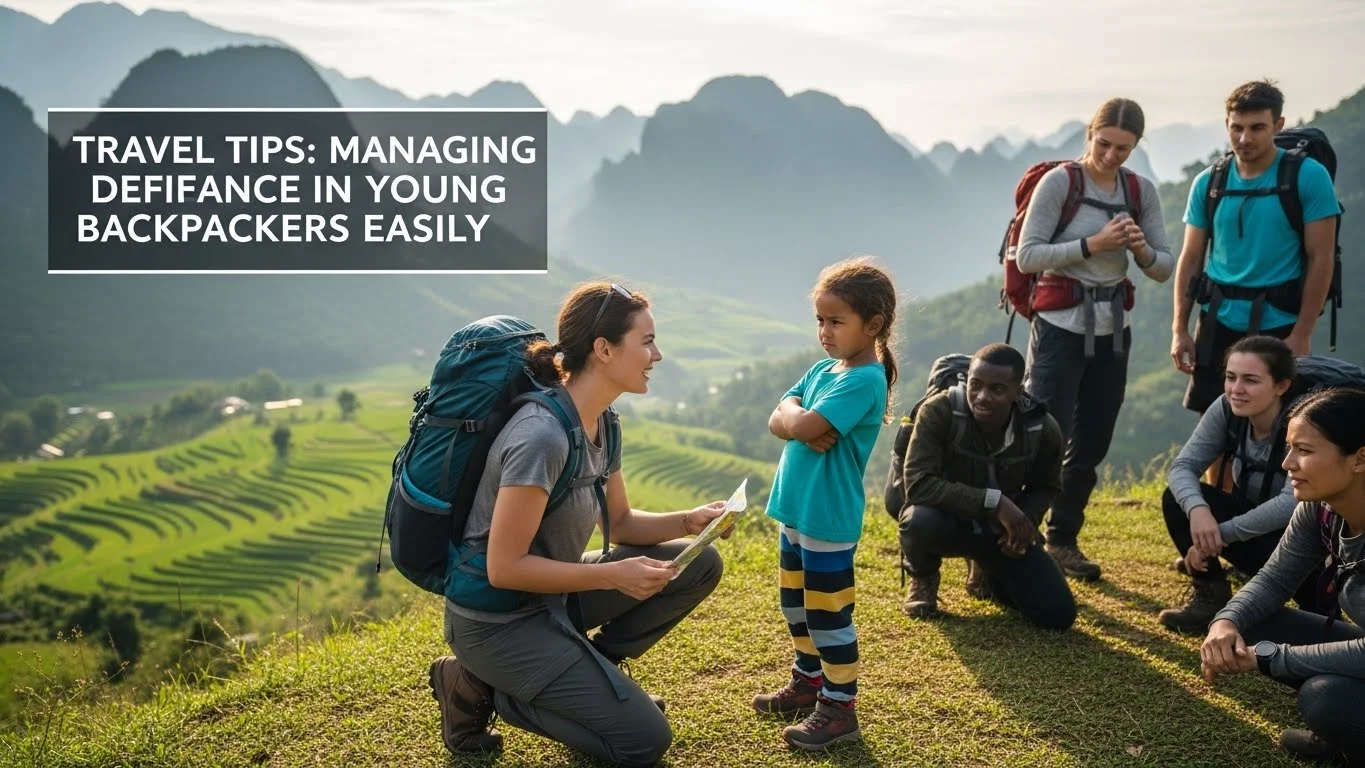
Understanding Defiance in Young Backpackers
As someone who loves to travel, I’ve often found myself in situations where defiance from young backpackers can rear its head. It can be perplexing and frustrating, especially when all I want is to share the joy of exploring new places. Understanding the roots of this behavior has been key for me in navigating these experiences.
Common Causes of Defiance
When I think back on my travels with young people, several common causes of defiance stand out. One significant factor is the clash between the desire for independence and the inevitable restrictions that travel can impose. Young backpackers often crave autonomy, and being told what to do or where to go can trigger a rebellious response. I’ve seen this firsthand when a young traveler insists they want to explore a different route or stay longer in a particular spot.
Another cause to consider is the stress of travel itself. Long flights, delayed transport, and unfamiliar environments can lead to feelings of anxiety and irritability. I remember a time when a young backpacker in our group became defiant after a long day of hiking and navigating public transportation. Fatigue can amplify emotions, leading to unexpected outbursts. Read Interesting article: Mastering Positive Discipline: Tips for Parents Using Reinforcement
Psychological Factors at Play
From my perspective, defiance in young backpackers often intertwines with psychological development. At this age, they are testing boundaries and seeking self-identity. I’ve noticed that many young travelers are in a stage of life where they want to assert themselves. They are trying to figure out who they are while also dealing with peer influences and expectations. This natural developmental phase can look like defiance, but it’s often about finding their place in the world.
Additionally, some young people might be dealing with underlying issues like insecurity or anxiety. If they feel overwhelmed, their response might be to push back against authority or guidance, even if that guidance is coming from a place of care and experience. I’ve learned to approach these situations with empathy, recognizing that their defiance may stem from deeper feelings.
The Role of Independence in Backpacking
One of the most enriching aspects of backpacking is the opportunity for independence. I remember my first solo trip, where I felt exhilarated by the freedom to make my own choices. For young backpackers, this sense of independence can be intoxicating. However, it can also create tension when they want to dictate the journey, leading to clashes with those of us who may have more experience.
In my experience, it’s essential to strike a balance between giving young backpackers the independence they crave and providing necessary guidance. I’ve found that allowing them to make some decisions about the itinerary or activities can empower them. For instance, when I traveled with a group of teens, I encouraged them to choose one destination each day. This small act of independence made them feel valued and, interestingly, reduced instances of defiance.
Establishing this balance starts with recognizing their need for freedom while also setting clear expectations. I’ve learned that having open discussions about responsibilities and choices can help young backpackers feel more in control, lessening their need to rebel. It’s a fine line to walk but one that can lead to a more harmonious travel experience.
Understanding these dynamics has transformed the way I approach travel with young backpackers. By recognizing the common causes of defiance and the psychological factors at play, I feel more equipped to navigate their behavior. It’s all about empathy, communication, and finding that sweet spot between independence and guidance. As we continue our journey together, I’ll share more tips on how we can prepare for a positive travel experience that fosters cooperation and joy. Let’s keep exploring this topic together!
Preparation: Setting the Stage for a Positive Experience
Preparation is crucial when it comes to traveling with young backpackers. I’ve learned that how we set the stage can significantly influence the overall experience for everyone involved. From my experience, taking time to prepare can help avert potential conflicts and create a more enjoyable trip.
Choosing the Right Destination
Choosing the right destination is often the first step in ensuring a successful trip. I remember planning a trip to a bustling city filled with attractions and activities, thinking it would be thrilling for my young backpackers. However, I quickly realized that they needed a destination that aligned more with their interests and energy levels. A too-busy city can be overwhelming, while a serene nature spot might allow them to explore freely without feeling pressured.
When we’re selecting a destination, I like to involve everyone in the discussion. Young backpackers are more likely to engage with the journey if they feel their opinions matter. For instance, during a recent trip, we opted for a national park where they could hike, camp, and explore at their own pace. This choice not only minimized defiance but also created a greater sense of enthusiasm among the group.
Involving Young Backpackers in Planning
Involving young backpackers in the planning process is one of the best strategies I’ve employed. When they have a say in the itinerary, they feel more invested and responsible for the trip. I make it a point to sit down with them and brainstorm activities, accommodations, and routes together. This way, they can express what excites them, whether it’s visiting a particular landmark, trying local cuisine, or participating in an adventure activity.
On one occasion, I let the group choose a few activities for our itinerary. They picked a mix of cultural experiences and outdoor adventures. The excitement on their faces as we checked off their chosen activities was priceless. By feeling included in the planning, they were less likely to resist when it came time to follow through with the plan. I believe that when they contribute to shaping the journey, it fosters a sense of ownership that reduces chances of defiance.
Establishing Ground Rules Before Departure
Establishing ground rules before departure may seem a bit intimidating, but I’ve found that it can lead to a smoother travel experience. I like to have a candid discussion about expectations and responsibilities. This isn’t about being overly strict; rather, it’s about creating a framework that allows everyone to understand their roles.
I often start by asking the young backpackers how they envision a successful trip. What do they think is important to keep in mind? From there, we can collaboratively establish guidelines that include acceptable behavior, communication methods, and how to handle disagreements. For example, we agree on checking in with each other during free time and respecting each other’s choices for activities. These discussions not only clarify expectations but also promote accountability among the group.
Additionally, I remind them of the importance of flexibility. Travel can be unpredictable, and I’ve learned that being open to changes can enhance our experiences. By framing the rules positively, it feels less like a list of restrictions and more like a team agreement. This approach has often proven beneficial, reducing instances of defiance and increasing cooperation.
Effective Communication Strategies
Effective communication is essential when managing young backpackers. I’ve discovered that how we communicate can either ease tensions or escalate situations. Using the right strategies can make a world of difference in our interactions.
Active Listening Techniques
Active listening is one of the most powerful tools in my communication toolkit. When young backpackers express their thoughts or frustrations, I make a conscious effort to really listen. I try to reflect back what I hear them saying, which not only validates their feelings but also shows that I’m genuinely interested in their perspective.
For example, during a recent trip, one of the young travelers felt upset about an early morning hike. Instead of brushing off their feelings, I took the time to listen. I learned that they needed more rest and felt overwhelmed by the schedule. By acknowledging their feelings and adjusting our plans, we were able to find a compromise that worked for everyone. This not only improved the situation but also strengthened our bond as a group.
Encouraging Open Dialogue
I’ve found that encouraging open dialogue can prevent misunderstandings and conflicts. I always remind young backpackers that their voices matter and that they can share their thoughts anytime. I actively create an environment where they feel safe expressing their opinions without fear of judgment.
During our trips, I often set aside time for group discussions. We talk about how everyone is feeling about the journey and what changes might make things better. This practice has opened the door for honest conversations, allowing young backpackers to share concerns or suggest alternatives, which can lead to healthier relationships and a more enjoyable experience.
Setting Expectations and Boundaries
Setting clear expectations and boundaries can significantly reduce the potential for defiance. I believe it’s essential to communicate what behaviors are acceptable and what’s not, along with the reasons behind these boundaries. I’ve learned that when young backpackers understand the rationale behind certain rules, they’re more likely to comply.
For example, if we’re visiting a culturally significant site, I explain why respectful behavior is important. I also emphasize the value of teamwork and cooperation. This helps them see the bigger picture, making them feel part of a collective journey rather than just following directives. By fostering an atmosphere of respect and understanding, I’ve witnessed a noticeable decrease in pushback during our travels.
Managing Defiance During the Journey
Even with all the preparation, managing defiance during the journey can still be a challenge. I’ve realized that it’s vital to remain adaptable and ready to address issues as they arise. Each trip has its unique dynamics, and being prepared to handle conflicts can make all the difference in ensuring a smooth experience.
Dealing with Disagreements on Itinerary
Disagreements about the itinerary are common when traveling with young backpackers. I remember one trip where the group was divided on whether to spend an extra day at the beach or visit a historical site. The tension in the air was palpable, and I knew I had to act quickly to defuse the situation. Instead of dismissing the opinions of those who wanted to visit the historical site, I encouraged an open discussion. We weighed the pros and cons of each option together.
By facilitating this conversation, I found that many young backpackers felt heard and valued. We ended up creating a compromise, planning to spend the morning at the historical site and returning to the beach for the afternoon. This experience taught me that when young backpackers are involved in decision-making, they are more likely to accept the outcome, even if it doesn’t perfectly align with their original desires.
Handling Budget Conflicts
Budget conflicts can also spark defiance among young backpackers. I’ve had moments when some wanted to splurge on a trendy restaurant while others preferred sticking to a budget-friendly meal. I recall one trip where such a conflict escalated into a heated discussion, with some feeling that their preferences weren’t being respected.
To address this, I initiated a budgeting workshop of sorts. We sat down together and discussed our financial constraints, allowing everyone to express their priorities. I encouraged each person to suggest a few affordable yet enjoyable dining options. This not only fostered collaboration but also highlighted the importance of compromise. In the end, we settled on a fun food market where everyone could choose something they loved while staying within the budget. This approach not only resolved the conflict but also left everyone feeling satisfied and included.
Addressing Safety Concerns
Safety is another area where defiance can arise, especially when young backpackers feel restricted by rules. I remember a young traveler who wanted to explore a nearby area alone, while I had concerns about safety. Instead of outright denying their request, I chose to have an honest conversation about the potential risks involved.
I shared my experiences of past safety issues in similar locations and asked them to articulate their concerns and desires. This dialogue allowed me to understand their perspective and, in turn, helped them see my point of view. We came to a solution that involved them exploring with a buddy while keeping in touch regularly. I’ve found that addressing safety concerns in this way not only reassures young backpackers but also promotes responsible decision-making.
Encouraging Positive Behavior
Encouraging positive behavior is just as important as managing defiance. When young backpackers feel appreciated for their good decisions, it creates a more harmonious atmosphere and fosters cooperation. I’ve learned a few strategies along the way that have worked wonders for me and those I travel with.
Recognizing and Rewarding Good Decisions
Recognizing and rewarding good decisions can go a long way. I remember a trip where one young backpacker took the initiative to help organize a group activity, and it turned out to be a hit for everyone. Instead of just acknowledging the effort, I made it a point to highlight how their contribution positively impacted the group’s experience. A simple “thank you” can make a huge difference, but I often take it a step further by offering small rewards, like choosing the next meal or activity.
This practice not only reinforces positive behavior but also motivates others to contribute and engage in a similar manner. I’ve noticed that when young backpackers feel valued and recognized, they tend to be more cooperative and less likely to resist plans.
Fostering Teamwork Among Backpackers
Teamwork is essential when traveling with young backpackers, and I believe it’s important to create opportunities for collaboration. During one trip, I planned a scavenger hunt that required everyone to work together to solve clues and complete challenges. This not only provided a fun distraction but also encouraged them to rely on one another’s strengths.
By emphasizing the importance of teamwork, I’ve seen young backpackers build stronger relationships and develop a sense of camaraderie. When they feel like they’re part of a team working toward a common goal, it naturally reduces instances of defiance.
Creating Opportunities for Leadership
Another effective way to encourage positive behavior is by creating opportunities for young backpackers to take on leadership roles. I’ve found that when they are given responsibilities, like leading a day’s itinerary or managing group logistics, it not only empowers them but also fosters a sense of accountability.
During one of my trips, I allowed a few young backpackers to lead our hikes. They took ownership of the route and made decisions about breaks and pace. It was amazing to witness their confidence grow as they stepped into these roles. I’ve learned that when young travelers feel a sense of ownership over their journey, they are much less likely to exhibit defiance and more likely to collaborate for a fun and fulfilling experience.
Frequently Asked Questions
What are common causes of defiance in young backpackers?
Common causes of defiance include the clash between the desire for independence and travel restrictions, the stress of travel, and the psychological development stages where young backpackers are testing boundaries and seeking self-identity.
How can travel-related stress contribute to defiance?
Travel-related stress, such as long flights, delayed transport, and unfamiliar environments, can lead to feelings of anxiety and irritability, amplifying emotions and potentially resulting in defiant behavior.
What role does independence play in the behavior of young backpackers?
Independence is a significant aspect of backpacking that young travelers crave. However, it can create tension when their desire to dictate the journey clashes with the experience of more seasoned travelers.
How can involving young backpackers in planning help reduce defiance?
Involving young backpackers in the planning process fosters a sense of ownership and responsibility, making them feel valued and reducing their likelihood to resist following through with the plan.
What strategies can be used to set ground rules before a trip?
Establishing ground rules can involve candid discussions about expectations and responsibilities, collaboratively defining acceptable behavior, and promoting accountability among the group.
What are effective communication strategies for managing young backpackers?
Effective communication strategies include active listening, encouraging open dialogue, and setting clear expectations and boundaries, which can help reduce misunderstandings and defiance.
How can disagreements about the itinerary be managed?
Disagreements about the itinerary can be managed by facilitating open discussions where young backpackers feel heard and involved in decision-making, leading to compromises that everyone accepts.
What methods can be used to handle budget conflicts among young backpackers?
Addressing budget conflicts can involve collaborative discussions about financial constraints and allowing everyone to suggest affordable options, fostering a spirit of cooperation and compromise.
How can safety concerns lead to defiance, and how should they be addressed?
Safety concerns can lead to defiance when young backpackers feel restricted. Addressing these concerns involves honest conversations about potential risks and collaboratively finding solutions that involve responsible decision-making.
What are some ways to encourage positive behavior in young backpackers?
Encouraging positive behavior can include recognizing and rewarding good decisions, fostering teamwork through collaborative activities, and creating opportunities for young backpackers to take on leadership roles.