
Traveling with kids can be a thrilling adventure, but it often comes with its fair share of tantrums. Mastering these moments can turn a potential disaster into a smooth and memorable journey. To further enhance your experience, consider reading our Travel Tips to Enhance Your Child’s Social Skills.
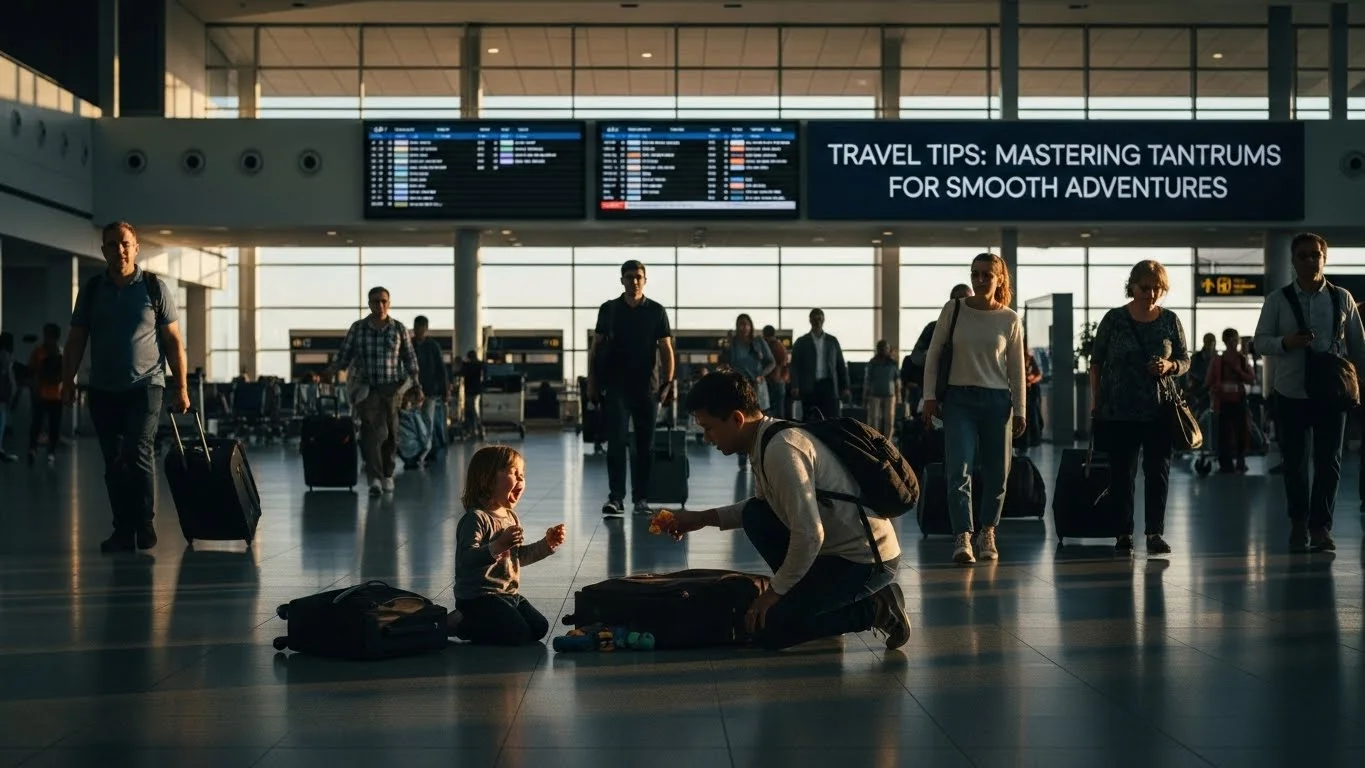
Understanding Travel Tantrums: Causes and Solutions
The Psychology Behind Tantrums
When I first started traveling with my kids, I had this naive belief that we could skip over the tantrum phase. I quickly learned that tantrums often arise from a mix of frustration, exhaustion, and the unfamiliarity of new surroundings. For children, the world is full of intense sensations and experiences, and when they can’t vocalize their feelings or needs, it often manifests as a meltdown. I believe it’s essential to recognize that tantrums are a form of communication. They usually signal that something is off—be it hunger, tiredness, or simply an overwhelming sensory experience.
Common Triggers for Tantrums During Travel
Over time, I noticed that certain situations tend to trigger these outbursts more than others. For instance, long waits at airports or train stations can lead to irritability. The excitement of a new place sometimes overloads their senses, resulting in frustration. I also found that changes in routine, like skipping nap times or meal schedules, can create a perfect storm for a tantrum. On one of our trips to Disneyland, I remember my son melting down just before we entered the park because he was too hungry to enjoy the rides. It’s about understanding these triggers and preparing for them.
Age Groups Most Affected by Tantrums
Tantrums are particularly common in toddlers and preschoolers. I’ve seen it firsthand; they’re at an age where they’re striving for independence but still lack the emotional tools to manage their feelings. I recall one family trip where my daughter, only three at the time, wanted to do everything by herself but was also overwhelmed by crowds and noise. However, it isn’t just the littlest ones who struggle. Older kids and even pre-teens can experience outbursts, especially during significant changes or stressors. I remember my niece, who at ten years old, had a breakdown during a long road trip because she felt trapped and bored. Each age group has its own set of challenges, and understanding this can make a huge difference. For tailored advice, check out Creating Boundaries: Travel Tips for Different Ages.
Preparation: Strategies to Prevent Tantrums
Choosing the Right Destination for Families
Choosing a family-friendly destination can significantly impact the likelihood of tantrums. I’ve found that places with a range of activities for kids, like theme parks or beaches, tend to keep them engaged. When we opted for a cabin in the woods last summer, my kids loved the outdoor adventures, and surprisingly, we had fewer meltdowns. It’s all about matching the destination with their interests and energy levels. I think it’s worthwhile to consider the length of travel and the type of environment that would suit your family best.
Traveling with Kids: Age-Appropriate Activities
Planning age-appropriate activities is crucial. For younger kids, I learned to incorporate plenty of playtime and downtime into our schedule. When we visited a museum, I made sure to balance it out with a trip to a playground afterward. For older kids, I’ve discovered that involving them in the planning can make a huge difference. Letting them choose a few activities empowers them and can reduce the resistance to parts of the trip they might not be as thrilled about. I remember my son was much more excited about our trip to the zoo after he chose which animals to see first!
Creating a Flexible Itinerary
Flexibility is key. I used to obsess over sticking to a plan, but I quickly learned that kids need room to breathe. I’ve found it beneficial to build in buffer time for unexpected events, whether it’s a tantrum or simply a longer-than-expected lunch. When I traveled to Europe with my family, we had a rough outline of what we wanted to see, but we left room for spontaneity. This approach made it easier to adapt when my daughter needed a nap or my son suddenly got excited about a street performer.
Pack Smart: Essentials for a Smooth Journey
Packing the right essentials can set the tone for a smoother journey. I’ve learned the hard way that snacks are a lifesaver. When hunger strikes, tantrums often follow. I always bring a variety of healthy snacks, along with some treats that I can use as a motivator. I also pack comfort items, like a favorite blanket or toy, which can provide reassurance during stressful moments. A well-stocked travel bag has saved us from many potential outbursts!
During Travel: Techniques for Managing Tantrums
Calming Techniques for Parents
When a tantrum erupts, it can feel like a personal crisis, especially in public. I’ve been there, trying to maintain my composure while my child is in full meltdown mode. One technique I’ve found helpful is taking deep breaths. It sounds simple, but as soon as I feel the tension rising, I pause, inhale deeply, and exhale slowly. This helps me keep calm, which in turn can help soothe my child. I also try to speak softly and reassure them that it’s okay to feel upset. Sometimes, just crouching down to their level and making eye contact can provide comfort.
Another strategy is to create a calming space. This could mean finding a quiet corner in the airport or a park where we can sit together, away from the bustle. I remember a particularly noisy day at the amusement park when we found a cozy bench under a tree. I held my daughter close, and we talked quietly about our favorite rides. This helped her settle down.
Distraction Methods: Engaging Activities on the Go
Distraction has been a lifesaver in many situations. I’ve learned that keeping my kids engaged can steer them away from potential tantrums. I often pack a small bag filled with toys, books, or art supplies. During a long flight, I once pulled out a coloring book and colored pencils, which kept my kids entertained for quite a while. When they start to get antsy, I suggest games like “I Spy” or “20 Questions.” These simple activities can transform a dull waiting period into a fun bonding experience.
In one memorable instance, we were stuck in traffic on the way to a family reunion, and I suggested a singing contest. We took turns belting out our favorite songs, and before I knew it, everyone was laughing and singing at the top of their lungs, completely forgetting the stress of being stuck.
Utilizing Technology: Apps and Games
In our tech-driven world, I’ve found that apps can be incredibly helpful during travel. There are countless educational games and storytelling apps that can engage kids for long stretches. I remember downloading a few travel-related games before a long road trip, and they kept my kids occupied while I focused on driving. I also look for apps that offer interactive stories or puzzles, which can be a great alternative to screen time that’s merely entertainment.
Another trick I learned is to download movies or shows beforehand. On a particularly long flight, I let my kids choose a movie to watch. This not only kept them entertained but also gave them something to look forward to. Just be sure to pack headphones to keep the peace!
When to Take Breaks: Recognizing Signs of Overwhelm
One of the biggest lessons I’ve learned while traveling with kids is knowing when to take a break. Sometimes, we get so caught up in our itinerary that we forget to listen to the signs of fatigue or overstimulation. I’ve noticed that my kids become restless, irritable, or overly clingy when they’re overwhelmed. In these moments, I try to be proactive. If we’re in a bustling city, I’ll suggest a downtime at a local park or a quiet café to recharge.
On one trip to New York City, we had ambitious plans to see all the sights in one day. However, after just a few hours of walking through Times Square, my kids were clearly overwhelmed. I quickly adjusted our plans to include a picnic in Central Park. We spread out a blanket, enjoyed snacks, and let them run around for a bit. That pause helped us all reset and enjoy the rest of the day much more.
Aftermath: Handling Tantrums Post-Travel
Discussing the Experience: Communication Tips
Once the travel chaos has settled, I believe it’s crucial to sit down with my kids and talk about what happened. Reflecting on their experiences can be incredibly valuable. I often ask open-ended questions like, “What was your favorite part of the trip?” or “Was there anything that made you feel upset?” This not only helps them articulate their feelings but also opens up a channel of communication for future travels. I remember one time after a particularly trying trip, my daughter expressed her feelings about being tired and overwhelmed. It helped me understand her perspective and prepare better for the next adventure. I think it’s essential for kids to feel heard, and these conversations can build emotional intelligence in them.
Reflection: Learning from Tantrum Episodes
Every tantrum is an opportunity to learn, both for us as parents and for our kids. After one trip, I took some time to reflect on the moments that caused stress. I found that many of the incidents could have been avoided with better planning. I started jotting down notes about what worked and what didn’t during our travels. For instance, I realized that when we packed too many activities into one day, it led to exhaustion and frustration. By sharing these insights with my kids, I showed them that we can all learn and grow from our experiences. It also empowered them to take part in the planning process for future trips, making them feel more involved and invested. For more tips on managing challenging behaviors, consider reading Travel Tips: Managing Defiance in Young Backpackers Easily.
Restoring Routine After Travel Disruption
Returning home after a trip can sometimes be just as challenging as the travels themselves. I’ve noticed that my kids often need a little time to readjust to their regular routines. To ease this transition, I find it helpful to reinstate our usual schedule as quickly as possible. We try to return to normal meal times, bedtimes, and activities. I also allow for some downtime where they can relax and unwind from the travel excitement. On one occasion, after a series of chaotic flights, I let my kids have a lazy day at home where they could play and watch their favorite shows. This helped them recharge and settle back into our routine without feeling overwhelmed.
Expert Insights: Advice from Experienced Travelers
Interviews with Family Travel Bloggers
Connecting with other parents who’ve been through the travel rollercoaster can be incredibly enlightening. I’ve had the pleasure of chatting with several family travel bloggers who shared their personal experiences and strategies for handling tantrums. One mom, who travels extensively with her three kids, emphasized the importance of setting realistic expectations. She mentioned that sometimes it’s okay to have low-key days instead of cramming in every possible activity. I found her approach refreshing and a good reminder that travel doesn’t have to be perfect. Another blogger shared her technique of creating a “travel jar” filled with potential fun activities, allowing her kids to pick what they wanted to do each day. This not only kept the kids engaged but also gave them a sense of ownership over their travel experience.
Best Practices from Pediatricians
Seeking advice from pediatricians has also been a game-changer for me. I remember discussing travel with our family doctor, who highlighted the emotional development of children and how important it is to validate their feelings during a tantrum. She suggested incorporating regular check-ins with my kids during travel, asking them how they feel and if they need any breaks. This advice opened my eyes to the idea that being proactive could potentially minimize outbursts. Additionally, she recommended ensuring kids have adequate sleep before and during travel, as fatigue is often a big contributor to meltdowns.
Additional Resources for Parents
Books on Traveling with Kids
One of the resources that really helped me was diving into books focused on traveling with kids. I found titles like “The Family Traveler: A Guide to Traveling with Kids” particularly insightful. It provided tips on everything from managing expectations to age-specific advice. I’ve also enjoyed reading “Traveling With Kids: How to Keep Your Sanity and Your Kids Happy,” which is filled with real-life stories and practical strategies. These books have not only guided me in planning but also reassured me that I’m not alone in this journey.
Online Communities and Support Groups
Joining online communities has been a lifesaver for me. Platforms like Facebook have groups dedicated to family travel where parents share experiences, tips, and even their own tantrum stories. I remember asking for advice on how to handle a meltdown at an airport, and I received a flood of support and practical suggestions. It’s comforting to know that there are many of us navigating similar challenges, and sharing stories can bring a sense of camaraderie.
Recommended Travel Gear for Families
Finally, having the right travel gear can make a world of difference. I’ve come to appreciate products like sturdy, lightweight strollers for younger kids, as they provide a place for rest during long outings. I also love packing a travel-sized first aid kit, which eases worries when kids get minor scrapes or bumps. Additionally, noise-canceling headphones have been a game-changer for us during flights and long car rides, helping to create a calm environment. Finding gear that meets our family’s needs has helped make our travels smoother and more enjoyable.
Final Thoughts
As a parent, traveling with kids has opened my eyes to a world of challenges and rewards. Each trip is like an adventure filled with unexpected twists, and I’ve learned to embrace those moments, whether they lead to tears or laughter. It’s important to remember that tantrums are a natural part of childhood, especially when faced with new experiences. I’ve realized that the key is not only in preparation but also in maintaining a positive mindset. When I shift my perspective to see these challenges as opportunities for growth, it makes the journey much more enjoyable for all of us.
I’ve found that open communication and patience are vital. Discussing our travel experiences afterward has strengthened our family bond, allowing my kids to express themselves and feel validated. I believe this practice not only helps to ease any residual tension but also builds their emotional skills. As we prepare for our next adventure, I look forward to applying the lessons learned and exploring new destinations together. I encourage you to approach your travels with an open heart and a flexible spirit. After all, the mishaps often make for the best stories.
Being part of a community of fellow parents has also provided a wealth of support and shared experiences. I’ve gained insights from others who understand the rollercoaster ride of family travel. The resources available—from books to online forums—have been invaluable in navigating this journey. I hope you find your own tribe and gather tips that work for you and your family.
In the end, every tantrum, every moment of frustration, and every giggle along the way contributes to the tapestry of our family memories. So, let’s keep traveling, learning, and growing together—one adventure at a time.
Frequently Asked Questions
What are the common causes of travel tantrums in kids?
Travel tantrums often arise from frustration, exhaustion, and the unfamiliarity of new surroundings. They can signal needs such as hunger, tiredness, or overwhelming sensory experiences.
Which age groups are most affected by tantrums during travel?
Tantrums are particularly common in toddlers and preschoolers, but older kids and pre-teens can also experience outbursts, especially during significant changes or stressors.
How can parents prepare to prevent tantrums while traveling?
Parents can choose family-friendly destinations, plan age-appropriate activities, create a flexible itinerary, and pack smart essentials like snacks and comfort items to help prevent tantrums.
What are some effective calming techniques for parents during a tantrum?
Taking deep breaths, speaking softly, reassuring the child, and finding a quiet space can help parents maintain composure and soothe their child during a tantrum.
What distractions can help engage kids during travel?
Engaging kids with toys, books, art supplies, or games like “I Spy” can steer them away from potential tantrums. Activities that encourage interaction, such as singing contests, can also be effective.
How can technology assist in managing tantrums during travel?
Apps and games can keep kids entertained for long stretches. Downloading movies or shows beforehand can also provide entertainment and something for kids to look forward to.
When should parents recognize the need for breaks during travel?
Parents should look for signs of fatigue or overstimulation, such as restlessness or irritability, and proactively suggest breaks at local parks or quiet cafés to recharge.
What should parents discuss with their kids after a trip?
Parents should reflect on the trip by asking open-ended questions about their favorite parts and any moments of upset, which can help kids articulate their feelings and promote emotional intelligence.
How can parents restore routine after traveling?
To ease the transition back home, parents should reinstate usual meal times, bedtimes, and activities as quickly as possible, allowing for some downtime to help kids readjust.
What resources are available for parents traveling with kids?
Parents can benefit from books on traveling with kids, online communities for support, and recommended travel gear that meets their family’s needs, such as strollers and noise-canceling headphones.