
Traveling with toddlers can feel like a rollercoaster ride, filled with highs and lows. Understanding their emotional journey is crucial for smooth travels and happy memories. Traveling with Toddlers: Key Tips for Social Engagement can provide additional insights into making the experience enjoyable.
Understanding Toddler Emotions While Traveling
As a parent, I’ve learned that our toddlers experience a whirlwind of emotions, especially while traveling. I remember the first time I took my little one on a trip; it felt like stepping into a whole new world of feelings. Toddlers are still figuring out how to express themselves, and traveling can amplify their emotions. It’s important for us to tune into this and help them navigate through their emotional ups and downs.
The Importance of Emotional Awareness
Being aware of our toddler’s emotional state is essential for a successful trip. I’ve found that when I pay attention to the little signs—like a furrowed brow or a sudden clinginess—it’s often a cue that my child is feeling overwhelmed or anxious. I realized that acknowledging these emotions, rather than brushing them off, helps in building a comforting environment. When my child feels heard, it reduces their anxiety and opens up space for communication. This emotional awareness not only helps to soothe them but also strengthens our bond as they see that I understand and care about their feelings.
Common Emotional Challenges for Toddlers
Traveling can be a sensory overload for toddlers. From the rush of people at the airport to the strange sounds in a hotel room, it’s no wonder they can get overwhelmed. I’ve noticed my child often experiences separation anxiety, especially in unfamiliar places. There are also times when excitement turns to frustration when things don’t go as planned—like delayed flights or long waits. I think it’s crucial to prepare for these common challenges. By anticipating potential issues and discussing them with my child, I’ve found we can navigate these emotional bumps more smoothly together. Top Budget Travel Tips to Enhance Toddler Social Interaction can also help in planning activities that engage your child socially during travel.
Preparing for the Trip
Preparation can make a world of difference when it comes to traveling with toddlers. In my own experience, the more I plan ahead, the less stressful the journey tends to be. I’ve learned that a little foresight can help ease emotional challenges that may arise during our travels.
Choosing the Right Destination
When planning our trips, I’ve come to appreciate the importance of choosing the right destination. I remember when we opted for a beach vacation, and my toddler loved the sand and water! Choosing a place that offers fun and engaging activities for young kids can make a huge difference. I often think about whether my child can play freely, explore safely, and enjoy new experiences. It’s not just about the sights; it’s also about how comfortable and happy my child will be in that environment.
Travel Logistics: Timing and Transportation
Timing is everything when it comes to traveling with toddlers. I’ve found that traveling during nap times can be a blessing. I try to schedule flights or drives around my child’s sleep schedule. This way, they can catch up on some much-needed rest, and I get a bit of peace during the journey. I’ve also learned to choose transportation methods that minimize stress. For instance, driving gives us the flexibility to stop whenever needed, while flying can be more hectic. Each mode of transport has its pros and cons, and I often weigh them based on how my child typically handles travel.
Packing for Emotional Comfort
Packing thoughtfully has always been a priority for me. I’ve discovered that bringing along familiar items can significantly ease my toddler’s anxiety. I pack their favorite blanket, a beloved stuffed animal, or even a few books they enjoy. These small comforts can create a sense of security in unfamiliar settings. Additionally, I make sure to include snacks and activities that can keep them occupied during downtime. I find that having a well-thought-out bag filled with comforting items can turn a potentially stressful situation into a more manageable one for both of us.
Traveling to Different Environments
As we venture into different environments, I’ve realized that toddlers can respond differently based on the unfamiliarity of their surroundings. Each place we visit brings new experiences that can elicit a wide range of emotions. I’ve learned some strategies that really help us both adjust to these changes, making travel easier and more enjoyable.
Adapting to Airports and Train Stations
Airports and train stations can be overwhelming for anyone, let alone a toddler. I remember my child’s first airport experience; it was a mix of excitement and anxiety. The crowds, noise, and hustle made it tough for them to feel at ease. To help, I usually prepare them before we arrive. I explain what to expect—security checks, long waits, and boarding procedures. We also play games like spotting airplanes or trains, which helps shift their focus. When we finally get there, I make sure to have some fun distractions on hand, like coloring books or a tablet loaded with their favorite shows. I’ve noticed that these little preparations can make the whole process smoother.
Hotel Stays: Creating a Comfortable Space
Staying in a hotel can sometimes feel alien to toddlers. I’ve found that making the room feel more like home can help ease the transition. When we check in, I let my toddler explore the room right away. I encourage them to jump on the beds or peek into the closet; it’s like a little adventure! I also unpack their comfort items, like their favorite stuffed animal or blanket, as soon as we arrive. This simple act can create a sense of familiarity and security. I like to make a little cozy corner with their things, turning a strange hotel room into a safe haven.
Exploring New Surroundings Safely
Exploring new places is one of the best parts of traveling, but I’ve learned that it’s essential to keep safety in mind, especially with toddlers who are naturally curious. I usually take the time to walk through the area together, pointing out things that catch their eye while also keeping an eye out for potential hazards. I make it a point to explain the importance of staying close and holding hands. I remember one time, we were in a bustling market, and my little one wanted to run off to see a colorful stall. I gently reminded them to stay close, and they were more than happy to hold my hand once they understood the importance. I think creating a balance between exploration and safety can help my child feel excited rather than anxious about new places.
Managing Toddler Emotions During Travel
Even with all the preparations, managing my toddler’s emotions while traveling can still be a challenge. I’ve had my fair share of meltdowns, and I’ve learned that being proactive makes all the difference. Family Backpacking Adventures: Fostering Toddler Friendships offers insights into how to create bonds that can help ease emotional challenges during travel.
Recognizing Signs of Stress and Anxiety
One of the most valuable lessons I’ve learned is to recognize the signs of stress early on. I’ve noticed that my toddler might start fidgeting or becoming unusually quiet before a meltdown occurs. When I see this, I try to step in and address their needs before things escalate. Sometimes it’s just a matter of a quick snack or a change of scenery, while other times, they may need a snuggle or a moment to breathe. Trusting my instincts and being attuned to my child’s emotional state has made our travels much smoother.
Strategies for Comforting Your Toddler
When emotions run high, I’ve found a few comforting strategies that work wonders. For instance, I often carry a small comfort kit filled with soothing items, like a stress ball or calming essential oils (with kid-friendly scents). When my child feels overwhelmed, I encourage them to take deep breaths with me, counting to three as we inhale and exhale together. This simple technique can do wonders to help them regain their composure. I also remind them that it’s okay to feel upset and validate their feelings. Just knowing they’re understood can significantly help in calming them down.
Maintaining a Routine on the Go
As much as I love the joy of travel, I’ve come to appreciate the importance of maintaining a familiar routine. I try to keep our meal times and nap times consistent, even when we’re in a new place. This really helps keep my toddler grounded amidst all the excitement. For example, if we have an outing planned, I make sure we have a snack break at the usual time. I’ve noticed that sticking to a routine helps my child feel more secure and less anxious, even when we’re far from home. Plus, it gives me a little structure to rely on during our adventures!
Engaging Activities to Keep Toddlers Happy
Keeping toddlers engaged while traveling can make a huge difference in their overall mood and enjoyment. From my experiences, I’ve discovered that having a few fun activities up my sleeve can turn potential boredom into excitement, making our journeys much more enjoyable.
Travel Games and Apps for Toddlers
One of my go-to strategies is introducing travel games that can be played easily during long drives or flights. I remember one road trip where we played “I Spy” for hours! It kept my little one entertained and distracted from any restlessness. I also found that interactive apps designed for toddlers can be a lifesaver. There are many age-appropriate games that not only entertain but also educate. I made sure to download a few before our trip, with activities tailored to my child’s interests. These apps engage their minds while also allowing me to have a moment to breathe—definitely a win-win situation!
Interactive Sightseeing and Attractions
When planning our itinerary, I always look for interactive attractions that cater to young children. I remember visiting a science museum that had hands-on exhibits designed just for kids. My toddler was so fascinated by the activities that they didn’t have time to feel overwhelmed or bored. I think it’s important to seek out places where they can touch, explore, and play. Whether it’s a petting zoo, an aquarium, or a children’s museum, these experiences create lasting memories and keep their spirits high.
Incorporating Breaks and Downtime
Traveling can be exhausting, and I’ve learned the hard way that not allowing for breaks can lead to crankiness. I try to carve out downtime in our schedule, especially when we’re on the go. Finding a local park or a quiet cafe where we can take a breather makes a world of difference. I encourage my toddler to run around, play, or just relax with a snack. I’ve noticed that these little breaks help reset their mood and allow them to recharge, making our outings much more enjoyable.
Dealing with Meltdowns and Tantrums
Despite all the planning and engaging activities, meltdowns can still happen. I’ve had my share of public tantrums, and it’s definitely challenging. However, I’ve learned some techniques that help not just in managing the situation but also in minimizing the chances of them occurring in the first place.
Prevention Techniques to Avoid Outbursts
One key lesson I’ve learned is the power of prevention. I try to maintain a close watch on my toddler’s mood and energy levels. If I notice they’re becoming restless or irritable, I act quickly. Addressing their needs before they escalate can often prevent a meltdown entirely. For instance, if I see them getting fidgety, I’ll suggest a quick snack or a brief walk to change the scenery. I’ve found that keeping a flexible schedule, rather than a rigid plan, allows us to adapt to their needs better, helping to avoid those emotional outbursts.
Effective Calming Strategies During a Tantrum
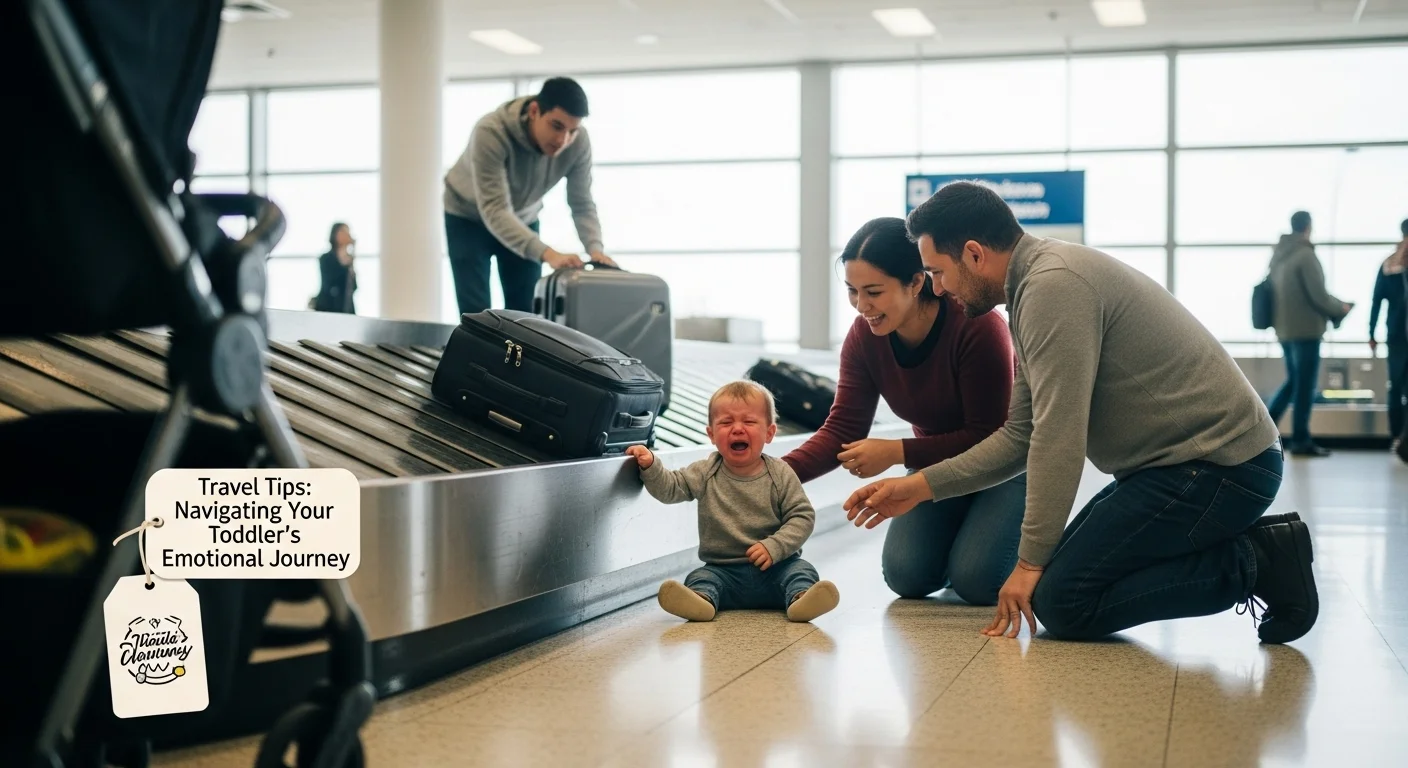
When a tantrum does occur, I’ve found that staying calm is crucial. I remind myself that this is a normal part of toddler life. I often kneel down to my child’s level, making it easier for them to see me and feel connected. I gently talk to them, acknowledging their feelings without dismissing them. Sometimes, a simple hug or holding their hand can help them feel reassured. I’ve noticed that when I validate their emotions, it helps them feel understood, making it easier for them to move past the moment.
When to Take a Timeout
There are moments when I realize that both my toddler and I just need a timeout. If the situation feels overwhelming for either of us, I’ve learned it’s okay to step away for a few minutes. I might find a quiet corner or take a short break outside to reset. This allows us both to breathe and regain composure. I remember one time in a busy tourist area when my toddler was overstimulated. We found a small bench where we could sit quietly for a few minutes, and it made all the difference. Taking a moment to gather ourselves can turn a chaotic situation into a manageable one.
Post-Travel: Reflecting on the Experience
After our adventures, I’ve realized that reflecting on the experience can be just as important as the journey itself. It offers us a chance to discuss what we enjoyed and to understand how our travels impacted my toddler emotionally.
Discussing the Trip with Your Toddler
One of my favorite post-travel activities is sitting down with my child and talking about our trip. I ask them what they liked best, what made them happy, and if there was anything that scared or upset them. I find it fascinating to hear their perspective, and it helps them process their emotions. Sometimes, I even create a travel scrapbook together, where we can add pictures and drawings from our adventures. It becomes a wonderful way for them to relive the experiences while reinforcing positive memories.
Recognizing Growth in Emotional Resilience
I believe that travel helps build emotional resilience in toddlers. Reflecting on our experiences allows me to see how my child has grown. For example, I’ve noticed they are becoming more adaptable and better at handling unexpected changes. It’s rewarding to see that they can express their feelings more clearly and even help themselves calm down when faced with new situations. I think these lessons learned during our travels stay with them long after the trip is over.
Planning Future Travels Based on Experiences
As I plan future trips, I often think back to what worked and what didn’t. I try to incorporate the lessons learned into our next adventure. For instance, if we found that certain activities were a hit, I’ll seek out similar experiences in the next destination. Or if a particular environment felt overwhelming, I’ll consider how to create a more comfortable setting next time. Travel isn’t just about seeing new places; it’s also about learning and growing together, making every trip a valuable experience.
Frequently Asked Questions
What are common emotional challenges toddlers face while traveling?
Toddlers often experience sensory overload, separation anxiety, and frustration due to unexpected delays or changes during travel. These emotional challenges can be alleviated by preparing for them and discussing potential issues with the child.
How can parents prepare for a trip with toddlers?
Preparation is key for a successful trip. Parents should plan ahead, consider the destination, schedule travel around nap times, and pack familiar items for emotional comfort. This foresight can significantly reduce stress during the journey.
What should parents consider when choosing a travel destination for toddlers?
When selecting a destination, parents should look for places that offer fun and engaging activities for young children, ensuring that the environment allows for safe exploration and play. Comfort and happiness for the child should be a priority.
How can parents manage their toddler’s emotions during travel?
Parents can manage their toddler’s emotions by recognizing signs of stress early, employing comforting strategies like deep breathing, and maintaining a routine that includes consistent meal and nap times, even while traveling.
What activities can keep toddlers engaged during travel?
Travel games, interactive apps, and engaging attractions are great ways to keep toddlers entertained. Parents can introduce games like “I Spy” during car rides or visit hands-on exhibits that cater to children’s interests.
What should parents do if a toddler has a meltdown during travel?
If a meltdown occurs, it’s important for parents to remain calm, validate their child’s feelings, and offer comfort. They should also consider taking a timeout in a quiet space to help both the child and themselves regain composure.
How can familiar items help toddlers during travel?
Packing familiar items like a favorite blanket, stuffed animal, or books can provide toddlers with a sense of security in unfamiliar settings, easing their anxiety and helping them feel more comfortable during the trip.
What strategies can help with adapting to new environments while traveling?
To help toddlers adapt to new environments, parents can prepare them by explaining what to expect, encouraging exploration, and pointing out interesting things while ensuring safety. This approach helps create excitement rather than anxiety.
Why is it important to reflect on the travel experience with toddlers?
Reflecting on the travel experience helps toddlers process their emotions and reinforces positive memories. Discussing what they enjoyed or found challenging can aid in their emotional development and resilience for future travels.
How can parents incorporate lessons learned from past travels into future trips?
Parents can plan future trips based on their past experiences by identifying what worked well and what didn’t. This may involve seeking similar activities that were enjoyable or creating more comfortable settings if certain environments were overwhelming.