
Traveling opens up a world of experiences, but it also comes with responsibilities, especially when it comes to health. Knowing which travel vaccines you need can help keep you and your loved ones safe on your adventures. Read Interesting article: Stay Healthy: The Importance of Vaccinations While Traveling
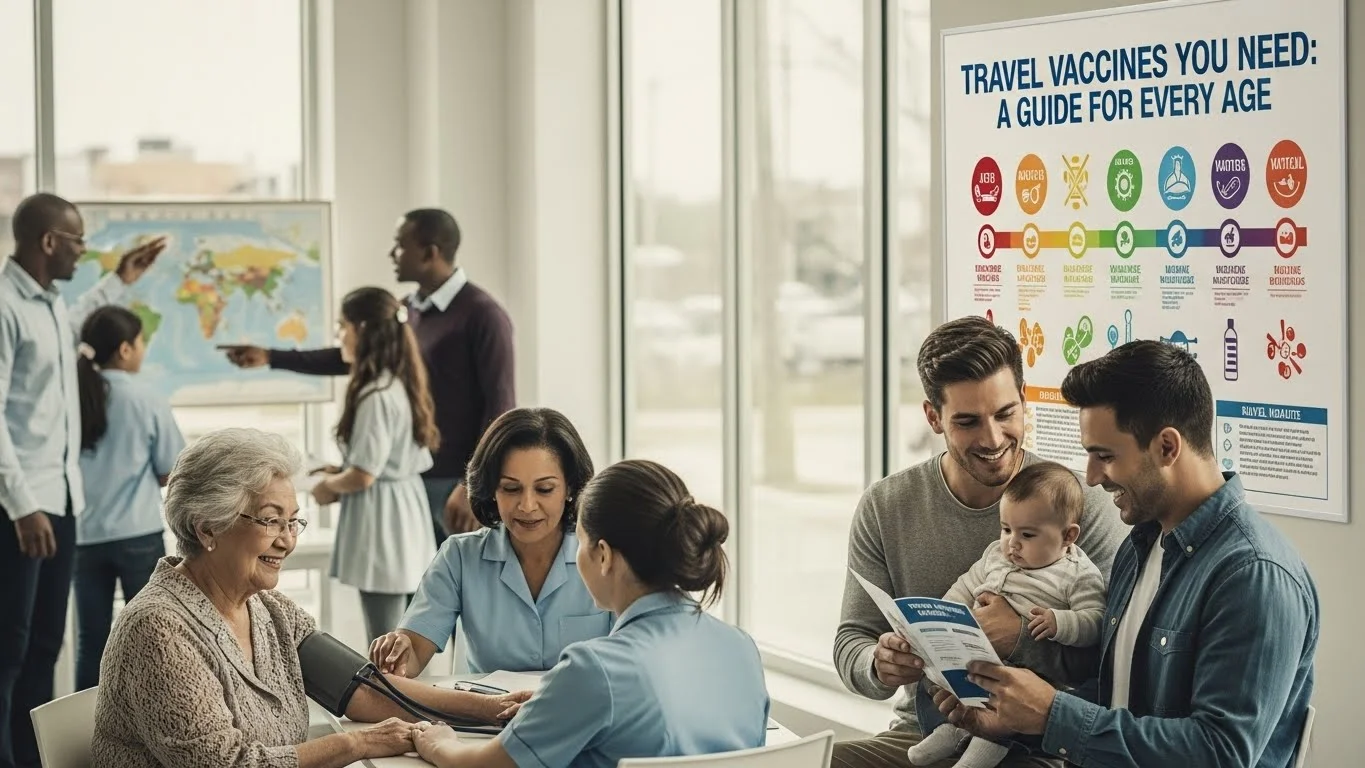
Understanding Travel Vaccines
What Are Travel Vaccines?
Travel vaccines are immunizations you receive to protect yourself from diseases that are more common in certain parts of the world. I remember planning my first big trip abroad and feeling excited yet anxious about what I needed to do to stay healthy. It was during this time that I learned about the importance of travel vaccines. These vaccinations can vary based on your destination, the time of year, and your personal health history. Some vaccines are routine, while others are specifically recommended for travelers heading to specific regions. For a comprehensive overview, check out Essential Vaccines for Backpackers: Age-Specific Guide.
Why Are Travel Vaccines Important?
In my experience, getting vaccinated before traveling is essential for several reasons. First and foremost, it helps prevent the spread of diseases. When I traveled to a region where certain illnesses were prevalent, having the right vaccines made me feel more secure. Additionally, some countries require proof of vaccination for entry. I learned this the hard way when I almost missed a trip because I didn’t have my yellow fever vaccination certificate ready for a South American country that required it. Getting vaccinated not only protects you but also those around you, especially in areas with higher rates of infectious diseases. For more details, refer to Immunizations You Can’t Ignore for Safe Travel Adventures.
How Vaccines Work in Preventing Disease
Vaccines work by teaching our immune system how to recognize and fight specific pathogens, like viruses and bacteria. When I received my vaccinations, I was basically training my body to defend itself against these diseases without actually getting sick. This process involves introducing a harmless part of the pathogen into the body, prompting an immune response. I remember the nurse explaining that this response creates memory cells that help my body react quickly if I encounter the real disease later. Understanding this made me feel empowered about my health choices when traveling.
Recommended Vaccines by Age Group
Vaccines for Infants and Toddlers
For parents, keeping their little ones safe while traveling can be daunting. Infants and toddlers are particularly vulnerable to infections, so it’s crucial to stay on top of their vaccinations. The CDC recommends that children receive vaccinations for diseases like hepatitis A and measles before international travel. I’ve seen firsthand how crucial these vaccines can be, especially after my niece got sick during a family trip abroad. Ensuring your child is up to date on their immunizations can provide peace of mind, allowing you to focus on making memories instead of worrying about illnesses.
Vaccines for Children (Ages 4-12)
As children grow, their immune systems develop, but they still need protection. For kids aged 4-12, vaccines like MMR (measles, mumps, and rubella) are essential, particularly if planning a trip to countries where these diseases are endemic. I had a friend whose son contracted measles while they were traveling, and it was a stressful experience that could have been avoided with proper vaccination. Ensuring your child is vaccinated not only protects them but also helps prevent outbreaks of diseases that can affect the broader community.
Vaccines for Teenagers (Ages 13-19)
Teenagers also need to be mindful of their vaccinations, especially if they are planning to travel on school trips or volunteer abroad. Vaccines like the meningococcal vaccine and Tdap (tetanus, diphtheria, and pertussis) are often recommended for this age group. I recall my own teenage years, feeling invincible, but it’s important to realize that certain vaccines can help safeguard against serious diseases that could impact their health while traveling. I suggest discussing travel plans with a healthcare provider to ensure all vaccinations are up to date.
Vaccines for Adults (Ages 20-64)
For adults, it’s easy to overlook vaccinations as we get older. However, it’s crucial for those aged 20-64 to be aware of the vaccines they may need, especially if they travel frequently. Vaccines like hepatitis A and B, typhoid, and even influenza can be important. I remember when I was planning a trip to Southeast Asia, my doctor recommended getting the hepatitis A vaccine, which I hadn’t thought about. It’s a good idea to have a conversation with your healthcare provider about your travel plans to see what’s best for you.
Vaccines for Seniors (Ages 65 and Up)
Seniors often have unique health considerations, so keeping their vaccinations up to date is vital. Vaccines for seniors often include the pneumococcal vaccine and the shingles vaccine, in addition to the standard ones. As someone who has traveled with my grandparents, I’ve seen how important it is for them to be protected against illnesses that can be particularly severe in older adults. It’s definitely worthwhile for seniors to consult with their healthcare provider to ensure they have the appropriate vaccines before embarking on any travel adventures.
Key Travel Vaccines to Consider
Hepatitis A and B
Hepatitis A and B vaccines are two of the most important vaccinations to consider when planning international travel. Hepatitis A is often transmitted through contaminated food and water, making it a significant risk in many countries. I vividly remember a friend who traveled to a popular tourist destination and ended up contracting Hepatitis A after eating street food that wasn’t properly prepared. The experience was not only physically taxing but also financially burdensome with medical expenses. On the other hand, Hepatitis B is spread through bodily fluids, and I learned that travelers who might engage in risky behaviors, such as unprotected sex or sharing needles, should definitely get vaccinated. I always recommend checking with a healthcare provider about these vaccines before heading out on an adventure.
Typhoid Fever
Typhoid fever is another vaccine that should be on your radar, especially if you plan to visit regions where sanitation might not meet the standards we’re used to. I remember when I traveled to parts of Asia, I was surprised at how different the food and water systems were. The typhoid vaccine can protect against a serious illness that can manifest through high fever, fatigue, and gastrointestinal distress. I’ve spoken with travelers who didn’t get vaccinated and ended up with typhoid fever, which put a major damper on their travels. Getting vaccinated is a simple step that can save you from an experience like that.
Yellow Fever
Yellow fever vaccination is crucial if you’re traveling to certain parts of Africa and South America. I still recall the time I prepared for a safari trip in Africa. I had to make sure I got my yellow fever vaccine in advance, as many countries require proof of vaccination for entry. The thought of being turned away at customs because I didn’t have my vaccination certificate was nerve-wracking! The yellow fever vaccine is very effective and usually lasts a lifetime, which is a huge relief for frequent travelers. It’s a good idea to keep that card handy and always check the requirements of your destination.
Measles, Mumps, and Rubella (MMR)
The MMR vaccine is especially important for travelers heading to regions where measles outbreaks are common. I’ve seen this firsthand; when I traveled to Europe a few years back, there were reports of measles outbreaks in several countries. It was a wake-up call that reminded me how easily diseases can spread. Measles is highly contagious, and I feel it’s essential for everyone, especially young children and those who are unvaccinated, to receive this vaccine before traveling. Ensuring that you and your family are properly vaccinated can help protect not only yourselves but also the communities you visit.
Flu Vaccine
The flu vaccine is often overlooked but is crucial, especially if you’re traveling during flu season. I remember being in a crowded airport in winter and realizing how many people were coughing and sneezing around me. It made me grateful that I had gotten my flu shot that year. The flu can spread quickly in close quarters, like airplanes and hotels. I recommend getting vaccinated a few weeks before your trip to give your body time to build up immunity. It’s a small effort for a big payoff—nobody wants to be sick while traveling!
COVID-19 Vaccines
Lastly, we cannot forget about COVID-19 vaccines. They have become essential for international travel in recent years. Depending on where you’re headed, some countries may require proof of vaccination. I’ve had friends who had to change their travel plans last minute because they weren’t vaccinated or didn’t have the right booster shots. It’s crucial to stay informed about the latest guidelines for your destination. I always check the travel restrictions and requirements ahead of time to ensure I’m fully prepared. Keeping up with COVID-19 vaccinations can help protect not just ourselves but everyone we come into contact with during our travels.
How to Prepare for Vaccination
Consulting with a Healthcare Provider
Before getting any vaccinations, I strongly recommend consulting with a healthcare provider or a travel medicine specialist. They can offer personalized advice based on your travel plans, medical history, and any specific health concerns you might have. I remember feeling overwhelmed with the options, but my doctor helped me prioritize the vaccines I needed based on my itinerary. It felt reassuring knowing that I was making informed decisions about my health.
Understanding Vaccine Schedules
Another important aspect to consider is the timing of vaccinations. Some vaccines require multiple doses spread out over several weeks or months. For instance, I learned that the Hepatitis B vaccine needs a series of shots over six months. It’s crucial to start this process well in advance of your travel date. My advice is to plan your vaccinations as early as possible—at least 4 to 6 weeks before your trip. This gives your body enough time to develop the necessary immunity.
Required vs. Recommended Vaccines
It’s also vital to differentiate between required and recommended vaccines. Some countries may mandate certain vaccinations for entry, while others might just recommend them for safety. I’ve experienced this firsthand when planning a trip to a country with strict entry requirements. I made sure to get the necessary vaccines, plus a few recommended ones to further protect my health. Always check the latest guidelines from credible sources, like the CDC or the World Health Organization, as recommendations can change.
Travel-Specific Vaccine Requirements
Vaccination Requirements by Destination
Each country has its own vaccination requirements, and understanding these can save you from last-minute stress. I remember preparing for a trip to Africa, where I had to research the specific vaccines needed for each country I would visit. Some destinations, like Brazil or certain parts of Africa, have strict requirements for vaccines such as yellow fever. I learned that it’s essential to check these requirements well in advance, as some vaccines need time to become effective. The CDC and WHO websites are great resources for this, and I always make it a point to consult them before planning international travel.
Countries with Strict Vaccine Regulations
Some countries are known for their stringent vaccine regulations. I experienced this firsthand when I traveled to South America. I had to present proof of my yellow fever vaccination at the border, which was a bit nerve-wracking. Countries like Saudi Arabia also require specific vaccinations for pilgrims traveling for Hajj, such as the meningococcal vaccine. Knowing these regulations ahead of time helps you avoid unexpected surprises. I recommend keeping a checklist of the countries you plan to visit and their vaccination requirements to stay organized.
Documentation for Travel
Having the right documentation is just as important as getting vaccinated. I learned this when I was asked for my vaccination records at various points during my travels. It’s crucial to have a physical copy of your vaccination certificate, especially for required vaccines like yellow fever. Some travelers opt to keep digital copies on their phones for convenience, but I always felt more secure having a paper copy on hand. Additionally, it’s wise to store your vaccination records in a safe place, so you can easily access them when needed. Keeping this documentation can make your border crossings smoother and reduce travel stress.
Potential Side Effects and Considerations
Common Side Effects of Travel Vaccines
When I got vaccinated before a trip, I was often curious about what to expect in terms of side effects. Most vaccines come with mild side effects, and knowing what to anticipate can be reassuring. Common reactions can include soreness at the injection site, mild fever, or fatigue. I remember feeling a little under the weather after getting my flu shot, but it was nothing that kept me from enjoying my travels. These reactions are usually temporary and a sign that your body is building protection. If you’re concerned, I recommend discussing potential side effects with your healthcare provider beforehand.
When to Seek Medical Attention
While side effects are generally mild, there are times when you might need to seek medical attention. I’ve learned that if you experience severe reactions, such as difficulty breathing, swelling, or high fever, it’s critical to seek help right away. It’s always better to err on the side of caution. I remember a friend who developed an allergic reaction after getting a vaccination; fortunately, they sought medical help immediately. Being aware of the signs of a serious reaction can help keep you safe during your travels.
Considerations for Travelers with Pre-existing Conditions
If you have pre-existing health conditions, it’s vital to consult with your healthcare provider before traveling. I’ve seen how conditions like asthma, diabetes, or autoimmune disorders can impact vaccination plans. In my case, I have a mild allergy, so I always check with my doctor about any potential interactions. They can guide you on which vaccines are safe and necessary for your health. Additionally, understanding how your condition may affect your travel plans can help you prepare better. It’s essential to have a plan in place and know where to get medical care in the areas you will be visiting.
Additional Resources for Travelers
Where to Find Vaccination Clinics
Finding a reliable vaccination clinic is crucial before any trip. I remember searching for a travel clinic in my area before a big adventure. Many local pharmacies and health departments offer travel vaccinations, and I found that some clinics specialize in travel health. Websites like the CDC’s Traveler’s Health page can help you locate certified clinics. I recommend scheduling an appointment as early as possible, as some vaccines require several doses over time. Planning ahead ensures you’ll be ready for your trip without any last-minute rush.
Online Resources for Vaccine Information
In our digital age, there are numerous online resources available to help travelers stay informed about vaccinations. I often refer to the CDC and WHO websites for updated vaccine recommendations and travel advisories. There are also travel health apps that can provide personalized vaccine information based on your itinerary. Additionally, forums like Travel Health Online can be helpful for reading about other travelers’ experiences and getting tips on how to navigate vaccine requirements.
Travel Health Insurance and Vaccinations
Travel health insurance is another aspect that shouldn’t be overlooked. When I traveled abroad, I made sure to have a policy that covered vaccinations and any potential health issues I might encounter. Some policies even cover the costs of required vaccinations. It’s worth investing in travel insurance to protect yourself from unexpected medical expenses while exploring new places. Always read the fine print and understand what is covered, especially related to vaccinations and health emergencies. Having that safety net can give you peace of mind, allowing you to focus on enjoying your travels.
Frequently Asked Questions
What are travel vaccines?
Travel vaccines are immunizations you receive to protect yourself from diseases that are more common in certain parts of the world. The type of vaccines needed can vary based on your destination, the time of year, and your personal health history.
Why are travel vaccines important?
Travel vaccines are important because they help prevent the spread of diseases, provide security when traveling to areas with prevalent illnesses, and some countries require proof of vaccination for entry.
What vaccines are recommended for infants and toddlers?
The CDC recommends that infants and toddlers receive vaccinations for diseases like hepatitis A and measles before international travel, as they are particularly vulnerable to infections.
What vaccines should children aged 4-12 receive?
Children aged 4-12 should receive vaccines like MMR (measles, mumps, and rubella), especially if traveling to countries where these diseases are endemic.
What vaccinations are recommended for teenagers aged 13-19?
Teenagers aged 13-19 are often recommended to get vaccines like the meningococcal vaccine and Tdap (tetanus, diphtheria, and pertussis), particularly if they are planning to travel on school trips or volunteer abroad.
What key vaccines should adults aged 20-64 consider?
Adults aged 20-64 should be aware of vaccines like hepatitis A and B, typhoid, and influenza, especially if they travel frequently.
What vaccinations are important for seniors aged 65 and up?
Seniors often need to keep vaccinations like the pneumococcal vaccine and the shingles vaccine up to date, in addition to standard vaccines, to protect against illnesses that can be severe for older adults.
Why is the yellow fever vaccine important?
The yellow fever vaccine is crucial for travelers going to certain parts of Africa and South America, as many countries require proof of vaccination for entry.
What should travelers with pre-existing conditions do regarding vaccinations?
Travelers with pre-existing conditions should consult with their healthcare provider before traveling to understand which vaccines are safe and necessary for their health, and to prepare for any potential interactions.
Where can travelers find vaccination clinics?
Travelers can find vaccination clinics at local pharmacies, health departments, and specialized travel health clinics. Websites like the CDC’s Traveler’s Health page can help locate certified clinics.