
Traveling with toddlers can be an adventure filled with joy and challenges. Learning how to nurture their emotional skills can make these journeys smoother and more enjoyable for everyone. Read Interesting article: 5 Signs Your Toddler Is Emotionally Thriving While Traveling
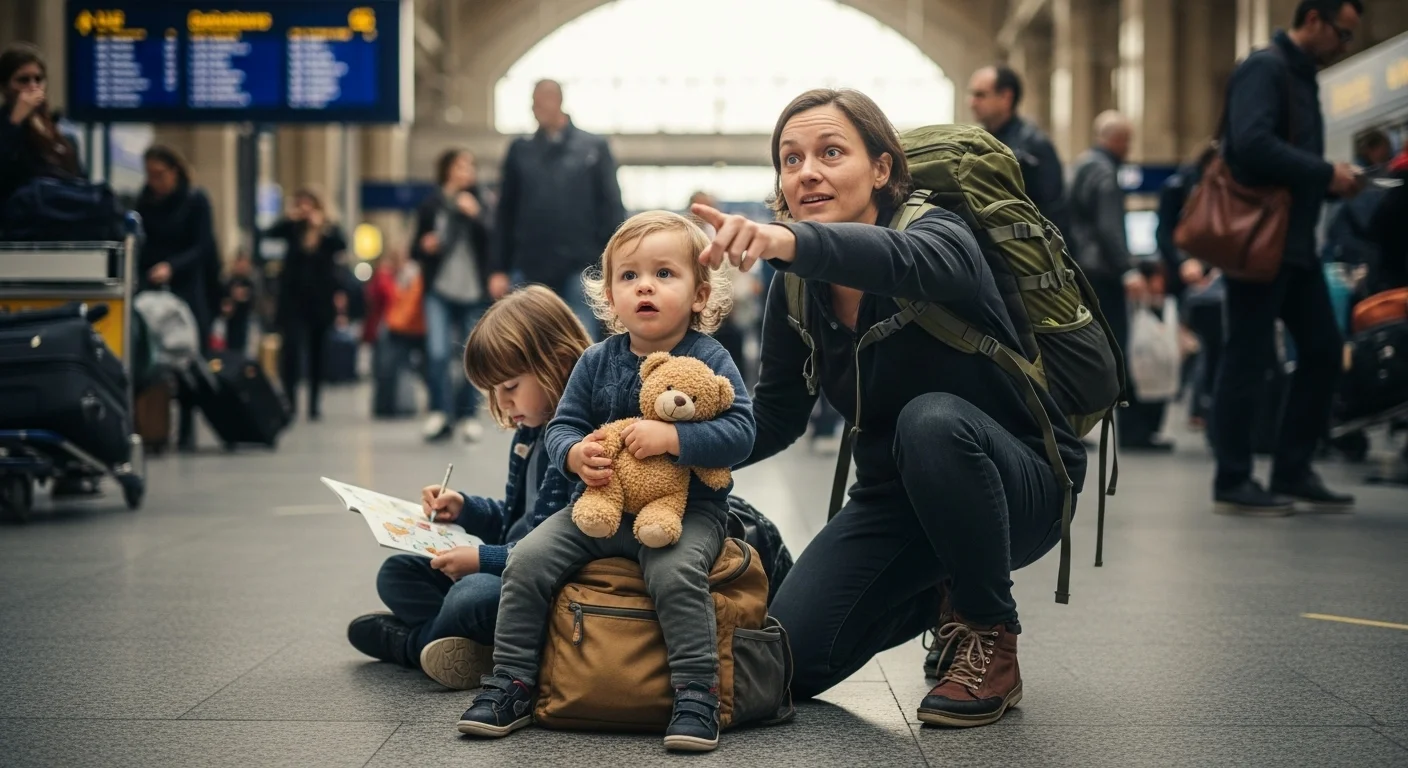
Understanding the Importance of Emotional Skills for Toddlers
When I first embarked on the journey of parenting, I quickly realized that emotional skills are crucial for toddlers. These skills encompass the ability to recognize, express, and manage feelings. Developing emotional intelligence allows children to understand themselves and those around them better. As I learned more about this, I discovered how vital these skills become, especially when we decide to travel as a family.
What Are Emotional Skills?
Emotional skills, in simple terms, are the abilities that help toddlers navigate their feelings. For me, it became clear that these skills include recognizing emotions, expressing them appropriately, and learning to manage them. My toddler, for instance, might feel excited about a trip but also anxious about being in a new environment. Helping them recognize these feelings is the first step toward fostering emotional growth.
Some key emotional skills for toddlers include:
- Identifying basic emotions (happy, sad, angry, scared)
- Expressing feelings verbally or through actions
- Understanding how their actions affect others
- Developing coping strategies to handle intense feelings
By nurturing these skills, we help our little ones become more resilient and adaptable. I felt the need to focus on this aspect when we traveled, as it could directly influence their experiences and reactions during our adventures.
Why Emotional Skills Matter for Travel
Travel can be an overwhelming experience for toddlers. New sights, sounds, and routines can stir up various emotions, ranging from excitement to anxiety. I observed this firsthand when we took our first family trip. My toddler was thrilled to see new places but also felt unsettled in unfamiliar environments. I realized that emotional skills play a significant role in how well they cope with these changes.
Understanding their emotions helps toddlers adapt to new situations. For example, when my child started feeling anxious at the airport, recognizing that emotion allowed me to address it. We practiced deep breathing together, which calmed them down and made the experience more manageable. Developing emotional skills not only helps them cope but also enriches our family trips, creating lasting memories. Read Interesting article: Creating Engaging Playdates: Budget-Friendly Ideas for Toddlers
Preparing Your Toddler for Travel
Preparation is key to ensuring a smoother travel experience with toddlers. I found that taking time to nurture their emotional readiness made a significant difference. Here are some strategies that helped my family feel more prepared for our travels.
Fostering Emotional Readiness
Before our trips, I made a point to talk to my toddler about what to expect. This foundational step involved discussing the places we would visit and the activities planned. I remember creating a simple visual schedule with pictures of our destinations. This not only sparked their excitement but also eased any fears of the unknown.
We also practiced role-playing. For example, we pretended to go through airport security together. This playful approach helps toddlers familiarize themselves with the process, reducing anxiety. Additionally, I encouraged my child to express any worries they had. By validating their feelings, I showed them it was okay to feel a mix of excitement and nervousness.
Communicating About the Trip
Open communication is essential. I learned that inviting my child into the travel planning process made them feel included and valued. We discussed the destinations, activities, and even the packing process. Giving them choices about what to bring, like a favorite toy or a book, made them feel more in control. This simple act significantly reduced anxiety and made them more enthusiastic about the trip.
Setting Expectations and Boundaries
Setting clear expectations is another crucial step. I learned to explain what behaviors were expected during travel. For example, we established that while at the airport, we would practice walking together and holding hands. I remember emphasizing the importance of listening and staying close, especially in crowded areas. This clarity helped my toddler understand boundaries and feel secure during our travels.
Along with expectations, I also talked about what would happen if things didn’t go as planned. I assured my child that it was okay to feel upset if something unexpected occurred, and we could always find a way to address it together. By preparing them for the ups and downs of travel, I felt more confident that they could handle challenges along the way.
These steps in preparing our toddlers for travel not only enhance their emotional skills but also contribute to a more enjoyable experience for the whole family. As we continue our journey, I look forward to sharing more tips that have worked for us in traveling on a budget while nurturing our toddlers’ emotional well-being.
Budget-Friendly Travel Tips for Families
Traveling with toddlers doesn’t have to break the bank, and I’ve learned that with some planning and creativity, we can enjoy memorable experiences without overspending. Here are some budget-friendly tips that have worked for me and my family.
Choosing Affordable Destinations
One of the first steps in our budget travel planning is selecting affordable destinations. I’ve discovered that some places are more family-friendly and budget-conscious than others. For us, this meant considering locations that offer free or low-cost activities. National parks, for example, can be a fantastic choice. They provide beautiful scenery, plenty of outdoor activities, and often have many amenities for families.
Also, I recommend looking into local festivals or events in the area we plan to visit. These events often have free activities for children and can be a great way to experience the local culture. I remember attending a small-town festival where my toddler got to participate in craft activities and enjoy live music, all at no cost!
Finding Budget Accommodations
When it comes to accommodations, I’ve found that exploring different options can lead to significant savings. While hotels can be convenient, they’re not always the most economical choice for families. Instead, I started looking into vacation rentals or family-friendly hostels, which often provide kitchen facilities. Cooking some of our meals can save a lot of money, especially when traveling with toddlers who can be picky eaters.
Another tip that worked for us is to book early. As soon as we have a destination in mind, I begin my search for accommodations. I’ve noticed that prices tend to rise as we get closer to the travel dates. Plus, sites that offer last-minute deals can sometimes have great options if you’re flexible with your plans.
Cost-Effective Transportation Options
Transportation can eat up a good chunk of our travel budget. I learned to explore various options based on our destination. For shorter trips, we often opt for driving. This not only saves money but also allows us to bring along extra snacks and toys for my toddler, making the journey easier. I remember one road trip where we packed our favorite games, and it turned into an adventure in itself!
For longer trips, I recommend researching budget airlines or train services that cater to families. Flying can be costly, but by booking in advance and being flexible with our travel dates, I’ve found some incredible deals. I’ve also learned that some airlines offer discounts for children, which can help offset costs. Don’t hesitate to reach out to customer service for any potential family discounts!
Planning Meals on a Budget
Food expenses can add up quickly when traveling, especially with toddlers who often want to eat frequently. I found that planning meals ahead of time makes a big difference. When we travel, I like to pack snacks that my child enjoys—think granola bars, dried fruit, and crackers. This way, I can avoid overpriced airport snacks or convenience store items.
During our travels, I usually look for local grocery stores to buy fresh fruits and breakfast items. It’s a fun way to get a taste of the local culture while sticking to a budget. On one trip, we bought ingredients to make simple sandwiches, and we enjoyed a picnic at a beautiful park. It was one of our favorite meals, and it saved us money too!
Eating out doesn’t have to be expensive either. I’ve learned to look for family-friendly restaurants that offer kids’ menus or specials. Dining during off-peak hours can also lead to discounts. I remember discovering a charming little diner that had a “kids eat free” night, which felt like a win for our budget!
By implementing these budget-friendly travel tips, we’ve managed to create beautiful memories as a family without overspending. The key is to plan ahead, be flexible, and involve the kids in the process. As we continue our travels, I’m excited to share more ideas on activities that enhance emotional skills while we explore the world together.
Activities to Enhance Emotional Skills During Travel
Traveling presents a unique opportunity to enhance our toddlers’ emotional skills through various fun activities. I’ve found that by incorporating engaging experiences, we can help our little ones learn how to express their feelings, develop empathy, and adapt to new situations. Here are some activities that have worked wonders for my family and me while we travel.
Interactive Games for Emotional Expression
One of my favorite ways to help my toddler express emotions is through interactive games. During our travels, I often pack a small set of emotion cards or create a simple DIY version using paper. Each card features a different emotion, like happy, sad, or scared. When we have downtime, such as during a flight or in a hotel room, we take turns drawing a card and acting out the emotion. This playful interaction not only encourages my child to recognize and express their feelings but also opens up conversations about why they might feel a certain way.
Another engaging game we enjoy is “Feelings Charades.” We take turns mimicking emotions without using words, while the other tries to guess what emotion it is. I’ve noticed that this game brings lots of laughter and creates a comfortable space for my toddler to explore their feelings. Plus, it helps them understand that it’s okay to express emotions, no matter if they are happy or sad.
Storytelling: Connecting Through Narratives
Storytelling is another powerful tool for nurturing emotional skills. I love sharing stories that highlight characters experiencing a range of emotions. Sometimes, we even create our own stories together. I start with a scenario, like a family going on an adventure, and then we take turns adding to the story, incorporating different feelings and challenges the characters face. This allows my toddler to explore complex emotions in a safe and imaginative way.
One memorable experience was when we made up a story about a little bear who felt anxious about leaving his home. As we talked through the bear’s journey, my toddler connected with the character and expressed how they might feel in similar situations. This connection sparked a conversation about their feelings regarding our trip, reinforcing that they’re not alone in their emotions.
Mindfulness Activities for Toddlers
Mindfulness is an essential skill for emotional regulation, and I’ve found that introducing simple mindfulness activities during travel can be incredibly beneficial. One technique we often use is the “5 Senses” exercise. When we arrive at a new location, I encourage my toddler to take a moment to observe their surroundings. We discuss what they see, hear, feel, smell, and even taste. This practice not only helps them stay present but also allows them to process their feelings about the new environment.
Additionally, we incorporate breathing exercises into our travels. I remember one particularly overwhelming day when we were at a busy amusement park. My toddler was getting overstimulated, so we found a quiet spot and practiced deep breathing together. I showed them how to take deep breaths, inhaling for four counts and exhaling for four counts. We took a few rounds together, and I noticed an immediate shift in their demeanor. It was a powerful reminder of how mindfulness could be a calming tool for both of us.
Handling Emotions During Travel
Even with all the preparation and activities, emotions can still run high during travel. I’ve learned that knowing how to handle these emotional moments is just as important as nurturing them beforehand. Here are some strategies that have helped my family navigate emotional ups and downs while on the road.
Dealing with Anxiety and Fear
Anxiety and fear can pop up at any moment during travel. I remember a time when my toddler had a meltdown at the airport due to the overwhelming noise and crowds. In that moment, I focused on validating their feelings. I knelt down to their level, acknowledged their fear, and reminded them that it was okay to feel scared. I also offered comfort by holding their hand and whispering reassuring words. It was essential for me to create a sense of security in that chaotic environment.
To help manage anxiety, I’ve found that having a “calm down” kit can work wonders. We pack a small bag filled with comforting items—like a favorite stuffed animal, calming music, or simple sensory toys. When emotions run high, I encourage my toddler to reach for something from the kit, allowing them to have a moment of comfort and reassurance.
Recognizing and Managing Tantrums
Toddlers are prone to tantrums, especially when they’re tired or overstimulated. I’ve learned to recognize the signs early on. When I notice my child getting cranky, I try to intervene before things escalate. A quick change of scenery, a snack break, or even a short nap can sometimes make a world of difference.
When a tantrum does occur, I remind myself to stay calm and patient. I take a deep breath and create a safe space for my toddler to express their feelings. Once they calm down, I gently talk through what happened, helping them understand their emotions and how to express them differently next time.
Encouraging Positive Emotional Responses
It’s equally important to highlight and encourage positive emotional responses. Whenever my toddler expresses excitement or happiness, I celebrate those moments! I often say things like, “I love how happy you look!” or “It’s so great to see you enjoying this!” This positive reinforcement helps them learn that expressing joy is just as valuable as expressing sadness or fear.
By focusing on both the challenges and the joys of travel, I feel that we create a balanced emotional experience for our family. Each adventure becomes an opportunity for growth, connection, and learning. As we continue our travels, I look forward to sharing more tips on how we reflect on our experiences and nurture emotional growth in our little ones after the trip.
Post-Travel Emotional Reflection
Discussing Travel Experiences
After returning from a trip, I’ve found that reflecting on our experiences can be a powerful tool for emotional growth. Sitting down with my toddler and discussing the highlights of our journey helps them process their feelings. I often ask open-ended questions like, “What was your favorite part of the trip?” or “How did you feel when we saw that big mountain?” This not only encourages them to articulate their emotions but also reinforces their memories of the adventure.
I remember a time when we explored a vibrant city, and my child was particularly fascinated by the street performers. We made a point to talk about how that made them feel—happy, excited, even a little inspired. By sharing these moments, we strengthen our emotional bond and provide a platform for them to express any lingering feelings, whether they were positive or negative.
Creating a travel scrapbook can also be an enjoyable way to reflect on our adventures together. We gather photos, tickets, and other mementos from the trip and arrange them in a special book. As we flip through the pages, it’s a wonderful opportunity to relive those moments and discuss how they felt during different parts of the journey. This activity not only nurtures their emotional skills but also fosters creativity and a sense of accomplishment.
Encouraging Emotional Growth After the Trip
Once we’ve reflected on our experiences, I focus on how we can carry the lessons learned from our travels into everyday life. I talk to my toddler about the different emotions we encountered and how they handled them. For example, if they felt scared during a particular moment, I remind them of the strategies we used to manage that fear. Reinforcing these coping mechanisms helps them understand that it’s okay to experience a range of emotions, and they can always find ways to navigate through them.
Encouraging emotional growth doesn’t stop at reflection; it’s an ongoing process. I make it a point to incorporate discussions about feelings into our daily routine. We often have “feelings check-ins” where we take turns sharing how we’re feeling that day. This practice has helped my toddler become more aware of their emotions and develop a vocabulary to express them. I’ve noticed that they’re more willing to share both the good and the challenging feelings, which strengthens their emotional intelligence over time.
Additionally, I’ve learned the importance of being a role model when it comes to emotional expression. I openly share my feelings with them, whether I’m excited, frustrated, or happy. By showing that it’s okay to express emotions, I encourage my toddler to do the same. This modeling has fostered an environment where emotional discussions are welcomed and understood, creating a safe space for both of us.
Resources for Parents
Books on Emotional Skills for Toddlers
There are countless resources available for parents looking to nurture emotional skills in toddlers. I’ve found that reading books focused on emotions can be a fantastic way to introduce these concepts. Titles like “The Feelings Book” by Todd Parr and “Today I Feel Silly” by Jamie Lee Curtis have sparked wonderful conversations with my child. These books present emotions in a relatable way, allowing us to discuss feelings and their significance together.
Online Communities and Support Groups
Connecting with other parents through online communities has been a game-changer for me. Websites and social media platforms like Facebook and parenting forums provide spaces to share experiences, seek advice, and gain support. I’ve learned so much from others who have faced similar challenges, and it’s comforting to know that I’m not alone in this journey. These interactions often lead to new ideas and strategies that I can implement during our travels.
Workshops and Classes on Parenting and Travel
Attending workshops focused on parenting and emotional intelligence has also enriched my understanding of how to support my toddler effectively. Many community centers and organizations offer classes that teach parents practical strategies for nurturing emotional skills. I’ve found these workshops to be a great way to meet other parents, share experiences, and gain insights from professionals. The knowledge I’ve gained has positively impacted our travels and everyday life.
Final Thoughts
Traveling with toddlers can be a rewarding experience when we focus on emotional growth and understanding. By nurturing their emotional skills and fostering open communication, we create a foundation for resilience and adaptability. The strategies we’ve discussed, from preparation to post-travel reflection, not only enhance our adventures but also strengthen our family bonds. I truly believe that these moments of connection, learning, and growth will stay with our children as they navigate the world. Each trip becomes more than just a vacation; it’s an opportunity to explore emotions, deepen relationships, and create lasting memories. As we continue to travel, I’m excited to see how these practices evolve and contribute to our family’s journey.
Frequently Asked Questions
What are emotional skills for toddlers?
Emotional skills for toddlers encompass the abilities to recognize, express, and manage feelings. They include identifying basic emotions, expressing feelings appropriately, understanding how their actions affect others, and developing coping strategies for intense feelings.
Why are emotional skills important for travel?
Emotional skills are important for travel because they help toddlers adapt to new situations and manage overwhelming experiences. Recognizing and addressing their emotions can significantly improve their ability to cope with changes during family trips.
How can parents prepare their toddlers for travel?
Parents can prepare toddlers for travel by discussing what to expect, creating visual schedules, role-playing travel scenarios, and encouraging open communication about any worries. Setting clear expectations and boundaries also helps toddlers feel more secure.
What are some budget-friendly travel tips for families with toddlers?
Some budget-friendly travel tips include choosing affordable destinations, finding budget accommodations such as vacation rentals, exploring cost-effective transportation options, planning meals ahead of time, and looking for family-friendly restaurants with specials.
What activities can enhance emotional skills during travel?
Activities that enhance emotional skills include interactive games like emotion cards and Feelings Charades, storytelling to explore characters’ emotions, and mindfulness exercises like the “5 Senses” technique to help toddlers process their feelings about new environments.
How should parents handle anxiety and fear in toddlers during travel?
Parents can handle anxiety and fear by validating their toddler’s feelings, creating a calming environment, and using a “calm down” kit filled with comforting items. Acknowledging their emotions and offering reassurance is essential in these situations.
What should parents do when a toddler has a tantrum while traveling?
When a tantrum occurs, parents should remain calm and create a safe space for the toddler to express their feelings. Intervening early by recognizing signs of crankiness and offering distractions can help prevent escalation.
How can parents encourage positive emotional responses in their toddlers?
Parents can encourage positive emotional responses by celebrating moments of joy, reinforcing the value of expressing happiness, and recognizing their child’s emotions. Positive reinforcement helps toddlers learn that all emotional expressions are important.
What is the significance of post-travel emotional reflection?
Post-travel emotional reflection allows families to discuss their experiences, articulate feelings, and reinforce memories. It is an opportunity for toddlers to process their emotions and learn coping strategies for future experiences.
What resources are available for parents to help nurture emotional skills in toddlers?
Resources for parents include books focused on emotions, online communities and support groups for sharing experiences, and workshops or classes on parenting and emotional intelligence. These resources provide valuable insights and strategies for nurturing emotional skills.