
Traveling with kids can be an adventure filled with learning, especially when you incorporate STEM activities. Imagine exploring a new country while engaging your children in science, technology, engineering, and math—without breaking the bank! Read Interesting article: Top Play-Based Learning Activities for Budget Travel Families
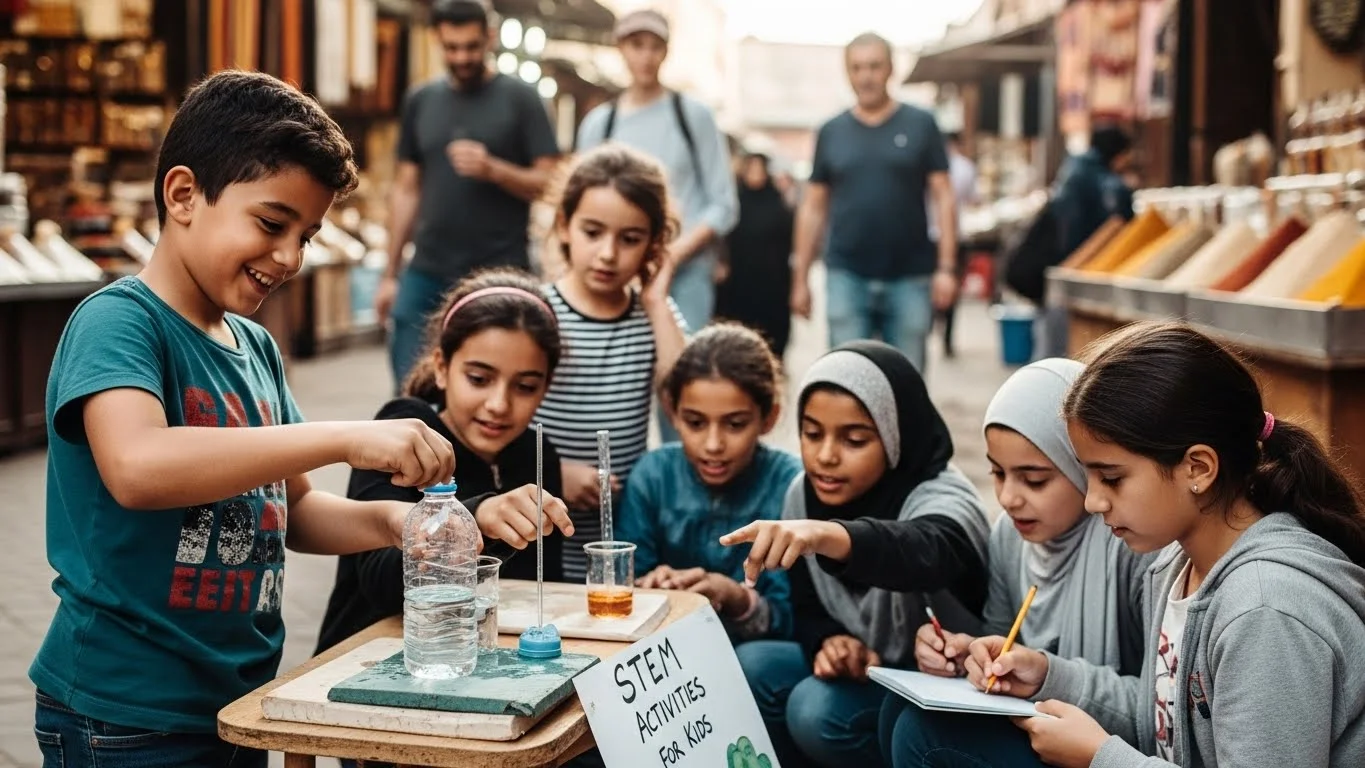
Understanding STEM Activities for Kids
What is STEM Education?
STEM education is all about integrating science, technology, engineering, and mathematics into a cohesive learning paradigm. I remember my first introduction to STEM concepts. It wasn’t in a classroom, but during a family trip where we visited a science museum. The hands-on exhibits sparked my curiosity and made learning feel like a thrilling adventure. The goal of STEM education is to prepare kids for a world increasingly dominated by technology and scientific advancements. It encourages problem-solving, critical thinking, and creativity, all essential skills for the future.
Benefits of STEM Activities for Kids
Engaging in STEM activities offers numerous benefits for children. From my experience, these activities can enhance analytical skills, deepen understanding of real-world applications, and foster a love for exploration. For instance, when my kids built a small robot during a workshop abroad, they didn’t just learn about mechanics; they also developed teamwork and patience. STEM activities can help children connect theoretical knowledge to practical scenarios, making learning more meaningful.
Additionally, these experiences can spark an interest in pursuing STEM-related careers. I’ve seen kids who were once indifferent towards math or science become enthusiastic learners after participating in interactive STEM projects. The joy of discovery and the satisfaction of overcoming challenges can be incredibly empowering for children. Plus, STEM activities often encourage collaboration, which means kids learn to communicate and work effectively with others. This is a skill that will serve them well, no matter what path they choose.
Beyond academic benefits, STEM activities can enrich family travel experiences. They provide an opportunity for families to work together, bond over challenges, and create lasting memories. I believe that when kids actively participate in their learning, they are more likely to retain information and cultivate a genuine interest in the subject matter. Read Interesting article: Essential Play Activities for Toddlers: Budget Travel Tips
Traveling on a Budget: Essential Tips
Choosing Affordable Destinations
When planning a trip that includes STEM activities, selecting budget-friendly destinations is key. I once spent hours researching places that offered free or low-cost educational experiences. Countries in Eastern Europe, for example, often provide excellent opportunities for learning without the hefty price tag. Places like Hungary or Poland have fantastic science museums and outdoor workshops that are not only affordable but also rich in culture and history.
Visiting countries with lower living costs can also stretch your budget further. I found that Southeast Asia, particularly Vietnam and Thailand, offers engaging STEM experiences at a fraction of the cost compared to Western countries. Always consider local festivals or educational fairs that might be happening during your visit as they can provide unique, budget-friendly learning experiences.
Finding Budget Accommodation
Accommodation can take a big bite out of any travel budget. I’ve discovered that hostels, guesthouses, or family-run inns often provide not just lower rates but also an authentic local experience. Websites like Airbnb offer great options for families looking for spacious accommodations at reasonable prices. I remember booking an apartment in Barcelona that allowed us to cook our meals, saving us money and letting us enjoy local markets.
Additionally, consider staying slightly outside major tourist areas. This can lead to more affordable rates and a chance to experience the local culture more intimately. I always try to choose places with kitchen facilities so we can prepare some meals ourselves, which is both a money-saver and a fun family activity—especially when we shop at local markets together!
Transportation Options for Families
Navigating a new city can be daunting, especially with kids in tow. I’ve learned that public transportation is often the cheapest way to get around. Trains, buses, and trams can provide an adventure of their own and can be a great way to explore. For example, while visiting London, my family took the Tube everywhere. It not only saved us money but also turned into a fun game for the kids to find the right lines and stops.
Many cities offer family passes or discounts for public transport, so it’s worth checking for those before you go. If we were in a city with a walkable layout, we would walk as much as possible. It’s a fantastic way to discover hidden gems and local culture. Plus, walking often leads to spontaneous STEM learning opportunities, like observing urban wildlife or noticing different architectural styles.
Saving on Food and Dining
Food can be a major expense while traveling, but it doesn’t have to be! I’m a firm believer in trying local street food or visiting markets. This not only saves money but also provides a unique cultural experience. I remember trying delicious tacos from a street vendor in Mexico that my kids still rave about. Not only was it affordable, but it also introduced them to local cuisine in a fun way.
Cooking some meals can be a great bonding activity. We often plan a few picnic lunches where we pack local ingredients we find at markets. This not only saves money but also allows the kids to learn about different foods and how they’re made. I believe that involving kids in meal prep can spark curiosity about nutrition and cooking, which can tie back into STEM themes in food science. Read Interesting article: Best Activities for Toddlers While Traveling on a Budget
Free and Low-Cost Activities
There are countless free or low-cost activities available, especially in cities rich with parks, museums, and educational programs. I always look for local visitor centers, which often have information about free events or festivals happening during our stay. Museums frequently offer free admission days or discounts for families. I remember visiting the Smithsonian in Washington, D.C., where we spent hours exploring without spending a dime.
Nature is another fantastic classroom. National parks often have programs for kids, where they can learn about ecosystems and conservation. These experiences can be incredibly enriching and often come at little to no cost. I’ve found that hiking or exploring nature is a great way to engage kids in environmental science, helping them to see the connection between nature and their daily lives.
STEM Activities in Different Regions
STEM Activities in Europe
Science Museums and Interactive Exhibits
Traveling through Europe has opened my eyes to some of the most incredible science museums and interactive exhibits aimed at kids. One of my favorite experiences was visiting the Exploratorium in San Francisco, but Europe has its own gems. The Science Museum in London, for example, is a treasure trove of hands-on exhibits that captivate children and adults alike. I remember my kids getting lost in the interactive displays that let them experiment with physics and engineering concepts in real-time. Watching them light up as they learned about space or built simple machines was a joy.
In Paris, the Cité des Sciences et de l’Industrie offers an engaging experience with its dedicated children’s area. I was amazed at how they could explore various scientific principles through play. The workshops there are fantastic, allowing kids to dive deeper into topics like robotics and environmental science. I believe these experiences help kids connect the dots between what they’re learning in school and the exciting world outside.
Outdoor Science Workshops
Europe boasts a wealth of natural landscapes that create perfect backdrops for outdoor science workshops. I once joined a family-friendly workshop in the Scottish Highlands that focused on geology and ecology. We hiked through stunning scenery while learning about rock formations and local ecosystems. My kids were thrilled to collect samples and observe wildlife, which turned an ordinary hike into a fascinating exploration of science in nature.
Italian cities like Florence also offer outdoor workshops where children can engage in art and science combined. We participated in a workshop that taught us about the physics of color creation using natural pigments. It was a wonderful blend of creativity and scientific inquiry that kept everyone engaged. These outdoor experiences helped my family appreciate the beauty of nature while learning valuable STEM concepts.
STEM Activities in Asia
Technology Centers and Innovation Hubs
Asia is a hub of innovation, especially in technology. During our trip to Tokyo, we visited the Miraikan (National Museum of Emerging Science and Innovation), which was phenomenal. My kids were fascinated by the robots and virtual reality exhibits, allowing them to see the future of technology firsthand. I loved watching them interact with cutting-edge science and technology, which felt inspiring and forward-thinking.
In Singapore, the Science Centre is another must-visit. They have a fantastic array of exhibits that cover everything from the human body to space exploration. I remember my kids being completely absorbed in the interactive displays that encouraged them to experiment and ask questions. It’s experiences like these that can ignite a lifelong passion for technology and innovation.
Nature-Based Learning Experiences
Nature-based activities are plentiful in Asia, and they often incorporate STEM learning seamlessly. In Thailand, we participated in an eco-tour that focused on marine biology. Snorkeling in coral reefs while learning about ocean ecosystems was not only fun but incredibly educational. My children were able to see firsthand the importance of conservation and biodiversity, which sparked discussions about environmental responsibility.
Another memorable experience was visiting the rice paddies in Vietnam. We learned about sustainable farming practices and the science behind rice cultivation. Engaging with local farmers and understanding their methods helped my kids appreciate agriculture’s science and significance in everyday life. These types of nature experiences can be both enlightening and memorable, allowing children to learn about the world around them in a hands-on way.
STEM Activities in South America
Agricultural Science Tours
South America offers unique opportunities to explore agriculture and environmental science. During our trip to Peru, we took part in a tour of the Sacred Valley, focusing on traditional farming techniques. Learning about the ancient Incan methods of agriculture was fascinating. My children loved being involved in planting and harvesting, which brought the science of agriculture to life.
In Brazil, we visited a sustainable farm in the Amazon rainforest, which was an eye-opening experience. We learned about biodiversity and the importance of protecting the rainforest ecosystem. I found that these experiences not only educated my kids about science but also instilled a sense of responsibility towards the environment, which is something I feel is crucial for their development.
Environmental Conservation Projects
South America is rich in biodiversity, making it an excellent place for environmental conservation projects. We participated in a community-led project in Ecuador, where we helped to plant native trees to restore a degraded area. It was rewarding for my kids to see how their actions could positively impact the environment. These hands-on activities made them realize the importance of conservation efforts and how they can contribute to a healthier planet.
In addition, visiting places like Torres del Paine National Park in Chile provided opportunities for wildlife observation and discussions about ecology. I remember seeing my kids’ eyes widen as they learned about the delicate balance of the ecosystems around us. I felt that these experiences were essential for nurturing their curiosity about science and the natural world.
Planning Your STEM-Focused Itinerary
How to Incorporate STEM Activities into Travel Plans
When I plan a trip, I always start by mapping out the STEM activities I want to include. I find that researching local attractions ahead of time makes a huge difference. For instance, if I know we’re visiting a city with a renowned science museum or an interactive workshop, I prioritize those spots in our itinerary. I also look for local events that might align with our travel dates, such as science fairs or educational festivals.
One of my favorite strategies is to blend STEM activities with cultural experiences. For example, if we’re in a city known for its history, I search for museums that incorporate technology, like augmented reality exhibits that bring history to life. This way, my kids not only learn about science but also gain insights into the local culture and history. I’ve found that when kids see the connections between subjects, their interest grows exponentially.
Moreover, I try to leave some flexibility in our schedule. Sometimes, we stumble upon unexpected opportunities—like a local science demonstration at a park or an impromptu workshop—which can turn out to be the highlight of our trip. So, while it’s good to have a plan, being open to spontaneity often leads to the most memorable moments!
Creating a Balanced Schedule for Kids
During our travels, I’ve learned that keeping a balanced schedule is essential for everyone’s enjoyment. I remember one trip where we packed our days with back-to-back activities, and by the end, my kids were exhausted and a bit cranky. Now, I make it a point to balance STEM activities with downtime and fun, relaxed experiences.
I aim to include shorter, engaging STEM activities in the morning when the kids are fresh. For example, we might spend a couple of hours at a science museum or participate in a hands-on workshop. Then, in the afternoon, I plan more leisurely activities, like visiting a local park or having a picnic. This way, they can recharge and still have the chance to explore their surroundings without feeling overwhelmed.
Additionally, I encourage my kids to take ownership of the itinerary. I let them choose a STEM activity they’re particularly excited about, which adds an element of excitement to our plans. Involving them in the decision-making process not only keeps them engaged but also teaches them planning and organizational skills.
Resources for Parents
Online Platforms for STEM Activities Abroad
There are so many fantastic online resources that help families find STEM activities while traveling. Websites like Atlas Obscura and Eventbrite can be gold mines for discovering local science-related events or workshops. I often browse these platforms to find unique experiences that might not be widely advertised.
Social media can also be a useful tool. I follow travel blogs and STEM-focused accounts on platforms like Instagram and Pinterest, where I find tips and recommendations for family-friendly activities. I’ve even connected with other traveling families who share their experiences, which has helped me discover local gems I might not have found otherwise.
For those of us who appreciate a more structured approach, educational travel apps can be beneficial. Apps like Roadtrippers or Google Arts & Culture can guide you to nearby museums, exhibits, and science centers. I’ve used these tools to enhance our trips significantly, making it easier to find engaging activities for kids in unfamiliar places.
Books and Guides for STEM Travel
Books and travel guides focused on STEM can be incredibly valuable resources. I remember picking up a guide that highlighted educational activities in different cities, which helped me plan our itinerary around hands-on learning opportunities. These guides often provide insights into age-appropriate activities and can help set realistic expectations for what your kids will enjoy.
Additionally, I’ve found that there are many children’s books that introduce STEM concepts through storytelling. Bringing a few along on our trip has sparked conversations and interest in the topics we encounter. For example, if we’re visiting a science museum, reading a book about space or dinosaurs beforehand can set the stage for a more enriching experience.
Finally, I recommend checking out local libraries or bookstores when you arrive at your destination. Many cities have unique literature focused on the area’s history, science, or culture, which can be a fun way to connect with the local environment and enhance our learning while traveling.
Safety Considerations While Traveling with Kids
Health and Safety Tips for International Travel
Taking a family trip involves not just excitement but also a fair amount of preparation, especially regarding health and safety. I always make sure to have a family first aid kit packed with essentials like band-aids, antiseptic wipes, and any necessary medications. Having this kit handy gives me peace of mind when we’re on the go.
Before heading out, I check the health recommendations for our destination, including vaccinations or health advisories. I also ensure that my kids know basic safety guidelines, like staying close to us in crowded places or being cautious about what they eat and drink. It’s surprising how much of a difference these small discussions can make in keeping our family safe while exploring new places.
Another tip I found helpful is to research local emergency contacts and health facilities. I usually save this information on my phone or print it out. Knowing where to go in case of an emergency can save a lot of stress. I also try to keep a list of important contacts, such as the local embassy, just in case we run into any issues.
Emergency Contacts and Resources
Having emergency contacts organized can be a lifesaver during any trip. I make sure to have a list of local emergency numbers, including police, fire, and medical services, written down and easily accessible. Additionally, I keep a copy of our travel insurance details, as it’s vital to know how to seek assistance if needed.
It’s also a good idea to establish a communication plan with the kids. I explain what to do if we get separated, like identifying a meeting place or asking a trusted adult for help. This empowers them to navigate unfamiliar environments with a sense of confidence.
Lastly, I recommend using travel apps that can help with emergency situations, such as ones that show nearby hospitals or clinics. Some apps even allow you to store important medical information for each family member, which can be incredibly useful if any health issues arise while abroad.
Frequently Asked Questions
What is STEM education?
STEM education integrates science, technology, engineering, and mathematics into a cohesive learning approach, preparing kids for a technology-driven world while encouraging problem-solving, critical thinking, and creativity.
What are the benefits of STEM activities for kids?
STEM activities enhance analytical skills, deepen understanding of real-world applications, foster teamwork and patience, and can spark an interest in STEM-related careers, making learning more meaningful and enjoyable.
How can families save on travel while engaging in STEM activities?
Families can save on travel by choosing budget-friendly destinations, finding affordable accommodations, utilizing public transportation, and opting for local street food or markets, which can provide unique cultural experiences.
What types of STEM activities are available in Europe?
Europe offers various STEM activities, including visits to science museums like the Science Museum in London and outdoor science workshops in places like the Scottish Highlands, where families can engage in hands-on learning about geology and ecology.
What STEM experiences can families expect in Asia?
In Asia, families can visit technology centers such as the Miraikan in Tokyo, which showcases robotics and virtual reality, as well as participate in nature-based learning experiences like eco-tours focused on marine biology in Thailand.
What unique opportunities for STEM learning exist in South America?
South America provides agricultural science tours, such as exploring traditional farming techniques in Peru and participating in environmental conservation projects in Ecuador, which educate children about biodiversity and sustainability.
How can parents plan a STEM-focused travel itinerary?
Parents can plan a STEM-focused itinerary by researching local attractions ahead of time, prioritizing science museums or workshops, blending STEM activities with cultural experiences, and allowing flexibility for spontaneous learning opportunities.
What resources are available for finding STEM activities while traveling?
Online platforms like Atlas Obscura and Eventbrite, social media, educational travel apps, and travel guides focused on STEM activities can help families discover local science-related events and workshops during their travels.
What health and safety tips should families consider when traveling internationally?
Families should prepare a first aid kit, check health recommendations for their destination, teach kids basic safety guidelines, and research local emergency contacts and health facilities to ensure a safe trip.
How can families organize emergency contacts while traveling?
Families can organize emergency contacts by keeping a list of local emergency numbers, maintaining a copy of travel insurance details, establishing a communication plan with kids for separation scenarios, and using travel apps to assist in emergencies.