
Traveling with a newborn can be both exhilarating and daunting. Understanding how cognitive milestones play a role in your baby’s development can help make the journey smoother and more enriching for both of you. Read Interesting article: Backpacking with a Newborn: Milestones in Cognitive Growth
Understanding Cognitive Development in Newborns
Cognitive development in newborns is a fascinating journey. It encompasses the way a baby learns, thinks, and interacts with the world around them. I remember when my little one was born, and I was eager to learn about how their mind would grow and change over time. Each milestone offered a glimpse into their emerging personality and intellect. So, what exactly are cognitive milestones, and why should we pay attention to them?
What Are Cognitive Milestones?
Cognitive milestones are specific skills or abilities that most children can achieve by a certain age. These milestones can include anything from recognizing faces to solving simple problems. For me, it was exciting to see my baby reach these developmental markers. The first smile, the first grasp, or even just the way they would look around and take everything in—it felt like witnessing the magic of early life. Milestones are often categorized into various domains, such as sensory awareness, memory, and problem-solving.
Importance of Tracking Cognitive Milestones
Tracking cognitive milestones is essential for several reasons. First, it helps us understand whether our child is developing at a typical pace compared to their peers. I found it comforting to have a benchmark to compare against. While every child is unique and develops at their own speed, noticing delays can sometimes help identify issues that may need attention. Additionally, tracking milestones can help parents engage in activities that promote cognitive growth. For instance, I realized how important it was to provide stimulating environments and interactive play to foster my child’s development. Read Interesting article: Navigating Newborn Physical Milestones: What to Expect
Key Cognitive Milestones in the First Year
As I dove deeper into the subject, I discovered that the first year is packed with significant cognitive milestones. Here’s a breakdown of these essential developments by age.
Milestone at 1 Month: Sensory Awareness
At one month, newborns begin to show sensory awareness. They can recognize light, sounds, and touch. I remember how my baby would turn their head toward my voice, and it filled my heart with joy. Engaging with them through gentle sounds and colorful toys can help enhance their sensory experiences during this time.
Milestone at 2 Months: Social Smiling
By two months, you’ll likely witness your baby’s first social smile. This milestone is incredibly rewarding for parents; it feels like a sweet acknowledgment of your presence. I distinctly recall the first time my baby smiled at me—it felt like the entire world lit up. This social interaction is vital, as it lays the foundation for emotional and social development.
Milestone at 3 Months: Visual Tracking
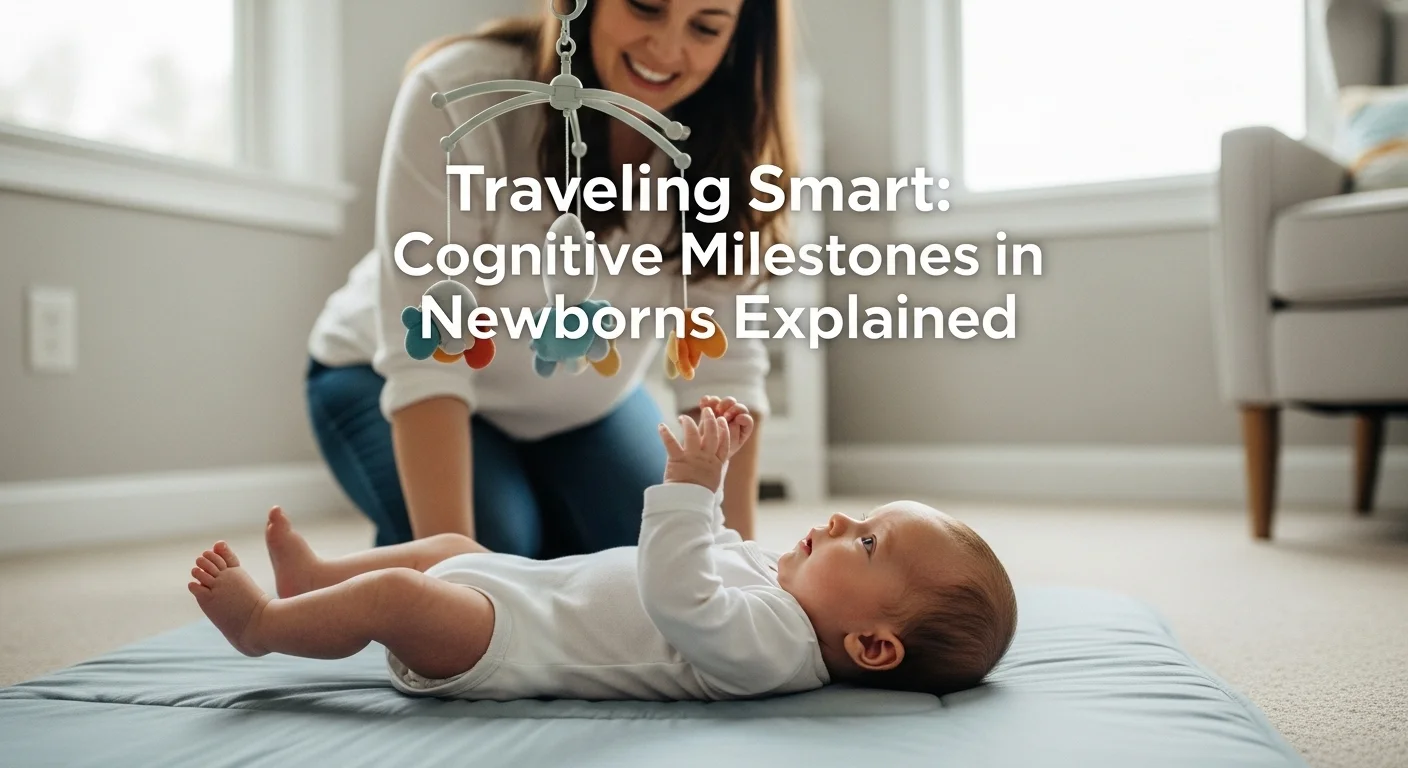
At three months, babies start to visually track objects. They can follow moving items with their eyes, which is a sign of developing cognitive skills. I often dangled toys in front of my little one and watched with delight as they focused on the movement. This practice not only entertains them but also strengthens their ability to focus and pays attention to their surroundings.
Milestone at 4-5 Months: Cause and Effect
Between four to five months, babies begin to understand cause and effect. They might drop a toy just to see what happens or reach for something they find intriguing. I loved watching my baby experiment with their surroundings. It’s fascinating to witness their curiosity unfold, as they learn that their actions can create reactions in the world around them.
Milestone at 6 Months: Object Permanence
By six months, infants start to grasp the concept of object permanence—the understanding that objects continue to exist even when they can’t be seen. I remember playing peek-a-boo with my baby during this stage and noticing how delighted they were when I revealed my face. This milestone is crucial as it helps develop memory and cognitive skills and reassures them that they are not alone.
Milestone at 7-9 Months: Interaction with Toys
As babies reach the 7-9 month mark, they become more interactive with their toys. They might bang, shake, or even throw them. I found this phase particularly fun because it meant more playtime! Providing a variety of toys can encourage exploration and creativity, which are important for cognitive growth at this stage.
Milestone at 10-12 Months: Problem Solving
Finally, by the time they hit 10-12 months, babies start to tackle simple problems. They may try to figure out how to get a toy that is out of reach or imitate actions they see. I was amazed at how my little one would try to solve challenges, and I realized how vital it was to support this curiosity. By creating a safe environment for exploration, we can encourage them to think critically and solve problems as they grow.
Factors Influencing Cognitive Development
As I explored the world of cognitive development in newborns, I quickly realized that various factors significantly influence how our little ones progress. Understanding these factors can help us provide the best environment for their growth. Each factor plays a unique role in shaping how our babies learn and interact with the world around them.
Genetics and Environment
Genetics is an essential piece of the puzzle when it comes to cognitive development. I remember chatting with a friend who’s a developmental psychologist, and she explained how a child’s genetic makeup could set the stage for their cognitive abilities. However, it’s not just about genetics; the environment plays a crucial role too. I noticed that the way I interacted with my baby, the experiences we provided, and even the atmosphere in our home could either enhance or hinder their development. A nurturing environment filled with love, support, and encouragement can make a world of difference. I made it a point to create a stimulating space, filled with engaging toys and opportunities for exploration.
Nutrition and Brain Development
Nutrition is another vital factor in cognitive development. I learned that a baby’s brain is rapidly developing during the first year, and the right nutrients can support that growth. I was particularly mindful of my baby’s diet, making sure they received the necessary vitamins and minerals. For breastfeeding moms like myself, it’s essential to ensure our diets are nutrient-rich, as what we eat directly impacts our milk’s quality. I remember consulting with a pediatrician about introducing solid foods and how important it was to include a variety of healthy options. This not only laid the groundwork for physical health but also cognitive development, as certain nutrients can enhance brain function. Read Interesting article: Understanding Your Newborn’s Key Physical Milestones
Parental Interaction and Stimulation
Perhaps the most impactful factor for me was the level of interaction and stimulation I provided as a parent. I found that engaging with my baby—talking, singing, reading, and even playing simple games—was crucial for their cognitive growth. These interactions create neural connections, which are the building blocks of learning. I made it a habit to spend time on the floor with them, playing and encouraging curiosity. The more I talked to my baby about what we were doing or what they were seeing, the more I noticed their eyes light up with interest. It felt rewarding to see them respond and engage, as if they were soaking in every word and gesture. I truly believe that my involvement shaped their cognitive journey.
Traveling Smart with a Newborn: Tips for Parents
Traveling with a newborn can seem overwhelming, but with some preparation, it can turn into a memorable experience for both you and your baby. I remember my first trip with my little one—it was a mix of excitement and nerves. Here are some tips that I learned along the way to make traveling with a newborn easier.
Preparing for Travel: Essentials for Your Newborn
Preparation is key when traveling with a newborn. I made a checklist of essentials that I couldn’t do without. Diapers, wipes, changing pads, and extra clothes topped my list, but I also included items like pacifiers and favorite toys to help soothe my baby during the journey. I found it helpful to pack a separate bag for the baby’s items so I could easily access what I needed. Additionally, considering the weather and destination helped me decide what clothes to bring, ensuring my baby stayed comfortable throughout our travels.
Choosing Baby-Friendly Destinations
When planning our trip, I was careful to choose destinations that were baby-friendly. I realized that some places are more accommodating than others, with amenities that cater to families. For example, locations with baby gear rental services made things easier, as I didn’t have to lug around a stroller or crib. I also looked for places with easy access to medical facilities, just in case we needed them. This gave me peace of mind and let me focus on enjoying our adventure together.
Travel Safety Considerations for Newborns
Safety was my top priority when traveling with my newborn. I researched the safest way to travel with a baby, whether in a car or on a plane. For car trips, I ensured that the car seat was properly installed and that my baby was secure. On flights, I learned about the best times to travel to minimize discomfort for my baby, especially during takeoff and landing. Bringing along a baby carrier also helped me navigate through busy airports while keeping my little one close and safe. I felt much more at ease knowing I had taken these precautions.
Maintaining Cognitive Stimulation While Traveling
One of my concerns about traveling with a newborn was maintaining cognitive stimulation. I wanted to ensure that my baby continued to learn and grow even while away from home. I packed a few favorite toys and books to keep my little one engaged. I also took every opportunity to talk about our surroundings, pointing out new sights and sounds. Sharing experiences together—like visiting a park or a zoo—turned into wonderful moments of discovery. I loved seeing my baby’s eyes widen with wonder as we explored new places, and it felt like we were both learning together.
Common Questions About Newborn Cognitive Milestones
As I navigated through the journey of my baby’s cognitive development, I found myself asking many questions. I know I’m not alone in this, as many parents also wonder about the milestones their newborns should reach and how to support their growth. It can sometimes feel overwhelming, but I discovered that having answers to common questions can help ease our worries. Here are a few questions that I often had and the insights I gained along the way.
When Should I Be Concerned About Delays?
One of the most pressing questions I had was about developmental delays. I often found myself wondering if my baby was on track with their cognitive milestones. I learned that while every child develops at their own pace, there are general timelines we can refer to. If I noticed significant delays, such as my baby not showing interest in toys by six months or not responding to sounds by four months, it would be a good idea to consult a pediatrician. They can help assess whether further evaluation is needed. It’s tough not to worry, but I found it helpful to remember that each child is unique. I also joined parent groups where we shared our experiences, which added a sense of community and reassurance.
How Can I Encourage Cognitive Development?
Encouraging cognitive development became a priority for me, and I wanted to find effective ways to support my baby. I discovered that simple everyday activities can make a huge difference. Talking to my baby, even when they were too young to respond, was beneficial. I made it a habit to narrate our daily activities or describe the things we saw while we were out and about. I remember how I would point out colors, shapes, and sounds during our walks. These interactions help build their vocabulary and understanding of the world. Additionally, I realized the importance of play. I set aside time each day for play that was both fun and educational—like stacking blocks or playing with soft books. These activities not only entertained my baby but also promoted problem-solving and motor skills.
What Resources Are Available for Parents?
Finding reliable resources became a lifeline for me during this period. I turned to books, online articles, and even parenting websites that focused on child development. I also found that local parenting classes and workshops offered valuable insights and strategies for fostering cognitive growth. Additionally, I discovered that pediatricians and child development specialists often provide helpful guidance. They can recommend age-appropriate toys and activities tailored to my baby’s developmental stage. I attended a few parenting meet-ups that were organized in my community, which allowed me to connect with other parents and share tips and experiences. It felt comforting to know I wasn’t alone in this journey and that support was available when I needed it most.
Enjoying the Journey Together
Reflecting on my experiences, I realized that understanding cognitive milestones and engaging with my baby created a deeper bond between us. Embracing this journey together has been incredibly rewarding. Each milestone reached brought with it a sense of pride and joy. I learned that while the days can be long, the years are short, so I made it a point to cherish these moments. Through travel, play, and exploration, I found that both my baby and I were learning and growing together. I encourage all parents to stay curious about their child’s development and to celebrate every little achievement. It’s all part of this wonderful journey of parenthood.
Final Thoughts
Looking back on my journey through the first year of my baby’s life, I feel a mix of nostalgia and gratitude. It’s incredible to witness how cognitive development unfolds right before our eyes. Each milestone, whether big or small, has brought with it new joys and insights. I learned that it’s not just about checking off milestones but truly enjoying the moments we share along the way. The laughter, the curiosity, and even the little challenges have all contributed to a rich tapestry of experiences that I will cherish forever.
As parents, we have the unique opportunity to nurture and support our child’s growth. I found that even the simplest interactions—like reading a book, singing a lullaby, or playing peek-a-boo—can have profound impacts on their cognitive development. These experiences create lasting memories and help forge a strong bond between us. It’s a reminder that we are shaping not just their intellect but also their emotional well-being. I often remind myself to be patient and present, understanding that every child is different and develops at their own pace.
Traveling with a newborn has also reminded me of the beauty of exploration and discovery. I realized that our adventures together, filled with new sights and sounds, play a crucial role in their cognitive growth. It’s not just about seeing new places but about fostering curiosity and engagement with the world. I found joy in sharing those experiences with my baby, pointing out the wonders around us and watching their eyes light up with excitement. These moments reaffirmed my belief that we are all learners in this journey of life.
Finally, I encourage other parents to embrace the challenges and triumphs of parenting. It can be overwhelming at times, but the support and resources available today make it easier than ever to navigate this beautiful journey. Whether through connecting with other parents, seeking advice from professionals, or simply trusting our instincts, we can help our children thrive. I believe that love, attention, and encouragement are the most powerful tools we have in raising a happy and healthy child. Each step we take together creates a foundation for lifelong learning, and I can’t wait to see what the future holds for my little one.
So, let’s celebrate these cognitive milestones, cherish the moments we share, and continue to nurture our little explorers as they grow. After all, it’s in these early years that the seeds of curiosity and learning are planted, shaping who they will become.
Frequently Asked Questions
What are cognitive milestones in newborns?
Cognitive milestones are specific skills or abilities that most children can achieve by a certain age, such as recognizing faces or solving simple problems. They provide insights into a child’s emerging personality and intellect.
Why is it important to track cognitive milestones?
Tracking cognitive milestones helps parents understand if their child is developing at a typical pace compared to peers. It can also identify delays that may need attention and guide parents in providing activities that promote cognitive growth.
What are some key cognitive milestones in the first year?
Key cognitive milestones in the first year include sensory awareness at 1 month, social smiling at 2 months, visual tracking at 3 months, understanding cause and effect at 4-5 months, grasping object permanence at 6 months, interaction with toys at 7-9 months, and problem-solving at 10-12 months.
How do genetics and environment influence cognitive development?
Genetics sets the stage for cognitive abilities, but the environment plays a crucial role as well. A nurturing atmosphere filled with love and support can enhance a child’s cognitive development.
How does nutrition affect cognitive development in newborns?
Nutrition is vital for cognitive development as a baby’s brain is rapidly developing during the first year. Proper nutrients support brain growth, and breastfeeding mothers should ensure their diets are nutrient-rich for optimal milk quality.
What types of parental interaction are beneficial for cognitive growth?
Engaging with a baby through talking, singing, reading, and playing simple games creates neural connections that are crucial for learning. These interactions help build vocabulary and understanding of the world.
What should parents prepare when traveling with a newborn?
Parents should prepare a checklist of essentials, including diapers, wipes, changing pads, and favorite toys. It’s also important to consider the weather and destination to ensure the baby stays comfortable during travel.
How can parents maintain cognitive stimulation while traveling?
Parents can maintain cognitive stimulation by packing favorite toys and books, talking about their surroundings, and sharing new experiences together to foster curiosity and engagement.
When should parents be concerned about cognitive delays?
Parents should consult a pediatrician if they notice significant delays, such as a lack of interest in toys by six months or not responding to sounds by four months. Each child develops at their own pace, but benchmarks can help identify concerns.
What resources are available for parents to support cognitive development?
Parents can find valuable resources through books, online articles, parenting websites, local classes, workshops, and guidance from pediatricians. Connecting with other parents can also provide support and shared experiences.