
Traveling with toddlers can be a delightful adventure filled with learning opportunities. By exploring new places, we can help enhance our little ones’ language development in fun and engaging ways. Backpacking with Toddlers: Boosting Language Skills Abroad offers insights on how travel can impact language skills.
Understanding the Importance of Language Development in Toddlers
Language development is a crucial part of a toddler’s growth. It’s not just about saying words; it’s about communication, expression, and connection. I remember the excitement I felt when my child started to string words together. It was like unlocking a new level in their development, and I knew that every experience we shared could help nurture this essential skill.
What is Language Development?
Language development refers to the process by which children learn to communicate through spoken, written, and non-verbal means. For toddlers, this involves understanding sounds, words, and the structure of sentences. From babbling to forming complete sentences, this journey is vital as it lays the foundation for future learning and social interaction. In my experience, I found that exposing my child to diverse sounds and languages made a significant difference in their ability to express themselves.
Key Milestones in Toddler Language Development
Every child develops at their own pace, but there are key milestones that many toddlers reach around certain ages. Here’s a rough timeline based on what I’ve observed with my own children and other toddlers I’ve encountered:
- 12-18 months: Many toddlers start saying their first words, like “mama” and “dada.” They often understand simple instructions, like “come here.”
- 18-24 months: Vocabulary expands to around 50 words. They may start combining two words, like “more juice.”
- 2-3 years: Vocabulary can grow to 200-300 words. They begin forming simple sentences and start asking questions.
- 3-4 years: By this age, many children can use longer sentences and have a growing vocabulary of over 1,000 words.
In my case, I noticed that travel experiences, like visiting a zoo or attending a local festival, provided rich opportunities for my child to learn new words and phrases associated with their surroundings. Essential Tips for Language Acquisition in Toddlers on the Go can provide further guidance on how to facilitate this learning.
How Travel Can Impact Language Skills
Traveling is one of the most effective ways to boost a toddler’s language skills. When we venture into new environments, we expose our little ones to different languages, accents, and ways of expression. I remember our trip to a vibrant market in a foreign country. The sights, sounds, and smells were overwhelming in the best way possible. My toddler was captivated by the vendors calling out, children laughing, and the overall buzz of the crowd. It was a perfect setting for language learning.
Travel also provides opportunities for real-life language experiences. Hearing locals speak, seeing signs in different languages, and experiencing cultural storytelling can create lasting impressions. I found that the more we engaged with our surroundings, the more curious my child became about words and meanings. Whether it was learning a few words in Spanish while visiting a museum or trying to mimic the sounds of a local dialect, each moment became a learning opportunity.
Moreover, travel can enhance cognitive skills linked to language development. Navigating new places encourages critical thinking and problem-solving, which can also support language skills. I noticed that my child became more adept at expressing their feelings and needs when faced with the challenges of travel, like asking for help or expressing discomfort. It was fascinating to witness how these experiences enriched our communication.
Incorporating language-rich activities during our travels also contributed to this development. I made it a point to name objects, describe surroundings, and encourage my child to ask questions. These interactions not only made them more curious but also reinforced their understanding and usage of language. I believe that every trip we take is a chance to enhance our toddlers’ language skills, and I aim to make the most of these opportunities whenever we travel.
As you plan your next family adventure, consider how these experiences can benefit your toddler’s language development. With every trip, we plant seeds of curiosity and expression that will grow with them throughout their lives.
Choosing the Right Destinations for Language Exposure
When it comes to enhancing our toddlers’ language skills, the destinations we choose can make a world of difference. I’ve learned that not all places offer the same opportunities for language exposure. Some places are rich in culture, language, and community, making them perfect for little language learners. Here’s what I keep in mind when selecting travel destinations for my family.
Top Family-Friendly Travel Destinations
There are numerous destinations that cater to families while also offering ample opportunities for language development. Here are some of my favorites:
- Spain: With its vibrant culture and welcoming atmosphere, Spain is a fantastic choice. I remember wandering through the colorful streets of Barcelona, where my toddler picked up words like “hola” and “gracias” from friendly locals.
- Mexico: The rich history and diversity of languages in Mexico make it an exciting destination. I found that visiting local markets and interacting with vendors helped my child learn new words in both Spanish and indigenous languages.
- France: Exploring the charming streets of Paris was a wonderful language-learning experience. I loved teaching my child simple French phrases like “s’il vous plaît” and “merci” while we enjoyed pastries at a local café.
- Japan: The unique sounds and characters of the Japanese language provide a stimulating environment. I noticed how my child became fascinated with the signs and sounds of the local culture during our visit to Tokyo.
Each of these places has its own charm and opportunities for language learning, making them ideal for families like ours.
Immersive Language Environments
Finding destinations with immersive language environments is key. I look for places where the local language is actively spoken and celebrated. For instance, during our trip to Italy, we found ourselves in a small town where English was rarely spoken. This was a blessing in disguise! My toddler was naturally encouraged to learn words in Italian as we ordered food, asked for directions, and interacted with the locals. It was amazing to see them absorb the language like a sponge.
In my experience, the best immersive language environments are often found in smaller towns or rural areas. These places tend to be less touristy and offer authentic cultural experiences. I always encourage my child to listen and engage with the people we meet; the more they hear the language in context, the more motivated they become to participate.
Local Cultures and Languages to Explore
Exploring local cultures is another wonderful way to enhance language exposure. I remember visiting a community festival during our trip to Peru, where various indigenous languages were celebrated. The lively music, traditional dances, and storytelling provided an incredible backdrop for my child to hear and learn new words. This experience deepened my appreciation for diverse cultures and languages.
In addition to big cities, I recommend considering destinations that are known for their rich cultural heritage, like indigenous communities in the United States or local festivals in Southeast Asia. These experiences not only introduce toddlers to new languages but also give them a chance to connect with the stories and traditions of different cultures. It’s a beautiful way to foster understanding and empathy from an early age.
As we travel, I make it a point to explain the significance of different customs and traditions to my child. This context helps them grasp the importance of language in communication and cultural identity. I believe that by exploring local cultures, we not only enrich our travel experience but also give our toddlers a broader perspective on the world around them.
Choosing the right destinations can provide countless opportunities for language learning. By immersing ourselves in different environments, we can ignite a love for languages that will stay with our children for a lifetime. In the next section, I’ll share some travel planning strategies that can further enhance language learning while we’re on the road.
Travel Planning Strategies to Enhance Language Learning
Incorporating Language Learning into Your Itinerary
Planning a trip with an eye on language development requires a bit of creativity and intentionality. I’ve found that weaving language learning into our travel itinerary can turn even mundane moments into rich educational experiences. For instance, before our trips, I like to gather a list of common phrases or vocabulary related to our destination. This way, we can start practicing these words as a family, turning our car rides or plane journeys into language lessons.
When we arrive at a destination, I make it a point to highlight specific activities that align with language learning. For example, if we’re visiting a market, I encourage my child to help me identify items in the local language. This not only makes shopping more interactive but also empowers them to use newly acquired words in real-life situations. I also plan cultural excursions, like cooking classes or local art workshops, that naturally encourage conversation and language use. These experiences make learning feel less like a chore and more like an adventure.
Choosing Accommodations that Foster Language Exposure
The places we stay can significantly impact our language learning journey. I’ve noticed that choosing accommodations where the local language is spoken frequently can enhance our experience. For instance, opting for a family-run guesthouse or a bed and breakfast often provides more opportunities to engage with the hosts and learn their language than a large hotel chain might offer.
During one of our stays in a quaint Italian villa, the owner was more than happy to teach my toddler simple Italian phrases during breakfast. This interaction not only made our mornings more delightful but also helped my child practice language in a relaxed setting. I encourage parents to research accommodations that offer language immersion experiences or engage with the local culture. Sometimes, even a simple chat with the staff can spark curiosity and lead to new language learning opportunities.
Researching Local Activities and Events
When planning our travels, I make an effort to research local festivals, events, or workshops that celebrate the local culture. These activities can be fantastic language learning opportunities. I remember attending a cultural fair in Mexico, where my child was exposed to traditional music, dance, and local storytelling. Each experience was filled with new words and phrases that made the language come alive in a way that books never could.
I also look for children’s programs in the area, such as storytime at local libraries or community centers. These activities can provide a fun, immersive environment where toddlers can listen and learn from native speakers. Plus, it gives them a chance to interact with other local children, fostering connections that can further enhance their language skills. I believe that the more we immerse ourselves in the local culture, the richer the language experience becomes for our little ones.
Practical Tips for Engaging Your Toddler During Travel
Interactive Language Games for the Journey
Long journeys can sometimes be challenging, especially with toddlers. I’ve found that incorporating language games into our travel routine can keep my child engaged while also enhancing their language skills. Simple games like “I Spy” using words in the local language can be both fun and educational. For example, while driving through the countryside in France, we played “I Spy” with the French words for animals and objects we saw outside. It turned our travel time into a language exploration adventure!
Another game we enjoy is the “Word Association” game, where we take turns saying a word in the local language and then coming up with related words. This not only builds vocabulary but also nurtures creativity and quick thinking. I’ve noticed that these games help my child stay focused and excited about learning, transforming travel time into a playful experience.
Using Technology: Educational Apps and Tools
In our technology-driven world, there are numerous educational apps that can support language learning while traveling. I often download language apps that introduce vocabulary and phrases through engaging games, songs, and stories. Before our trip, I let my child explore these apps so they can familiarize themselves with the sounds and words of the destination’s language.
During our travels, we sometimes use a translation app to help bridge communication gaps, which not only assists us but also piques my toddler’s interest in learning new words. Seeing how technology can facilitate language learning makes it feel less daunting and more approachable for both of us. I believe that incorporating technology mindfully can enhance our travel experience while also providing valuable language lessons.
Storytelling and Reading Aloud on the Go
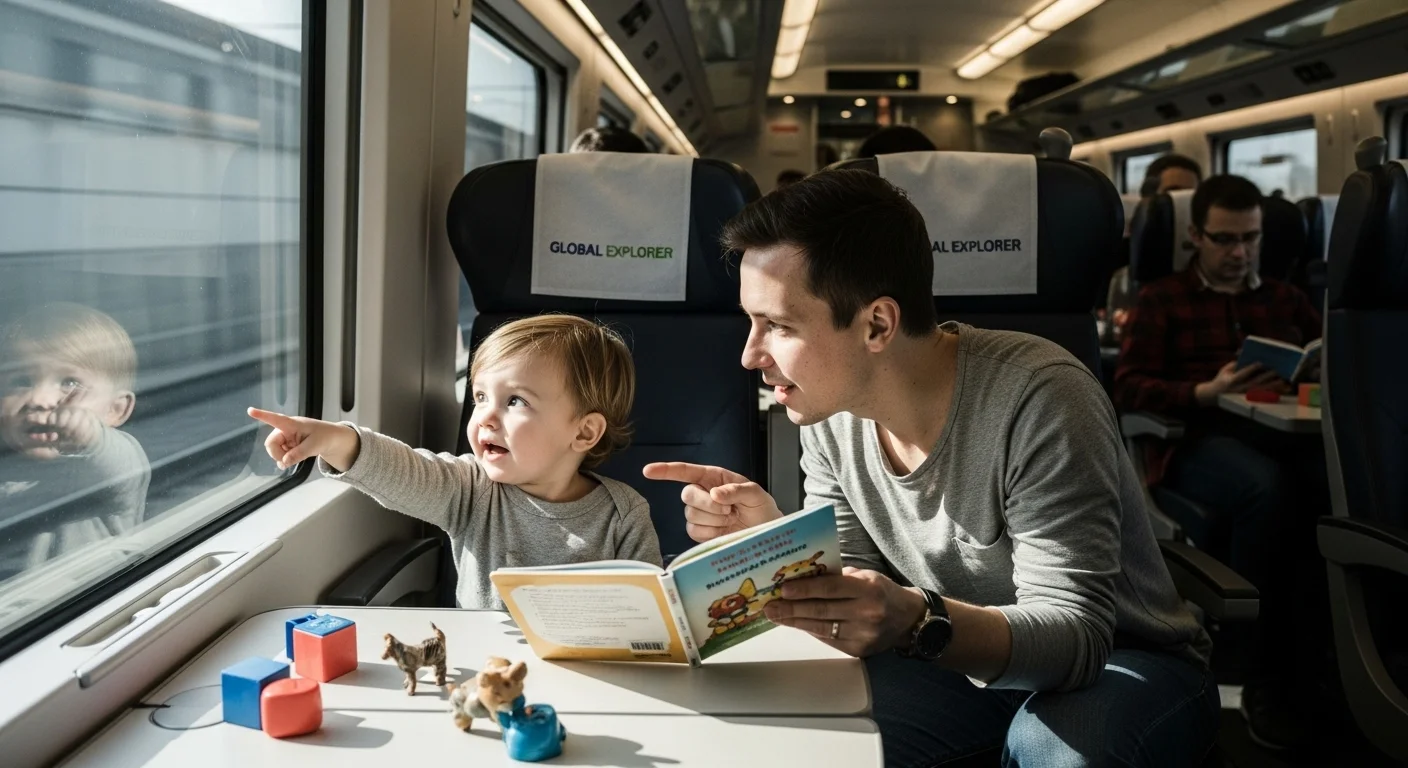
Storytelling has always been a cherished part of our family travels. I make it a point to bring along books that either relate to our destination or are written in the local language. Reading aloud during downtime, whether on a train or in a park, can be a wonderful way to foster language skills. I enjoy watching my child’s eyes light up as they connect with the characters and stories, often prompting questions that lead to deeper discussions about the culture we are experiencing.
Additionally, I encourage my child to create their own stories about our adventures. This not only promotes creativity but also allows them to practice using new vocabulary in context. By incorporating storytelling into our travel routine, I’ve seen my child’s confidence in language grow, making it an essential part of our journey together.
Communicating with Locals: Encouraging Language Use
Simple Phrases to Teach Your Toddler
One of the most rewarding aspects of traveling with toddlers is seeing them use their language skills in real life. I’ve found that teaching my child simple phrases before and during our travels can instill a sense of confidence and excitement. For example, before our trip to Spain, we focused on basic greetings and polite expressions like “por favor” (please) and “gracias” (thank you). When we arrived, I was thrilled to see my toddler use these phrases with locals. It sparked smiles and conversations that made the experience even more enriching for both of us.
In my experience, teaching toddlers a few words in the local language helps them feel more connected to their surroundings. It’s fascinating to watch their faces light up when they realize they can communicate with people in a meaningful way. I often make flashcards with pictures and translations of common phrases, and we practice them together during our travel preparations. This little activity not only boosts their language skills but also creates lasting memories of our adventures.
Engaging with Local Children and Families
Another fantastic way to encourage language use is to engage with local children and families. I remember visiting a park in Mexico where my toddler made friends with some local kids. They played games together, sharing giggles and laughter as they communicated through a mix of gestures and newly learned words. I noticed how this interaction was more effective than any lesson we could have practiced at home.
These moments of connection helped my child learn relevant phrases in a natural, playful way. It’s as if the language flowed effortlessly around the joy of play. I encourage parents to seek out local parks, playgrounds, or community events where children are likely to gather. These environments can be fantastic for language exposure and can nurture empathy and social skills in our little ones.
Participating in Cultural Activities and Workshops
Participating in local cultural activities is another enriching way to immerse toddlers in a new language. During our visit to Japan, we attended a children’s calligraphy workshop, where we learned how to write basic Japanese characters. It was an incredible experience that combined language learning with art. My child not only learned new words but also gained insight into the culture behind the language.
I also recommend looking for cooking classes or craft workshops that are family-friendly. These activities often involve a lot of interaction with locals and provide vocabulary related to food, art, and customs. The key is to find experiences that allow for hands-on participation while naturally incorporating language use. It’s amazing to witness how engaged toddlers become when they are physically involved in the learning process.
Post-Travel Activities to Reinforce Language Skills
Creating a Travel Journal Together
Once we return home, I love creating a travel journal with my child. It’s a wonderful way to reinforce what we learned during our trip. Together, we draw pictures, paste in tickets, and write down new words and phrases we picked up along the way. This not only helps solidify their language acquisition but also allows us to relive our experiences. As we flip through the pages, I often hear my child recount stories about our adventures, which is a beautiful combination of memory and language practice.
Reviewing New Words and Phrases
After our travels, I make it a point to review the new words and phrases regularly. We turn this into a fun game, perhaps by labeling objects in our home with sticky notes in the foreign language. It’s fascinating to see how words can become part of our everyday life, helping to keep the language alive in their minds. I believe this practice helps reinforce what they learned on the trip and makes it easier to recall in the future.
Continuing Language Learning through Media
Lastly, I’ve found that using media like books, songs, and shows in the language we encountered can keep the spirit of learning alive. We love finding children’s books that feature the language we practiced, as well as songs that incorporate local rhythms and vocabulary. It’s exciting to see my child engage with language outside of our travel experiences and continue building a connection with the culture. I often share these resources with other parents, knowing how impactful they can be in keeping the learning journey alive.
Final Thoughts
Traveling with toddlers provides a unique opportunity to enhance their language development in engaging and meaningful ways. From immersive experiences and interactions with locals to post-travel activities that reinforce what they’ve learned, every aspect of the journey contributes to their growth. I’ve seen firsthand how enriching these experiences can be, both for my child and for me as a parent. By being intentional about language exposure while traveling, we can help our little ones develop a love for languages that lasts a lifetime. So, as you plan your next adventure, remember that each trip is not just a getaway but a valuable chance to shape your toddler’s communication skills and cultural understanding. Read Interesting article: Guide to Baby’s Social Development While Traveling
Frequently Asked Questions
1. How does traveling with toddlers enhance their language development?
Traveling exposes toddlers to different languages, accents, and cultural expressions, providing rich opportunities for language learning. Engaging with new environments and local customs makes language acquisition more interactive and meaningful.
2. What are the key milestones in toddler language development?
Key milestones include: 12-18 months (first words and understanding simple instructions), 18-24 months (vocabulary of around 50 words and combining two words), 2-3 years (200-300 words, forming simple sentences), and 3-4 years (using longer sentences and a vocabulary of over 1,000 words).
3. What types of destinations are best for language exposure for toddlers?
Destinations rich in culture and community, such as Spain, Mexico, France, and Japan, are excellent choices. These places offer immersive environments where toddlers can hear and practice the local language.
4. How can parents incorporate language learning into their travel itinerary?
Parents can incorporate language learning by practicing common phrases related to their destination before the trip and highlighting specific activities that encourage language use, such as visiting markets or participating in local cultural excursions.
5. What accommodations are recommended for fostering language exposure?
Choosing family-run guesthouses or bed and breakfasts where the local language is spoken frequently can enhance language learning experiences, as these settings often provide more opportunities for interaction with hosts and locals.
6. What interactive games can parents play with toddlers during travel to enhance language skills?
Games like “I Spy” using local language words or the “Word Association” game can keep toddlers engaged while enhancing their vocabulary and language skills during travel.
7. How can technology support language learning while traveling?
Parents can use educational apps that introduce vocabulary and phrases through engaging activities. Translation apps can also help bridge communication gaps and pique toddlers’ interest in learning new words.
8. What activities can reinforce language skills after returning from travel?
Creating a travel journal, reviewing new words and phrases regularly, and using media like books and songs in the language encountered can help reinforce language skills after travel.
9. How can parents encourage toddlers to use their language skills while interacting with locals?
Teaching simple phrases before and during travel can instill confidence in toddlers. Engaging with local children and families during travel can also provide natural opportunities for language use.
10. Why is it important to explain cultural customs to toddlers during travel?
Explaining the significance of different customs helps toddlers grasp the importance of language in communication and cultural identity, fostering a broader perspective on the world around them.