
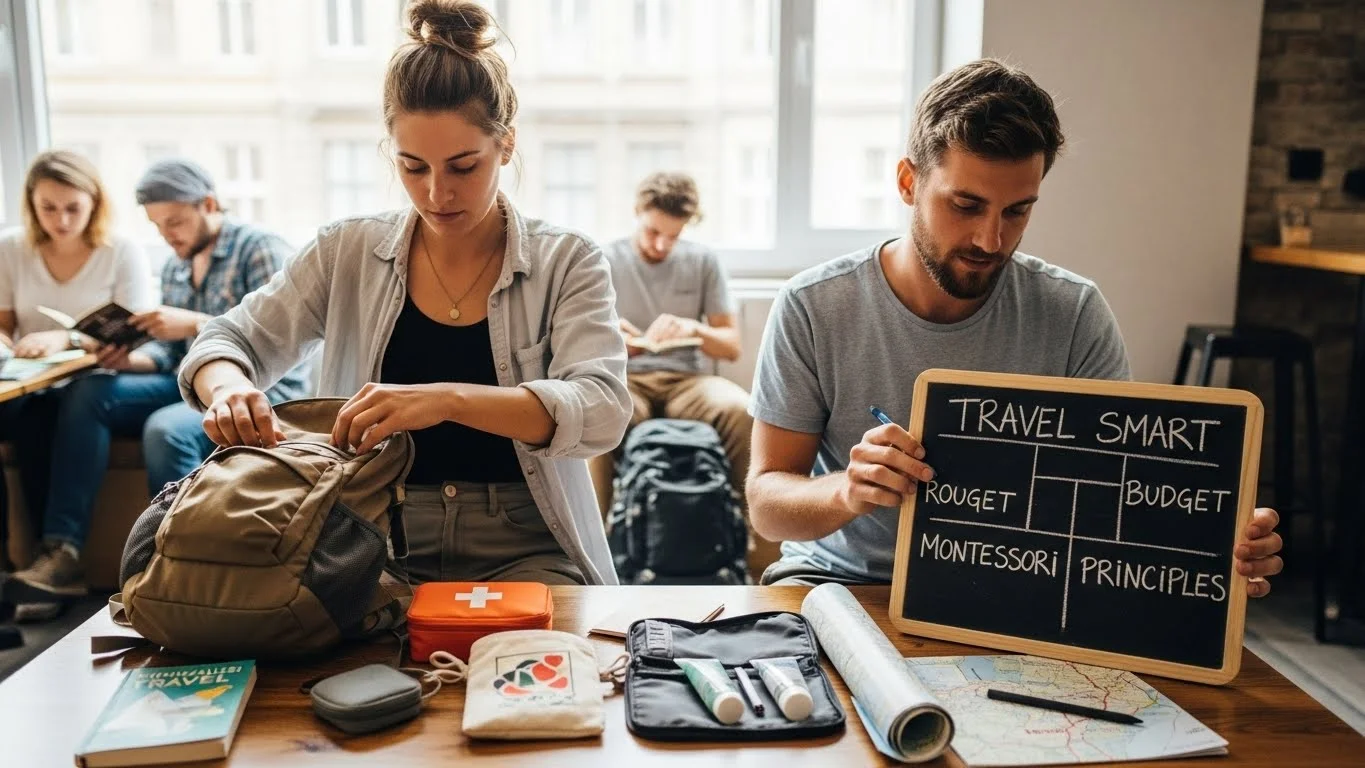
Traveling on a budget can be a thrilling adventure, especially when infused with Montessori principles. Let’s explore how these educational concepts can enhance our backpacking experiences while keeping costs low! Read Interesting article: Affordable Montessori Travel: Budget Backpacking Tips
Understanding Montessori Principles in Travel
What are Montessori Principles?
Montessori principles are rooted in a child-centered educational philosophy developed by Dr. Maria Montessori. At its core, this approach emphasizes independence, exploration, and a hands-on learning experience. I remember first learning about these principles and how they focus on nurturing a love for learning. The idea is to allow individuals—especially children—to learn at their own pace, through engaging activities, and by following their natural curiosity. For me, this perspective reshaped how I view education and personal growth.
How Montessori Principles Apply to Travel
When I started applying Montessori principles to my travels, it became more than just a vacation; it transformed into an enriching experience. The essence of travel aligns perfectly with the idea of exploration and independence. As budget backpackers, we often have limited resources, but that doesn’t mean we can’t enjoy a rich, fulfilling journey. By embracing these principles, we can foster a deeper connection to the places we visit and the people we meet.
For instance, I found that allowing myself to wander and explore without strict itineraries led to some of my most memorable experiences. This freedom mirrors the Montessori method, where learning is driven by curiosity rather than rigid agendas. I believe that the more we engage with our surroundings, the more we grow. This approach not only makes traveling smarter but also allows us to connect more deeply with the world around us. Explore Montessori Method: Backpacking with Kids on a Budget
Preparing for Your Budget Backpacking Adventure
Setting a Realistic Budget
One of the first steps I take when planning a trip is to set a realistic budget. It’s easy to get carried away with all the possibilities, but I’ve learned that having a clear budget keeps me grounded. I usually start by listing all potential expenses, including accommodations, transportation, food, and activities. I allocate a specific amount for each category, which helps me decide where I can splurge and where I need to save.
For example, during my last trip, I budgeted a bit more for local experiences—like cooking classes and guided tours—while opting for budget hostels. This balance made my journey rich and fulfilling without breaking the bank. I recommend using budgeting apps to track your expenses in real-time, which can help you stay on course as you travel.
Choosing Your Destination
Choosing the right destination can make or break a budget backpacking trip. I often look for places that offer stunning landscapes, rich culture, and affordability. Countries in Southeast Asia, for example, have been some of my favorite destinations because they provide incredible experiences at a fraction of the cost compared to Western countries. I always consider the season as well; traveling during the off-peak times not only saves money but also allows for a more authentic experience with fewer tourists around.
When selecting destinations, I think about what I want to learn and experience. For me, immersing myself in a new culture is essential, so I prioritize places with unique traditions and activities. Researching local customs and festivals can also enhance your trip, allowing you to engage with the culture more meaningfully.
Researching Accommodations
Finding budget-friendly accommodations can be quite the adventure! I’ve stayed in everything from hostels to guesthouses, and even tried Couchsurfing to save money. Each option offers its own unique experience. I remember my first hostel stay, where I met travelers from all over the world. The shared kitchen became our social hub, and we shared meals and stories, creating connections that enriched our travels.
I recommend looking for hostels or guesthouses that offer kitchen facilities. Not only do you save money by cooking your own meals, but it also allows for a more communal atmosphere. Websites like Hostelworld or Airbnb can help you find great deals, and I always read reviews to get a feel for the place before booking.
Packing Smart: Essentials for Backpackers
Packing can be daunting, but I’ve learned that packing light is key to a successful backpacking trip. I usually start by making a list of essentials, focusing on versatile clothing items that can mix and match. Layers are my best friend; they allow me to adapt to varying temperatures without overpacking. I remember my first backpacking trip where I overpacked and ended up carrying a heavy load. It was exhausting!
Besides clothing, I focus on packing multi-use items. A sarong, for example, can be a beach cover-up, a blanket, or even a towel. I also prioritize lightweight and compact gear, like a travel-sized toiletries kit and a portable charger. And, of course, I never forget to include my journal; documenting my travels has become a cherished ritual.
Traveling Mindfully: Embracing the Montessori Approach
Connecting with Local Cultures
One of the most rewarding aspects of travel, for me, is getting to connect with local cultures. I’ve always believed that immersing ourselves in the customs and traditions of a place enhances our understanding and appreciation of it. In my experience, this connection often begins with simple interactions. I make it a point to learn a few phrases in the local language. Even just saying “hello” or “thank you” in the native tongue has opened doors for me. I remember a time in Thailand when my attempt to greet a vendor in Thai led to a warm conversation and a delicious meal recommendation that I likely would have missed otherwise.
Participating in cultural activities is another way I immerse myself. Whether it’s joining a traditional dance class or attending a local festival, these experiences provide a deeper look into the heart of a community. I once stumbled upon a village celebration in Peru, which was vibrant with music, food, and laughter. I felt truly welcomed and cherished these moments that allowed me to see beyond the typical tourist path.
Engaging in Hands-On Learning Experiences
Hands-on learning experiences can transform a trip from sightseeing to truly understanding a place. I’ve found that engaging in activities like cooking classes, craft workshops, or even agricultural experiences allows me to learn skills while also appreciating the local way of life. For example, in Italy, I took a pasta-making class with a local chef. Not only did I learn how to make fresh pasta, but I also understood the importance of family and communal cooking in Italian culture. It was a delightful way to connect with local traditions while adding a fun skill to my repertoire.
Moreover, volunteering during my travels has been an incredible way to engage with local communities. I participated in a program in Costa Rica where I helped with reforestation efforts. This experience not only provided me with insights into the local environment but also fostered meaningful connections with locals who were passionate about preserving their natural heritage. It made me appreciate my surroundings in a whole new light.
Encouraging Independence and Exploration
Embracing independence is a true Montessori principle that I’ve found to be incredibly liberating when traveling. I encourage myself to explore at my own pace, which often leads to spontaneous adventures. I remember one day in Barcelona when I decided to ditch my map and simply wander the streets. This led me to stumble upon a hidden art gallery and a quaint café where I met a local artist. That day reminded me that sometimes the best experiences come from letting go of the plan and just following my instincts.
Encouraging independence also means allowing myself to make mistakes and learn from them. On my travels, I’ve missed trains, gotten lost, and faced language barriers. Each of these moments, though sometimes frustrating, has taught me resilience and adaptability. I believe that the more we put ourselves in situations where we have to navigate challenges, the more we grow as individuals. It’s this blend of independence and exploration that can make traveling not just a pastime but a profound journey of self-discovery.
Budget-Friendly Travel Tips
Finding Affordable Transportation
Transportation often takes a big chunk of our travel budget, but I’ve found some clever ways to keep those costs down. Using public transportation is one of my favorite strategies. Buses or trains not only save money but also offer a more authentic experience of the local life. During my travels in Japan, I bought a rail pass that allowed unlimited travel on their train network for a week. This was a game changer! I could hop from city to city without worrying about individual ticket prices, all while getting to see the stunning countryside.
I also love to explore options like rideshares or carpooling, which can be much cheaper than traditional taxis. Apps like BlaBlaCar have helped me connect with other travelers heading in the same direction, making transportation both affordable and social. It’s a great way to meet new people while journeying from one place to another!
Dining on a Budget: Local Markets and Street Food
Food is one of my favorite parts of travel, but it can quickly add up. I’ve discovered that local markets and street food are not only budget-friendly but also offer some of the most authentic culinary experiences. I remember wandering through a night market in Vietnam, where I was able to sample a variety of dishes for just a few dollars. Each bite was an adventure, bursting with flavors that showcased the region’s culture.
Eating where the locals eat is also a great way to save money. I’ve learned to avoid tourist traps and seek out smaller eateries or food stalls. These places often serve homemade meals and give a genuine taste of the local cuisine. Plus, I often find that these meals come with a side of friendly conversation, making the experience even more enjoyable.
Free and Low-Cost Attractions
While it’s tempting to splurge on attractions, I’ve found that many destinations offer incredible free or low-cost options that are just as fulfilling. Parks, historical sites, and local festivals often have little to no admission fees. I love discovering walking tours, which are usually donation-based, allowing me to learn about the history and culture of a place without a hefty price tag. In Prague, I joined a free walking tour that led me through the city’s stunning architecture, all while connecting with fellow travelers.
Another tip is to research free museum days or events happening during my stay. Many cities offer special days where entry fees are waived. I’ve enjoyed some of the world’s best art and history without spending a dime, which feels incredibly rewarding!
Utilizing Public Resources: Libraries, Parks, and Museums
When I’m on the road, I’ve found that public resources can be a treasure trove for budget travelers. Local libraries are not just for books; they often have free Wi-Fi, comfortable seating, and community events. I’ve spent cozy afternoons in libraries researching my next destination or catching up on journaling.
Parks are another wonderful resource. They provide a space to relax, have a picnic, or even meet locals. I remember spending a sunny day in Central Park, people-watching and soaking in the atmosphere, all for free. Additionally, many cities have free or low-cost museums and cultural institutions, which I always make a point to visit. These places often offer unique perspectives on the local culture and history while being easy on the wallet.
Building Relationships While Traveling
Meeting Other Backpackers and Travelers
One of the best parts of traveling, in my experience, is meeting other like-minded backpackers and travelers. I remember arriving at a bustling hostel in Lisbon, feeling a mix of excitement and nervousness. I quickly found myself in a common area, where fellow travelers were sharing stories and tips about their adventures. It was amazing how quickly connections formed over shared experiences, all of us navigating the same challenges and joys of travel. I’ve made some lifelong friends this way, all because I took a moment to engage with others.
Hostels are excellent for meeting people, but I’ve also had great encounters in local cafes or on public transportation. Sometimes, just striking up a conversation with someone sitting next to me can lead to unexpected friendships or new plans for exploration. I encourage you to be open and approachable. A simple smile or greeting can go a long way in breaking the ice and opening doors to new relationships.
Volunteering Opportunities
Volunteering during my travels has enriched my experiences beyond measure. Not only does it offer a chance to give back, but it also opens up opportunities to meet locals and fellow volunteers who share a passion for service. I participated in a community project in South Africa where we worked on building sustainable gardens in schools. This experience was profoundly fulfilling; I learned about the community’s needs and met people who were incredibly dedicated to making a difference.
Volunteering can also be a cost-effective way to travel. Many organizations provide food and accommodation in exchange for your help. I found this especially rewarding when I volunteered at an animal sanctuary in Thailand. Aside from caring for the animals, I formed bonds with both the local staff and other international volunteers, sharing stories and experiences that deepened my understanding of the culture.
Networking with Locals for Authentic Experiences
Building relationships with locals has been a game changer for my travels. I once stayed with a family in a small village in Italy, where I had the chance to experience life as they did. They invited me to join them for dinner, and I found myself immersed in their traditions, cuisine, and stories. This kind of authentic experience is something I cherish deeply. I learned more about their way of life in a single evening than I could have from a guidebook.
To connect with locals, I recommend looking into community events, festivals, or workshops. These gatherings are a great way to engage with the culture and meet people who are passionate about sharing their heritage. I remember attending a local pottery workshop in Mexico where the instructor not only taught us the art of pottery but also shared stories of the town’s history and significance. This connection to the culture made my experience much richer and memorable.
Safety and Wellbeing on a Budget
Staying Safe While Traveling
Safety is always a top priority when I travel, especially on a budget. I’ve learned to stay aware of my surroundings and trust my instincts. For instance, I make it a habit to research the areas I’m visiting, learning about any safety concerns or local customs that might affect my experience. I remember walking through a vibrant market in Marrakech and feeling a bit overwhelmed by the crowd. Staying alert and aware of my belongings helped me navigate the bustling atmosphere without incident.
I also recommend keeping copies of important documents like your passport and travel insurance in a separate place from the originals. This precaution has saved me from potential headaches during my travels. Additionally, using a money belt or a secure bag can deter pickpockets, especially in crowded areas.
Health Considerations: Staying Healthy on a Budget
Staying healthy while traveling is crucial, and I’ve found that a little planning goes a long way. I always carry a reusable water bottle to stay hydrated, especially in warmer climates. In many places, you can refill your bottle for free, which saves money and helps the environment. I also make it a point to try local fruits and vegetables, which not only tastes amazing but also keeps my diet balanced. I remember indulging in fresh mangoes in Thailand, which were not only delicious but also refreshing.
Another tip is to incorporate physical activity into your travels. Walking or biking around a city not only saves money on transportation but also keeps me active. I’ve explored countless towns by simply strolling through streets or renting a bike, which allows for spontaneous discoveries along the way.
Travel Insurance: Is It Worth It?
Travel insurance is something I’ve debated before each trip. I used to think it was an unnecessary expense, but after experiencing a few unexpected situations, like a bout of food poisoning in a foreign country, I’ve changed my tune. Having travel insurance provided me with peace of mind and financial protection that proved invaluable. I could focus on recovering rather than worrying about medical expenses or canceled flights.
I recommend researching different insurance options to find a plan that suits your travel style and budget. It’s worth considering coverage for medical emergencies, trip cancellations, and lost belongings. In my experience, the small investment in insurance can save you from significant stress and financial strain if something goes wrong on your journey.
Frequently Asked Questions
What are Montessori principles?
Montessori principles are rooted in a child-centered educational philosophy developed by Dr. Maria Montessori, emphasizing independence, exploration, and hands-on learning experiences.
How can Montessori principles enhance travel experiences?
Applying Montessori principles to travel transforms it into an enriching experience, focusing on exploration and independence rather than rigid itineraries, fostering deeper connections with places and people.
What is a key step when preparing for a budget backpacking adventure?
Setting a realistic budget is essential. It involves listing potential expenses for accommodations, transportation, food, and activities to allocate funds wisely and decide where to splurge or save.
How can I choose the right destination for budget travel?
Look for destinations with stunning landscapes, rich culture, and affordability. Consider traveling during off-peak times to save money and enhance your experience with fewer tourists.
What are some tips for finding budget-friendly accommodations?
Consider staying in hostels or guesthouses that offer kitchen facilities, allowing you to cook your own meals and save money. Use websites like Hostelworld or Airbnb to find deals and read reviews before booking.
What packing tips should backpackers follow?
Pack light by focusing on versatile clothing, layers, and multi-use items. Prioritize lightweight gear and remember essentials like a journal to document your travels.
How can travelers connect with local cultures?
Immerse yourself in local customs by learning a few phrases in the local language and participating in cultural activities, such as traditional dance classes or local festivals.
What are some budget-friendly dining options while traveling?
Local markets and street food are great for authentic culinary experiences at low prices. Eating where locals eat often leads to delicious homemade meals and friendly conversations.
How can travelers find free or low-cost attractions?
Many destinations offer free or low-cost attractions such as parks, historical sites, and local festivals. Research free museum days or donation-based walking tours to enhance your experience without spending much.
What safety considerations should budget travelers keep in mind?
Stay aware of your surroundings and trust your instincts. Research local safety concerns, keep copies of important documents separate from originals, and use secure bags to deter pickpockets.