
Traveling with a newborn can feel overwhelming, but it doesn’t have to be. When it comes to formula feeding, I’ve discovered ways to make the journey smoother and more enjoyable for both of us. For more insights, check out Essential Formula Feeding Guidelines for Newborns on the Go.
Understanding Formula Feeding Basics
What is Formula Feeding?
Formula feeding is a method of providing nutrition to a baby using commercially prepared infant formula instead of breast milk. For many parents, including myself, it’s a practical choice that allows for flexibility and can be a reliable way to ensure our little ones are getting the nourishment they need. I remember when my baby was just a few weeks old, I felt a sense of freedom knowing that I could prepare a bottle and hand it off to someone else, allowing me to take a much-needed break.
Types of Baby Formula
There are several types of baby formula available, and understanding these options can help you make the best choice for your newborn. The main categories include:
- Powdered Formula: This is the most cost-effective option. It requires mixing with water and is shelf-stable until opened. I found it convenient for home use and travel, as I could easily pack it in a diaper bag.
- Concentrated Liquid Formula: This type comes in cans and needs to be mixed with equal parts water. I liked the concentrated formula for its convenience; I could prepare a bottle quickly without worrying about measuring out powder.
- Ready-to-Use Formula: This is the most convenient option, as it doesn’t require any mixing. While I appreciated the ease of use, especially during travel, it can be more expensive. However, it saved me time and effort when we were out and about.
Choosing the Right Formula for Your Newborn
Choosing the right formula can feel daunting. I remember standing in the baby aisle, feeling overwhelmed by the options. The best approach is to consider your baby’s specific needs. Some babies may have sensitivities or allergies, which may require a specialized formula. My pediatrician was instrumental in guiding me through this process. I’d recommend speaking to your healthcare provider to find the best fit for your little one. Additionally, trying different types can help you figure out what works best. I learned that my baby preferred a certain brand after a few trial runs, which made feeding during travel much easier. For more tips, read Budget-Friendly Formula Feeding Tips for Traveling Parents.
Preparing for Travel with a Newborn
Essential Packing List for Formula Feeding
When it comes to traveling with a newborn and formula feeding, packing wisely is key. Here’s the list I always relied on:
- Formula: Depending on our travel duration, I packed enough formula for the whole trip, plus a little extra just in case.
- Bottles: I packed several bottles, ensuring I had enough clean ones ready to go. A mix of different sizes was helpful.
- Bottle Brush: Cleaning bottles on the go was easier with a portable bottle brush. I never wanted to risk any leftover residue.
- Insulated Cooler: For longer trips, I used an insulated cooler to keep pre-prepared bottles or formula cool.
- Water Supply: I always carried bottled water and made sure it was safe for mixing with formula.
- Travel Changing Pad: This was essential for diaper changes, especially when we were out and about.
- Wipes and Cloths: I packed plenty of wipes for cleaning up spills and messes quickly.
Traveling by Car vs. Airplane: What to Consider
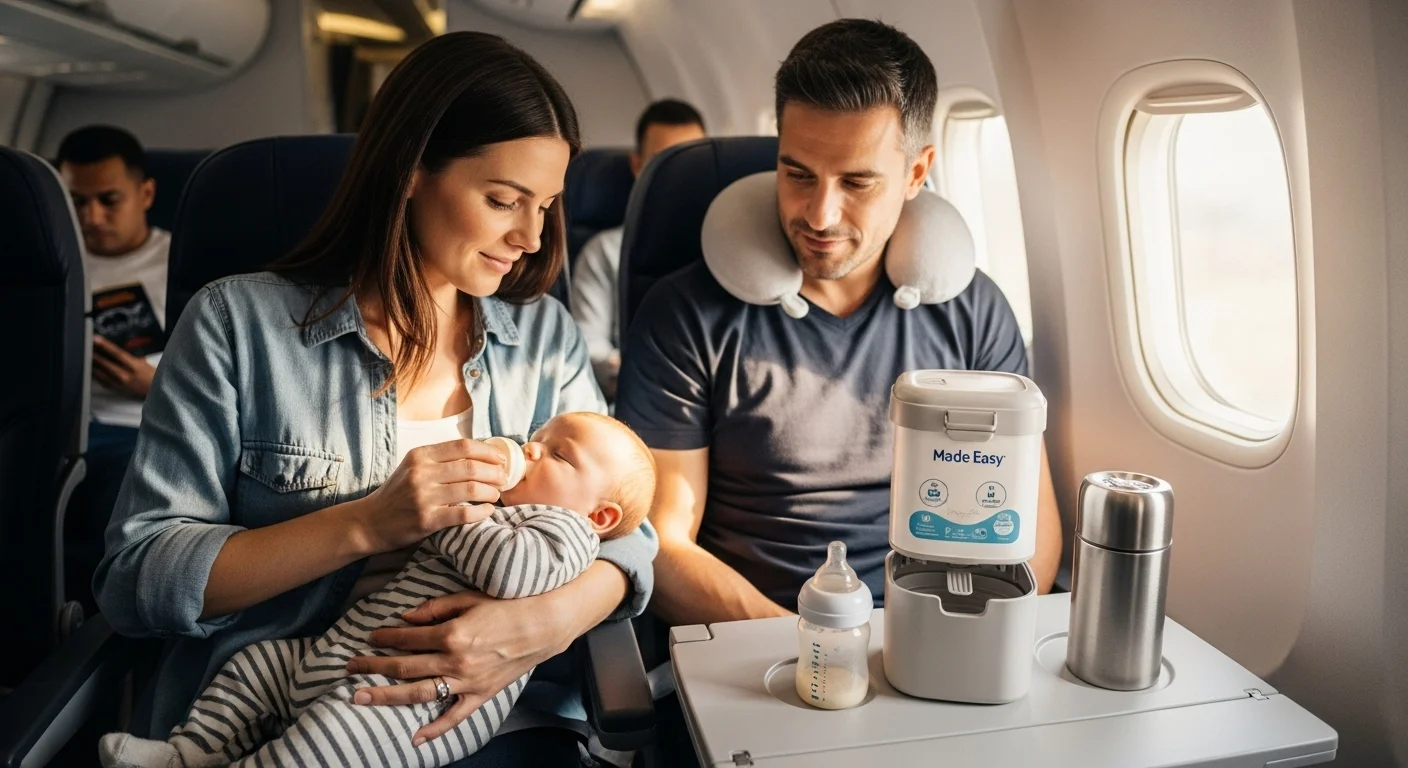
Traveling by car with a newborn is generally more straightforward. I could easily pull over for feedings and diaper changes, which made things flexible. Air travel, on the other hand, requires more planning. I learned that airports usually have family-friendly facilities, but it’s smart to arrive early to give yourself time. Also, most airlines are accommodating; they often allow you to bring formula and baby food onboard. Just be prepared for security checks—I recommend having your formula in easy-to-reach containers.
Timing Your Travel Around Feeding Schedules
One of the best pieces of advice I can share is to align your travel plans with your baby’s feeding schedule. I found that traveling during nap times allowed my baby to be calm, making the journey smoother. If we had to travel during feeding times, I made sure to have everything prepared in advance so I could focus on keeping my baby comfortable and fed.
Feeding on the Go: Tips and Tricks
Preparing Formula Before Leaving Home
When I first started traveling with my newborn, I realized the importance of preparation. Before we left home, I would prepare bottles of formula in advance. This saved me a lot of time and hassle, especially when we were on the road or in a busy airport. I found that having a few pre-made bottles in an insulated cooler allowed me to be ready for feedings without scrambling to mix formula on the spot. It’s a great way to ensure that the formula is at the right temperature and ready when my baby needed it.
Using Formula Dispensers
I can’t emphasize enough how helpful formula dispensers are. These small containers can hold pre-measured portions of powdered formula, making it easy to mix a bottle when you’re out and about. I remember discovering these little gems during one of my first trips, and they quickly became my go-to travel accessory. Just scoop the formula into the bottle with the right amount of water, and you’re good to go! It minimizes mess and makes feeding on the go much more manageable.
Warm Water Access While Traveling
One challenge I faced while traveling was getting warm water for my baby’s formula. I learned that many restaurants, coffee shops, and even some convenience stores are more than willing to help. I’d simply ask for a cup of hot water, and they would often oblige. If you’re on a long road trip, packing a thermos with hot water can keep things simple. It’s all about being resourceful and knowing where to ask for the help you need.
Travel-Friendly Bottles and Accessories
Finding the right bottles made a world of difference for me. I discovered that travel-friendly bottles, which are designed to minimize leaks and spills, are a must-have. Some bottles come with collapsible features or special seals, which I found very useful in my diaper bag. Additionally, I invested in some bottle warmers that can be plugged into a car outlet. This way, even if we were on a long drive, I could ensure my baby’s formula was at the perfect temperature. These little conveniences made feeding during travel feel less stressful.
Feeding Locations and Options While Traveling
Finding Baby-Friendly Restaurants
Whenever we traveled, one of my priorities was locating baby-friendly restaurants. I found it helpful to check online reviews or ask fellow parents for recommendations. Many places are equipped with high chairs and changing stations, which can make feeding so much easier. I remember one trip where we found a cozy café that not only had a baby-changing area but also offered to warm up my baby’s bottle. It was such a relief to have a supportive environment while we enjoyed our meal!
Using Public Facilities: Nursing Rooms and Changing Stations
Taking advantage of public facilities is something I learned to appreciate. Many malls, airports, and even parks have dedicated nursing rooms and baby-changing stations. I remember my first experience using a nursing room at an airport; it was such a quiet and comfortable space to feed my baby. I always recommend taking a moment to locate these facilities as they can provide a much-needed break for both parent and baby.
Traveling with Formula: Airport and Train Station Tips
Traveling through airports and train stations can be daunting, but I discovered a few tips that made it manageable. First, I made sure to check the TSA guidelines for bringing formula and baby food. They allow you to carry larger quantities than typical liquids, which I found reassuring. I also learned to arrive early to navigate security checks without feeling rushed. Once I was through security, I’d look for family-friendly areas where I could comfortably feed my baby before our flight or train ride. Having a plan in place helped ease a lot of my travel anxiety.
Managing Travel Challenges
Dealing with Unforeseen Delays
Unforeseen delays are a part of traveling, and I had to learn how to handle them with a newborn in tow. I remember one trip where our flight was delayed for hours. I had to think on my feet, and thankfully, I was prepared with extra formula and snacks. I found it helpful to have toys and activities on hand to keep my baby entertained while we waited. Staying calm and flexible was key; I learned to embrace the unexpected and make the best of any situation.
Handling Formula Storage and Spoilage
One concern I had while traveling was keeping the formula safe from spoilage. I always made sure to keep it stored in a cool, dry place. When we were on the road, I utilized my insulated cooler to maintain the right temperature for pre-made bottles. If we were away from home for longer periods, I’d periodically check the formula for signs of spoilage, keeping an eye on expiration dates. Being vigilant about storage helped me feel more secure about my baby’s nutrition on our travels.
Emergency Feeding Solutions
Even with the best planning, sometimes things go awry. I had a situation where I ran out of formula during a road trip. Thankfully, I had packed some emergency feeding options, like ready-to-use formula bottles. I’ve learned that keeping a small stash of these in my bag can save the day. If you ever find yourself in a pinch, local grocery stores often stock baby formula—just remember to check the labels to ensure it’s appropriate for your little one.
Health and Safety Considerations
Keeping Your Newborn Safe During Travel
When I first started traveling with my newborn, safety was always at the forefront of my mind. I remember feeling a mix of excitement and anxiety as we prepared for our first trip together. One of the main things I focused on was ensuring that my baby was secure during travel. If we were traveling by car, I made sure the car seat was properly installed and that my baby was snugly strapped in. I also checked to make sure the car seat was appropriate for my baby’s age and weight. For air travel, I learned that some airlines allow you to use an FAA-approved car seat on the plane, which gave me peace of mind.
While we were out and about, I took extra precautions like using a lightweight stroller with a safety harness and avoiding crowded areas whenever possible. I’ve found that it’s essential to keep an eye on my baby at all times, especially in public spaces. If you’re traveling with a partner or another adult, I recommend coordinating who will be responsible for keeping watch while the other handles the bags or logistics. This teamwork made our travels smoother and helped ease my worries.
Travel Vaccinations and Health Checkups
Before any trip, I always made sure to check in with our pediatrician. During our visit, I asked about necessary vaccinations, especially if we were traveling to a different country or a place with specific health considerations. I remember one trip where my pediatrician recommended a few vaccinations to ensure my baby was protected against common illnesses. I believe that staying informed about health risks and ensuring my baby is up-to-date on vaccinations is crucial for safe travel.
In addition to vaccinations, I also packed a small health kit containing items like a digital thermometer, infant pain reliever, and any medications my baby might need. This way, I felt prepared to handle minor health issues that could arise while we were away from home. It’s comforting to know that, should an unexpected situation arise, I have the essentials on hand.
Recognizing Signs of Discomfort or Illness
Traveling can be exhausting for a newborn, and I quickly learned to recognize the signs of discomfort or illness. I remember one instance where my baby seemed more fussy than usual during a long car ride. After some observation, I realized he was getting too warm in his car seat. We pulled over, adjusted his clothing, and gave him some time to cool down. That experience taught me to pay close attention to my baby’s cues. Whether it’s fussiness, changes in feeding patterns, or unusual sleepiness, I always try to trust my instincts and take action when something feels off.
Another aspect I found helpful was keeping a routine as much as possible. While traveling inevitably disrupts schedules, maintaining a consistent feeding and sleeping routine helped my baby feel more settled. I would also look for familiar items, like his favorite blanket or toy, to provide comfort during unfamiliar settings. I think being adaptable while still providing that sense of normalcy for my little one made a big difference in his overall comfort during our travels.
Resources and Support for Traveling Parents
Online Communities and Forums
One of the best things I discovered while preparing for travel with my newborn was the wealth of information available through online communities. Facebook groups, parenting forums, and even subreddits dedicated to parenting were incredible sources of support and advice. I remember posting my questions about traveling with a formula-fed baby and receiving a flood of helpful tips from other parents who had been in similar situations. It felt comforting to connect with others, share experiences, and learn from their journeys.
These communities often have members who share their travel itineraries, packing lists, and even personal stories about challenges they faced. If you’re feeling unsure or overwhelmed, I highly recommend seeking out these resources. They can help you feel less isolated and provide reassurance that you’re not alone in your concerns.
Traveling Parent Blogs and Websites
In my quest for information, I also came across various blogs and websites dedicated to traveling with children. I found them to be an invaluable resource for tips and inspiration. Some of my favorites included personal accounts of traveling families, packing guides, and recommended travel gear for babies. I remember reading one blog that detailed how a family managed a long road trip with their toddler, and their insights on breaks, snacks, and entertainment ideas were perfect for adapting to my situation with a newborn.
These blogs often have firsthand experiences, which I found particularly helpful. I appreciated the honesty that came with sharing the ups and downs of traveling with little ones. It reminded me that challenges are a part of the journey, and learning from others can make our adventures smoother.
Consulting Pediatricians Before Travel
Before any trip, I made it a point to consult our pediatrician. This step was crucial for ensuring my baby’s health and safety while traveling. I would discuss our travel plans and ask about any specific concerns or recommendations. For instance, I learned about safe practices for feeding during travel, tips for managing potential health issues, and what to look out for in case my baby showed signs of discomfort.
This relationship with our pediatrician provided me with confidence and peace of mind. I felt reassured knowing that I had professional advice to fall back on, especially when traveling to new places. I encourage any parent to establish a good rapport with their healthcare provider, as they can offer personalized guidance that fits your baby’s unique needs.
Frequently Asked Questions
What is formula feeding?
Formula feeding is a method of providing nutrition to a baby using commercially prepared infant formula instead of breast milk. It allows for flexibility and can be a reliable way to ensure babies are getting the nourishment they need.
What are the different types of baby formula?
There are three main types of baby formula: Powdered Formula (cost-effective, requires mixing with water), Concentrated Liquid Formula (needs to be mixed with equal parts water), and Ready-to-Use Formula (most convenient, requires no mixing but is more expensive).
How can I choose the right formula for my newborn?
Choosing the right formula involves considering your baby’s specific needs, including any sensitivities or allergies. Consulting with a pediatrician can provide guidance, and trying different types may help determine what works best for your baby.
What essential items should I pack for formula feeding while traveling?
Essential items include enough formula for the trip, several clean bottles, a portable bottle brush, an insulated cooler for pre-prepared bottles, bottled water for mixing, a travel changing pad, and plenty of wipes and cloths for clean-up.
What should I consider when traveling by car versus airplane with a newborn?
Traveling by car is generally more flexible, allowing for easy stops for feedings and diaper changes. Air travel requires more planning, including arriving early at the airport and being prepared for security checks regarding formula and baby food.
How can I prepare formula before leaving home?
Preparing bottles of formula in advance can save time and hassle while traveling. Keeping pre-made bottles in an insulated cooler ensures they are ready for feedings without the need to mix formula on the spot.
What are some tips for finding baby-friendly restaurants while traveling?
Check online reviews or ask fellow parents for recommendations on baby-friendly restaurants. Look for places equipped with high chairs and changing stations to make feeding easier.
How should I manage unforeseen delays while traveling with a newborn?
Be prepared for delays by packing extra formula and snacks. Keeping toys and activities on hand can help entertain your baby during unexpected waiting times. Staying calm and flexible is key.
What health and safety considerations should I keep in mind while traveling?
Ensure your baby’s safety by properly installing car seats and using lightweight strollers. Consult with your pediatrician about necessary vaccinations and pack a health kit with essential items like a thermometer and infant pain reliever.
Where can I find support and resources for traveling with a newborn?
Online communities, parenting forums, and blogs dedicated to traveling with children can provide valuable support and advice. Consulting with your pediatrician before travel can also offer personalized guidance for your baby’s unique needs.