
Traveling with environmental allergies can be a challenge, but it doesn’t have to put a damper on your adventures. With the right preparation and knowledge, you can enjoy your trips while keeping your allergies at bay. Read Interesting article: Travel Tips: First Aid for Kids with Severe Allergies
Understanding Environmental Allergies
Before diving into travel tips, it’s essential to understand what environmental allergies are and how they can affect us. I remember when I first discovered I had allergies to pollen and dust mites. It was eye-opening to realize how many everyday experiences could trigger my symptoms. Environmental allergies are reactions that occur when your immune system overreacts to substances in the environment, often leading to discomfort and distress.
Common Types of Environmental Allergies
There are several types of environmental allergies that travelers might encounter. Some of the most common include:
- Pollen: Trees, grasses, and weeds release pollen into the air, especially during spring and fall.
- Dust Mites: These microscopic creatures thrive in bedding, upholstery, and carpets, making them a common indoor allergen.
- Mold: Mold thrives in damp environments, and traveling to humid locations can exacerbate mold allergies.
- Pet Dander: If you’re allergic to animals, being around pets, even in hotels, can trigger reactions.
Recognizing these allergens is the first step in managing them effectively while traveling. I’ve had to learn to be vigilant about the environment I’m stepping into, whether it’s a hotel room or a public park.
Symptoms and Reactions
Understanding the symptoms of your allergies is crucial. My experiences have shown me that reactions can vary widely. Some common symptoms include:
- Sneezing and nasal congestion
- Itchy or watery eyes
- Skin rashes or hives
- Shortness of breath or wheezing
When I first traveled to a new area during pollen season, I was unprepared for the symptoms I would face. I had to learn quickly how to manage my reactions and stay comfortable while enjoying the trip. Keeping a close eye on how my body responds to different environments has been invaluable.
Preparing for Your Trip
Preparation is key to ensuring a smooth travel experience when you have environmental allergies. I’ve learned that taking the time to plan ahead can make all the difference.
Consulting with an Allergist
Before any trip, I always recommend consulting with an allergist. They can provide tailored advice specific to your allergies and help you prepare for potential triggers. My allergist has been a lifesaver, teaching me what to look for and how to manage my symptoms effectively. We often discuss my travel plans and the specific allergens I might encounter in different locations.
Creating an Allergy Action Plan
Having an action plan is essential. I’ve crafted a simple outline that includes my allergy triggers, symptoms, and what medications I should take. This plan helps me stay organized and calm if I encounter any issues during my travels. It’s also a good idea to share this plan with travel companions or family members, so they know how to assist if necessary.
Packing Essential Allergy Medications
When I travel, packing my allergy medications is non-negotiable. I make sure to include:
- Antihistamines
- Decongestants
- Inhalers, if needed
- Any emergency medications prescribed by my doctor
I also recommend carrying these medications in your carry-on bag rather than checked luggage. You never know when you might need them, and having them easily accessible gives me peace of mind.
Researching Your Destination
Researching your destination is another critical step. I’ve found that knowing what allergens to expect can greatly reduce surprises. Here are some things I look into:
Allergy Considerations by Region
Different regions have unique allergens. For instance, traveling to the South in the spring can mean high levels of pollen, while coastal areas might have more mold. I remember a trip to New Orleans during spring, and I had to be extra cautious about pollen levels. Using local weather apps that track pollen counts has been a helpful tool for me.
Seasonal Allergens
It’s also important to consider the time of year. I once made the mistake of visiting a beautiful botanical garden in full bloom during the height of pollen season. I learned to check seasonal allergen forecasts to plan my activities accordingly. This way, I can enjoy the sights without the sneezes!
Choosing the Right Destination
Choosing the right destination can make a big difference in how well I manage my allergies while traveling. I’ve learned that some places are much more accommodating for allergy sufferers than others, and it’s essential to do my homework before booking a trip.
Best Allergy-Friendly Travel Locations
Over the years, I’ve discovered a few destinations that tend to be more allergy-friendly. For instance, places with a dry climate, such as certain areas in the Southwest, can be great for those with pollen allergies. I remember visiting Arizona and feeling a relief from my usual symptoms, likely due to the lower pollen counts in the arid air.
Some of my favorite allergy-friendly locations include:
- San Diego, California: With its mild climate and ocean breezes, I’ve found San Diego to have lower levels of pollen and mold compared to other areas.
- Denver, Colorado: The high altitude and dry climate make Denver a great option for those with respiratory allergies.
- Santa Fe, New Mexico: Known for its beautiful landscapes, Santa Fe also has a low humidity level, which helps keep mold at bay.
Researching these types of places has made a significant difference in my travel experiences. I think about how much more I enjoy my trips when I’m not battling allergy symptoms on top of everything else. Read Interesting article: Affordable Vegan Options: Travel Tips for Budget Backpackers
Destinations to Avoid
On the flip side, I’ve learned to steer clear of certain destinations that can be a nightmare for allergy sufferers. Areas with high humidity or dense vegetation can really trigger my symptoms. For example, I once visited the lush, tropical rainforests of Costa Rica during the wet season, and I was completely overwhelmed by mold and pollen. Here are some destinations I tend to avoid:
- Florida: While it’s a popular vacation spot, the high humidity and abundance of pollen can wreak havoc on my allergies.
- New Orleans, Louisiana: Known for its vibrant culture, but the humidity can cause mold levels to spike, which I found out the hard way.
- Seattle, Washington: The damp climate can lead to an increase in mold spores, making it tough for allergy sufferers like me.
Understanding which destinations might be problematic has helped me avoid potential allergy flare-ups and focus on enjoying my travels.
Traveling by Air
Flying can bring its own set of challenges for allergy sufferers. I’ve experienced the discomfort of being in close quarters with allergens, and it’s essential to be prepared for air travel.
Pre-Flight Preparations
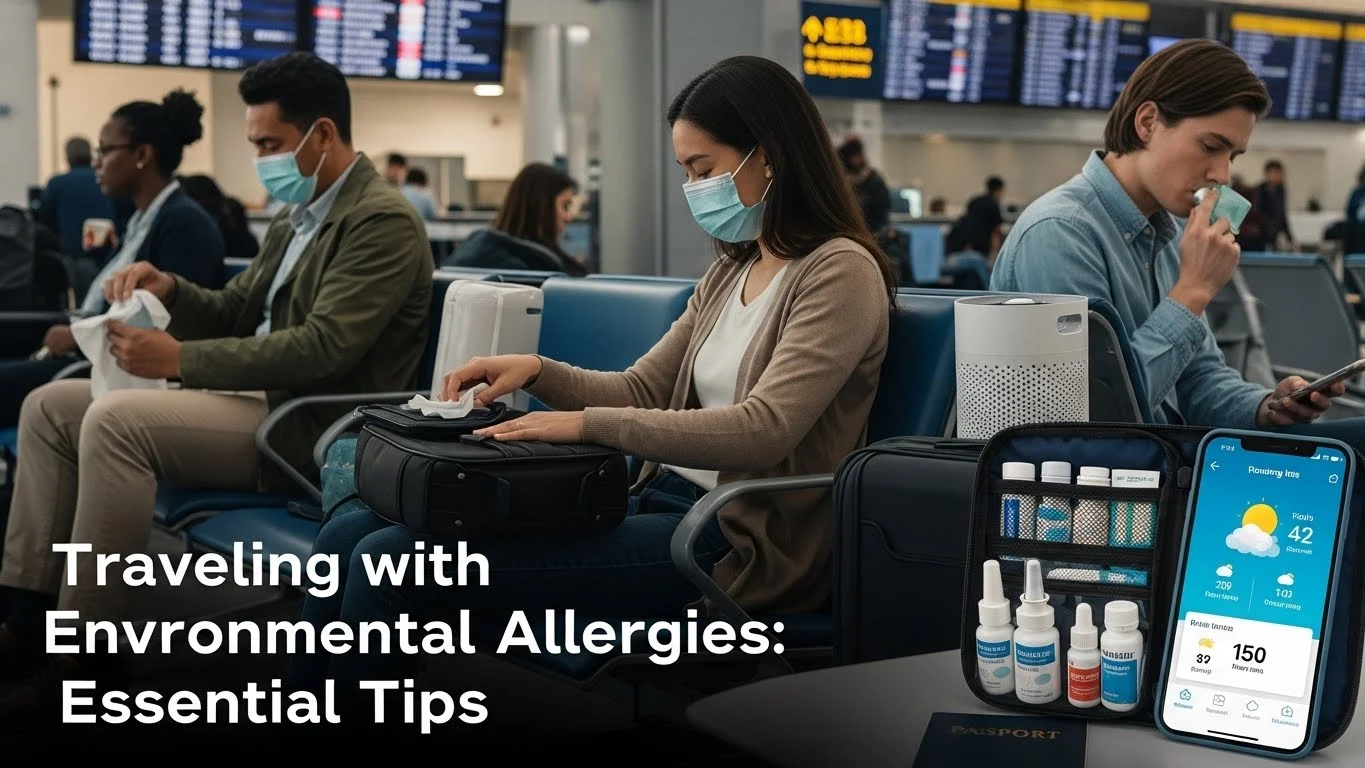
Before I even step foot in the airport, I make sure to take some precautions. One thing I always do is check the pollen forecast for my departure and arrival cities. This allows me to plan my medications accordingly. I also try to book early morning flights when pollen counts tend to be lower. Packing a travel-sized air purifier or a face mask can also help filter out allergens in the air.
Another tip I’ve adopted is to carry a clean, damp cloth to wipe down my seating area once I sit on the plane. This can help remove dust and other allergens that may be lingering in the cabin.
Airline Allergy Policies
Before booking my flight, I always check the airline’s allergy policies. Some airlines offer nut-free meals, while others allow you to pre-board to wipe down your area. In my experience, communicating my allergies with the airline staff can make a huge difference. I once informed the flight attendants about my pollen allergy, and they were incredibly accommodating, ensuring that I had a safe travel experience.
In-Flight Tips for Allergy Sufferers
Once I’m on the plane, I try to stay as comfortable as possible. I always bring my own snacks to avoid potential allergens in airline meals. Staying hydrated is crucial too, so I keep a water bottle handy. I’ve also found that using saline nasal spray can help keep my nasal passages moist and reduce the likelihood of irritation from dry cabin air. I remember one flight where I felt completely fine thanks to staying proactive about my allergies.
Keeping antihistamines within reach during the flight has also been a lifesaver for me. Just in case I encounter any unexpected triggers, I’m ready to act quickly. Being prepared has allowed me to enjoy travel without the constant worry of my allergies flaring up. I think this mindset has made all the difference in how I approach travel, allowing me to focus on the adventure rather than the anxiety of my allergies.
Accommodations and Allergies
Finding the right place to stay is crucial for managing my allergies while traveling. I’ve learned that choosing accommodations carefully can significantly impact how well I handle my symptoms during a trip. Here are some strategies I’ve found effective when looking for allergy-friendly lodging.
Choosing Allergy-Friendly Hotels
When I start my search for hotels, I specifically look for places that advertise themselves as allergy-friendly. Many hotels now offer rooms designed to minimize allergens, such as using hypoallergenic bedding and air purifiers. I remember staying at a hotel in Asheville, North Carolina, that provided special allergy-friendly rooms. The difference was remarkable; I had a much more enjoyable stay without the usual sneezing and itchy eyes.
Some options to consider when selecting a hotel include:
- Air Quality Certifications: Look for hotels that have been recognized for their air quality, like those certified by organizations such as the Asthma and Allergy Foundation of America.
- Non-Smoking Policies: Smoking can exacerbate allergies. Choosing a non-smoking hotel can help me breathe easier.
- Room Cleanliness Standards: A hotel that prioritizes cleanliness can reduce dust and mold exposure. I usually check reviews to see what others say about the cleanliness of the rooms.
Requesting Allergy Accommodations
Once I find a hotel that seems suitable, I don’t hesitate to reach out directly and request specific accommodations. I always mention my allergies when I make reservations; this way, the hotel can prepare for my stay. For example, I’ve asked for rooms away from high-traffic areas to minimize exposure to dust and allergens. I also request that the room be cleaned with non-toxic cleaning products, as strong chemicals can trigger my symptoms.
Most hotels are willing to accommodate reasonable requests, and I’ve often received a warm response from staff eager to make my stay comfortable. I remember one time when I arrived at a hotel, and they had already set up an air purifier in my room, which made me feel welcomed and valued as a guest.
Air Quality and Allergens in Lodging
Air quality is often something we don’t think about when booking accommodations, but it plays a significant role in managing allergies. I’ve learned to check if the hotel has good ventilation systems and air filtration to ensure cleaner air. During one trip, I stayed at a hotel that had a newly installed HVAC system, and it made a noticeable difference in my comfort level.
In addition to air quality, I pay attention to external factors like proximity to green spaces. While parks can be lovely, they can also mean higher pollen counts during certain seasons. I remember checking the pollen levels while in a hotel near a lush park and quickly adjusted my plans when I learned about the high counts. Finding a balance is essential so that I can enjoy nature without overwhelming my system.
Dining Out with Allergies
Eating out while traveling can be nerve-wracking for someone with allergies, but it doesn’t have to be. I’ve picked up some valuable tips that help me enjoy dining experiences without anxiety.
Researching Restaurants in Advance
Before heading to a new destination, I make it a point to research restaurants that cater to my dietary needs. Websites like Yelp or TripAdvisor can be helpful, as I can filter for places that specifically mention allergy-friendly menus. I remember a fantastic vegan restaurant I found in Portland that was not only delicious but also had a great system in place for allergy management. Knowing where I can safely eat makes a huge difference in my travel experience. Read Interesting article: Top Gluten-Free Destinations for Budget Travelers in 2023
Additionally, I often look for restaurants that allow for customization of dishes. This way, I can avoid specific allergens by asking for certain ingredients to be omitted. I find that being proactive in my research allows me to discover unique local flavors while keeping my allergies in check.
Communicating Allergies to Restaurant Staff
Once I’m at a restaurant, I always make sure to communicate my allergies clearly to the staff. I’ve learned that being upfront about my needs helps ensure my dishes are prepared safely. I usually mention my allergies when ordering and ask specific questions about how meals are prepared. This has led to some great conversations with chefs who appreciate my attention to detail. I remember one instance where the chef came out to discuss my meal options, which made me feel more secure about my choice.
Understanding Menu Ingredients
Reading menus can sometimes be tricky, especially when ingredients are not clearly listed. In my experience, I’ve found that asking for detailed descriptions can be helpful. I’ve learned to inquire about sauces, dressings, and cooking methods, as these often contain hidden allergens. For instance, I once avoided a delicious-looking dish because it had a sauce that I wasn’t sure about, which turned out to be a wise decision. Being thorough in understanding what goes into my meal is essential for my peace of mind.
Activities and Outdoor Considerations
Outdoor activities can be a major highlight of any trip, but they also come with their own set of allergy challenges. I’ve learned to approach outdoor plans carefully to ensure I can enjoy my adventures without triggering my allergies.
Identifying Allergy Triggers in Nature
When planning outdoor activities, I always consider the potential allergens in the area. For example, if I’m going hiking, I check for pollen counts and try to avoid trails surrounded by flowering plants. I remember one hike where I didn’t look into the local flora, and I ended up sneezing my way through a beautiful trail. Now, I make it a habit to research the area beforehand to avoid those surprises.
Choosing Allergy-Safe Activities
Some activities are naturally more friendly to allergy sufferers. I’ve enjoyed things like visiting art galleries or museums, as they offer a break from outdoor allergens. Additionally, I look for activities that take place indoors or in areas with lower pollen levels. I’ve had some fantastic experiences in indoor botanical gardens, where I could enjoy the beauty of plants without the allergy risks associated with outdoor environments.
Using Allergy-Safe Outdoor Gear
When I do venture outdoors, I’ve found that having the right gear can make all the difference. I always carry a pair of allergy-safe sunglasses to protect my eyes from pollen, and a wide-brimmed hat can help shield my face. I also keep a pack of allergy wipes handy for quick clean-ups after touching plants or surfaces that might have allergens. These small adjustments have helped me enjoy outdoor activities without fear of triggering my allergies.
Frequently Asked Questions
What are environmental allergies?
Environmental allergies are reactions that occur when your immune system overreacts to substances in the environment, leading to discomfort and distress. Common triggers include pollen, dust mites, mold, and pet dander.
What are some common types of environmental allergens encountered while traveling?
Some common types of environmental allergens include pollen from trees, grasses, and weeds, dust mites, mold found in damp environments, and pet dander from animals.
What symptoms can I expect if I have environmental allergies?
Common symptoms of environmental allergies include sneezing and nasal congestion, itchy or watery eyes, skin rashes or hives, and shortness of breath or wheezing.
How can I prepare for a trip if I have environmental allergies?
Preparation involves consulting with an allergist, creating an allergy action plan, packing essential allergy medications, and researching the destination for potential allergens.
What should I include in my allergy action plan for travel?
Your allergy action plan should include your allergy triggers, symptoms, medications to take, and any specific instructions for travel companions on how to assist you if necessary.
What are some allergy-friendly travel destinations?
Allergy-friendly travel locations include San Diego, California; Denver, Colorado; and Santa Fe, New Mexico, known for their lower pollen counts and dry climates.
What destinations should allergy sufferers avoid?
Destinations to avoid due to high humidity and dense vegetation include Florida, New Orleans, Louisiana, and Seattle, Washington, as these can exacerbate allergy symptoms.
What precautions should I take when flying with allergies?
Before flying, check pollen forecasts for your departure and arrival cities, book early morning flights, pack a travel-sized air purifier or face mask, and wipe down your seating area on the plane.
How can I find allergy-friendly accommodations while traveling?
Look for hotels that advertise allergy-friendly features, such as hypoallergenic bedding, air purifiers, and good cleanliness standards. Additionally, communicate your needs directly to the hotel staff.
What should I do when dining out with allergies while traveling?
Research restaurants in advance that cater to dietary needs, communicate your allergies clearly to the staff, and inquire about ingredient details in dishes to avoid hidden allergens.