
Traveling with kids can be an incredible adventure, but it also comes with its own set of challenges. For backpackers, finding the right balance between exploration and family needs is key. To help enhance the experience, consider reading Traveling with Kids: Enhance Early Language Acquisition Tips.
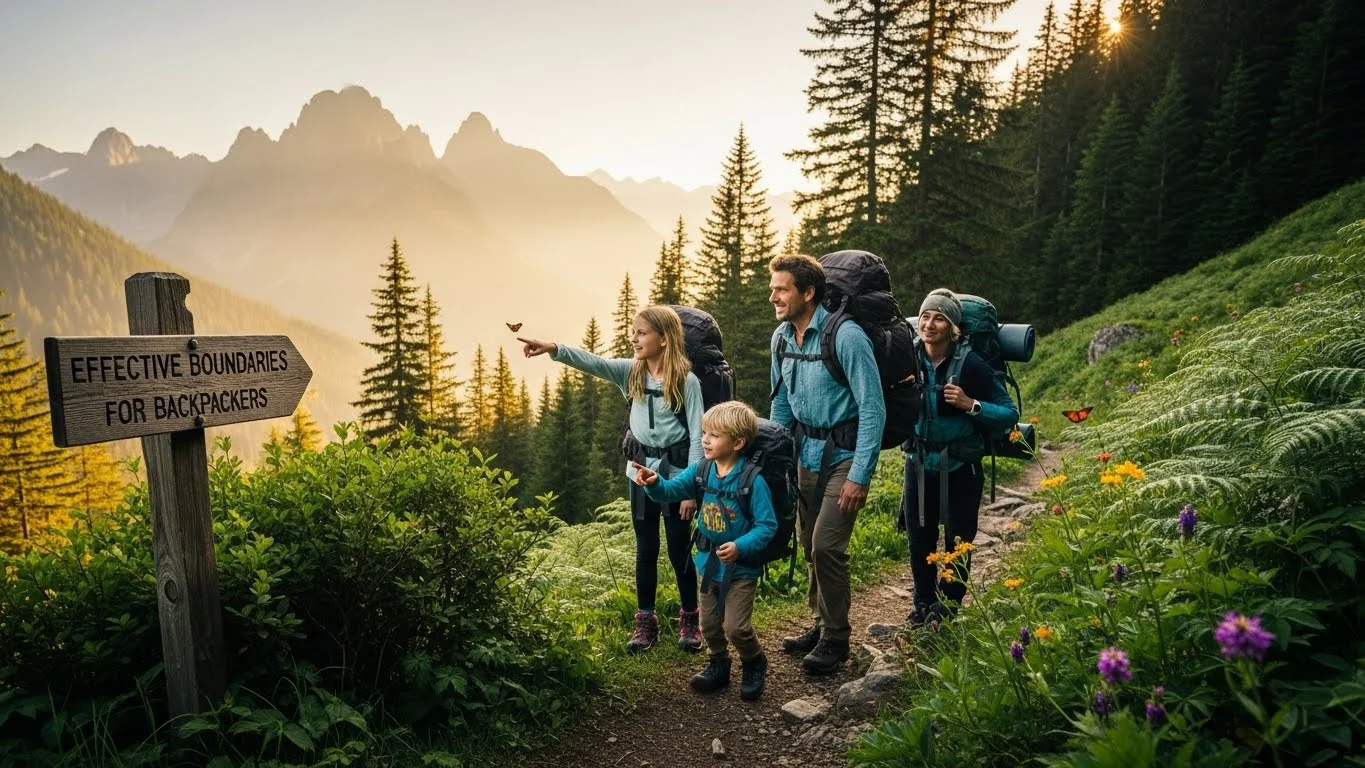
Understanding the Challenges of Backpacking with Kids
Backpacking with kids is an experience filled with exciting moments and unique challenges. I remember my first trip with my little ones—every joy came with a sprinkle of chaos. From the moment we stepped off the plane, I knew we were in for a ride. Kids have a way of turning the most well-planned itinerary into a whirlwind of spontaneous fun and unforeseen challenges. It’s essential to recognize these hurdles to prepare ourselves better for the journey ahead.
Common Concerns for Parents
One of the biggest concerns I faced was managing expectations. I had to keep in mind that my kids wouldn’t share my enthusiasm for hiking for six hours straight or visiting every museum on our list. I learned to set realistic goals, focusing on what my kids could handle without turning the trip into a stressful experience. Safety was another constant concern—ensuring they stayed close, didn’t wander too far, and remained engaged in our activities. I found that having a plan for emergencies, like knowing where the nearest hospital was or having a first-aid kit, helped ease my worries.
I also worried about their health and comfort. I remember one trip where my youngest caught a cold during a long bus ride. It was a reminder that being on the move can sometimes lead to unforeseen illnesses. Keeping snacks handy, packing necessary medications, and ensuring we had breaks to rest became top priorities.
Age-Appropriate Activities and Destinations
When planning our trips, I quickly realized that age-appropriate activities were crucial. I found it helpful to choose destinations that offered a mix of adventure and relaxation. For example, national parks often have kid-friendly trails and educational visitor centers. My kids loved exploring nature, and it kept them engaged while providing plenty of opportunities for learning. I discovered that incorporating activities like scavenger hunts or nature bingo made hikes more appealing. It turned a simple walk into a thrilling adventure.
Choosing destinations with varied activities also helped manage their energy levels. For example, if we were in a city, I would mix cultural visits with parks or playgrounds. This combination allowed my kids to let off steam while still enjoying the richness of our surroundings. I learned that the more involved they felt in the planning, the more excited they were about the trip. We often sat down with a map or a travel guide and let them pick out a couple of activities—this gave them a sense of ownership over our journey.
Traveling with kids is not always about going to the most famous landmarks. Sometimes, the less popular spots can offer incredible experiences. I remember visiting a small town that was not on our original itinerary. It had a local fair, and my kids loved every minute of it—playing games, trying local snacks, and enjoying the vibrant atmosphere. This taught me to be flexible and open to new experiences while on the road.
Setting Effective Boundaries
As I delved deeper into family travel, I realized that setting boundaries was essential for maintaining a smooth travel experience. Boundaries don’t have to be strict or rigid; instead, they can provide a sense of structure that helps children feel secure in their surroundings.
Defining Family Travel Goals
Before we hit the road, I found it helpful to define our family travel goals. What did we want to achieve during our trips? For us, the focus was always on bonding and creating memories. We decided that our main goal was to explore new places together, but also to have fun and relax. With this mindset, I learned to prioritize our experiences over ticking off boxes on a list. I often reminded myself that the journey was just as important as the destination.
Establishing Daily Routines
Establishing some daily routines helped keep everyone grounded. I noticed that having consistent meal times made a huge difference in our mood and energy levels. We would often have breakfast together before heading out, discussing what we wanted to do that day. I also tried to include downtime in our schedule—whether it was a short nap or some quiet time at a park. These breaks allowed the kids to recharge and avoid becoming overtired and cranky.
Communicating Expectations with Kids
I can’t stress enough how important it is to communicate expectations with kids. Before each trip, we would have family discussions about what to expect. I would explain the itinerary in simple terms and involve them in decision-making. For instance, if we planned a long hike, I would let them know how long it might take and what to bring along. This transparency helped them feel prepared and less anxious about the unknown. Plus, it allowed them to express their feelings and preferences, which kept everyone on the same page.
While traveling with kids can be a challenge, I’ve learned that with the right mindset, effective boundaries, and a little flexibility, it can also be an incredibly rewarding experience. The memories we create together are truly priceless, and I wouldn’t trade our adventures for anything in the world.
Choosing Kid-Friendly Destinations
Top Backpacking Locations for Families
When it comes to choosing destinations for family backpacking, I’ve found that some places just seem to be a perfect fit for little adventurers. For us, national parks have been a goldmine of experiences. Places like Yellowstone and Yosemite are not only breathtaking but also offer tons of kid-friendly activities. I remember our visit to Yosemite, where we hiked the easy trails and marveled at the giant sequoias. The park rangers even held a program for kids, which kept them engaged while learning about nature.
If your family loves the beach, consider destinations like the Outer Banks in North Carolina or the Florida Keys. These areas provide plenty of opportunities for swimming, shell collecting, and building sandcastles. I recall one summer spent at the Outer Banks, where we did more than just lie on the beach; we explored the local wildlife and even took a family kayak tour through the marshes. It was a mix of fun and education that my kids still talk about.
Cities can also have family-friendly options. San Diego, for instance, offers the world-famous zoo, beautiful parks, and beaches, making it easy to balance sightseeing with downtime. I learned that involving my kids in the planning process helps them get excited about our trips. When they saw pictures of the animals at the San Diego Zoo, their enthusiasm skyrocketed, making the long drive feel a lot shorter! Additionally, if you are navigating dietary restrictions, you might find helpful tips in Traveling with Kids on a FODMAP Diet: Essential Guide.
Assessing Safety and Accessibility
Safety is something I never compromise on when traveling with my kids. Before we go anywhere, I always research the safety of our destination. I remember a time when we considered visiting a remote area, but after some digging, I realized that the nearest hospital was quite far away. That was a deal-breaker for me. I need to know that help is accessible if we need it.
I also look for places that are stroller-friendly or have good public transport options. Walking around a new city can be exhausting, especially for little legs. I’ve learned to check reviews and blogs to see if families recommend certain locations based on accessibility. Having kids means you want to keep things as easy as possible, so a little research goes a long way. I remember one trip where we ended up in a city with steep hills; it made getting around a workout I wasn’t prepared for!
Local Culture and Kid-Friendliness
Experiencing local culture is one of my favorite parts of traveling, but it’s essential to ensure that the experience is suitable for kids. I tend to look for destinations that offer cultural experiences designed for families, like festivals or interactive exhibits. During a trip to New Orleans, we discovered a local festival celebrating music and food. My kids loved the live music and even joined in on a second-line parade. It was an unforgettable way to immerse ourselves in the local culture while keeping the kids entertained.
Another great avenue is visiting places like museums that offer family days with hands-on activities. I remember taking my kids to a science museum where they could build their own rockets and engage in experiments. Not only did they have a blast, but they also came away with a sense of accomplishment and a love for learning. It’s experiences like these that make traveling worthwhile for all of us.
Before you go, I recommend checking out local family blogs or forums for insider tips on the best attractions for kids. From my experience, fellow parents often share valuable insights that can make a big difference in your trip planning. You might also want to Explore Imagination: Creative Play While Traveling with Kids for more engaging ideas.
Choosing the right destinations is a key part of our family backpacking adventures. By considering kid-friendly options, safety, and cultural experiences, we create memories that last a lifetime—all while keeping the little ones engaged and happy.
Essential Gear for Backpacking with Kids
Choosing the Right Backpack
One of the first things I learned when backpacking with my kids is that choosing the right backpack is crucial. When we first started out, I made the mistake of using my old, heavy backpack. After a few hours of hiking, I realized how uncomfortable it was—not just for me but for my kids as well. I quickly shifted gears and found a backpack that was specifically designed for family adventures. It had padded straps, an adjustable fit, and enough compartments to keep all our essentials organized.
When selecting a backpack, I recommend considering size and weight. It should be lightweight yet spacious enough to hold snacks, a first-aid kit, water bottles, and any extra clothing. I often let my kids help choose their own mini backpacks for their personal items. It not only made them feel included but also taught them responsibility. They loved picking out their favorite colors and designs, which added an element of excitement to our trips!
Must-Have Travel Accessories
Over time, I discovered some essential travel accessories that made our backpacking trips smoother and more enjoyable. One of my absolute favorites is a good-quality hydration system. Staying hydrated is incredibly important, especially when hiking, and having a hydration bladder made it easy for us to sip water on the go. I found that my kids were more willing to drink water when they could easily access it, rather than stopping to dig through their backpacks.
Another must-have is a portable first-aid kit. I cannot stress enough how many little scrapes and bumps my kids have faced during our adventures. Having a well-stocked first-aid kit, complete with band-aids, antiseptic wipes, and allergy medication, gave me peace of mind. It’s also handy to pack a compact, lightweight blanket. We found it useful for picnics, unexpected rain, or even as a makeshift resting spot during long hikes.
Lastly, I’ve learned that packing a set of travel utensils and plates is invaluable, especially when we’re out in nature. It makes snack time feel more special and less like a chore. Plus, using our reusable items aligns with our goal to travel sustainably, which is something I want my kids to learn about as well.
Clothing and Footwear Considerations
When it comes to clothing, I believe that layering is key. I remember one trip where we started the day in chilly weather, but by noon, the sun was blazing. It was a lesson learned! I now pack layers for everyone—lightweight shirts, long sleeves, and a good jacket. I also make sure to include hats and sunglasses for sun protection. My kids enjoy picking out their own hats, which adds a fun element to our packing process.
Footwear is another critical aspect that I’ve come to appreciate. Comfortable shoes can make or break a trip. I’ve experimented with several types of shoes, but I found that sturdy hiking shoes with good ankle support work best for our adventures. I let my kids try on different pairs, and we even took them on short test hikes to ensure they were comfortable. This way, they felt involved in the decision, and it helped avoid any complaints about sore feet later on.
Finally, as our trips often involve various terrains, packing an extra pair of shoes is a smart idea. We’ve had instances where our shoes got wet or muddy, and having a backup pair saved the day. Plus, it allows the kids to switch things up and stay comfortable throughout our journey.
Budgeting for Family Travel
Estimating Daily Expenses
Budgeting for family travel has been an eye-opening experience for me. Initially, I underestimated the daily expenses involved. I’ve learned to break down our costs into categories—food, accommodation, activities, and transportation. This helps me get a clearer picture of how much we need for each day. I typically set a daily budget, and I make sure to involve my kids in discussions about it. They often come up with creative ideas on how we can save money, like choosing picnic lunches over dining out.
Food is one of the biggest expenses, so I found it beneficial to plan meals ahead of time. We often stay in places with kitchen facilities, which allows us to cook together as a family. It’s a fun bonding experience, and it’s generally cheaper than eating out for every meal. My kids love getting involved in meal prep, and it teaches them valuable cooking skills!
Finding Family-Friendly Accommodations
When it comes to accommodations, I’ve discovered that staying in family-friendly places can make a big difference. We’ve had great experiences with vacation rentals, which often provide more space and amenities than traditional hotels. Plus, having a kitchen allows us to prepare meals and snacks at our convenience.
We also enjoy looking for hotels that offer family deals or free breakfasts. I remember a trip where we found a hotel with a pool and included breakfast; it was a hit with my kids! Before booking, I always read reviews from other families to ensure the place is kid-friendly and safe.
Cost-Saving Tips for Attractions and Activities
Attractions can add up quickly, so I’ve learned to seek out discounts and free activities. Many cities offer free admission to museums on certain days, and I’ve found that local tourism websites often have family passes that provide significant savings. I also keep an eye out for community events, like festivals or outdoor movies, which can be a fun and low-cost way to experience a new place.
Lastly, I make it a point to prioritize experiences over things. Instead of focusing on shopping or souvenirs, we aim to collect memories through activities. My kids have enjoyed making their own crafts during workshops or participating in local traditions. These experiences often become the highlights of our trips, and they’re usually budget-friendly!
Frequently Asked Questions
What are some common challenges of backpacking with kids?
Backpacking with kids can be filled with exciting moments but also unique challenges, such as managing expectations, ensuring safety, and addressing health and comfort concerns. Kids may not share an adult’s enthusiasm for long hikes or extensive sightseeing, so it’s important to set realistic goals and prepare for unforeseen circumstances.
How can I choose age-appropriate activities for my kids while traveling?
When planning trips, it’s crucial to select destinations that offer a mix of adventure and relaxation, such as national parks with kid-friendly trails and educational visitor centers. Incorporating engaging activities like scavenger hunts can also make hikes more appealing to children.
What tips can help maintain a smooth travel experience with kids?
Setting effective boundaries and defining family travel goals are essential. Establishing daily routines, including consistent meal times and downtime, helps keep everyone grounded. Communicating expectations with kids before the trip is also vital for preparing them for what lies ahead.
What are some recommended kid-friendly backpacking destinations?
National parks like Yellowstone and Yosemite are excellent options for families, offering breathtaking views and kid-friendly activities. Other suggestions include beach destinations like the Outer Banks and the Florida Keys, as well as cities such as San Diego, which provide a balance of sightseeing and leisure activities.
How can I ensure safety while backpacking with kids?
Researching the safety of your destination is crucial. Look for accessible medical facilities and choose stroller-friendly or easily navigable areas. Reading reviews and blogs that focus on family experiences can also provide insights into the safety and accessibility of various locations.
What cultural experiences should I look for when traveling with kids?
Seek out family-oriented cultural experiences, such as festivals, interactive exhibits, or museums that offer hands-on activities. Engaging in local traditions and events can make for unforgettable experiences that keep kids entertained while immersing the family in the local culture.
What essential gear should I pack for backpacking with kids?
Choosing the right backpack is crucial, as it should be lightweight and spacious enough for essentials. Must-have travel accessories include a hydration system, a portable first-aid kit, and travel utensils. Additionally, packing clothes in layers and ensuring comfortable footwear are important considerations for a successful trip.
How can I effectively budget for family travel?
Estimating daily expenses by breaking them into categories such as food, accommodation, activities, and transportation can provide clarity. Involving kids in budget discussions and planning meals can help save money, while choosing family-friendly accommodations can enhance the overall travel experience.
What are some cost-saving tips for attractions and activities?
Look for discounts and free admission days for museums and attractions. Local tourism websites often feature family passes that offer savings. Prioritizing experiences over material purchases, such as participating in workshops or local traditions, can also be budget-friendly and memorable.
How can I involve my kids in the travel planning process?
Involving kids in the planning process can increase their excitement about the trip. Allow them to help choose activities and destinations by reviewing maps or travel guides together. This sense of ownership can enhance their engagement and enthusiasm for the journey.