
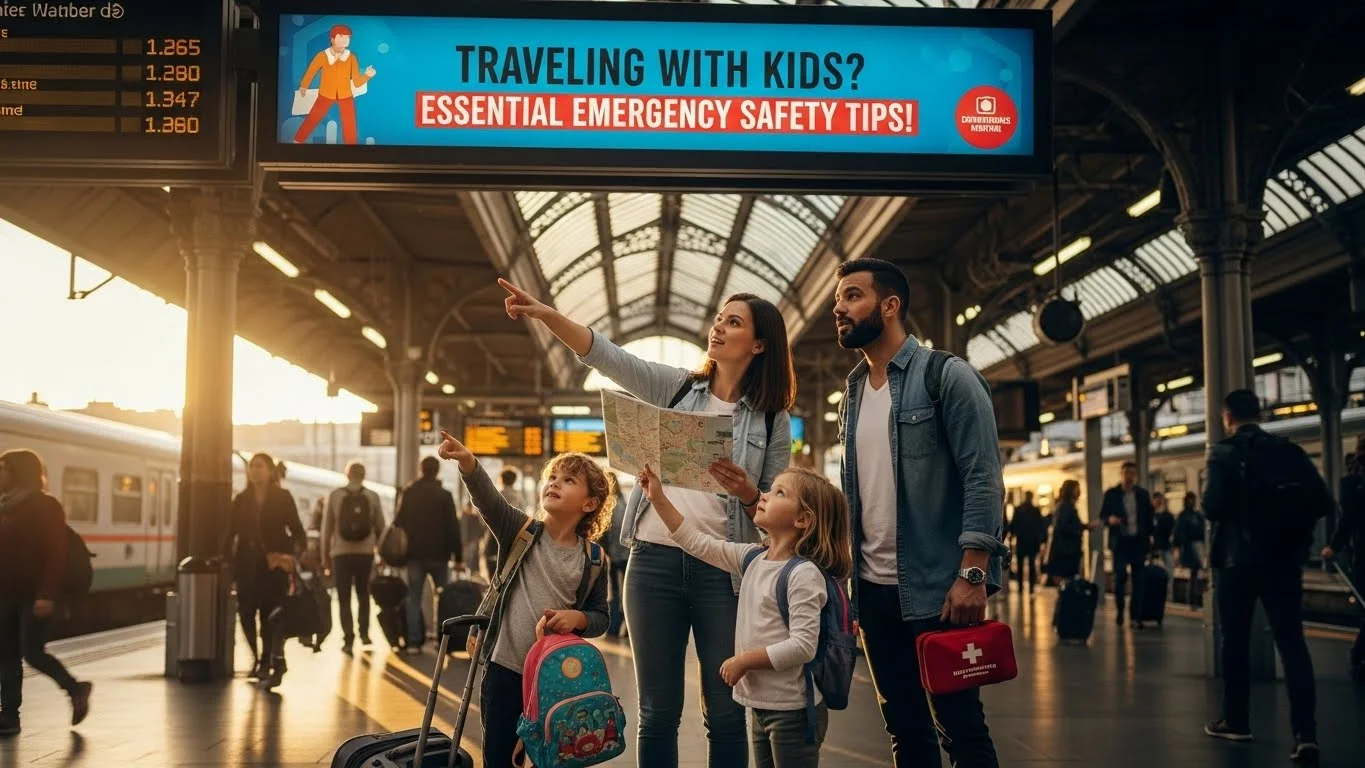
Traveling with kids can be an adventure filled with joy, but it’s essential to prioritize safety to ensure everyone has a great time. Here are some crucial tips to keep your family safe on the road or in the air!
Understanding the Importance of Safety When Traveling with Kids
Why Safety Should Be a Priority
When I think about traveling with my kids, the thrill of exploring new places often brings a smile to my face. However, I also remember that keeping them safe is my top priority. Kids are naturally curious, which can lead them into risky situations, especially in unfamiliar environments. I’ve learned that a little preparation can go a long way in preventing accidents or emergencies. Knowing what to expect and how to handle potential dangers can make all the difference. After all, a safe trip allows us to focus on making wonderful memories together. Read Interesting article: Emergency Preparedness: Safeguarding Your Children Abroad
Common Risks for Families Traveling
Every destination has its own set of challenges, and I’ve encountered a few during my travels. From crowded airports where little ones can easily wander off, to bustling streets in foreign cities where traffic can be chaotic, being aware of these risks is crucial. I’ve seen how quickly a moment of distraction can lead to a lost child or a minor injury. Other risks include food allergies, illness, or even theft. I find it helpful to think ahead and prepare for these situations, so we can enjoy our adventures without constant worry.
Pre-Travel Preparations
Researching Your Destination
Before we embark on any journey, I always take the time to research our destination. This isn’t just about finding the best attractions; it’s about understanding the environment we’ll be in. I read up on local customs, weather conditions, and any safety concerns that might be present. I remember our last trip to a beach resort where I discovered some areas had strong currents, which could be dangerous for kids. Knowing this in advance allowed us to choose safer swimming spots and keep an eye on the kids while they were playing in the water.
Understanding Local Laws and Customs
Every country has different laws and customs, and I think it’s important to familiarize ourselves with them. Some places have strict regulations regarding child safety, like car seat laws or age restrictions for certain activities. On our trip to Europe, I learned that in some countries, it’s illegal to let kids ride without proper restraints. Understanding these laws not only keeps us compliant but also ensures we’re doing what’s best for our children’s safety.
Health Precautions and Vaccinations
Before traveling, I always check if there are any recommended vaccinations for our destination. For example, when we traveled to Southeast Asia, I made sure my kids were up to date on their vaccinations and even got some additional ones that were advised for travelers. It gave me peace of mind knowing we were protected against certain diseases. I also pack necessary medications and a copy of their health records—just in case we need them while we’re away.
Packing an Emergency Kit
I can’t stress enough how essential it is to pack an emergency kit when traveling with kids. I always include basic first aid supplies like band-aids, antiseptic wipes, and pain relievers, as well as any prescription medications we might need. A small flashlight, extra phone chargers, and a list of emergency contacts are also part of my kit. I’ve found that being prepared for minor injuries or emergencies helps me feel relaxed and ready to handle whatever comes our way. Read Interesting article: Essential Tips for Keeping Kids Safe in Emergencies
Creating a Family Safety Plan
Having a family safety plan is something I believe every family should establish before traveling. I sit down with my kids and discuss what to do if we get separated. We choose a meeting spot, usually somewhere easy to find, like a specific landmark. I also teach them how to identify safe adults, like security personnel, if they need help. This gives me peace of mind knowing they have a plan in place. I remember the first time we practiced this; my kids felt empowered and more confident about our travels.
Traveling by Air
Airport Safety Tips
Airports can be overwhelming, especially with kids in tow. I’ve learned to keep our travel documents organized and within easy reach, so we can move through security smoothly. I also make sure to engage my kids during the wait, bringing along some small toys or electronic devices to keep them entertained. As we navigate through crowded terminals, I always hold their hands or have them walk closely beside me. I’ve found that this simple act keeps them safe and reassures me that I can keep an eye on them.
Choosing Family-Friendly Airlines
When booking flights, I look for airlines that cater to families. Some airlines offer early boarding, kid-friendly meals, and entertainment options that make the journey smoother. I once flew with an airline that provided special kits for kids, including coloring books and games, which kept my children entertained throughout the flight. I recommend checking reviews to find out what other families have experienced when traveling with kids.
Dealing with Flight Delays and Cancellations
Flight delays can happen, and when they do, I’ve learned to keep a positive attitude. I always pack snacks and activities to keep my kids occupied during long waits. Knowing that delays are part of travel helps me manage stress and, in turn, keeps my kids calm. I remember one time we were stuck at the airport for hours, but thanks to some fun games and snacks, we turned it into a mini-adventure instead of a frustrating experience. Preparing for the unexpected can really help us stay relaxed and enjoy our travels.
Traveling by Car
Car Seat Safety Regulations
When it comes to road trips, ensuring that my kids are safe in the car is non-negotiable. I’ve done my homework on car seat safety regulations, as they vary significantly from state to state. It’s crucial to choose the right car seat based on my child’s age, weight, and height. I remember the first time I installed a car seat; I was amazed at how many details there were, from anchoring it correctly to adjusting the straps. I always double-check that it’s properly secured and that my child is buckled in correctly before we hit the road. There are plenty of resources online to help with installation, and I’ve even visited local safety events where professionals offer guidance. It certainly gives me peace of mind knowing my little ones are snug and secure!
Long-Distance Travel Tips
Long car rides can be a mixed bag for families. I’ve experienced the excitement of hitting the open road, but I’ve also faced the challenges of restless kids after a few hours in the car. I’ve learned that planning breaks is essential. We usually stop every two to three hours to stretch our legs, grab a snack, and use the restroom. This not only helps with any fidgeting but also turns our journey into part of the adventure. I like to have a few games up my sleeve, like “I Spy” or the license plate game, to keep my kids entertained. Creating a travel playlist filled with their favorite songs makes the ride feel shorter too. All these small efforts make a long trip a lot more enjoyable for all of us!
Emergency Car Preparedness
Being on the road can be unpredictable, so I always prepare for emergencies. I keep an emergency kit in the trunk, filled with essentials like a spare tire, jumper cables, and basic tools. I also pack a first aid kit and some water and snacks, just in case we find ourselves in a situation where we need to wait for help. In my experience, it’s wise to have a roadside assistance plan. I remember one time when our car broke down in a remote area. Thankfully, I had a plan in place, and we were able to get help quickly. I also make sure my phone is charged and that I have a car charger handy. The more prepared we are, the more relaxed we feel on the road!
Staying Safe at Your Destination
Choosing Kid-Friendly Accommodations
Finding the right place to stay can greatly influence our travels. I always look for hotels or rentals that are kid-friendly. This means checking for amenities like cribs, high chairs, and even areas where my kids can play. I remember booking a family suite once that had a separate room for the kids, which was a game changer! I also read up on reviews from other families to find out what their experiences were like. It’s important to me that the accommodations not only meet our needs but also feel safe, with secure entrances and a good location. After all, knowing we’re in a safe environment allows us to relax and enjoy our vacation more fully.
Understanding Emergency Services and Contacts
Once we arrive at our destination, I take a moment to familiarize myself with local emergency services. I have a list of important contacts, like the nearest hospital and local police station. I also make sure my kids know how to reach me in case they get lost. I remember showing them how to find someone in uniform if they need help. It’s a simple step that can make a big difference in emergencies. I like to have the local emergency numbers saved on my phone, just in case. Preparing for the unexpected makes me feel more secure while we explore new places together.
Identifying Safe Areas vs. Risky Areas
Every city has its safe and not-so-safe areas, and I’ve learned the importance of doing a little research before heading out. I usually ask locals or look online for advice about neighborhoods that are family-friendly. It’s surprising how much we can learn just by talking to the staff where we’re staying. I also make sure to stick to well-lit areas and popular tourist spots, especially when we’re out at night. I remember wandering into a less-than-ideal area during one trip, and it taught me a valuable lesson about staying aware of our surroundings. We’ve also found that having a map or a reliable GPS app helps us navigate safely, allowing us to explore without getting lost.
Emergency Situations: What to Do
Medical Emergencies
Despite all our preparations, emergencies can still happen. I remember one trip when my youngest tripped and fell while playing at a park, scraping his knee pretty badly. It’s moments like these that remind me how crucial it is to stay calm. First, I assessed the situation to see if he needed immediate medical attention or if a simple bandage would suffice. I always carry a small first aid kit, which came in handy for cleaning the wound and applying a bandage. I’ve learned that knowing the location of the nearest hospital or clinic is critical before heading out each day. I usually take a moment to map it out on my phone upon arrival at a new destination. This small step can make a big difference in how quickly we can get help if needed.
Lost or Missing Children
The thought of losing a child while traveling is every parent’s worst nightmare. I can recall a moment in a crowded amusement park when I turned around and realized my daughter had wandered off. My heart raced! I immediately took a deep breath and remembered our safety plan. Instead of panicking, I retraced my steps to the last place I saw her, calling her name while looking around. Thankfully, she was just a few feet away, captivated by a colorful attraction. I’ve found that teaching my kids what to do if they get lost is vital. We practice identifying safe adults, like park staff or police officers, and establish a meeting point. Having open conversations about what to do can give kids confidence when they’re in unfamiliar surroundings. Read Interesting article: Child Safety During Travel Emergencies: A Parent’s Guide
Natural Disasters
When traveling, it’s essential to consider the natural disasters that could occur in the area. I’ll never forget our family trip to a coastal town during hurricane season. While we enjoyed the beach, I kept an eye on the weather forecasts and emergency alerts. I explained to my kids the importance of being aware of our surroundings. If we had to evacuate, I knew we needed a plan. We made sure to pack essentials in a go-bag and discussed where to go if an emergency happened. I think having these kinds of conversations ahead of time helps my kids feel more secure and prepared for anything that may arise.
Travel Scams and Theft
Scams and theft can happen anywhere, and I’ve learned to be vigilant. I remember one instance when someone approached us while we were enjoying a meal outside, trying to distract us while an accomplice attempted to grab my backpack. Thankfully, I noticed the second person out of the corner of my eye and was able to secure my bag. Now, I always keep my belongings close and use anti-theft bags when we travel. I also talk to my kids about being aware of their surroundings and what to watch for, like overly friendly strangers or situations that seem too good to be true. It’s all about empowering them to trust their instincts.
Teaching Kids About Safety
Age-Appropriate Safety Conversations
It’s crucial to have ongoing discussions about safety with my kids, tailored to their ages. I remember when my eldest was around five; I focused on simple concepts like staying close during outings and what to do if they felt uncomfortable. As they grew older, I started introducing more complex topics, such as safety on public transportation and recognizing warning signs in potentially dangerous situations. I believe these conversations should be ongoing. We often have “what-if” scenarios to keep them thinking critically about safety. I feel that this approach not only keeps them safe but also builds their confidence.
Identifying Safe Adults and Resources
As part of our safety discussions, I’ve always emphasized the importance of identifying safe adults. We’ve talked about who to approach if they ever feel lost or scared. I remind my kids that they can trust people in uniforms, like police officers or security personnel. We even practice approaching someone for help during our outings, which helps reinforce the idea. Additionally, I’ve shown them how to use their phones to reach me or another trusted adult in case of an emergency. I think it’s empowering for them to know they have resources to rely on.
Using Technology for Safety
In today’s digital age, technology is a fantastic tool for keeping my family safe while traveling. I’ve found several family tracking apps that allow me to stay connected with my kids, especially when they want to explore a new place on their own. We also use location-sharing features on our phones, giving me peace of mind. I always remind my kids about the importance of keeping their phones charged and having emergency contacts saved. I also encourage them to use apps for maps and translations while we travel. It’s a great way for them to develop their independence while still being safe!
Post-Travel Safety Tips
Reviewing the Trip and Discussing Experiences
After returning home, I like to gather the family for a trip review. We sit down together and share our favorite moments and what we learned. It’s interesting to hear my kids’ perspectives on safety during our journey. I encourage them to talk about any uncomfortable situations they faced and how they handled them. This reflection helps us all learn and prepares us for future travels. I find it especially valuable for reinforcing the safety lessons we discussed before and during the trip.
Health Check-Ups After Travel
Traveling can expose us to different environments, and I always make it a point to schedule health check-ups when we return. I remember after one trip, we all came down with a mild illness that could have been prevented with a quick visit to the doctor. I’ve learned to be proactive about monitoring our health after returning, especially after international trips. I also encourage my kids to communicate any unusual symptoms they may have experienced during our travels.
Planning for Future Travels
Every trip teaches me something new, and I love using those lessons to plan our next adventure. I often jot down notes on what went well and what we can improve upon. For instance, if we struggled with packing light, I’ll take that into account for next time. I also keep an eye out for new destinations that offer family-friendly activities and safety measures. The more we travel and reflect on our experiences, the more equipped we become to handle future journeys. It’s all part of the adventure!
Frequently Asked Questions
Why is safety a priority when traveling with kids?
Safety is a top priority when traveling with kids because children are naturally curious and can get into risky situations, especially in unfamiliar environments. Preparing for potential dangers allows families to focus on enjoying their adventures and creating wonderful memories together.
What are some common risks families face while traveling?
Common risks include children wandering off in crowded places, chaotic traffic in foreign cities, food allergies, illnesses, and theft. Being aware of these risks helps families prepare and enjoy their trips with less worry.
What preparations should be made before traveling?
Before traveling, families should research their destination, understand local laws and customs, check for recommended vaccinations, pack an emergency kit, and create a family safety plan to ensure everyone knows what to do in case of emergencies.
How can families ensure airport safety?
To ensure airport safety, families should keep travel documents organized, engage kids during waiting times, and maintain close supervision in crowded areas by holding hands or walking closely together.
What should families consider when choosing accommodations?
Families should look for kid-friendly accommodations that offer amenities such as cribs, high chairs, and safe play areas. Reading reviews from other families can also provide insights into the safety and suitability of the location.
What steps should be taken in case of a medical emergency while traveling?
In case of a medical emergency, stay calm and assess the situation. Having a first aid kit handy is essential, and knowing the location of the nearest hospital or clinic before heading out each day can be crucial for getting help quickly.
How can families prepare for lost or missing children situations?
Families should establish a safety plan that includes identifying safe adults, like park staff or police officers, and choosing a meeting spot in case of separation. Teaching kids what to do if they get lost and practicing these scenarios can build their confidence.
What should families do to stay safe from travel scams and theft?
To stay safe from scams and theft, families should keep their belongings close and be vigilant about their surroundings. Teaching children to trust their instincts and recognize potentially risky situations can empower them to stay safe.
What post-travel safety tips should families follow?
Post-travel safety tips include scheduling health check-ups after returning, reviewing the trip to discuss experiences and lessons learned, and planning for future travels based on the insights gained from the recent journey.
How can technology be used for safety while traveling?
Technology can enhance safety through family tracking apps that allow parents to stay connected with their kids. Additionally, using location-sharing features on phones and having emergency contacts saved can provide peace of mind during travels.