
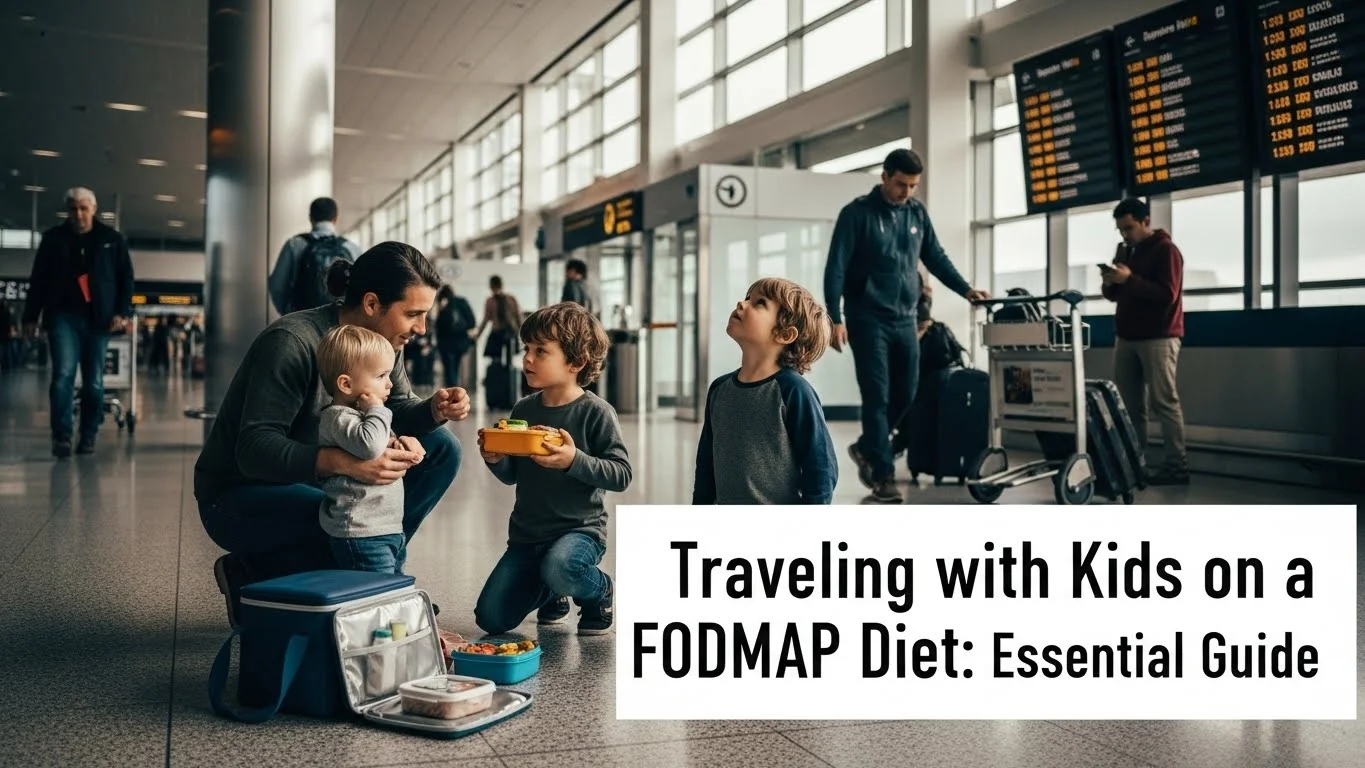
Traveling with kids can be an adventure, but when you add the FODMAP diet into the mix, it becomes a unique journey. This guide will help you navigate traveling with kids while keeping their dietary needs in mind. For more tips on managing travel with kids, check out Budget-Friendly FODMAP Diet Tips for Kids’ Travel.
Understanding the FODMAP Diet
What is the FODMAP Diet?
The FODMAP diet stands for Fermentable Oligosaccharides, Disaccharides, Monosaccharides, and Polyols. It’s a dietary approach designed to help manage symptoms of irritable bowel syndrome (IBS) and other gastrointestinal issues. Essentially, it involves reducing foods that are high in certain carbohydrates that may cause digestive discomfort. I remember when we first learned about it; it felt overwhelming yet enlightening. The diet is usually divided into two phases: elimination and reintroduction. During the elimination phase, we cut out high-FODMAP foods to see if symptoms improve. Afterward, we slowly reintroduce them one by one to identify which ones might be triggers. This process can be really helpful for kids who often have sensitive stomachs.
Benefits of a FODMAP Diet for Kids
Adopting a FODMAP diet can have significant benefits for kids who experience tummy troubles. From my experience, I’ve seen improvements in their overall mood, energy levels, and, of course, their digestive health. For children, adhering to a diet that minimizes discomfort can lead to a more enjoyable and active lifestyle. They tend to be more willing to engage in activities without the fear of an upset stomach ruining their fun. I also noticed that once we narrowed down which foods worked for them, meal times became less stressful. The best part? It can help instill healthy eating habits early on, teaching them to be mindful of their food choices.
Common High FODMAP Foods to Avoid
When we first started the FODMAP diet, I found it helpful to have a list of high-FODMAP foods to avoid. This included things like wheat products, certain dairy items (like milk and soft cheeses), many fruits (such as apples and pears), and some vegetables (like onions and garlic). It can be a bit tricky, especially when you’re out and about, but knowing what to steer clear of makes a huge difference. I also learned that certain sweeteners, such as honey and high-fructose corn syrup, are also high in FODMAPs. It’s essential to read labels closely, which can be a bit of an adventure in itself! We often made a game out of reading ingredients, which kept the kids engaged.
Planning Your Trip with Kids on a FODMAP Diet
Choosing Kid-Friendly Destinations
When it comes to planning a trip, choosing the right destination can make all the difference. I quickly realized that some places are more accommodating to food restrictions than others. For families on a FODMAP diet, destinations with a variety of restaurant options, markets, and even health food stores can be a blessing. Places like California or parts of Europe tend to have a strong focus on healthy eating, making it easier to find FODMAP-friendly options. We’ve discovered that urban areas often have more diversity in cuisine, which gives us a better chance of finding meals that fit our needs. Personally, I think it’s also important to choose locations that offer outdoor activities and nature—this way, we can pack our own snacks and enjoy the scenery without worrying too much about food. For more information on travel-friendly destinations, check out Top Gluten-Free Destinations for Budget Travelers in 2023.
Researching Local Cuisine Options
Before we head to a new place, I like to spend some time researching local cuisine options. I search for restaurants that have good reviews and are known for accommodating dietary restrictions. It’s been a game changer for us! Websites and apps dedicated to food reviews can be tremendously helpful. I remember one time, we found a great little café that offered gluten-free bread and had a clear understanding of FODMAP foods. It made our dining experience much more enjoyable. Moreover, looking up local grocery stores ahead of time allows us to stock up on snacks and meal essentials. I recommend making a list of places you’d like to try, which gives the kids something to look forward to.
Finding FODMAP-Friendly Restaurants
Finding restaurants that cater to FODMAP diets can be a challenge, but it’s definitely doable with a little effort. I usually call ahead to ask about their menu and how they handle dietary restrictions. It’s amazing what you can discover when you talk to staff directly. Sometimes they can customize dishes to fit your needs. I remember a family trip where we visited a seafood restaurant, and the chef was more than happy to create a special dish just for us, using herbs and spices that were low-FODMAP. We ended up having a wonderful meal, and the kids loved being involved in the process of choosing what to eat. It helped them feel more in control and excited about their food.
Preparing for Travel
Packing FODMAP-Friendly Snacks
Packing the right snacks for our trip has been a game changer. I learned early on that having FODMAP-friendly snacks on hand is essential for keeping the kids satisfied and avoiding any hunger-related meltdowns. I make a list of snacks that we know are safe, like rice cakes, popcorn, or homemade trail mix without high-FODMAP nuts. We also love to prepare some energy balls using oats, peanut butter, and a touch of maple syrup, which the kids adore. I remember one trip when we had a stash of these snacks in the car; it made a long drive so much easier and kept the kids happy. I also recommend packing some fresh fruits like bananas or strawberries, which are usually safe and can brighten up a travel day.
Creating a Travel Meal Plan
Before hitting the road or boarding a plane, I like to create a rough meal plan for our trip. It doesn’t have to be super strict, but just having an idea of what meals we can enjoy helps us stay on track. I usually jot down what we might have for breakfast, lunch, and dinner, relying on any FODMAP-friendly restaurants we found in our research. We also try to include a few simple meals that we can prepare ourselves, especially if we have access to a kitchen. For instance, I remember a trip where we stayed in a vacation rental, and I planned a taco night using corn tortillas, chicken, and safe toppings like lettuce and shredded cheese. It was a fun way to have a family meal together while ensuring everyone could eat safely.
Bringing Necessary Supplements or Medications
Traveling with kids on a FODMAP diet means being prepared for anything. I always make sure to bring any necessary supplements or medications we might need. For our family, this includes probiotics and any over-the-counter medications we’ve found helpful for digestive issues. I recall a time when one of the kids had an upset stomach during a trip, and having the right medication on hand made all the difference. It’s also wise to keep a list of any specific dietary needs or concerns handy in case we need to share that information with caregivers or medical professionals while traveling.
Traveling by Air with Kids on a FODMAP Diet
Pre-Flight Preparation
Flying can be a bit tricky when managing a FODMAP diet, but with some pre-flight preparation, it can be a smooth experience. I like to check the airline’s policies on bringing snacks. Many airlines have restrictions, but I’ve found that having a good stash of FODMAP-friendly snacks can help ease any worries about food options at the airport or in-flight. I remember packing some homemade protein bars and nuts for a long flight, which kept the kids satisfied and excited about what they were eating. I also like to download a few apps or have a list of nearby restaurants at our destination, so we know what to expect as soon as we land.
Airport Food Options
Airports are often a challenge when it comes to finding FODMAP-friendly food, but I’ve discovered that it’s not impossible. I usually scout for health food options or restaurants that offer customizable meals. One time, we found a salad bar that allowed us to pick our ingredients, which was perfect for our needs. I also recommend checking out any cafes that offer gluten-free options or fresh fruits. Having a backup supply of snacks is crucial, too, just in case we can’t find anything suitable. I always keep my eyes peeled for places with clearly labeled menus, as they can make a world of difference when traveling.
In-Flight Meal Considerations
If our flight includes a meal service, I make sure to notify the airline about our dietary restrictions in advance. Some airlines can accommodate special meal requests, and it’s worth asking. I remember one flight where I pre-ordered a gluten-free meal, and although it wasn’t specifically FODMAP-friendly, it was a step in the right direction. Having a few snacks on hand for the kids can help bridge any gaps in the meal service. I often pack some favorite treats that help them feel a bit more at home in the air. It’s important to keep an open line of communication with the flight attendants about any concerns—they can often offer helpful advice and solutions.
Traveling by Road with Kids on a FODMAP Diet
Road Trip Snack Ideas
Road trips are a wonderful way to explore new places while managing a FODMAP diet. I’ve found that packing a cooler with snacks is a great way to ensure we have plenty of FODMAP-friendly options available. Some of our go-to snacks include carrot sticks, cucumber slices, and safe dips like hummus made from chickpeas. I also love packing gluten-free crackers and cheese, which the kids enjoy. On longer drives, we sometimes make a game out of snack time, where each kid gets to pick a snack from the cooler. It keeps them engaged and excited, which is so helpful during long stretches of road.
Planning Rest Stops with FODMAP Options
When planning our road trip, I make it a point to research rest stops with food options. I usually look for places that have picnic areas where we can eat our packed snacks or nearby restaurants that offer FODMAP-friendly meals. I remember one trip where we stopped at a park that had a lovely picnic area, and we enjoyed our packed lunches while stretching our legs. It turned out to be a lovely break and a chance to explore. I also keep an eye out for grocery stores where we can pick up any last-minute snacks or meal items. Having a plan for our breaks helps keep everyone happy and comfortable during our travels.
Accommodations for FODMAP Dietary Needs
Choosing Family-Friendly Hotels
When it comes to finding a place to stay, I’ve learned that family-friendly hotels can be a fantastic option for our FODMAP diet needs. I usually look for hotels that offer kitchenettes or at least a fridge and microwave. This way, we can store our FODMAP-friendly snacks and even prepare some quick meals if we want to. I fondly remember a trip where we stayed at a hotel with a kitchenette. It allowed us to whip up some scrambled eggs and toast for breakfast, which kept the kids content and energized for the day ahead. I also appreciate hotels that provide complimentary breakfast options. I often call ahead to ask if they have gluten-free or dairy-free items available. One time, I was pleasantly surprised when a hotel offered almond milk and gluten-free cereals. It made breakfast stress-free and enjoyable for everyone.
Vacation Rentals with Kitchen Facilities
Vacation rentals can be a lifesaver when traveling with kids on a FODMAP diet. We’ve had some great experiences in rentals that allowed us to cook our meals. It felt like a home away from home, and the kids loved being involved in meal prep. I remember one rental where we had a full kitchen, and one evening we decided to have a themed dinner night. The kids helped make tacos using corn tortillas and safe toppings. It was not only fun but also made them feel part of the cooking process. Having access to a kitchen means we can easily avoid high-FODMAP foods while also saving a bit of money by preparing our own meals. I also recommend checking if the rental is close to grocery stores or markets, so we can easily stock up on our favorite FODMAP-friendly foods.
Activities and Attractions for Families
Outdoor Activities and FODMAP-Friendly Picnics
One of the best parts of traveling is enjoying the great outdoors. I love planning activities that allow us to explore nature while sticking to our FODMAP diet. Picnics are a favorite for us! We often pack a cooler with safe snacks and meals—think sandwiches made with gluten-free bread, cut veggies, and some fresh fruits. I remember a beautiful day at a national park where we spread out a blanket and enjoyed our picnic surrounded by stunning scenery. The kids were able to run around and play, and the picnic made it easy for us to stick to their dietary needs. I recommend bringing portable items, like wraps or rice cakes, which are easy to pack and eat. Outdoor activities not only keep us active but also provide a great backdrop for family bonding time.
Visiting Attractions with Kid-Friendly Food Options
When planning our trips, I always check out the attractions we’ll be visiting to see what food options they offer. Some places have great family-friendly eateries, while others may not be as accommodating. I’ve learned that amusement parks and zoos often have options for special diets, so it’s worth looking up their menus online. I recall visiting a theme park where they had various food stalls, and I was pleasantly surprised to find one that offered gluten-free options. I was able to grab a burger wrapped in lettuce instead of a bun, which felt like a win! It’s also a good idea to pack a few snacks in our bag, just in case the venues don’t have anything suitable. This way, we can enjoy our day without worrying about finding food that fits our needs.
Handling Unexpected Situations
Dealing with Food Allergies and Cross-Contamination
Unexpected situations are part of traveling, and I’ve learned to be proactive about food allergies and potential cross-contamination. I always have a conversation with restaurant staff about our dietary needs; it’s essential to clearly explain our restrictions. I remember a time when we were at a restaurant that seemed accommodating, but I noticed they used the same utensils for both gluten-free and regular options. I politely asked if they could use separate utensils, and they were more than willing to help. I find that being open and honest about our dietary restrictions makes a significant difference. It’s also helpful to carry a card that outlines the dietary needs, which can be useful if there’s a language barrier. This way, I can ensure that we are all safe while enjoying our meals.
Finding Emergency Medical Assistance
No one wants to think about needing medical assistance while traveling, but it’s essential to be prepared. I always make sure to have a list of local hospitals or urgent care centers at our destination, just in case. I remember a trip where one of my kids had a mild reaction to something we didn’t foresee, and having information on hand helped ease my worry. Knowing where to go for help is crucial. I also ensure that we have a first-aid kit stocked with essentials for any minor issues that might arise. It gives me peace of mind to know we’re ready for anything, allowing us to focus on making wonderful memories together.
Frequently Asked Questions
What is the FODMAP diet?
The FODMAP diet stands for Fermentable Oligosaccharides, Disaccharides, Monosaccharides, and Polyols. It’s designed to help manage symptoms of irritable bowel syndrome (IBS) and other gastrointestinal issues by reducing foods high in certain carbohydrates that may cause digestive discomfort.
What are the benefits of a FODMAP diet for kids?
Adopting a FODMAP diet can improve kids’ mood, energy levels, and digestive health. It allows them to engage in activities without fear of an upset stomach, reduces meal time stress, and helps instill healthy eating habits early on.
What are some common high FODMAP foods to avoid?
Common high FODMAP foods include wheat products, certain dairy items (like milk and soft cheeses), many fruits (such as apples and pears), some vegetables (like onions and garlic), and certain sweeteners like honey and high-fructose corn syrup.
How can I choose kid-friendly destinations for FODMAP travel?
Look for destinations with a variety of restaurant options, markets, and health food stores. Urban areas often have more diverse cuisine options, making it easier to find FODMAP-friendly meals. Locations that offer outdoor activities also allow for packing snacks while enjoying nature.
What should I consider when researching local cuisine options?
Spend time looking for restaurants that accommodate dietary restrictions and have good reviews. Also, check for local grocery stores to stock up on snacks and meal essentials, making a list of places to try can keep the kids excited about dining out.
How do I find FODMAP-friendly restaurants?
Call ahead to ask about menu options and how dietary restrictions are handled. Staff can often customize dishes to fit your needs, making communication crucial for a positive dining experience.
What FODMAP-friendly snacks should I pack for travel?
Pack snacks like rice cakes, popcorn, homemade trail mix, energy balls made with oats and peanut butter, and safe fruits like bananas and strawberries to keep kids satisfied during travel.
How can I create a meal plan for traveling?
Create a rough meal plan before your trip by jotting down ideas for breakfast, lunch, and dinner based on the FODMAP-friendly restaurants you’ve researched. Include simple meals that can be prepared if you have access to a kitchen.
What precautions should I take when flying with kids on a FODMAP diet?
Check the airline’s policies on bringing snacks, pack a good stash of FODMAP-friendly snacks, and notify the airline about dietary restrictions in advance. Having snacks on hand can help bridge gaps in meal services.
How do I handle unexpected food allergies or cross-contamination while traveling?
Communicate clearly with restaurant staff about dietary needs, ask for separate utensils to avoid cross-contamination, and consider carrying a card outlining dietary restrictions to assist in communication, especially in language barrier situations.