
Traveling with kids can feel like an emotional rollercoaster, but it doesn’t have to be overwhelming. With the right strategies, we can turn potential meltdowns into memorable moments and enjoy our adventures together. For more tips, check out Traveling with Kids: Effective Boundaries for Backpackers.
Understanding Emotional Regulation in Kids
What is Emotional Regulation?
Emotional regulation is something I’ve come to realize is crucial for kids, especially when we’re on the move. It refers to the ability to manage one’s emotional responses to various situations. For children, this means expressing feelings in a healthy way rather than letting anger, sadness, or excitement take over. I remember the first time my child got upset during a trip; it struck me how important it is for them to learn to identify and regulate their emotions. As parents, we often guide them through it, but it’s essential they develop these skills themselves over time.
Why is Emotional Regulation Important for Travel?
Travel can be a whirlwind of new experiences, and that can be overwhelming for our little ones. I found that when we travel, everything changes: the environment, routines, and even the people around us. All these shifts can trigger strong emotions. That’s why emotional regulation is vital. It helps kids cope with stress and unexpected changes. I’ve seen my child handle delays or unexpected changes in itinerary with more grace when they’ve learned to manage their feelings. It’s not just about avoiding tantrums; it’s about helping them enjoy the journey fully, too.
Preparing for Travel with Kids
Choosing the Right Destination
When planning our family trips, I’ve learned that choosing the right destination goes beyond just picking a pretty spot on the map. I remember a time when we decided to visit a bustling city with lots of attractions, thinking it would be exciting. However, the crowds and noise were too much for my kids. Instead, I now look for destinations that have a mix of activities and quiet spaces. Nature parks, family-friendly resorts, or places with easy access to amenities can make all the difference in keeping our emotional balance in check. For more ideas, see Traveling with Kids: Enhance Early Language Acquisition Tips.
Timing Your Travel
The timing of our travels can significantly affect everyone’s mood. I’ve found that traveling during my kids’ regular sleep times often leads to cranky and tired kids. Now, I aim to travel during times when they’re naturally awake and alert. If it’s a long journey, we plan it around their nap times or allow for plenty of breaks. This way, we can keep their spirits high and avoid those emotional dips that come with fatigue.
Setting Realistic Expectations
I believe that setting realistic expectations is key to a smooth travel experience. I used to think that we could cram in as many activities as possible, but that often backfired. I have learned to balance my itinerary with downtime. It’s okay to have a mix of planned activities and free time. I involve my kids in the planning process now, discussing what they want to do and ensuring we leave space for relaxation. This way, they feel valued, and we avoid the stress of an overly packed schedule.
Packing Strategies for Emotional Comfort
Essential Items for Emotional Support
When we pack for our journeys, I always include items that provide emotional comfort for my kids. For instance, their favorite stuffed animals or blankets can work wonders. I’ve seen how these familiar items help them feel secure in unfamiliar settings. Also, I make sure to pack items that can keep them entertained, like coloring books or handheld games. I’ve found that a little preparation goes a long way in ensuring they feel safe and engaged during our trips.
Creating a Comfort Kit
One of my favorite strategies is to create a comfort kit for each of my kids. I fill a small bag with items that soothe and engage them. This might include snacks, a small toy, a book, or even a little journal where they can express their feelings. I remember a flight where my son was getting anxious, but having his comfort kit helped him focus on something fun instead of his worries. It’s about being proactive, so when emotions run high, we have tools ready to help them navigate through it.
Travel Modes and Emotional Regulation
Flying with Kids
Flying can be particularly challenging, but I’ve picked up a few strategies that really help. Before our flights, I try to prepare my kids by explaining what to expect. I remember the first time we flew; my child was curious but also anxious about the takeoff. Now, I make it a point to talk about the flight process beforehand, including the sounds and sensations they might feel. This not only helps them manage anxiety but also makes the experience more exciting.
Managing Anxiety Before the Flight
To ease pre-flight jitters, I involve my kids in packing their carry-on bags. They love choosing what to bring along, and this gives them a sense of control. I also encourage them to share their feelings about flying, and we talk through any worries together. Sometimes, I even let them pick a “calm down” song to listen to as we wait to board, which turns anxiety into something fun.
In-Flight Activities for Emotional Engagement
Once we’re in the air, I always have a list of in-flight activities ready. Coloring books, puzzles, and audiobooks have been lifesavers. The key is to keep them engaged and distracted during the flight. I remember using a mix of games and quiet time, which worked wonders in keeping their emotions in check. We’ve even played a little “I Spy” game to change the mood and create some laughter. It’s amazing how these simple activities can help manage feelings of boredom or anxiety.
Road Trips
Road trips can bring their own set of emotional challenges. I’ve learned that planning breaks and stops is essential. I remember long drives where my kids would get restless and cranky, but now I make it a point to schedule regular stops at parks or fun attractions along the way. This not only gives them a chance to stretch their legs but also breaks up the monotony of the drive. If you’re interested in dietary considerations, check out Traveling with Kids on a FODMAP Diet: Essential Guide.
Planning Breaks and Stops
In our experience, planning breaks has transformed our road trips. We’ve made it a family tradition to stop at interesting roadside attractions or scenic spots. I encourage the kids to look for fun places on our route, making them part of the adventure. It turns a long drive into an exciting journey instead of a tedious trek.
Games and Activities for the Road
On the road, I always have a variety of games and activities ready. We love singing songs together, playing car bingo, or taking turns telling stories. I’ve noticed that keeping the kids involved not only engages them but also helps them express their excitement or any frustrations they may feel. It’s about creating a fun atmosphere that allows their emotions to flow naturally.
Communication Techniques with Kids
Setting the Scene: What to Expect
One of the things I’ve learned over the years is how crucial it is to communicate with my kids about what to expect during our travels. Before we embark on a trip, I take the time to explain the itinerary in simple terms. I remember when we took a train trip, and I showed them pictures of the train and talked about how long the ride would be. This helped them visualize the experience and made them less anxious about the unknown. I think it’s not just about telling them what’s coming up; it’s about involving them in the conversation, so they feel included and informed.
We often create a travel chart together, marking where we’re going and what we’ll do. This visual aid not only excites them but makes them feel part of the journey. I’ve noticed that when they understand what’s ahead, they’re more likely to express their feelings and ask questions rather than acting out of confusion or surprise.
Using Positive Language and Reinforcement
Using positive language has been a game-changer for us. Instead of framing situations as “you can’t do this” or “stop that,” I try to focus on what they can do. For instance, during a recent airport wait, I told my kids, “Let’s play a game while we wait!” instead of saying, “Don’t be bored.” This shift in language helps create a more uplifting atmosphere. I’ve found that when I highlight the fun things we can do, my kids are more engaged and less likely to feel frustrated.
Reinforcing good behavior is equally important. I like to acknowledge my kids when they handle something well, like waiting patiently or helping with their bags. I often say, “I really appreciate how you waited so nicely. You did such a fantastic job!” This kind of acknowledgment boosts their confidence and encourages them to continue expressing themselves positively.
Recognizing Emotional Triggers
Common Triggers While Traveling
No matter how well we plan, I’ve noticed that certain situations can act as emotional triggers for my kids while traveling. For instance, long waits, unexpected changes, or being in crowded places can lead to heightened emotions. I remember a time in an airport when a flight delay caused my kids to feel anxious and restless. I realized that recognizing these triggers in advance can help us prepare better. It’s like having a roadmap for navigating their feelings.
Another common trigger can be hunger. I always make sure to have snacks handy, as I’ve seen that a simple granola bar can turn a potential meltdown into a moment of joy. I also learned to keep an eye on their tiredness levels; when they start to get cranky, I know it’s time for a break or a snack. Being attuned to these triggers has helped me intervene before emotions get out of hand.
Strategies to Mitigate Triggers
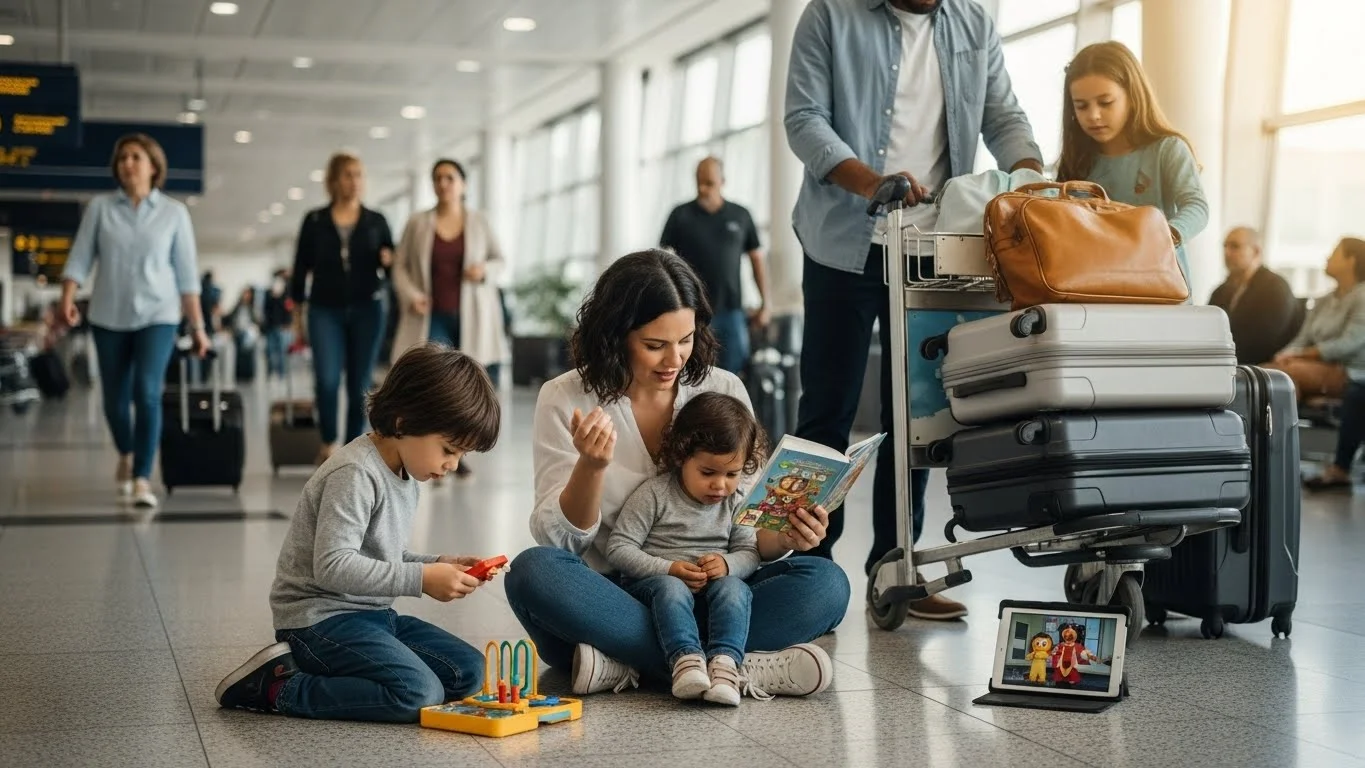
Once I recognized the common triggers, I started to develop strategies to mitigate them. For example, if we know we’ll be waiting in an airport, I involve my kids in planning what they can do during that time. We often brainstorm activities, like playing games on our devices, reading, or even having a little dance party in our seats. This way, they feel empowered to manage their boredom instead of succumbing to it.
In crowded situations, I make it a point to hold hands or use a child leash if necessary. I’ve found that having a physical connection gives them a sense of security. Additionally, explaining to them why we’re in a crowded place helps them understand and reduces anxiety. “We’re in the airport because we’re going on an adventure!” can help shift their focus to excitement rather than discomfort.
Dealing with Meltdowns and Frustrations
Immediate Strategies for Calming Down
Despite our best efforts, meltdowns can still happen. I remember a moment during a family trip when my daughter had a complete meltdown in a restaurant because she was overwhelmed. In those times, I’ve learned to adopt immediate calming strategies. I usually take her to a quieter spot away from the crowd to help her regain composure. I find that a simple deep-breathing exercise can work wonders. We take deep breaths together, counting to five, which often helps her refocus and calm down.
Another technique I’ve found effective is to validate their feelings. I often say, “I understand you’re upset, and it’s okay to feel that way.” This acknowledgment helps them feel heard and supported. Once they’ve calmed down, we can talk about what happened and how to handle it better next time.
Long-Term Strategies for Emotional Resilience
Beyond immediate responses, I believe it’s essential to build long-term emotional resilience in my kids. After a trip, I like to sit down with them and reflect on what went well and what was challenging. We talk about their feelings during the trip and how we can handle similar situations better next time. This reflective practice not only reinforces their emotional regulation skills but also strengthens our bond as a family.
Additionally, I’ve found that teaching them problem-solving skills can be incredibly beneficial. We often role-play different scenarios, like how to handle a disappointment or a change in plans. By practicing these skills, they feel more prepared to face emotional challenges on future trips. It’s like giving them a toolkit for navigating their feelings during our adventures.
Creating a Routine on the Go
Maintaining Consistency in Daily Activities
One thing I’ve discovered while traveling with kids is the importance of maintaining some form of routine. Even though we’re on the move, having consistent daily activities can help create a sense of security. For example, I try to keep our meal times and bedtime routines as close to home as possible. I remember a trip where we stayed up late one night, thinking it would be fun to explore after dark. While it was exciting at the moment, we paid for it the next day with cranky kids who struggled to adjust. Now, I make it a point to keep evening routines similar to what they have at home, which helps them feel grounded amidst the excitement of travel.
Even small things, like reading a bedtime story or having a special snack before bed, can make a big difference. I’ve noticed that these familiar activities provide comfort, making it easier for my kids to transition to sleep in new environments. This consistency not only promotes emotional regulation but also ensures everyone is well-rested and ready for the adventures ahead.
Flexible Routines that Adapt to Travel
While consistency is key, I’ve learned that flexibility is equally crucial. With kids, plans can shift unexpectedly, and instead of fighting it, I’ve decided to embrace the unpredictability. For instance, if we have a planned excursion but the kids are feeling particularly tired, I’ve found it beneficial to adjust our plans. I remember one day when we were supposed to visit a museum, but my daughter was feeling a bit off. We decided to have a low-key day at the hotel instead, enjoying some downtime by watching movies and playing games. It ended up being one of our favorite days!
Creating a flexible routine means being open to adapting our schedule based on how everyone is feeling. I’ve found that it’s helpful to have a list of potential activities we can choose from, allowing my kids to have a say in what we do next. This way, they feel empowered and involved in the decision-making process, which can uplift their spirits. Whether it’s a spontaneous day at the beach or an impromptu picnic in the park, being open to change can lead to some of the most memorable experiences.
Engaging Kids During Travel
Activities to Keep Kids Occupied
Keeping kids engaged during travel is essential for emotional regulation. I’ve tried different activities that work wonders to keep their minds and hands busy. For road trips, I love bringing along a travel activity book filled with puzzles, mazes, and coloring pages. I remember one long drive where my kids were fully absorbed in their books, and it made the miles fly by without any complaints. Besides books, I also like to pack small toys or games that they can play quietly in the car or on a plane.
In addition to individual activities, I find that group games are fantastic for fostering connection and cooperation. Simple games like “20 Questions” or “Would You Rather?” can spark fun conversations and make the time pass quickly. I’ve noticed that these interactive games not only keep them occupied but also bring us closer together as a family. It’s moments like these that remind me how travel can be a bonding experience, even when we’re stuck in a car for hours!
Involving Kids in Travel Planning
Involving my kids in the travel planning process has been a game-changer. I’ve found that when they have a hand in deciding what we do and where we go, they’re more excited and invested in the trip. During our last family vacation, we sat down together and created a list of places they wanted to visit. They loved feeling like they had a say in the adventure, which diminished any feelings of anxiety about the unknown.
We also make a visual itinerary together, marking each destination and activity on a chart. This not only builds anticipation but also helps them understand the flow of our travel days. I’ve noticed that when they can see what’s coming up, they are less likely to feel overwhelmed or anxious. Plus, discussing their ideas for activities gives them a chance to express their preferences, making them feel valued and heard.
Post-Travel Reflection and Bonding
Discussing the Travel Experience
After our trips, I make it a point to sit down with my kids and reflect on our experiences. We talk about the highlights, the fun moments, and even the challenges we faced. I remember a trip where my son was nervous about a particular activity, but after we talked about it, he realized how much he enjoyed it in the end. This reflection not only reinforces their emotional regulation skills but also helps us bond as a family.
During these discussions, I encourage them to share their feelings about what they enjoyed and what they found difficult. This open dialogue allows us to validate their emotions and learn together from each experience. I’ve found that acknowledging both the good and the challenging moments helps my kids develop emotional resilience, making them more prepared for future adventures.
Learning from Emotions During Travel
Every trip provides opportunities for growth and learning. I try to highlight any emotional lessons learned during our travels. For example, if we faced a stressful moment, I ask my kids how they felt and what they think we could do differently next time. This process has been eye-opening for all of us. It’s amazing to see how they articulate their feelings and come up with creative solutions.
By discussing the emotional ups and downs of our adventures, we not only strengthen their understanding of emotional regulation but also build a deeper connection as a family. I genuinely believe that these reflections are as important as the trip itself, as they prepare us for future journeys and help us grow together.
Frequently Asked Questions
What is emotional regulation and why is it important for kids while traveling?
Emotional regulation refers to the ability to manage one’s emotional responses to various situations. It is crucial for kids while traveling because new experiences can be overwhelming, and managing their emotions helps them cope with stress and unexpected changes, allowing them to enjoy the journey fully.
How can parents prepare for travel with kids?
Parents can prepare for travel by choosing the right destination that balances activities and quiet spaces, timing travel to align with kids’ natural sleep patterns, and setting realistic expectations by mixing planned activities with downtime.
What items should be packed for emotional comfort during travel?
Essential items for emotional comfort may include favorite stuffed animals, blankets, coloring books, and handheld games. These familiar items help provide security and keep kids entertained during trips.
What is a comfort kit for kids during travel?
A comfort kit is a small bag filled with items that soothe and engage kids, such as snacks, small toys, books, or journals. It serves as a proactive tool to help kids navigate their emotions during stressful moments.
What strategies can help manage kids’ anxiety before flying?
To manage kids’ anxiety before flying, parents can involve them in packing their carry-on bags, encourage them to share their feelings about flying, and play a “calm down” song as they wait to board, turning anxiety into something fun.
How can parents keep kids engaged during road trips?
Parents can keep kids engaged during road trips by planning regular breaks, packing activity books filled with puzzles and coloring pages, and playing group games like “20 Questions” or “Would You Rather?” to foster connection.
What communication techniques can be used with kids during travel?
Effective communication techniques include explaining the itinerary in simple terms, creating a travel chart, using positive language, and reinforcing good behavior to create an uplifting atmosphere.
How can parents recognize and mitigate emotional triggers for kids while traveling?
Parents can recognize emotional triggers such as long waits, unexpected changes, and hunger. To mitigate these triggers, they can plan activities during wait times, maintain physical connections in crowded places, and ensure snacks are readily available.
What immediate strategies can be used to calm kids during meltdowns?
Immediate strategies for calming kids during meltdowns include taking them to a quieter spot, practicing deep-breathing exercises, and validating their feelings to help them regain composure.
How can post-travel reflections benefit kids and families?
Post-travel reflections allow families to discuss highlights and challenges, validate emotions, and learn from experiences. This process strengthens emotional regulation skills and deepens family bonds, preparing everyone for future adventures.