
Traveling with toddlers can feel like a delightful adventure mixed with a touch of chaos. Navigating their needs and emotions while on the go can be tricky, but with the right strategies, we can make the journey enjoyable for everyone. For more insights on managing emotions, check out Traveling with Toddlers: Mastering Emotional Regulation.
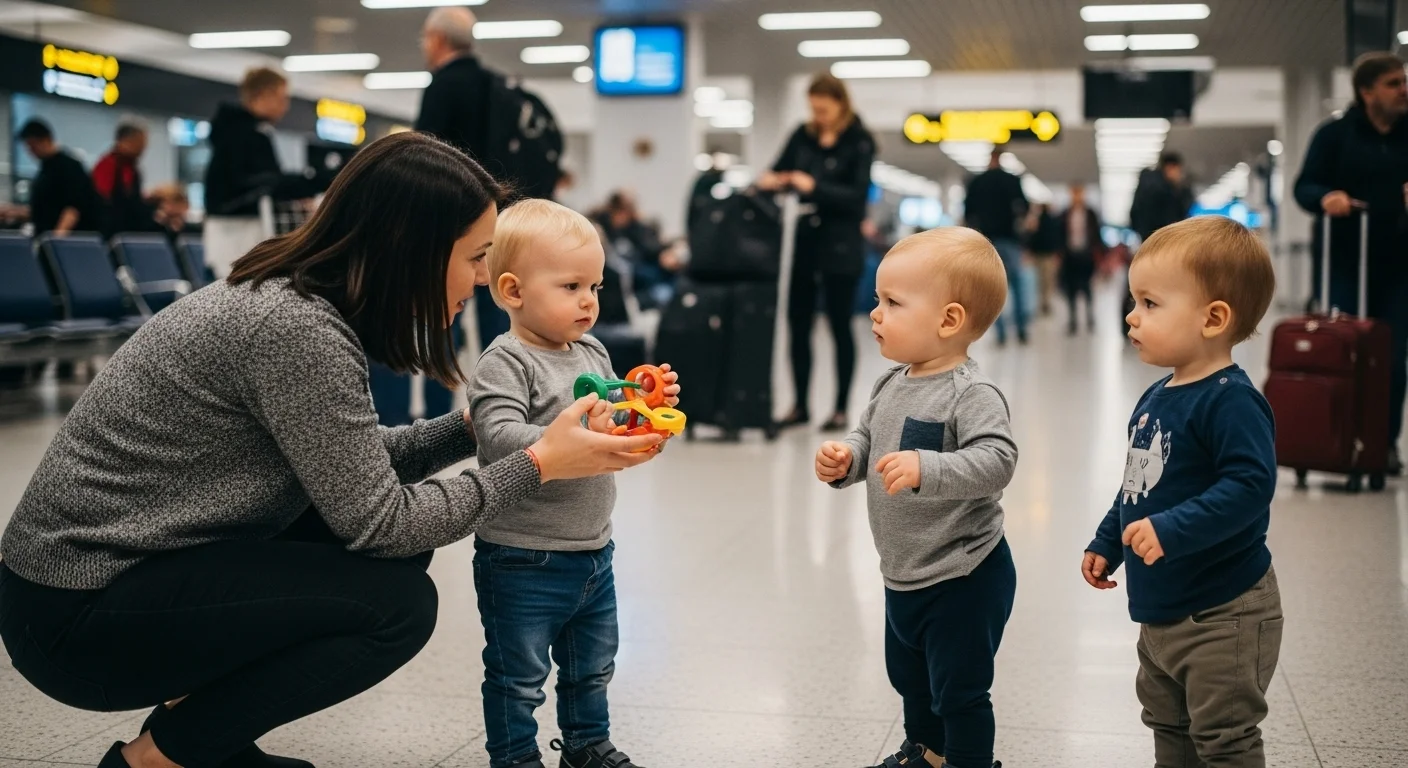
Understanding Toddler Behavior While Traveling
As parents, we often find ourselves perplexed by the whirlwind of emotions our toddlers experience while traveling. Understanding their behavior is crucial to mastering conflict resolution during these times. I’ve learned that it’s essential to recognize what drives our little ones and how we can support them through the ups and downs of travel.
Common Triggers for Conflict
Traveling introduces a host of new experiences, which can be both exciting and overwhelming for toddlers. I’ve noticed that there are several common triggers that can lead to conflicts during trips. For instance, changes in routine can throw them off balance. Toddlers thrive on familiarity, and when their sleep schedules or mealtime routines are disrupted, it can lead to meltdowns. I remember our last trip when my daughter skipped her afternoon nap. The resulting fussiness made our visit to the museum far less enjoyable.
Another major trigger is fatigue. A day of sightseeing can wear them out, leaving them cranky and irritable. I’ve also found that boredom plays a significant role; when toddlers have nothing to occupy their minds during long waits or rides, it can lead to restlessness and tantrums. It’s essential to anticipate these triggers and prepare ourselves and our little ones for the journey ahead. For more tips on engaging toddlers socially during travel, consider Traveling with Toddlers: Key Tips for Social Engagement.
Emotional Development in Toddlers
Understanding toddlers’ emotional development is key to navigating their behavior while traveling. At this age, they are still learning how to express their feelings, and they often lack the words to communicate effectively. I remember when my son was frustrated during a long flight; he didn’t know how to articulate his discomfort, leading to tears and frustration on both our parts.
We should be mindful that toddlers experience intense emotions, and they can fluctuate quickly. One moment they are excited about the destination, and the next, they are sobbing because they can’t have a toy from the gift shop. I’ve learned that being empathetic and acknowledging their feelings helps to de-escalate situations. When I say, “I can see you’re feeling upset because you want that toy,” it tends to calm them down and opens the door for problem-solving together.
Preparation Before the Trip
Preparation is vital when traveling with toddlers. I’ve discovered that the more organized I am, the smoother the trip tends to go. Here are a few strategies I’ve learned over the years.
Choosing the Right Destination
Selecting a destination that’s toddler-friendly can make all the difference. I’ve found that places with plenty of outdoor activities, parks, and interactive museums tend to be ideal. When we chose a beach resort last year, it was a hit! My kids had the freedom to run and play while I could relax a bit too. On the other hand, opting for a big city with too many attractions can lead to overstimulation. I recommend researching destinations that cater to families to minimize stress.
Packing Essential Items for Comfort
Packing is another area where I’ve learned to be strategic. Bringing along comfort items, like a favorite blanket or stuffed animal, has always helped my kids feel secure during travels. I also make sure to pack snacks they love, which can be a lifesaver during long waits or rides. My go-to is a mix of healthy snacks and some treats to keep them motivated. I’ve noticed that a little surprise can go a long way in keeping spirits high!
Setting Realistic Expectations
Setting realistic expectations is crucial. I’ve often had to remind myself that traveling with toddlers is not the same as traveling solo or with adults. We must expect delays and take things slow. I remember our first family trip; I thought we could see everything in one day. Instead, we ended up rushing and missing out on the joy of exploring. Now, I plan fewer activities and allow for downtime. This way, we can enjoy the moments without the pressure of a packed schedule.
Traveling Modes and Their Impact on Toddlers
The mode of travel can significantly impact how toddlers experience a trip. I’ve tried various means of transportation, and each has its own set of challenges and benefits.
Tips for Air Travel with Toddlers
When it comes to air travel, I’ve learned that preparation is essential. I always pack a variety of activities to keep them entertained. Coloring books, small toys, and even tablets loaded with their favorite shows can be lifesavers. I also make sure to explain the process to my kids, from going through security to boarding the plane. This helps them feel more in control and less anxious about what’s happening.
Traveling by Car: Managing Long Journeys
Car trips can be a mixed bag. I’ve found that making frequent stops can help break up the journey and allow the kids to stretch their legs. I also make a playlist of their favorite songs or audiobooks to keep them engaged. One thing that has worked well for us is creating a travel game where we look for specific signs or animals along the way. I’ve noticed that engaging them in this way keeps their minds off the journey and makes it more fun for everyone.
Train Travel: Benefits and Challenges
Train travel offers a unique experience. It allows for mobility and the freedom to move around, which can be great for toddlers. I’ve enjoyed the scenic views from trains, and my kids love watching the countryside go by. However, I’ve also had to remind them about staying seated and being mindful of other passengers. Bringing along a few games and snacks can help keep them entertained during the ride.
Conflict Resolution Strategies During Travel
Even with all the planning and preparation, conflicts can still arise while traveling with toddlers. I’ve learned that having some strategies in place can make a world of difference. It’s about knowing how to handle those tricky moments when things don’t go as planned.
Staying Calm: Techniques for Parents
One of the most important things I’ve discovered is the need for parents to stay calm. It’s easier said than done, especially when my child is throwing a tantrum in the middle of an airport. I’ve found that taking a few deep breaths can help me regain my composure. When I stay calm, it often helps my kids feel more secure. They can pick up on our emotions, so if I’m anxious or frustrated, it can escalate their feelings too.
One technique I use is to take a moment to pause. I remind myself that this is just a phase, and it will pass. I’ve also learned to speak softly to my child, providing reassurance rather than reacting with frustration. When I say, “I know you’re upset, and that’s okay. Let’s take a deep breath together,” it often redirects their attention and calms them down.
Distraction Techniques for Toddlers
Distraction can be a powerful tool. I’ve found that if I can shift my toddler’s focus away from what’s bothering them, it often diffuses the situation. During our last trip, I had a mini bag of toys and activities that were reserved just for travel. When my son started getting restless, I pulled out a sticker book, and his mood changed instantly. It’s amazing how a little creativity can turn things around!
Another trick I use is to engage them in conversation. Asking open-ended questions like, “What do you think we’ll see next?” or “Can you tell me about your favorite part of the trip so far?” helps redirect their thoughts. I’ve noticed that involving them in the journey also gives them a sense of control, which eases their frustration.
Using Positive Reinforcement
Positive reinforcement has been incredibly effective for us. I remember a time when my daughter was resisting getting on the shuttle bus at the airport. Instead of just insisting she get on, I offered a small reward for good behavior. I said, “If you get on the bus without fussing, we can have ice cream later!” This not only motivated her but also changed her perspective about the situation. I’ve found that celebrating small victories and being generous with praise can encourage toddlers to behave positively during travel.
Setting Boundaries and Rules
Setting clear boundaries and rules is also key, especially when it comes to safety. I’ve learned to explain what’s expected from my kids before we embark on trips. For instance, I always remind them about the importance of holding hands in crowded places or staying close to me when we explore a new area. When we set these rules together, they feel involved in the process and are more likely to adhere to them.
Consistency is crucial. During our last vacation, I made sure to repeat these rules whenever we transitioned to a new setting, and it seemed to reinforce their understanding. I’ve noticed that when they know the guidelines, they tend to feel more secure and less anxious about new experiences.
Engaging Activities to Minimize Conflict
To further minimize conflict, I’ve discovered that engaging activities play an essential role in keeping toddlers entertained and happy while traveling. Having a stash of fun ideas can be a lifesaver during long waits or unexpected delays.
Travel Games and Apps for Toddlers
Travel games are a fantastic way to pass the time. I always pack a few simple games we can play anywhere. Classic games like “I Spy” or “20 Questions” have worked wonders for us. They not only keep my kids engaged but also encourage their creativity and observation skills. I’ve found that these games help us bond as a family, making the travel experience more enjoyable.
Additionally, there are some great apps designed specifically for toddlers that are educational and engaging. I’ve downloaded a few that include interactive stories, puzzles, and learning games. I make sure the tablet is charged and that I have headphones handy. This way, if we’re stuck in a long line or on a delayed flight, the kids have something fun to focus on, which takes the pressure off everyone.
Interactive Storytelling Techniques
Interactive storytelling has also been a great way to keep my kids engaged. I’ve started to incorporate storytelling into our travels. I ask my children to help create the story as we go along, using our surroundings for inspiration. For instance, if we’re walking through a garden, I might ask, “What if the flowers could talk? What do you think they’d say?” This sparks their imagination and keeps them entertained without needing any extra materials.
Incorporating Learning into Travel
Lastly, I try to incorporate learning into our travel experiences. I’ve found that when my kids understand the history or significance of a place we’re visiting, it enhances their interest. Before we visit a museum or a historical site, I share fun facts or stories related to that location. I’ve noticed that this not only keeps their attention but also makes the trip feel more meaningful. It turns travel into an adventure filled with exploration and discovery. If you’re interested in helping your toddlers make friends while traveling, check out Guide to Helping Toddlers Make Friends While Traveling.
Managing Expectations: Flexibility is Key
One of the most important lessons I’ve learned while traveling with toddlers is the need for flexibility. No matter how perfectly I plan, things can change in an instant. I remember a family trip where our itinerary was completely derailed by a sudden rainstorm. Instead of panicking, I realized that adapting to the situation often led to unexpected fun. Embracing flexibility allows us to enjoy the journey, no matter what bumps might come our way.
Recognizing Signs of Overwhelm
As parents, we must be attuned to our toddlers’ signals. I’ve noticed some telltale signs that indicate my kids are becoming overwhelmed. These might include whining, clinging, or even sudden bursts of energy followed by a quick crash. When I see these behaviors, I know it’s time to take a break and regroup. Maybe we need to find a quiet spot to relax or grab a snack. I’ve found that when I respond to their needs promptly, it helps prevent bigger meltdowns later on.
In one instance, we were exploring a bustling market, and my son started to get fidgety and clingy. Instead of pushing through, we found a shaded area to sit and take a breather. We shared some snacks and talked about the colorful sights around us. This short break allowed him to recharge, and afterward, he was ready to explore again, with a big smile on his face.
Adjusting Plans on the Go
Along with recognizing signs of overwhelm, being willing to adjust our plans is crucial. I’ve learned not to be too rigid with the schedule. If something isn’t working, I’ve found it’s better to pivot rather than stick to a plan that causes stress. For instance, if we had planned to visit a museum but the kids are too tired, I’ll suggest a park where they can run around instead. This not only helps keep the mood light but also allows us to enjoy our time as a family without the pressure of a rigid itinerary.
Once, we had planned a full day of sightseeing in a city known for its historical landmarks. However, after a busy morning, my daughter started complaining about her feet hurting. Instead of pushing through, we decided to stroll down a nearby path that led to a beautiful botanical garden. It turned out to be one of our favorite parts of the trip, and we got to enjoy nature while letting the kids unwind. I’ve learned that sometimes the best memories come from unplanned moments.
Post-Travel Reflection and Learning
After returning from a trip, I find it helpful to reflect on our experiences. This practice not only helps me process everything that happened but also provides valuable insights for future travels. I think of it as a way to grow as a parent and a traveler.
Discussing the Trip with Your Toddler
One of my favorite activities after a trip is to sit down with my kids and discuss what we did. I ask them about their favorite moments, what they enjoyed the most, and even what they didn’t like. This conversation helps reinforce their memories and gives them a chance to express their feelings about the trip. I remember asking my son about our beach vacation, and he excitedly recalled building sandcastles and splashing in the waves. Hearing their perspective often brings back my own joyful memories and helps us bond over shared experiences.
Sometimes, I’ll create a scrapbook together with them using photos from the trip. This activity not only sparks conversation but also allows them to visualize their adventure, making it a fun project to do together.
Identifying What Worked and What Didn’t
Reflecting on what worked and what didn’t is equally important. I jot down notes on my phone or in a travel journal, considering aspects like what activities were successful, how we managed challenges, and what we could improve next time. For example, I might note that bringing extra snacks was a lifesaver but that we could have used more downtime in our schedule. This practice gives me a clearer picture of what to carry forward into our next family adventure.
By taking the time to reflect on our travels, I feel more prepared for future trips. I’ve realized that each journey teaches us something new, whether it’s about our kids’ preferences or our own parenting skills. As we continue to explore together, I’m excited to see how these lessons shape our future adventures.
Resources for Traveling with Toddlers
As I’ve navigated the challenges of traveling with toddlers, I’ve discovered some fantastic resources that have made the process easier and more enjoyable. Here are a few that I believe can help any family planning their adventures.
Books and Guides on Toddler Travel
There are numerous books and travel guides dedicated to family travel, offering practical tips and insights. I’ve found that reading about the experiences of other parents can provide new ideas and perspectives. Some of my favorites include “Traveling with Kids: The Ultimate Guide” and “Family Travel: The Guide to Traveling with Kids.” These books often cover everything from packing lists to managing expectations while traveling with young children.
Online Communities and Support Groups
Being part of online communities and support groups has been a game-changer for me. I’ve connected with other parents who share their experiences, advice, and encouragement. Websites like Facebook have groups specifically for traveling families, where you can ask questions and get recommendations based on first-hand experiences. I’ve learned so much from these communities, and it feels great to know I’m not alone on this journey.
Apps for Family Travel Planning
There are several apps that I find indispensable for traveling with toddlers. Apps like TripIt help organize our travel itinerary, while others like Roadtrippers help us plan routes and discover attractions along the way. Having everything in one place makes it easier to stay on track and reduces the stress of planning. I’ve also used apps for booking accommodations that cater to families, ensuring we have space and amenities that meet our needs.
Frequently Asked Questions
What are common triggers for conflict while traveling with toddlers?
Common triggers for conflict include changes in routine, fatigue, and boredom. Disruptions to their sleep or mealtime schedules can lead to meltdowns, while a lack of engaging activities during long waits can cause restlessness and tantrums.
How can I prepare for a trip with toddlers?
Preparation can include choosing a toddler-friendly destination, packing essential comfort items like favorite toys and snacks, and setting realistic expectations for the trip. Organizing activities and allowing for downtime can also enhance the travel experience.
What strategies can help manage long car journeys with toddlers?
Making frequent stops to allow kids to stretch, creating a playlist of their favorite songs or audiobooks, and engaging them in travel games can help manage long car journeys and keep them entertained.
What are some effective conflict resolution strategies during travel?
Staying calm, using distraction techniques, and providing positive reinforcement are effective strategies. Engaging toddlers in conversation and setting clear boundaries can also help prevent conflicts from escalating.
How can I recognize when my toddler is overwhelmed?
Signs of overwhelm may include whining, clinging, or sudden bursts of energy followed by a crash. Recognizing these signs can help parents know when to take a break and regroup.
What are some engaging activities to minimize conflict while traveling?
Travel games like “I Spy” or “20 Questions,” interactive storytelling, and learning activities related to the places being visited can keep toddlers entertained and engaged during trips.
What should I do if our travel plans need to change unexpectedly?
Being flexible and willing to adjust plans is crucial. If something isn’t working, it’s often better to pivot rather than stick to a rigid itinerary, allowing for unexpected fun and enjoyment.
How can I incorporate learning into our travel experiences with toddlers?
Incorporating learning can involve sharing fun facts or stories about places before visiting them, which makes the trip more meaningful and keeps the children’s interest piqued.
What resources can help in traveling with toddlers?
Books and guides on family travel, online communities and support groups, and family travel planning apps can provide valuable tips and insights for making the journey easier and more enjoyable.
How can post-travel reflection help improve future trips?
Post-travel reflection allows parents to discuss experiences with their toddlers, identify what worked and what didn’t, and gain insights that can lead to more successful future travels.