
Traveling with toddlers can be both an adventure and a challenge. Mastering emotional regulation during these trips is key to ensuring everyone has a memorable experience. How travel boosts healthy emotional growth in toddlers is an important aspect to consider.
Understanding Emotional Regulation in Toddlers
What is Emotional Regulation?
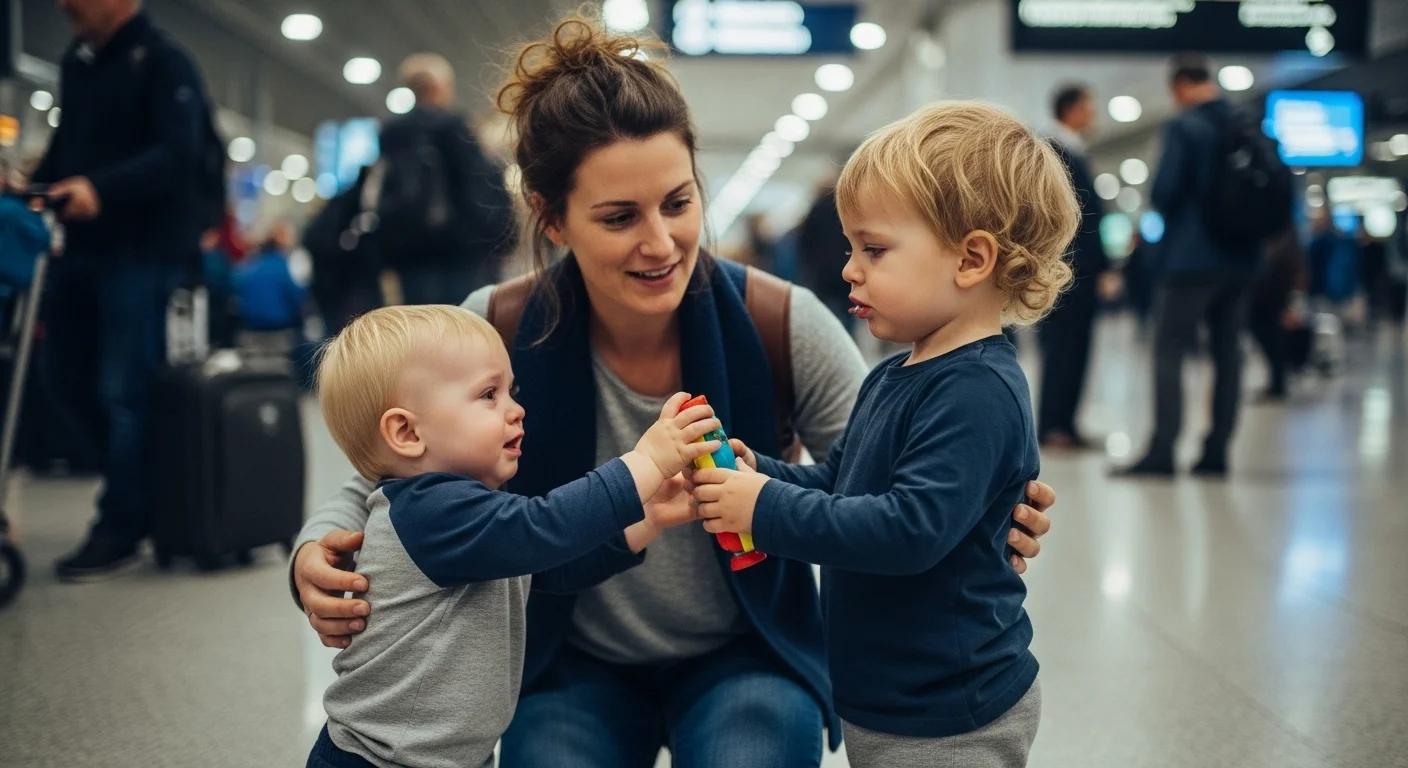
Emotional regulation is all about how we manage our feelings and reactions to different situations. For toddlers, this means learning to express their emotions appropriately and understanding what they’re feeling. I remember when my little one first started to throw tantrums; it was a confusing time for both of us. I learned that toddlers often lack the verbal skills to articulate their emotions, which can lead to frustration. They might feel angry, sad, or overwhelmed, but don’t know how to express these feelings properly. This is where emotional regulation comes in, helping them learn how to cope with their emotions in a healthy way.
Why is Emotional Regulation Important for Toddlers?
Emotional regulation is crucial for toddlers as it lays the foundation for their social interactions and relationships. I’ve seen firsthand how a toddler who can manage their emotions is more likely to play well with others and adapt to new situations. When children learn to regulate their emotions, they’re better equipped to handle stress and navigate the ups and downs of life. It also helps them develop resilience, a quality that will serve them well as they grow. For me, realizing the importance of emotional regulation changed how I approached parenting during travel. I began to see travel not just as a break from routine but as an opportunity to teach my child about managing feelings. Traveling with toddlers: Key tips for social engagement can provide additional insights on this topic.
Common Emotional Challenges in Toddlers
Toddlers face a variety of emotional challenges, especially during travel. Some common issues I’ve noticed include:
- Separation Anxiety: Being away from familiar surroundings and caregivers can make toddlers feel uneasy. I noticed this when we traveled to a new city—my child clung to me, unsure of the new environment.
- Overstimulation: Airports and busy attractions can overwhelm little ones. I’ve seen my child become cranky and irritable in these situations, often needing a quiet break.
- Fatigue: Traveling can disrupt a toddler’s routine, leading to tiredness and crankiness. I found that sticking to nap times as closely as possible helped counteract this.
- Frustration with Change: Toddlers thrive on routine, and traveling can disrupt their sense of security. I learned that communicating changes ahead of time can help ease this transition.
Understanding these challenges has helped me prepare better for our trips. I realized that being aware of what triggers emotional reactions in my toddler can make the journey smoother for all of us.
Preparing for Travel with Toddlers
Choosing Family-Friendly Destinations
When planning our trips, I always prioritize family-friendly destinations. Places that offer activities suited for children and have amenities like playgrounds or child-friendly restaurants make travel much easier. I remember a trip to a theme park where everything was designed with families in mind. My child was entertained, and I could relax knowing there were plenty of options for us to enjoy together. Researching destinations ahead of time can save you a lot of stress. I recommend checking online reviews from other parents to find places that are truly kid-friendly.
Travel Timing: Best Ages for Traveling with Toddlers
Determining the right age for travel with toddlers can be tricky. From my experience, I believe the best time to start traveling with a toddler is around 2 years old. At this age, they have some language skills and can express their needs better than before. They also might be more adaptable to new experiences. However, every child is different. I had a friend whose toddler was ready for travel at 18 months, while mine was still adjusting at that age. It’s all about knowing your own child’s temperament and readiness for new experiences.
Essential Packing for Emotional Comfort
Packing for a trip with a toddler goes beyond just clothes and diapers. I’ve learned that packing items that provide emotional comfort can make a world of difference. Here’s what I usually include:
Favorite Toys and Comfort Items
Bringing along familiar toys or comfort items like a favorite blanket or stuffed animal can soothe a toddler during travel. I found that having my child’s beloved stuffed bear helped them feel secure during long flights and hotel stays. It’s like bringing a piece of home along with us.
Snacks That Help Calm
Food plays a significant role in emotional regulation. I’ve discovered that snacks can either soothe or escalate emotions, depending on what we pack. I always bring healthy snacks like fruit, yogurt, and whole-grain crackers. I also include a few of their favorite treats, which can serve as a reward for good behavior during travel. Keeping their energy levels stable has made our trips more enjoyable.
Traveling Logistics and Their Impact on Emotions
Transportation Options: Plane, Train, or Car?
Choosing the right mode of transportation can greatly affect the emotional experience of our toddlers during travel. I’ve tried various options, and each has its own set of challenges and rewards. For instance, flying can be quick but often involves long lines and waiting periods. I remember our first flight with my toddler; the excitement quickly turned into anxiety as we navigated security and boarding. However, I found that bringing along entertainment and snacks helped keep my child calm during the flight.
On the other hand, road trips can be a great way to travel at your own pace. I love the flexibility it offers, allowing us to stop whenever we need a break. But I also noticed that being confined to a car seat for too long can lead to restlessness and frustration. To combat this, I make sure to schedule regular stops where my child can stretch, run around, and release some energy. Each transportation method has its pros and cons, and I’ve learned that tuning into my child’s mood can help guide the decision on what works best for us.
Managing Wait Times and Delays
Delays are inevitable when traveling, whether it’s waiting for your flight to board or sitting in traffic. These waiting periods can be tough on toddlers, and I’ve seen their patience wear thin pretty quickly. I remember a particularly long delay at the airport where my child began to fidget and whine. That taught me to always have a plan for managing these situations.
Now, I always pack a small bag of activities tailored to keep my child engaged during wait times. Coloring books, stickers, or small puzzles can work wonders. I’ve also found that involving them in counting down the time until boarding or using a timer can help them feel more in control. It turns the waiting into a game rather than an endurance test. Encouraging them to look around and observe their surroundings can also help distract from the waiting. We’ve even started playing “I Spy” to make the time go by faster.
Setting Realistic Travel Itineraries
One of the biggest lessons I’ve learned is the importance of setting a realistic travel itinerary. I used to over-schedule our days, thinking we could fit in all the sights we wanted to see. However, I quickly realized that toddlers thrive on a slower pace. They often need downtime to recharge, and pushing them too hard can lead to meltdowns.
Now, I aim to create a balance between activities and rest. I usually plan just a couple of key activities per day, leaving plenty of free time for exploration and relaxation. This way, we can enjoy each experience without feeling rushed. I’ve found that including some child-friendly attractions that allow for spontaneous playtime also helps keep the mood light and fun. It’s all about finding that sweet spot where we can create lasting memories without overwhelming ourselves or our little ones.
Strategies for Emotional Regulation During Travel
Recognizing Signs of Stress in Toddlers
Understanding when my toddler is starting to feel stressed has been a game-changer for our travels. I’ve learned to look for subtle signs that indicate they may be overwhelmed, such as fidgeting, whining, or an unusual quietness. These signals often precede a bigger emotional reaction if not addressed. For me, being attuned to these cues has allowed me to intervene early, providing comfort before it escalates into a full-blown tantrum.
Once, during a busy day at a museum, I noticed my child becoming increasingly quiet while clutching their favorite toy. I realized they needed a break, so we stepped outside for some fresh air and a snack. This simple act of pausing turned the day around and allowed us to continue exploring without further stress.
Techniques for Soothing an Upset Toddler
When emotional outbursts do happen, having a few soothing techniques in my back pocket has been incredibly helpful. One of my go-to strategies is to practice breathing exercises together. I remember the first time we tried it; I showed my toddler how to take deep breaths by pretending to blow up a balloon. It became a fun activity that helped redirect their focus and calm them down.
Breathing Exercises
Breathing exercises are simple yet effective. I often say, “Let’s take three big breaths together,” and we inhale deeply through our noses and exhale slowly through our mouths. It’s amazing how just a few breaths can lower anxiety levels and bring a sense of calm to the moment.
Distraction Techniques
Another technique I use is distraction. Sometimes, when emotions start to bubble over, I’ll engage my child with a quick game, like counting how many red cars we see or singing a favorite song. These distractions can shift their focus and help them forget what was upsetting them. I’ve found that keeping our environment fun and playful can do wonders in preventing emotional meltdowns.
Establishing Routines While Traveling
Maintaining some sort of routine while traveling has turned out to be very beneficial for us. I’ve realized that toddlers thrive on predictability, even in new environments. We try to keep a similar schedule to what we follow at home, especially regarding nap times and meals. For example, if my child usually has a nap at 1 PM, I’ll plan to find a quiet spot to rest around that time, even if we’re in a hotel or out exploring.
Additionally, I’ve found that having a simple bedtime routine can help signal to my child that it’s time to wind down after a busy day. We might read a story or listen to calming music before bed. These small rituals make our travels feel less chaotic and more comforting, helping my toddler feel secure no matter where we are. It’s all about creating that sense of normalcy amidst the adventure.
Activities to Engage Toddlers While Traveling
Interactive Games for the Journey
Keeping toddlers entertained during travel can sometimes feel like a full-time job. I’ve discovered that interactive games can be a lifesaver, especially during long waits or road trips. Simple games like “I Spy” or “20 Questions” can turn an ordinary moment into a fun bonding experience. For instance, I remember one car ride where we played “I Spy,” and my child was so engaged that the miles flew by! We took turns spotting things outside the window, and it kept their mind active and distracted from any discomfort of sitting still for too long.
Another game I love is the “I’m Going on a Picnic” challenge, where we add items to our imaginary picnic basket. This game not only helps with memory recall but also encourages creativity. It’s incredible how these games can transform travel time into enjoyable moments, all while reinforcing learning in a fun way.
Finding Kid-Friendly Attractions
When planning our trips, I always seek out attractions that are specifically designed for young children. I’ve learned that visiting places like aquariums, zoos, or interactive museums can be a hit. These locations often have areas where toddlers can touch and explore, which keeps them engaged and curious.
I remember visiting a zoo where there was a petting area. My child absolutely loved feeding the goats and sheep, which created such joyful moments. It was wonderful to see their face light up with excitement. I recommend checking online for local attractions that cater to younger audiences, as many places offer family packages or special events that can enhance the experience.
Incorporating Learning Experiences
Traveling doesn’t just have to be about fun; it can also be a learning opportunity. I’ve found that incorporating educational experiences into our trips can enrich the journey. For instance, when we visited a historic site, I enjoyed talking to my child about what we were seeing. I used simple language and concepts they could understand, making the information accessible and engaging.
We also like to pick up local books that reflect the culture or history of the area we are visiting. Reading these books together not only helps my child connect with what we’re experiencing but also makes for a cozy bedtime routine in a new place. I’ve noticed that these small educational moments can spark curiosity and lead to deeper conversations later on.
Another great way to learn is by involving my child in planning our activities. Allowing them to choose between a couple of options can give them a sense of ownership and excitement about the adventure ahead. This simple act of inclusion also helps them feel more connected and less anxious about the changes that come with travel.
Dealing with Emotional Outbursts
Understanding Triggers for Tantrums
As much as we try to plan and prepare, emotional outbursts can still happen. I’ve learned that understanding what triggers my toddler’s tantrums is crucial for managing them effectively. Common triggers I’ve noticed include hunger, fatigue, and overstimulation. I’ve found that when my child skips a meal or doesn’t get enough rest, it can lead to a meltdown.
One time, we were at a crowded festival, and my child was having a blast until they suddenly became overwhelmed by the noise and the number of people. Recognizing that we needed to step away and find a quieter space was important. These moments have taught me to be proactive in identifying potential stressors so I can address them before they escalate into a bigger issue.
Effective Responses to Tantrums
When tantrums do occur, I’ve found that my response makes a big difference. Remaining calm and composed is essential. I often remind myself that my toddler is not acting out to upset me; they are simply overwhelmed or struggling to express their feelings. One effective approach I’ve used is to kneel down to their level, making eye contact, and speaking softly. This connection can help them feel seen and understood.
During a particularly rough patch at a busy restaurant, my child started to cry out of frustration. Instead of reacting with frustration of my own, I gently held their hand and asked, “What’s bothering you?” This simple question opened a dialogue and allowed them to express their feelings, which helped to diffuse the situation. I believe that by validating their emotions and helping them articulate what they are feeling, we create a pathway towards calmness.
Creating a Calm Down Plan
Having a “calm down plan” in place has been a lifesaver for us. It’s a simple strategy that I’ve developed with my child to help them feel more secure when emotions run high. We’ve discussed simple steps they can take when they feel overwhelmed, such as finding a quiet spot, taking deep breaths, or asking for a hug. I remember creating a little visual chart together with pictures that represent each step; it’s now a helpful tool we can refer to when needed.
Incorporating this plan into our travels has made a noticeable difference. It gives my child something tangible to focus on when they’re upset, and it reassures them that it’s okay to feel big emotions. I’ve seen them use these techniques successfully, and it makes me so proud to see them take charge of their feelings in a constructive way.
Frequently Asked Questions
What is emotional regulation in toddlers?
Emotional regulation in toddlers refers to how they manage their feelings and reactions to different situations. It involves learning to express emotions appropriately and understanding what they’re feeling, which can be challenging due to their limited verbal skills.
Why is emotional regulation important for toddlers?
Emotional regulation is crucial for toddlers as it lays the foundation for their social interactions and relationships. It helps them manage stress, adapt to new situations, and develop resilience, which is beneficial as they grow.
What are common emotional challenges toddlers face during travel?
Common emotional challenges for toddlers during travel include separation anxiety, overstimulation, fatigue, and frustration with change. These challenges can make them feel uneasy or cranky in new environments.
What should I consider when choosing family-friendly travel destinations?
When choosing family-friendly destinations, prioritize places that offer activities suited for children and amenities like playgrounds or child-friendly restaurants. Researching online reviews from other parents can help identify suitable options.
What is the best age to start traveling with toddlers?
The best age to start traveling with a toddler is around 2 years old, as they typically have some language skills and can express their needs better. However, each child is different, and readiness may vary based on temperament.
What items should I pack for emotional comfort during travel?
For emotional comfort, pack favorite toys and comfort items, such as a beloved blanket or stuffed animal, along with healthy snacks that can help regulate emotions and provide comfort during travel.
How can I manage wait times and delays with toddlers?
To manage wait times and delays, pack small activities to keep your child engaged, such as coloring books or stickers. Involving them in counting down the time or playing games like “I Spy” can also distract them from the waiting.
What techniques can I use to soothe an upset toddler?
Breathing exercises and distraction techniques are effective for soothing an upset toddler. Practicing deep breaths together or engaging them in a quick game can help redirect their focus and calm them down.
How can I understand and respond to my toddler’s tantrums?
Understanding triggers for tantrums, such as hunger or fatigue, is essential. When tantrums occur, remaining calm, making eye contact, and validating their feelings can help diffuse the situation and guide them towards expressing their emotions.
What is a calm down plan, and how can it help during travel?
A calm down plan is a strategy developed with your child to help them manage their emotions when feeling overwhelmed. It includes steps like finding a quiet spot or taking deep breaths, providing them with tangible tools to focus on during stressful moments.