
Traveling with toddlers can be a thrilling adventure, but it often comes with its fair share of challenges. Taming tantrums on the go requires a bit of preparation and a lot of patience! Read Interesting article: Traveling with Toddlers: Smart Discipline Strategies to Use
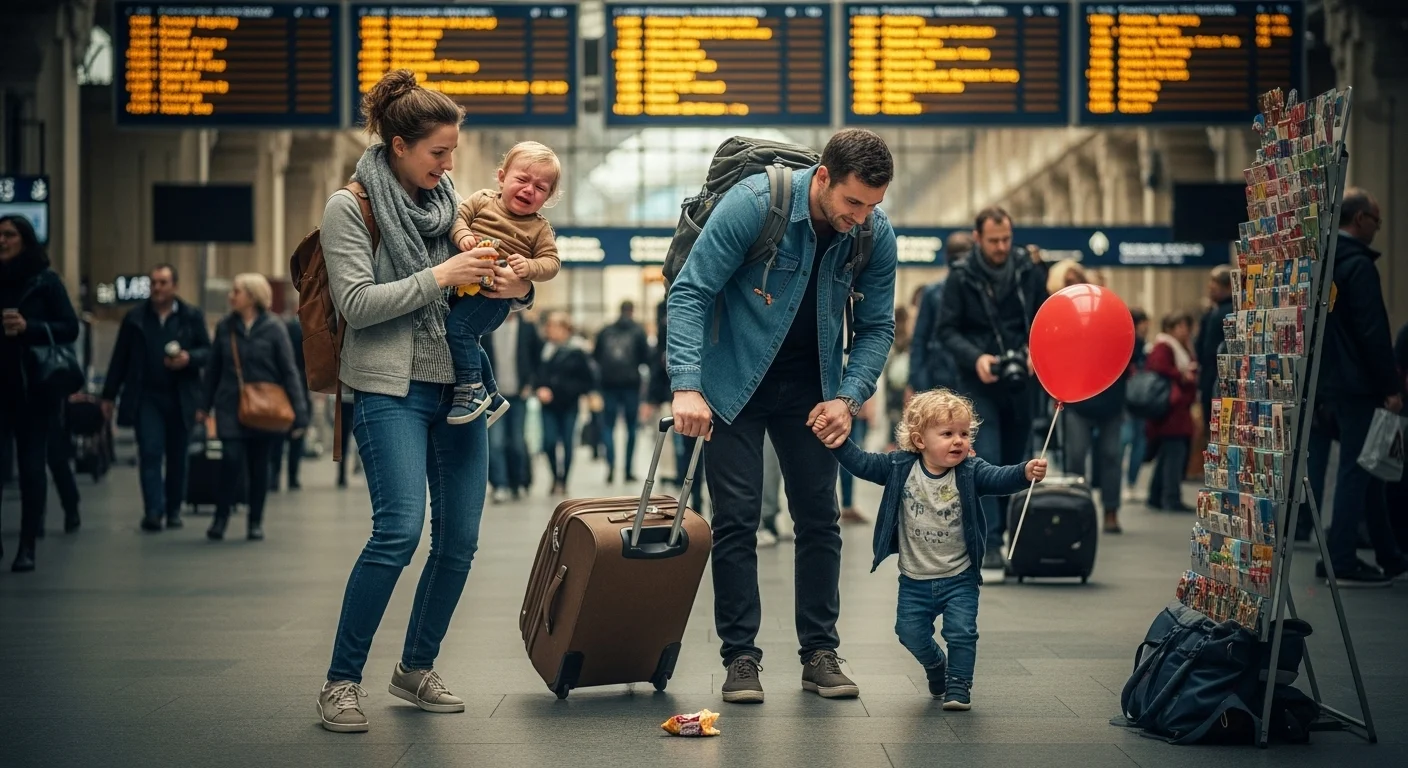
Understanding Toddler Tantrums
As a parent, I’ve experienced my fair share of toddler tantrums, especially during travel. It can be surprising how quickly a joyful moment can turn into a full-blown meltdown. Understanding why these tantrums happen is crucial for both our sanity and our little ones’ comfort. I’ve learned that it helps to see tantrums as a natural part of their development rather than just a nuisance. They’re exploring their emotions and testing boundaries, and travel can intensify these experiences.
What Triggers Tantrums While Traveling?
Traveling disrupts the familiar routines that toddlers thrive on. I’ve noticed that changes in environment, lack of sleep, and overstimulation can easily lead to tears and frustration. For instance, when we went on a family road trip, my daughter had a meltdown at a rest stop. She was tired from the car ride, and the unfamiliar surroundings overwhelmed her. It became clear that even minor changes could trigger big reactions. Other common triggers I’ve experienced include:
- Hunger: A hungry toddler is often an unhappy one. I’ve learned to carry snacks to avoid any meltdowns.
- Overstimulation: New sights and sounds can be exciting, but they can also cause anxiety. I try to give my child some quiet time in between activities.
- Fatigue: Travel often leads to disrupted nap times. Keeping track of sleep schedules is essential in our case.
- Loss of Control: Toddlers love independence. When they can’t decide what to do next, it can lead to frustration.
Developmental Stages of Toddlers and Emotional Regulation
Understanding the developmental stages of toddlers has been a game changer for me. Kids between the ages of 1 and 3 are learning how to express their feelings, but often lack the words to communicate. This can lead to tantrums when they feel frustrated or overwhelmed. During our travels, I made a point to observe how my child reacted to stressors. I realized that when I acknowledge her feelings, it helps her regulate her emotions better. Here are a few developmental insights that I found helpful:
- Language Development: As they learn new words, they might express themselves better. I started encouraging my daughter to use her words to describe her feelings during our trips.
- Social Skills: Toddlers are learning about sharing and interacting with others. I found that bringing along a friend or playmate helped ease some of the tension during travel.
- Independence and Autonomy: Offering choices can empower toddlers. I often let my daughter pick out a snack or choose a toy to bring along.
With this understanding, I can better empathize with my child and anticipate potential tantrums. It’s all about meeting them where they are emotionally and giving them the tools to cope.
Preparing for Travel with Toddlers
Preparation is key to a smooth travel experience with toddlers. I’ve found that a little planning goes a long way in preventing issues before they arise. Here are some tips I’ve learned through trial and error:
Choosing the Right Destination
Choosing a destination that caters to toddlers can make a huge difference. I remember planning a trip to a bustling city, only to realize that the fast pace and crowds were too overwhelming for my daughter. Opting for family-friendly locations with parks, playgrounds, and activities designed for little ones has made our trips much more enjoyable. Look for places that offer attractions suitable for young children, as it can help keep them entertained and happy. Read Interesting article: Effective Discipline Strategies for Traveling with Toddlers
Traveling Methods: Air, Train, or Car?
Deciding how to travel is just as important. I’ve taken road trips, flights, and train journeys, and each has its pros and cons. For shorter trips, I often prefer driving, as it allows for more flexibility with stops and breaks. Longer distances can be more manageable by train or plane, but I’ve learned that I need to prepare more for these options. For example, when flying, I pack extra snacks, toys, and a tablet loaded with games and shows to keep my daughter entertained throughout the journey.
Essential Packing Tips for Toddler Travel
Packing for a toddler can feel daunting. Over the years, I’ve developed a system that has made this task easier. I always pack:
- Comfort Items: A favorite blanket or stuffed animal can bring comfort and security during travel.
- Snacks: I always pack a variety of healthy snacks to prevent hunger-induced tantrums.
- Entertainment: A small backpack filled with toys, books, and electronic devices helps keep my toddler busy.
- Clothing: I pack extra clothes in case of spills or accidents, as well as layers for different climates.
Travel Insurance and Safety Considerations
Traveling with toddlers means being prepared for the unexpected. I highly recommend looking into travel insurance for peace of mind. It protects against cancellations, medical emergencies, and other unforeseen issues. Additionally, I always double-check safety measures, such as car seats for road trips or child safety harnesses for air travel. Knowing that I’m prepared helps me relax and enjoy the trip, even when things don’t go as planned.
Managing Expectations: What to Anticipate
When it comes to traveling with toddlers, managing our expectations can make a big difference. I’ve learned that if I go into a trip with a clear understanding of what to expect, I can stay more relaxed and flexible when challenges arise. Here are some key areas to focus on:
Understanding Your Toddler’s Routine
Every parent knows how crucial routines are for toddlers. I remember the first time I decided to throw caution to the wind and change our schedule completely during a trip. My daughter was out of sorts, and I quickly realized that I had disrupted her nap and meal times. Keeping some semblance of her regular routine can help minimize stress. I’ve found that even small things, like maintaining her usual snack times or scheduling quiet activities after meals, can help maintain her mood throughout the day. It’s all about finding that balance between exploration and comfort.
Setting Realistic Travel Goals
As I planned our trips, I started to consider what I truly wanted to accomplish. I used to fill our itinerary with all the must-see attractions, but this often led to frustration when my daughter couldn’t keep up. Setting realistic goals has become essential for our family travels. I’ve learned to pick a few key activities each day and leave plenty of time for unplanned stops or downtime. This way, I can ensure we’re not rushing around, and if my toddler needs to take a break, we can easily fit that into our day.
Time Management: Balancing Activities and Rest
I cannot stress enough how important time management is when traveling with toddlers. I remember one trip where I packed our days with back-to-back activities, thinking we’d get to see and do as much as possible. By midday, both my daughter and I were exhausted, and her moods reflected that. Now, I plan for breaks in between our activities. Whether it’s a lunch break at a park or a simple stroll to unwind, these moments help recharge our batteries. I aim for a mix of exploration and relaxation, which has resulted in much happier travels for all of us.
Strategies to Tame Tantrums on the Go
Even with the best-laid plans, tantrums can still happen. When they do, having a few strategies up my sleeve can help us navigate those tricky moments. Here are techniques that have worked well for my family:
Distraction Techniques: Toys, Games, and Apps
Distraction has become one of my go-to strategies for taming tantrums. I keep a small bag of toys and activities ready for our travels. Simple games, coloring books, or puzzles can capture my daughter’s attention and shift her focus away from whatever is causing her distress. I also found that some age-appropriate apps on my tablet can keep her engaged for a while. I take care to download new games and videos before our trip to keep things fresh and exciting. It’s amazing how a little distraction can turn a tantrum into giggles! Read Interesting article: Traveling with Toddlers: Inspiring Creative Play on a Budget
Comfort Items: Blankets and Stuffed Animals
Comfort items are a must-have for my toddler during travel. I always make sure to pack her favorite blanket and stuffed animal. When she starts to feel overwhelmed, having a familiar item nearby can work wonders. I remember one particular flight where she got anxious; hugging her stuffed animal helped calm her down. That sense of security is important when everything else feels new and overwhelming.
Food and Snacks: Keeping Hunger at Bay
Hunger can be a major tantrum trigger, and I learned this the hard way. I always pack a variety of healthy snacks to keep my daughter satisfied while we’re on the move. I try to include a mix of her favorites and some new options to keep things interesting. Keeping her fed and happy has been a game changer. Plus, taking snack breaks allows us to pause, sit, and recharge together, which gives us both a much-needed moment to unwind.
Establishing Breaks and Downtime
One of the best lessons I’ve learned is the importance of incorporating breaks into our travel schedule. It’s easy to forget that toddlers may need more downtime than we do. I find that planning for short rest periods—whether it’s a few minutes of quiet time in a park or just sitting to enjoy a snack—can help re-energize my daughter and prevent meltdowns. These moments allow her to process her surroundings and keep her from becoming overstimulated.
Travel-Friendly Activities for Toddlers
Finding ways to keep my toddler engaged during travel has been a fun challenge. I’ve come up with a list of travel-friendly activities that can make the journey more enjoyable for both of us:
Interactive Games for the Journey
I love interactive games that we can play together, whether we’re in the car or waiting at an airport. Classic games like “I Spy” or “20 Questions” not only keep her engaged but also foster our connection during the travel experience. I also discovered several travel-sized board games that are perfect for on-the-go entertainment. They make for a fun way to pass the time while waiting for our next adventure.
Engaging with Local Culture: Toddler-Friendly Attractions
When we reach our destination, I look for toddler-friendly attractions that allow my daughter to engage with the local culture. This could be a children’s museum, a petting zoo, or a local park with a playground. I’ve found that these types of experiences can be enriching and provide opportunities for her to learn and explore in a fun way. Plus, they often have activities specifically designed for little ones, making it easier for her to participate.
Storytelling and Music: Keeping Them Entertained
Storytelling and music have become essential parts of our travel routine. I always have a selection of audiobooks and playlists ready to go. Listening to stories or singing together can turn even the longest car ride into a fun experience. I also encourage my daughter to share her own stories, which sparks her imagination and keeps her entertained. It’s a beautiful way to make memories together while traveling.
Handling Tantrums During Travel
Calm Down Techniques for Parents
In the midst of a toddler tantrum, I’ve found that staying calm is crucial. It’s not always easy, especially when I’m stressed or in a crowded place. I remember one trip when my daughter had a meltdown in the middle of a busy airport. People were staring, and my heart raced. But I realized that my reaction mattered more than anything. Taking a deep breath and reminding myself that this was a phase helped. I started using a few techniques that have really worked for us:
- Deep Breathing: I’ve learned to model deep breathing for my daughter. When she sees me take a few slow, deep breaths, it often encourages her to do the same. We turn it into a game, pretending to blow up balloons, which makes it more fun.
- Positive Affirmations: I try to use reassuring phrases like, “It’s okay to be upset. Let’s talk about it.” This helps her feel validated, and I’ve noticed it often calms her down faster.
- Taking a Break: If possible, finding a quiet corner or stepping outside for a moment can be a great way to reset the situation. I’ve found that a change of scenery can work wonders.
Creating a Safe Space for Tantrums
Having a designated “safe space” during our travels where my daughter can let out her emotions has been helpful. Whether it’s a quiet corner in a park or a spot in the hotel room, I make sure she knows it’s okay to express herself. During one of our trips, we found a small, cozy nook in a museum where we could sit and take a break. I encouraged her to use that space whenever she felt overwhelmed. This approach not only gives her a physical place to calm down but also helps her understand that it’s alright to have feelings and that she can work through them at her own pace.
Effective Communication with Your Toddler
Communication has become a powerful tool for me in managing tantrums. I’ve learned that simply acknowledging my daughter’s feelings can make a world of difference. When she starts to feel upset, I try to get down to her eye level and ask her what’s bothering her. Using simple language helps her express her feelings better. For example, I might say, “I see you’re upset. Did something scare you?” This not only shows her that I’m listening but also provides her with the opportunity to articulate her emotions. Sometimes, just labeling her feelings can help her feel understood and less alone in that moment.
In addition to verbal communication, I try to be aware of nonverbal cues. I remember one trip when my daughter was quietly sulking after we told her it was time to leave a play area. Instead of pushing her to move on, I knelt beside her and gently asked if she wanted to talk about it. This little act of kindness opened the door for her to express her frustration, and we were able to transition much more smoothly. It’s all about fostering an environment where she feels safe to share her feelings.
Post-Travel Tips for Parents
Reflecting on the Journey: What Worked and What Didn’t
Once we return from a trip, I’ve found it helpful to take a moment to reflect on our experiences. I like to sit down with my partner and discuss what went well and what we could improve next time. We talk about those moments that brought us joy and those that were challenging. This reflection process has helped us identify patterns in my daughter’s behavior and our responses to different situations. I often jot down notes in a travel journal, capturing insights and lessons learned, which serves as a useful reference for future trips.
Re-establishing Routine After Travel
Getting back into our routine after a trip can be crucial for my daughter’s emotional well-being. I’ve noticed that after returning home, she often feels a bit out of sorts. To help her transition, I make an effort to stick to her regular schedule of meals and nap times. I also reinstate familiar activities, like reading her favorite bedtime story. This sense of normalcy really helps ground her. I’ve found that maintaining these routines can ease the post-travel blues and help her adjust back to life at home.
Building Positive Travel Memories
One of my favorite parts of traveling is the opportunity to create lasting memories with my daughter. I make it a point to talk about our adventures after we return. We look through photos together, share stories, and even create a scrapbook of our travels. This not only helps her remember the fun we had but also reinforces the idea that it’s okay to experience a mix of emotions while traveling. I believe that by focusing on the positive aspects and laughing about the challenges, we can build a foundation of positive travel experiences that she will cherish for years to come.
Resources for Traveling with Toddlers
Recommended Apps and Websites
As a parent, I’ve discovered a wealth of resources that can make traveling with toddlers easier and more enjoyable. There are some fantastic apps and websites designed specifically for families on the go. For instance, I often use apps like “Roadtrippers” to plan our routes with kid-friendly stops along the way. This not only makes the journey more manageable but also adds an element of excitement for my daughter. Websites like “Family Vacation Critic” provide valuable insights into family-friendly accommodations and attractions, which has saved us time in our planning process.
Books and Guides for Parents
I’ve found that reading books and guides about traveling with children can be incredibly helpful. Some of my favorites include “Traveling with Kids: The Ultimate Guide” and “The Family Travel Handbook.” These resources offer practical tips and real-life experiences that have inspired our family adventures. They provide insights into the best practices for traveling with toddlers, which I’ve appreciated during our trips.
Parenting Communities and Forums for Support
Connecting with other parents who share similar experiences has been a game changer for me. I’ve joined online parenting forums and social media groups dedicated to traveling with kids. These communities provide a platform to share tips, ask questions, and find support when things get tough. I love hearing stories from other parents, and often, their ideas inspire our next family trip!
Frequently Asked Questions
What are some common triggers for toddler tantrums while traveling?
Common triggers for toddler tantrums while traveling include hunger, overstimulation from new sights and sounds, fatigue due to disrupted nap times, and loss of control when they can’t decide what to do next.
How can understanding developmental stages help in managing toddler tantrums?
Understanding developmental stages helps parents empathize with their toddlers and anticipate tantrums. Toddlers between the ages of 1 and 3 are learning to express their feelings but may lack the words to communicate, which often leads to frustration and tantrums.
What preparation tips can help ensure smoother travel with toddlers?
Preparation tips for smoother travel include choosing family-friendly destinations, deciding on the best travel method (car, train, or plane), and packing comfort items, snacks, entertainment, and extra clothing for unexpected situations.
How important is maintaining a toddler’s routine during travel?
Maintaining a toddler’s routine during travel is crucial as it helps minimize stress and keeps them in a familiar rhythm. Small adjustments, like keeping usual snack times or scheduling quiet activities, can support their mood throughout the day.
What strategies can be used to distract toddlers during tantrums?
Distraction techniques include using toys, games, and age-appropriate apps to shift their focus away from distress. Packing a small bag of activities can help keep toddlers engaged during travel.
What role do comfort items play in managing toddler tantrums?
Comfort items, such as favorite blankets or stuffed animals, provide a sense of security for toddlers during travel. These familiar items can help calm them down when they feel overwhelmed or anxious.
How can parents effectively communicate with their toddlers during tantrums?
Effective communication involves acknowledging the toddler’s feelings, getting down to their eye level, and using simple language to help them express what’s bothering them. This validation can help them feel understood and less alone.
What should parents do after returning home from a trip with toddlers?
After returning home, parents should re-establish routines to help their toddlers adjust back to normalcy. This includes sticking to regular meal and nap times and reinstating familiar activities to ease the transition.
What are some recommended resources for parents traveling with toddlers?
Recommended resources include apps like “Roadtrippers” for planning kid-friendly routes, books like “Traveling with Kids: The Ultimate Guide” for practical tips, and online parenting communities for support and shared experiences.
What are the benefits of building positive travel memories with toddlers?
Building positive travel memories helps toddlers remember fun experiences and reinforces the idea that it’s okay to experience a mix of emotions while traveling. Reflecting on trips together can create lasting bonds and cherished memories.