
Exercising during pregnancy is often shrouded in confusion, filled with advice that swings between caution and encouragement. Let’s clear the air and explore the truths and myths surrounding this important topic!
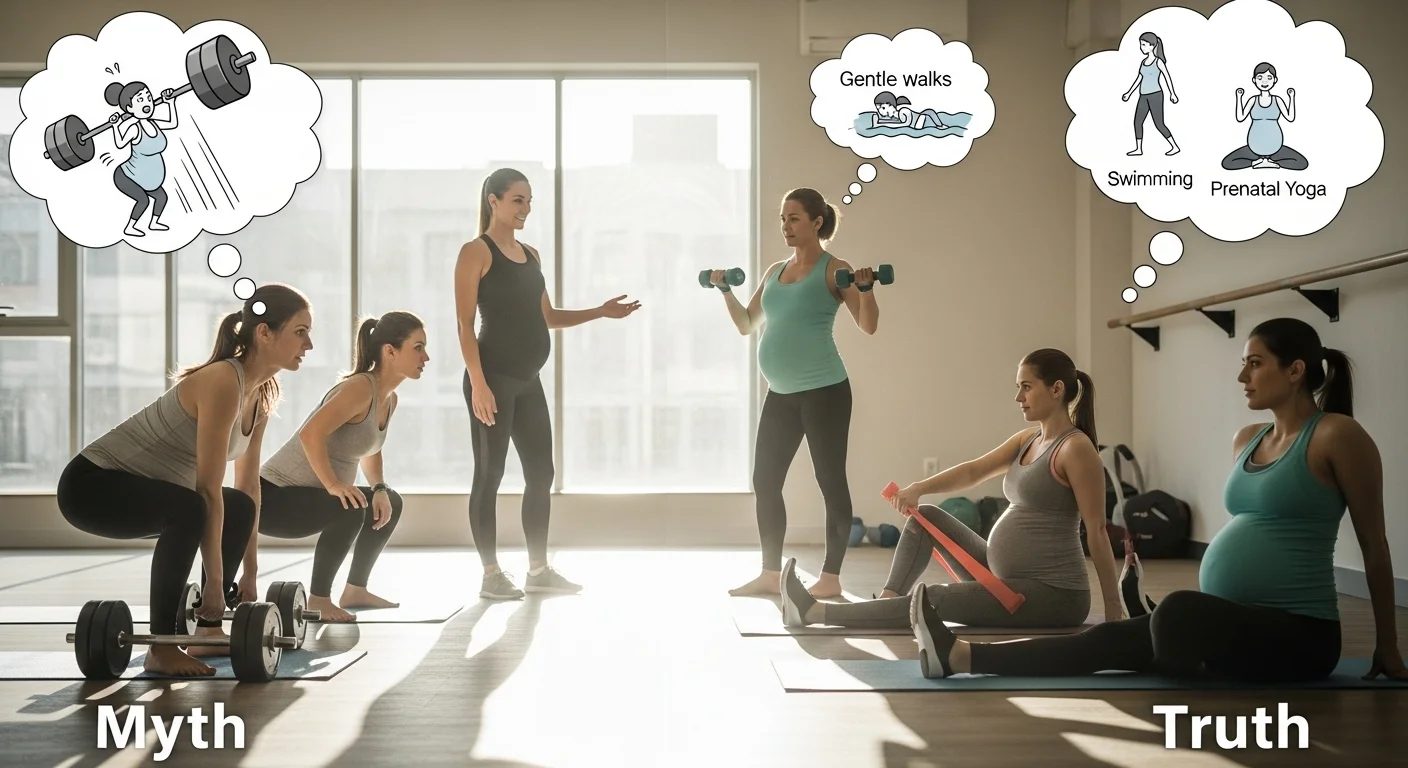
Understanding the Importance of Exercise During Pregnancy
When I found out I was pregnant, I had so many questions swirling in my mind. One of the biggest was about exercise. Should I continue working out? What was safe? I soon discovered that staying active during pregnancy has numerous benefits, not just for the body but for the mind and soul as well. Stay Safe: Top Tips for Exercising During Pregnancy can provide additional insights.
Benefits of Staying Active
From my experience, the benefits of exercise during pregnancy are nothing short of amazing. First and foremost, staying active can help manage weight gain. I learned that gaining too much weight can lead to complications, but regular exercise can help keep things in check.
Exercise also plays a crucial role in reducing common pregnancy discomforts. For example, I noticed that my back pain was significantly less when I was consistently active. Furthermore, it can improve mood and energy levels, which is something I truly appreciated during those tired, early days of pregnancy. Many studies suggest that regular physical activity reduces the risk of prenatal depression, something I found to be a real game-changer.
Additionally, exercising during pregnancy can enhance sleep quality. I remember those restless nights, and I realized that a good workout during the day could lead to a more restful night. It also prepares the body for labor and delivery by increasing stamina and strength. Who wouldn’t want to feel more prepared for such a monumental task?
Physical Changes During Pregnancy
As my body changed, I became acutely aware of how exercise could help me adapt. Pregnancy brings about a myriad of physical changes, from weight gain to hormonal fluctuations. I often felt like a stranger in my own body, but staying active helped me feel more in control. I realized that understanding these changes is key to navigating them effectively.
For instance, my center of gravity shifted as my belly grew, which altered my balance. I learned that certain exercises could help strengthen my core and improve my stability. This was vital, especially as I approached the later stages of pregnancy when I felt more clumsy. I’ll never forget the joy of completing a workout that made me feel strong and capable, even with my growing belly.
Common Myths About Exercising During Pregnancy
The journey of discovering the truth about exercising while pregnant also meant debunking some common myths. I found myself encountering a lot of misconceptions that could easily deter pregnant women from staying active. For more details, check out Separating Fact from Fiction: Common Pregnancy Myths Explained.
Myth 1: Exercise is Dangerous for the Baby
One of the first myths I came across was the idea that exercising could harm the baby. I felt a wave of relief when I learned that, for most women with healthy pregnancies, exercise is not only safe but beneficial. I consulted my healthcare provider, who reassured me that engaging in moderate exercise reduces the risk of complications.
Myth 2: Pregnant Women Shouldn’t Lift Weights
Another myth that caught my attention was the belief that weightlifting is off-limits. I remember my friend mentioning this, and it made me hesitate about incorporating strength training into my routine. However, I found out that lifting weights can be safe, as long as I focused on proper form and lighter weights. I gradually adapted my routine and discovered that strength training helped me maintain muscle tone, which was essential as my body changed.
Myth 3: You Shouldn’t Exercise If You Didn’t Before Pregnancy
This myth really struck a chord with me. I had always been somewhat active, but I wasn’t a gym rat. I feared that starting a new exercise regimen would be too much. To my surprise, I learned that it’s entirely possible to start exercising during pregnancy, even if I hadn’t been active before. I began with gentle activities, like walking and prenatal yoga, and it made a world of difference in my energy levels and mood.
Myth 4: All Forms of Exercise Are Unsafe
Lastly, I found out that not all exercises are created equal. While some high-impact sports might indeed be risky, there are plenty of safe options. I discovered a variety of activities that I could perform, like swimming, stationary cycling, and even modified yoga. It was empowering to learn about the options available to me, and I felt more confident in choosing what worked best for my body.
Truths About Exercising Safely During Pregnancy
Safe Types of Exercise
As I delved deeper into the world of pregnancy and exercise, I discovered that there are many safe ways to stay active. It was comforting to know that I had options, and I could choose activities that fit my lifestyle and comfort level. Here are some types of exercise that I found particularly beneficial.
Aerobic Activities
Aerobic exercises quickly became my favorite. I remember the first time I went for a brisk walk in the park—just me, the fresh air, and my thoughts. Walking is such a simple yet effective way to get my heart rate up. I also enjoyed swimming; it was refreshing and took the pressure off my joints. Water workouts felt so liberating, especially as my belly grew. I learned that moderate-intensity aerobic activities can help improve cardiovascular health, boost mood, and even prepare the body for labor.
Other great options I found included stationary cycling and low-impact aerobics. I was pleasantly surprised to see how much I could engage in without feeling overwhelmed. Listening to music or podcasts made these sessions feel less like a chore and more like a joyful part of my day.
Strength Training
I hesitated at first, thinking strength training might be too intense during pregnancy. However, once I did my research and consulted with my healthcare provider, I realized that I could safely incorporate it into my routine. I started with light weights and focused on bodyweight exercises like squats and modified push-ups. I found that these activities not only helped maintain muscle tone but also provided me with a sense of empowerment. There’s something incredibly fulfilling about feeling strong and capable, especially when my body was changing so dramatically.
It was also essential for me to avoid exercises that put too much strain on my back or that involved lying flat on my back, especially in later trimesters. I adapted my routine based on how I felt and what my body needed, which made a huge difference.
Flexibility and Stretching Exercises
As my pregnancy progressed, I realized the importance of flexibility and stretching. I began incorporating gentle yoga into my routine, which helped me connect with my body in a soothing way. I appreciated how these sessions were not just about physical stretching; they also allowed me to breathe deeply and focus on mindfulness. I always felt rejuvenated after a good yoga session, and it helped ease tension in my back and hips.
Stretching became a crucial part of my daily routine, especially as I noticed tightness in my muscles. Simple stretches like cat-cow and gentle side bends kept me limber and relaxed throughout the day. I often looked forward to these moments of tranquility.
Guidelines for Exercise Intensity
One of the biggest lessons I learned was about the intensity of my workouts. I had read about the talk test, which helped me gauge whether I was exercising at a safe level. If I could carry on a conversation while working out, I knew I was in the right zone. This guideline gave me the confidence to push myself a little without overdoing it.
I also paid attention to how my body responded during and after workouts. If I felt overly fatigued or experienced any discomfort, I knew it was time to dial it back. Listening to my body became a theme throughout my pregnancy journey, reminding me that it’s okay to modify my routine as needed.
How to Listen to Your Body
Listening to my body became one of the most important skills I developed during pregnancy. There were days when I felt energetic and ready to tackle a workout, and other days when I just wanted to curl up on the couch. I learned to honor those feelings and adjust my activities accordingly. When I was feeling up to it, I’d go for a longer walk or try a new class. On days when I was fatigued, I’d opt for gentle stretching or even just a leisurely stroll.
I also kept a journal to track my workouts, how I felt afterward, and any changes I noticed in my body. This practice helped me reflect and make adjustments based on my experiences. It was empowering to take control of my fitness journey while being mindful of my limits.
Ultimately, I discovered that staying active during pregnancy doesn’t have to be overwhelming or rigid. It’s all about finding what works for you, being flexible, and enjoying the process. The right exercise routine can make a world of difference in how you feel, both physically and emotionally, during this incredible time in your life.
Precautions to Take When Exercising
Consulting Your Healthcare Provider
Before diving into any exercise routine during pregnancy, I found it incredibly important to consult my healthcare provider. They became my go-to source for understanding what was safe for me and my baby. Each pregnancy is unique, and having professional guidance helped me tailor my activities to suit my specific needs. I remember feeling a sense of reassurance when my doctor cleared me for moderate exercise, which made me excited to explore different workout options.
During our discussions, my doctor took the time to address my concerns and answer any questions I had. They provided me with valuable insights into how my body was changing and what modifications might be necessary as my pregnancy progressed. I learned that open communication with my healthcare provider is essential, ensuring that any exercise I engaged in aligned with my health and the well-being of my baby.
Recognizing Warning Signs
As I continued my journey with exercise during pregnancy, I became more attuned to my body and the signals it was sending me. It’s vital for any pregnant woman to recognize warning signs that may indicate it’s time to stop exercising or seek medical attention. For me, it meant being vigilant about symptoms like dizziness, shortness of breath, severe headaches, or any unusual swelling. I remember one day feeling a bit lightheaded while working out and immediately knew I needed to take a break. Listening to those signals was crucial—I didn’t want to push myself past my limits.
In addition to those signs, I learned the importance of monitoring my heart rate during workouts. Keeping it within a safe zone gave me peace of mind and allowed me to enjoy my exercises without fear. I would also remind myself that it’s perfectly okay to skip a workout or change plans if I didn’t feel right. After all, my body was doing incredible things, and honoring its needs was paramount.
Adapting Your Routine as Pregnancy Progresses
As my pregnancy progressed, I quickly realized that my exercise routine needed to evolve. What felt good in my first trimester may not have suited me in the third, and that was completely normal. I learned to adapt my activities based on how I was feeling and the changes happening in my body. For example, as my belly grew, I shifted from high-impact workouts to gentler options that maintained my activity level without overexerting myself.
As I approached the later stages of pregnancy, I found that activities like swimming, walking, and prenatal yoga became my staples. They offered a sense of lightness and relief amid the physical challenges. I even discovered that prenatal yoga classes focused on breathing techniques and relaxation really resonated with me, especially as I prepared for labor. I often looked forward to these sessions as moments of connection with my baby and my body.
Listening to my body and being flexible with my routine led to a more enjoyable exercise experience. I learned that it’s perfectly fine to modify exercises or take rest days; this approach allowed me to stay active while respecting my body’s needs. This journey of adapting my routine taught me the beauty of flexibility—not just in exercise but in navigating pregnancy as a whole.
How to Create a Safe Exercise Plan
Setting Realistic Goals
When I set out to create my exercise plan, I found that establishing realistic goals was key to my success and motivation. I started by focusing on small, achievable milestones rather than overwhelming myself with lofty expectations. For example, I aimed to walk for 30 minutes a few times a week rather than committing to intense workouts that might leave me feeling drained.
These small wins not only kept me motivated but also helped me maintain a positive mindset about my fitness journey. I learned to celebrate my accomplishments, no matter how minor they seemed. Tracking my progress became a fun way to stay engaged, and I enjoyed looking back at how far I had come throughout my pregnancy.
Incorporating Variety into Your Routine
Variety became my best friend in keeping my exercise routine fresh and enjoyable. I realized that doing the same workout day in and day out could lead to boredom, so I explored different activities that kept me excited about staying active. From prenatal Pilates to group fitness classes designed for expectant mothers, I discovered a world of options that catered to my changing body and energy levels.
Not only did incorporating variety help with my motivation, but it also allowed me to work different muscle groups and improve my overall fitness. I enjoyed mixing things up, trying new classes, or going for scenic walks in different parks. This approach not only made exercising feel less like a chore but also connected me with other expectant mothers who shared similar experiences.
Finding Support and Resources
Lastly, I found that surrounding myself with a support system was invaluable. Joining a local prenatal exercise group was one of the best decisions I made during my pregnancy. I met other women who were on the same journey, and we shared tips, experiences, and encouragement. It was comforting to know I wasn’t alone in my challenges and triumphs.
Additionally, I utilized online resources like blogs and social media groups that focused on fitness during pregnancy. These platforms provided me with a wealth of information, workout ideas, and motivation. I felt empowered by the stories of other moms who navigated their fitness journeys while pregnant, reminding me that we’re all in this together. For more information on myths, visit Debunking Common Pregnancy Myths: What You Really Need to Know.
Postpartum Considerations for Exercise
When to Resume Exercise After Delivery
After my little one arrived, I found myself pondering when it would be safe to jump back into my exercise routine. I remember the mix of excitement and anxiety as I anticipated getting back to my workouts. It’s essential to understand that every woman’s recovery process is unique. I learned that factors like the type of delivery—vaginal or cesarean—play a significant role in determining when to resume exercise.
Most healthcare providers recommend waiting at least six weeks before engaging in more intense workouts. During this time, I focused on gentle movements and bonding with my baby. Walking with the stroller became my go-to activity, and I felt invigorated just being outside. I found that listening to my body was crucial; if I felt fatigued or uncomfortable, I’d take a step back. Gradually, I started integrating light strength training and stretching, which felt great for my muscles and helped alleviate postpartum tension.
Safe Exercises for New Mothers
Once I was cleared for more activity, I discovered a wealth of safe exercises designed for new mothers. I remember being pleasantly surprised at how many options were available. Gentle core exercises became my focus as I wanted to rebuild strength in my abdominal area, which had been stretched during pregnancy. I started with basic pelvic floor exercises, like Kegels, and gradually moved on to more challenging routines.
Low-impact cardio exercises, such as brisk walking or cycling on a stationary bike, were also fantastic for boosting my energy levels. I loved the idea of engaging in postpartum yoga, which not only helped with flexibility but also provided an opportunity to connect with other new moms. These classes often emphasized relaxation techniques and mindfulness, which were incredibly beneficial during those busy early days of motherhood.
As I grew more comfortable, I ventured into strength training with my baby as my new workout partner. Using light weights or even my baby as resistance turned out to be a fun way to incorporate fitness into my routine. I felt empowered every time I completed a workout, knowing that I was taking care of my body while nurturing my child.
Expert Opinions and Research on Exercise in Pregnancy
What Obstetricians Recommend
Throughout my journey, I sought out expert opinions to ensure I was on the right track. I found that many obstetricians emphasize the importance of exercise during pregnancy as a means of promoting overall health. They often recommend at least 150 minutes of moderate-intensity aerobic activity each week, tailored to individual circumstances. It was reassuring to know that the medical community widely supports staying active, as long as I listened to my body and consulted my healthcare provider.
I also came across research highlighting the benefits of prenatal exercise, including reduced risk of gestational diabetes and improved cardiovascular health. Knowing that I was doing something positive for my body and my baby made every workout feel worthwhile.
Current Research Findings
As I explored more research, I discovered exciting findings about the long-term benefits of staying active during pregnancy. Studies indicate that women who exercise regularly tend to have easier labors and shorter recovery times. I felt encouraged by the evidence suggesting that regular activity can lead to healthier outcomes for both mother and child.
Moreover, I learned that exercise can enhance the baby’s health, with studies showing that children born to active mothers may have a lower risk of obesity and better overall health as they grow. This realization motivated me even more, as I wanted to set a positive example for my child from the very beginning.
Final Thoughts
Reflecting on my experience, I’ve come to realize that exercising during pregnancy and postpartum is not just about staying fit; it’s about nurturing oneself and embracing the journey of motherhood. Every woman’s path is different, and what works for one might not work for another. It’s about finding what feels right for you and being open to adapting as your body changes.
For me, the blend of physical activity and self-care became a source of empowerment. I learned to embrace the process, celebrate small victories, and connect with other moms who shared similar journeys. Remember, it’s perfectly okay to seek guidance and support along the way. With the right information and a little patience, we can navigate this beautiful journey of pregnancy and beyond, feeling strong and confident every step of the way.
Frequently Asked Questions
1. Is it safe to exercise during pregnancy?
Yes, for most women with healthy pregnancies, exercise is not only safe but also beneficial. Consulting a healthcare provider is essential to ensure that the chosen activities align with individual health needs.
2. What are the benefits of staying active during pregnancy?
Staying active during pregnancy can help manage weight gain, reduce common discomforts, improve mood and energy levels, enhance sleep quality, and prepare the body for labor and delivery.
3. Can I start exercising during pregnancy if I wasn’t active before?
Absolutely! It is possible to start exercising during pregnancy even if you weren’t active before. Gentle activities like walking and prenatal yoga are great starting points.
4. What types of exercises are considered safe during pregnancy?
Safe exercises during pregnancy include aerobic activities like walking, swimming, stationary cycling, low-impact aerobics, strength training with proper form and lighter weights, and flexibility exercises such as gentle yoga.
5. How can I determine the right intensity for my workouts during pregnancy?
The talk test is a useful guideline; if you can carry on a conversation while exercising, you are likely in the right intensity zone. Always listen to your body and adjust your workouts based on how you feel.
6. Are there any warning signs I should be aware of while exercising during pregnancy?
Yes, pregnant women should recognize warning signs such as dizziness, shortness of breath, severe headaches, or unusual swelling. If any of these occur, it’s important to stop exercising and consult a healthcare provider.
7. How should I adapt my exercise routine as my pregnancy progresses?
As pregnancy progresses, it’s important to adapt your routine based on how you feel. For instance, you may need to shift from high-impact workouts to gentler options like swimming, walking, and prenatal yoga.
8. When can I resume exercise after giving birth?
Most healthcare providers recommend waiting at least six weeks before engaging in more intense workouts after delivery. During this time, focusing on gentle movements and bonding with the baby is advised.
9. What types of exercises are good for new mothers?
Safe exercises for new mothers include gentle core exercises, low-impact cardio like brisk walking, postpartum yoga, and light strength training that can incorporate the baby as a workout partner.
10. What do experts recommend regarding exercise during pregnancy?
Experts recommend at least 150 minutes of moderate-intensity aerobic activity each week for pregnant women, tailored to individual circumstances, emphasizing the importance of staying active while listening to one’s body.