
Traveling not only feeds the soul but feeds the mind too! With the right educational tech, we can learn and grow while exploring new cultures and places, all without breaking the bank.
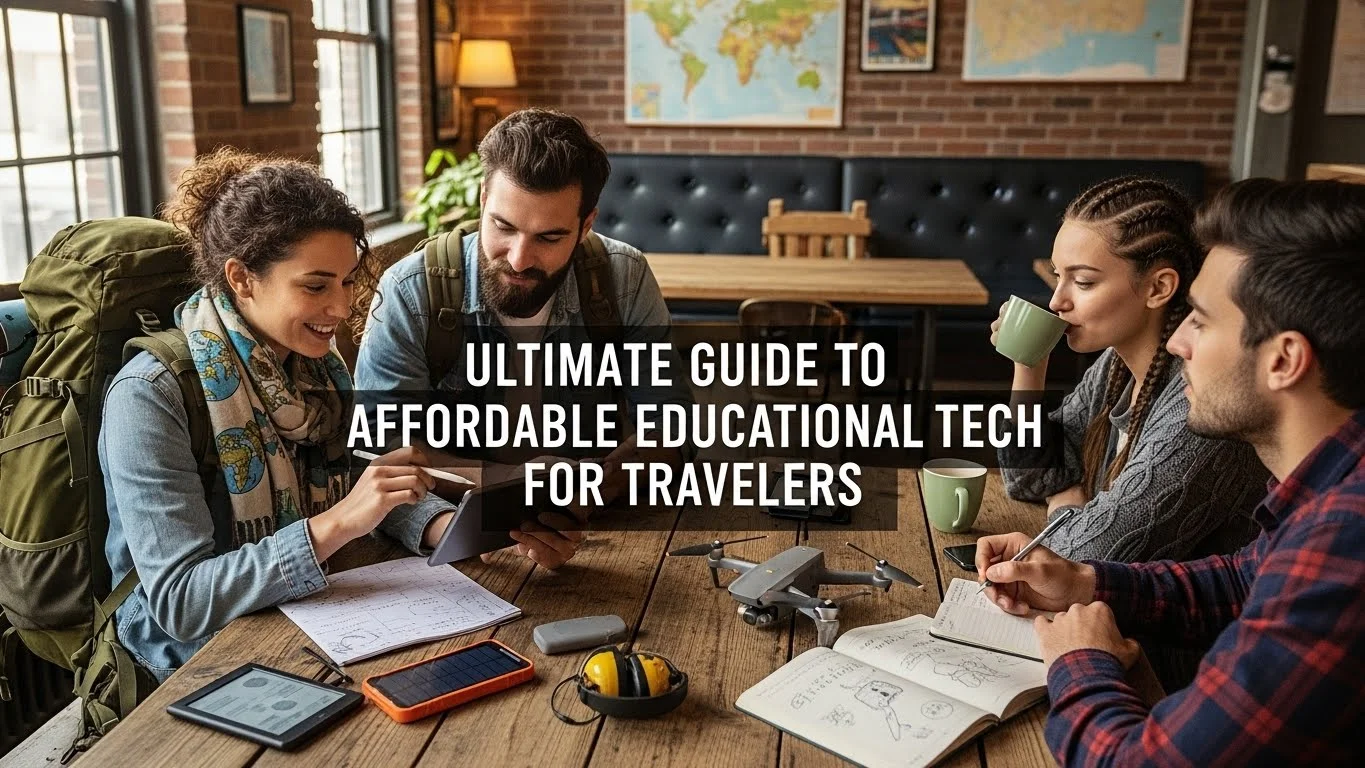
Understanding Affordable Educational Tech
What is Educational Technology?
When I first encountered the term “educational technology,” I thought it was all about computers and fancy gadgets. However, I’ve learned it’s much broader. Educational technology encompasses any tool, device, or software that enhances learning. This could be anything from an interactive app on my smartphone to a simple e-reader filled with books. The goal is to make learning accessible and engaging, regardless of where we are in the world.
Importance of Educational Tech for Travelers
As someone who loves to travel, I’ve found that educational tech is incredibly valuable on the road. It helps me dive deeper into the places I visit. For instance, using language learning apps allows me to pick up local phrases, making interactions with residents more meaningful. I remember a trip to Spain where I used a language app to learn basic Spanish; it opened doors to conversations I wouldn’t have had otherwise. Besides language learning, educational tech helps us understand local cultures and histories, making every trip richer and more fulfilling.
Key Features to Look for in Affordable Options
Not all tech is created equal, especially when it comes to affordability. From my experience, I keep an eye out for a few key features when shopping for educational gadgets:
- Portability: I love lightweight devices that fit easily into my backpack. Tablets and e-readers are my go-to choices.
- Battery Life: Long battery life is essential. I want my devices to last through long flights and bus rides without needing a charge.
- User-Friendly Interface: I prefer tech that doesn’t require a degree in computer science to operate. The more intuitive, the better.
- Multi-Functionality: Devices that serve multiple purposes are a must for me. I enjoy having a tablet that can function as an e-reader, note-taking device, and even a portable movie screen.
- Offline Capabilities: Since I sometimes venture into areas with poor Wi-Fi, I prioritize apps and resources that work offline. This ensures I can always access my learning materials.
Finding products that incorporate these features at an affordable price is a bit of a treasure hunt, but it’s totally worth it! The right tech can transform a regular trip into a learning adventure.
Top Affordable Educational Tech Devices
Tablets for Learning on the Go
Tablets are among my favorite travel companions. They strike a perfect balance between functionality and portability. I remember picking up a budget-friendly tablet before a road trip. It allowed me to access online courses, read e-books, and even watch documentaries during downtime. What I love most is their versatility; whether I’m sketching, taking notes, or researching local attractions, a good tablet can do it all!
Smartphones with Educational Apps
Our smartphones have become indispensable tools for learning. With a plethora of educational apps available, I can learn almost anything, anywhere. From language apps like Duolingo to history trivia games, my phone keeps my mind engaged during long travel days. Plus, I can easily capture my experiences and reflections through journaling apps, which help me remember each adventure in detail. Engaging Educational Apps for Kids: Learning Made Affordable is a great resource for discovering even more apps that enhance the learning experience.
Laptops: Best Budget-Friendly Options
While I prefer using lighter devices for travel, there are times when a laptop is necessary, especially for writing or working remotely. I found some great budget laptops that provide excellent performance without burning a hole in my pocket. They’re perfect for accessing online courses or working on travel blogs while sipping coffee in a quaint café. I often recommend looking for refurbished options, as they can offer significant savings while still delivering quality performance.
Portable E-Readers for Travelers
As an avid reader, I can’t express how much I love my e-reader. It’s lightweight, holds thousands of books, and has a battery life that lasts for weeks. Whenever I’m on a plane or lounging on a beach, I can dive into a new novel or explore travel guides relevant to my current location. E-readers have truly changed the way I consume literature on the go.
Wearable Tech for Learning and Health
Wearable tech, like smartwatches, has also become a part of my travel routine. Not only do they track my health and fitness, but they also keep me connected. I often use apps on my watch for quick access to learning tools, fitness tracking, and even language translation while exploring new cities. They’re excellent for anyone looking to stay active and informed while traveling.
Best Educational Apps for Travelers
Language Learning Apps
I can’t stress enough how invaluable language learning apps have been for me while traveling. When I first ventured to a non-English speaking country, I felt overwhelmed by the language barrier. That’s when I discovered apps like Babbel and Rosetta Stone. They offer structured courses that helped me learn essential phrases quickly. I remember practicing with Babbel while waiting at the airport, and by the time I landed, I could confidently greet locals and ask for directions. These apps turn a simple travel day into an exciting challenge where I can learn and connect with new cultures.
Cultural Exploration Apps
In my travels, I’ve found cultural exploration apps like TravelMapper and Culture Trip to be amazing resources. They provide insights into local customs, traditions, and even etiquette tips. I recall visiting Japan and using TravelMapper to discover hidden gems that weren’t in the guidebooks. It enriched my experience, allowing me to immerse myself in the culture rather than just scratching the surface. These apps allow for authentic experiences; instead of just visiting a tourist site, I got to learn the story behind it and understand its significance to the local community.
Travel Planning and Organization Apps
Planning a trip can get chaotic, and that’s where travel planning apps come into play. I’ve tried several, but I keep coming back to TripIt and Google Travel. TripIt helps me organize all my travel plans in one place, from flight details to hotel reservations. I remember feeling a sense of relief when I started using it; no more digging through emails to find confirmation numbers! Google Travel, on the other hand, assists with itinerary suggestions and even notifies me about potential delays. With these tools, I can focus more on exploring and less on worrying about logistics.
Online Course Platforms for Skill Building
Sometimes, I want to use my travel time to learn something new. That’s when I turn to online course platforms like Udemy and Coursera. They offer courses on a wide array of subjects, often at a fraction of the cost of traditional classes. On one trip, I took a photography course through Udemy while exploring the streets of Paris. It was such a fantastic feeling to apply what I was learning in real time. The chance to develop a skill while surrounded by inspiration is something I cherish about travel. If you’re interested in affordable educational apps for kids, check out Unlock Learning: Affordable Educational Apps for Kids in 2023.
Utilizing Online Resources and Platforms
Free and Affordable Online Courses
I’ve stumbled upon countless free and affordable online courses that have transformed my learning experience. Websites like edX and Khan Academy have become my go-tos. They offer high-quality courses from prestigious universities, often for free or at a low cost. I remember taking a history course on edX while sipping coffee in a quaint café in Lisbon. It made me feel connected to the world in a way I hadn’t anticipated. The flexibility of online courses means I can learn at my own pace, fitting education into my travel schedule seamlessly.
Websites for Cultural Education
Websites dedicated to cultural education have also enriched my travels. I often browse sites like Atlas Obscura and UNESCO to discover more about the cultural heritage of the places I visit. For instance, while planning a trip to Italy, I explored the UNESCO World Heritage list to find sites that weren’t just popular but also steeped in history. This research transformed my itinerary into a more meaningful exploration of each location’s significance. It’s incredible how a few clicks can deepen my appreciation for the world’s diverse cultures.
Podcasts and Audiobooks for Learning on the Move
Podcasts and audiobooks have been game-changers during long flights or train rides. I love listening to travel-related podcasts like “Zero To Travel” or educational ones like “Stuff You Should Know.” They keep me entertained and informed, allowing me to absorb new knowledge while on the go. I remember listening to a fascinating episode about ancient civilizations while traveling through Greece. It enhanced my understanding of the ruins I was visiting, making each site come alive with history. Audiobooks are just as rewarding; I often choose travel memoirs or historical books that resonate with my current location, making my learning journey even more engaging.
Budgeting for Educational Tech While Traveling
How to Determine Your Budget for Tech
Budgeting for educational tech can feel daunting, but I’ve learned that it starts with evaluating my needs. I usually make a list of what features are essential for my travels. For example, if I know I’ll be using an e-reader for long flights, I prioritize setting aside money for that. It’s all about finding a balance between quality and price. I often ask myself what I can realistically invest in tech that will enhance my learning experience while traveling without stretching my budget too thin.
Finding Discounts and Deals on Devices
Over the years, I’ve mastered the art of hunting for deals on educational tech. Websites like Slickdeals and Honey help me find discounts on devices. I also keep an eye out for seasonal sales around Black Friday or back-to-school season. I remember snagging a fantastic deal on my tablet during a holiday sale, which allowed me to incorporate more educational tools into my travels without feeling guilty about the expense. Signing up for newsletters from tech retailers can also lead to exclusive discounts, so I recommend taking advantage of those offers.
Maximizing Value Through Multi-Use Devices
One of my favorite strategies is to invest in multi-use devices. For example, I prefer items that can serve several purposes, like a tablet that can function as both an e-reader and a laptop substitute. This way, I’m not just spending money on one gadget; I’m getting the most out of my investment. I’ve found that this approach not only saves me money but also reduces the weight in my backpack, making my travels easier and more enjoyable.
Travel Tips for Using Educational Tech
Best Practices for Tech Safety While Traveling
Over the years, I’ve learned that keeping my educational tech safe while traveling is just as important as having the right devices. I remember the first time I took my laptop abroad; I was so focused on using it to learn and write that I didn’t consider the risks. Since then, I’ve adopted some best practices to ensure my devices remain secure.
First, I always use a protective case or sleeve. It’s a simple investment that can save my gadgets from scratches or damage. I also make a habit of keeping my tech close and in sight, especially in public spaces like cafes or airports. If I need to step away, I’ll often ask a fellow traveler to keep an eye on it while I run a quick errand or grab a snack.
Another crucial step I take is ensuring that my devices are password-protected. I use strong, unique passwords and enable biometric security features when available. This gives me peace of mind knowing that even if my device is lost or stolen, my information remains secure. Additionally, I’ve found it beneficial to back up my data regularly. Using cloud services or external drives ensures I don’t lose important files while on the move, which has saved me from some stressful situations!
Data Management and Connectivity Options
When I travel, staying connected is essential for accessing my educational resources. I’ve tried various data management options, and I’ve found that selecting the best one depends on my travel plans. For instance, if I’m heading to a country where I expect to use my device frequently, I often purchase a local SIM card. This gives me affordable data without worrying about international roaming fees. I remember my trip to Thailand, where I got a local SIM upon arrival and was able to navigate and learn about the culture without any hitches.
In cases where I expect to be in areas with unreliable internet, I always download essential apps and resources beforehand. This way, I can access language lessons, e-books, and research materials even when offline. I also keep a list of nearby Wi-Fi locations, like cafes and libraries, where I can connect and update my learning resources or download new content. Utilizing these strategies has allowed me to manage my data effectively while ensuring I remain connected to my educational journey.
Managing Battery Life on the Go
One of the biggest challenges I’ve faced while traveling is managing battery life. I’ve had my fair share of moments when my devices ran out of juice right when I needed them most. To avoid this, I’ve learned a few tricks that have made a significant difference. First and foremost, I always pack a portable charger. It’s a lifesaver during long travel days when I can’t find an outlet. I remember a long flight where my tablet was my only entertainment, and having that charger made all the difference in keeping me connected and engaged.
I also make a habit of optimizing my device settings for battery conservation. This includes dimming the screen brightness, closing unnecessary apps running in the background, and using airplane mode when I don’t need to be online. These small changes can prolong battery life significantly, allowing me to focus on learning and exploring without constantly worrying about finding a power source.
Lastly, I’ve started to carry a multi-device charging cable. It’s compact and can charge several devices at once, which is especially handy when traveling with friends or family. By following these tips, I’ve managed to keep my educational tech running smoothly throughout my adventures.
Case Studies of Successful Educational Tech Use
Traveler Profiles: Tech-Savvy Explorers
Throughout my travels, I’ve met some incredible individuals who have harnessed educational tech to enhance their experiences. One traveler I remember vividly is a woman named Emma, who I met in a bustling café in Barcelona. Emma was on a mission to learn about the local art scene. Armed with her tablet and a few art history apps, she was diving into the works of famous Spanish artists. She even created a digital portfolio of her findings, which she shared with me over coffee. It was inspiring to see someone using technology not just to consume information but to create and curate their journey.
Then there was Mike, a solo backpacker I met in Thailand. He had a knack for photography and used online platforms like Skillshare and YouTube to learn techniques on the go. I watched as he transformed his travel photos into stunning pieces of art, thanks to the skills he picked up while waiting for his bus. His story reminded me how educational tech can serve as a bridge, helping us connect our passions with our travels.
These encounters taught me that educational tech, when used wisely, can make our journeys not just about the destinations but also about personal growth and skill development. It’s amazing to witness how others integrate technology into their adventures to enrich their understanding of the world.
Lessons Learned from Tech Failures
Not every tech experience is a success story, and I’ve had my share of learning moments that didn’t go quite as planned. One lesson comes from a trip to Italy where I relied too heavily on a travel app for navigation. I thought I had downloaded all the necessary maps, but when I found myself in a remote village, the app failed me due to lack of service. I ended up feeling lost and frustrated instead of enjoying the beautiful surroundings. Since then, I’ve learned the importance of having a backup plan, like carrying a physical map or ensuring offline capabilities are set up before venturing into less connected areas.
Another memorable mishap occurred during a trip to Brazil when my e-reader malfunctioned right before a long flight. I had planned to read several books during the journey, and suddenly, I found myself without my digital library. It was a wake-up call for me to always have a second device or even a couple of physical books on hand. Now, I make sure to balance my tech with traditional resources to avoid similar situations.
Overall, these experiences have been crucial in shaping my approach to using technology while traveling. They remind me that while tech can be a fantastic ally, it’s essential to be prepared for the unexpected. Learning from failures has made my journeys more resilient and enjoyable.
Future Trends in Educational Tech for Travelers
Emerging Technologies to Watch
Looking ahead, I’m really excited about the emerging technologies that are reshaping how we learn while traveling. Virtual reality (VR) and augmented reality (AR) are on the rise, and I believe they will have a significant impact on travel education. Imagine exploring the ancient ruins of Rome through a VR headset, allowing you to see them in their former glory while standing in the present day. I think it could provide an immersive learning experience that traditional methods simply can’t match.
Another trend I’ve noticed is the increasing integration of AI-driven tools in educational apps. These tools can tailor learning experiences to our individual needs, making it easier than ever to learn languages or understand cultures. For example, an app could analyze my progress and suggest personalized lessons based on my travel itinerary. The potential for these advancements to enhance our journeys is thrilling!
Predicted Impact on Travel Education
As technology continues to evolve, I believe it will make education during travel more accessible and engaging. With the growth of online resources, even the most remote destinations will have the opportunity to connect travelers with valuable learning experiences. I envision a future where every traveler can access expert-led virtual tours or participate in interactive workshops, no matter where they are in the world.
Moreover, as more people embrace the idea of lifelong learning, I think educational tech will become an integral part of travel planning. It will encourage travelers to seek out experiences that promote personal and professional growth, not just sightseeing. This mindset shift could lead to more enriching journeys that foster a deeper understanding of the world around us.
Ultimately, the future of educational tech for travelers looks bright. I’m excited to see how these innovations will enhance our adventures, making learning an intrinsic part of our travel experiences.
Final Thoughts
Embarking on a journey with the right educational tech has made all the difference in how I experience the world. It empowers us to learn, connect, and grow in ways we might not have imagined before. With so many affordable options available, there’s no reason to limit ourselves. Whether it’s a simple app, a versatile tablet, or engaging online courses, each tool adds a layer of richness to our travels.
As we continue to explore, let’s embrace the opportunities that technology provides. By integrating learning into our adventures, we not only enhance our understanding of different cultures but also enrich our own lives. So, let’s pack our bags with both wanderlust and curiosity, and embark on our next adventure equipped with the educational tools that will help us grow along the way!
Frequently Asked Questions
What is educational technology?
Educational technology encompasses any tool, device, or software that enhances learning, such as interactive apps, e-readers, and more, making learning accessible and engaging worldwide.
Why is educational tech important for travelers?
Educational tech helps travelers dive deeper into the places they visit, learn local languages, and understand local cultures and histories, enriching their travel experiences.
What key features should I look for in affordable educational tech?
Key features to consider include portability, long battery life, user-friendly interfaces, multi-functionality, and offline capabilities to enhance learning while traveling.
What types of educational tech devices are recommended for travelers?
Recommended devices include tablets for learning on the go, smartphones with educational apps, budget-friendly laptops, portable e-readers, and wearable tech for learning and health.
Which educational apps are best for travelers?
Top educational apps for travelers include language learning apps like Duolingo and Babbel, cultural exploration apps like TravelMapper and Culture Trip, travel planning apps like TripIt and Google Travel, and online course platforms like Udemy and Coursera. Additionally, check out Discover the Best Educational Apps for Kids Without Breaking Bank for more insights.
How can I budget for educational tech while traveling?
To budget for educational tech, evaluate your needs, find discounts and deals on devices, and consider investing in multi-use devices that serve several purposes.
What are the best practices for tech safety while traveling?
Best practices include using protective cases for devices, keeping tech close in public spaces, ensuring devices are password-protected, and regularly backing up data.
How can I manage battery life on the go?
To manage battery life, pack a portable charger, optimize device settings for battery conservation, and carry a multi-device charging cable for convenience.
What are some common tech failures travelers experience?
Common tech failures include relying heavily on navigation apps that fail in remote areas and experiencing device malfunctions, which highlight the importance of having backup plans and resources.
What emerging technologies are predicted to impact educational tech for travelers?
Emerging technologies include virtual reality (VR) and augmented reality (AR) for immersive learning experiences, as well as AI-driven tools that personalize educational content based on individual needs.