
Traveling with children can be an exciting adventure, but it also comes with its own set of challenges, particularly when it comes to safety. Childproofing your home is essential to ensure peace of mind while on the go. For more information, check out our article on Childproofing Windows: Essential Safety Measures for Homes.
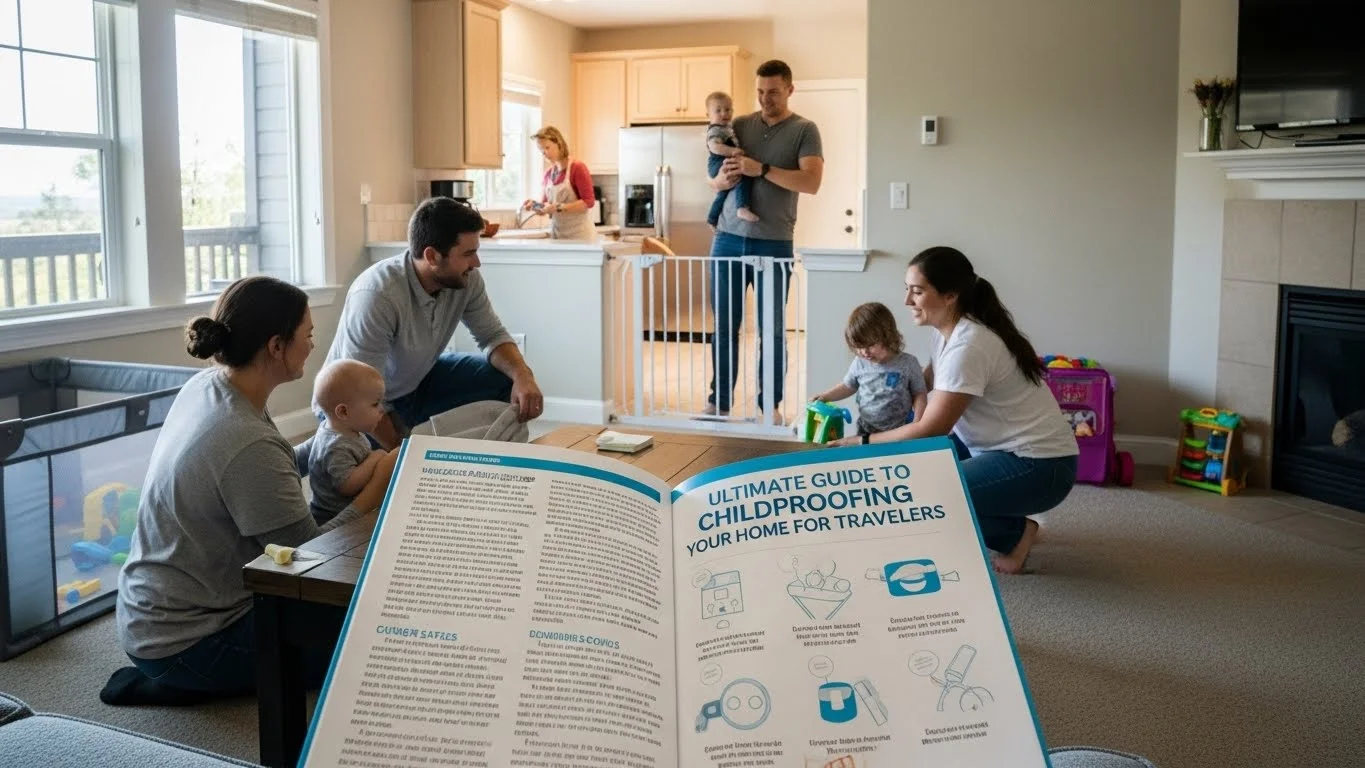
Understanding Childproofing: The Basics
What is Childproofing?
Childproofing is the process of making your home safer for children by reducing potential hazards. I remember the first time I thought about childproofing my space; I was a new parent, overwhelmed by the idea that I had to rethink my entire environment. It involves securing furniture, covering sharp edges, and ensuring that harmful substances are out of reach. The goal is to create a safe environment where children can explore without constant supervision, allowing them to learn and develop their independence safely.
Why is Childproofing Important for Travelers?
For families who travel, childproofing becomes even more crucial. When we go away, we often stay in unfamiliar places, which can present new and unexpected dangers. I’ve seen it firsthand—what seems like a safe hotel room or rental property can have hidden risks. By childproofing your home before you leave, you set a standard for what safety looks like, making it easier to identify potential hazards in new environments. It also helps to instill good safety habits in your young ones, as they begin to recognize what is safe and what isn’t.
Common Risks in Unchildproofed Homes
Unchildproofed homes can harbor many dangers. I remember visiting a friend’s place with my toddler, and I was shocked at how many hazards were present. Here are some common risks to be aware of:
- Sharp Objects: Knives, scissors, and other sharp items can easily cause injuries if they’re within a child’s reach.
- Electrical Outlets: Outlets can pose a serious risk for curious little fingers. I learned this when my daughter tried to stick something in an outlet at a family gathering! For tips on keeping your family safe, read our article on Top Electrical Safety Measures for Traveling Families.
- Stairs: Without safety gates, stairs can be a major fall hazard. We installed gates at the top and bottom of ours after my son took a tumble.
- Cleaning Supplies: Many household cleaners are toxic. Keeping these out of sight and locked away can prevent accidental poisonings.
- Heavy Furniture: Bookcases and dressers can tip over if children try to climb on them. I’ve seen too many news stories about this, which is why we anchored our heavy furniture to the walls.
Being aware of these risks can help us take proactive measures to protect our children at home and while traveling.
Key Areas to Focus on When Childproofing
Living Room Safety
The living room is often a child’s playground. I found it helpful to ensure that all sharp edges on furniture are covered with corner guards. It’s also a good idea to secure any large furniture pieces to the wall to prevent tipping. I also made it a habit to keep small items like remote controls and batteries out of reach, as they can pose choking hazards.
Kitchen Safety
The kitchen can be a dangerous place for little ones. I remember the stress of cooking while keeping an eye on my kids. To childproof this space, I installed cabinet locks on lower cabinets and ensured that all cleaning supplies were stored high up. Using stove knob covers helped me feel more at ease while I cooked. Additionally, it’s important to keep hot foods and liquids away from the edge of counters. I’ve had a couple of close calls with accidentally spilled hot coffee!
Bathroom Safety
The bathroom is another area that requires attention. I made sure to use non-slip mats in the tub and placed a lock on the toilet lid. My kids loved to explore, and I learned quickly that they could easily turn on faucets, leading to flooding and slippery floors. Keeping all medicines in high cabinets and using a bath mat to cushion any falls can help prevent accidents.
Bedroom Safety
When it comes to bedrooms, I recommend using safety rails on beds to prevent falls, especially if your child is transitioning out of a crib. I also found it helpful to keep any decorative items that could fall off shelves and injure a child out of reach. Additionally, ensuring that cribs and beds are free from blankets and pillows can reduce the risk of suffocation.
Outdoor Safety
I can’t stress enough how important outdoor safety is. If you have a yard, ensure that fences are secure and that there are no gaps where children can escape. I also installed window locks to prevent little climbers from getting too adventurous. Keeping outdoor toys organized and ensuring that play areas are free from sharp objects can make outdoor playtime safer and more enjoyable. For more on securing windows, see our article on Essential Electrical Safety Tips for Family Travel.
Essential Childproofing Products for Travelers
Safety Gates
One of my must-have items when traveling with children is a sturdy safety gate. I remember our first family trip with my toddler, and my heart raced every time he got close to stairs. A portable safety gate can help block off dangerous areas in hotels or rental homes where I might not have control over the layout. They’re lightweight and easy to set up, which is a huge plus. When we stayed at a vacation rental that didn’t have any childproofing, I felt so much better knowing I could create a safe boundary for my little explorer.
Outlet Covers
Electrical outlets can be like magnets for curious fingers. I realized this after I caught my daughter trying to poke something into an outlet. That’s when I invested in outlet covers. They’re simple to use and provide an extra layer of safety. I always carry a few in my travel bag, just in case we end up in a place where the outlets are easily accessible. It’s such a small investment for the peace of mind they bring, especially in unfamiliar environments.
Cabinet Locks
Keeping potentially dangerous items out of reach is essential, and cabinet locks are a lifesaver. I remember the anxiety of cooking while my kids were snooping around the kitchen, exploring every cabinet. Installing some locks helped me focus on what I was doing instead of worrying about what they might find. When we travel, I look for easy-to-install or adhesive cabinet locks. They make it simple to secure everything from cleaning supplies to sharp objects in places we stay.
Corner Guards
When we were on our family vacation last summer, I noticed how many sharp edges there were in one of the rental properties. That’s when I realized how crucial corner guards are. I always bring a couple of these with me, as they can easily stick to furniture corners and keep little heads and bodies safe. It’s such a simple addition, but it can prevent a lot of tears and injuries, especially when kids are running around in excitement.
Door Knob Covers
Door knob covers might seem like a small detail, but they’ve made a big difference for us. I remember visiting a friend’s house where my son managed to open a door leading to an unchildproofed area. Panic set in for a moment until I realized I could just use a door knob cover. These little gadgets are easy to use and can prevent kids from wandering into unsafe spaces. I always make sure to have a couple in my bag for our travels, especially when we’re staying in new places.
Window Locks and Screens
Windows are another area I never overlook. I learned this the hard way when I visited a family member’s house, and my kids were fascinated by the open window. Installing window locks and secure screens has become a priority for me. I always check the windows in places we stay; if they aren’t already childproofed, I make sure to take precautions. It’s about creating a safe environment wherever I go, and I feel so much better knowing I’ve taken those extra steps to protect my children.
Steps to Childproof Your Home Before Traveling
Conducting a Safety Audit
Before heading out on a trip, I find it helpful to conduct a safety audit of our home. This step is all about identifying potential hazards and ensuring everything is secure. I walk through each room and make a list of things that need attention, like loose cords or easily reachable cleaning supplies. It’s a great way to prepare for travel, as it reminds me of what I need to keep an eye out for in new environments.
Identifying Potential Hazards
As I go through my safety audit, I pay particular attention to identifying potential hazards. It’s amazing what I sometimes overlook in my own home. I ask myself questions like, “Are there any small items within reach?” or “Is the furniture secured?” I also keep my kids in mind, thinking about what they might do or where they might explore when we travel. This helps me set a clear standard for what needs to be childproofed in both our home and any place we visit.
Securing Furniture and Appliances
Securing heavy furniture and appliances is another important step. I remember when we moved into our home and decided to anchor the bookcases and dressers to the wall after hearing about accidents where kids got hurt. Before traveling, I double-check these safety measures to ensure everything is stable. It gives me peace of mind knowing that if my children try to climb or pull on something, it won’t tip over.
Creating a Safe Play Area
Creating a designated safe play area is something I always do before traveling. I try to make a space where my kids can play freely without me worrying about hazards. I use their toys to build a cozy corner, ensuring that everything is age-appropriate and safe. When we arrive at our destination, I aim to replicate this setup as closely as possible, helping them feel comfortable in a new space.
Traveling with Children: Additional Considerations
Choosing Child-Friendly Accommodations
When it comes to traveling with kids, I’ve learned that choosing the right accommodations can make a world of difference. I remember our first family trip when we stayed in a charming little hotel that looked perfect online. However, once we arrived, I realized the room was not as child-friendly as I had hoped. I think it’s important to look for places that specifically market themselves as family or child-friendly. These places often have safety measures in place, such as furniture anchors, stair gates, and even play areas. I now prioritize finding accommodations that provide cribs or rollaway beds, as well as amenities that keep kids entertained and safe.
What to Look for in a Rental Property
Renting a property can sometimes be a gamble, but I’ve discovered a few key things to check before booking. First, I always read reviews from other families, focusing on comments about safety and child-friendliness. I look for properties that have features like high chairs and baby gates. A yard can also be a great bonus for younger kids, as it allows for safe outdoor play. Additionally, I check the layout of the property—open floor plans usually make it easier to keep an eye on little ones. If I can, I also ask the host specific questions about any safety measures they’ve implemented. This helps me gauge how proactive they are about childproofing.
Communicating with Hosts About Safety Measures
Before arriving at a rental property, I make it a point to communicate with the host about safety measures. I remember a situation where I arrived at a rental only to find that there were no safety gates at the stairs, despite the place being advertised as family-friendly. Now, I send a quick message asking about any childproofing features they have. I also inquire about the potential hazards, like sharp corners or accessible cleaning products. Most hosts are understanding and appreciate that we want to ensure the safety of our children. This open line of communication has helped me feel more at ease during our travels.
Common Childproofing Mistakes to Avoid
Underestimating Risks
It’s easy to think that certain areas of a home or hotel are safe, but I’ve learned firsthand that risks can be lurking where you least expect them. I remember a vacation rental that seemed fine, but there were un-secured bookshelves that my toddler was curious about. I think it’s crucial not to underestimate any potential risks, no matter how small they may seem. I now remind myself to take a thorough look around any new environment we enter, even if it looks safe at first glance. Being overly cautious has saved us from many potential accidents.
Ignoring Temporary Solutions
Sometimes, I find myself thinking that a quick fix will do, but this can lead to problems later on. For example, I once used duct tape to secure a cabinet door instead of installing a proper lock. While it worked in the short term, it wasn’t a long-term solution and could have easily failed. I’ve learned that it’s essential to implement permanent safety measures whenever possible. Temporary solutions might seem convenient, but they can lead to stress when they don’t hold up. I now make it a habit to invest in proper childproofing products, no matter where we are.
Overlooking Outdoor Areas
Outdoor safety is often overlooked, but it’s just as important as indoor safety. I remember a family picnic where my kids darted toward a nearby pond, and my heart nearly stopped. I realized that while I was focused on childproofing our indoor space, I hadn’t considered the outdoor risks. Whether it’s a backyard or a public park, I always assess the area for hazards like sharp objects, heavy furniture, or bodies of water. I recommend keeping a close eye on kids outdoors and setting clear boundaries for where they can play. This simple habit helps keep our outdoor adventures safe and fun!
Resources and Tools for Childproofing
Checklists for Childproofing
Having a checklist can be a game-changer when it comes to childproofing. I often find myself overwhelmed with all the details, especially before a trip. So, I created a checklist that includes all the key areas I need to focus on—like the living room, kitchen, and bathroom. I also include specific products I want to use and any tasks I need to complete, like securing furniture or checking for hazards. This resource has not only made my childproofing process more manageable but has also given me peace of mind knowing I haven’t missed anything.
Recommended Brands and Products
Over the years, I’ve tried various childproofing products, and some brands have stood out to me. I love safety gates from Regalo; they’re sturdy and easy to set up. For outlet covers, I swear by the ones from Safety 1st, as they fit snugly and are simple to use. I’ve also had great luck with cabinet locks from Munchkin; they’re strong and easy to install. I often share my personal favorites with friends and family because I believe in the importance of investing in quality products for our children’s safety.
Professional Childproofing Services
While I enjoy childproofing my home myself, I’ve learned that sometimes it’s worth hiring a professional. I remember a friend of mine who had a consultation with a childproofing expert, and it completely transformed her home. They provided tailored advice and installed safety features that she hadn’t considered. If you’re feeling overwhelmed or unsure where to start, I recommend looking into local childproofing services. They can help you create a safe environment tailored to your specific needs, which can be a huge relief for busy parents.
Final Tips for Traveling Families
Preparing Your Child for New Environments
Emergency Contacts and Safety Plans
Maintaining Safety While Traveling
Frequently Asked Questions
“`htmlWhat is childproofing?
Childproofing is the process of making your home safer for children by reducing potential hazards. This includes securing furniture, covering sharp edges, and ensuring that harmful substances are out of reach, allowing children to explore their environment safely.
Why is childproofing important for travelers?
Childproofing is crucial for travelers because unfamiliar places can present new and unexpected dangers. By childproofing your home before you leave, you establish a standard for safety, making it easier to identify potential hazards in new environments.
What are some common risks in unchildproofed homes?
Common risks in unchildproofed homes include sharp objects like knives and scissors, electrical outlets, stairs without safety gates, toxic cleaning supplies, and heavy furniture that can tip over.
What key areas should I focus on when childproofing?
Key areas to focus on when childproofing include the living room, kitchen, bathroom, bedroom, and outdoor spaces. Each area has specific hazards that need to be addressed to ensure safety.
What essential childproofing products should I consider for traveling?
Essential childproofing products for traveling include safety gates, outlet covers, cabinet locks, corner guards, door knob covers, and window locks and screens to ensure safety in unfamiliar environments.
How can I conduct a safety audit before traveling?
Conducting a safety audit involves walking through each room of your home to identify potential hazards and ensure everything is secure. Make a list of items that need attention, such as loose cords or easily reachable cleaning supplies.
What should I look for in child-friendly accommodations?
When looking for child-friendly accommodations, prioritize places that market themselves as family-friendly, have safety measures like furniture anchors and stair gates, and provide amenities such as cribs or play areas.
How can I communicate with hosts about safety measures?
Before arriving at a rental property, send a quick message to the host asking about any childproofing features they have, potential hazards, and any safety measures in place to ensure the safety of your children.
What common childproofing mistakes should I avoid?
Common childproofing mistakes to avoid include underestimating risks, ignoring temporary solutions instead of implementing permanent safety measures, and overlooking outdoor areas for potential hazards.
What resources are available for childproofing?
Resources for childproofing include checklists for various areas of your home, recommended brands and products for childproofing, and professional childproofing services for tailored advice and installation of safety features.
“`