
Feeding a toddler can feel like an adventure, filled with surprises and challenges. Understanding their unique nutritional needs is key to supporting their growth and development during these critical years. For a deeper dive into managing meals on a budget, check out our Essential Guide to Budget Meals for Toddlers’ Balanced Nutrition.
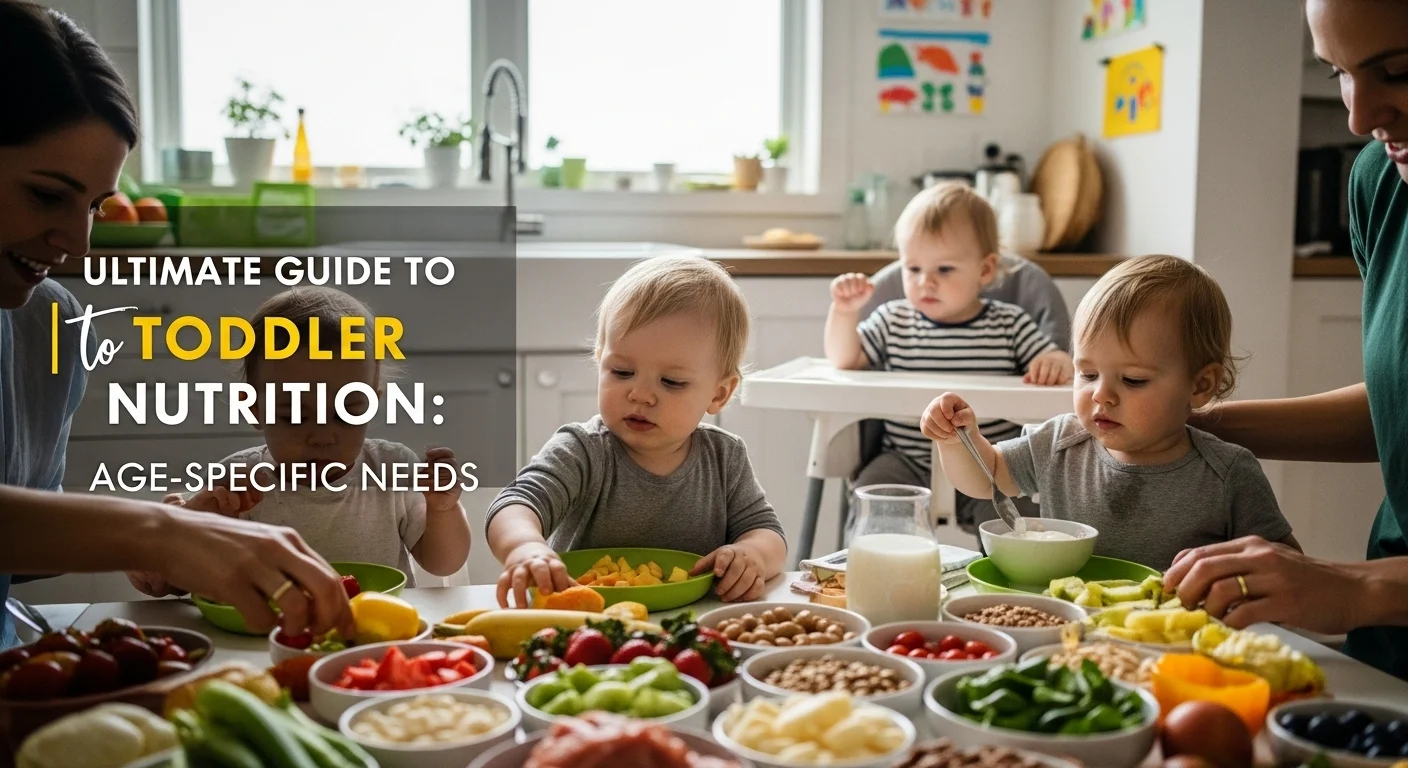
Understanding Toddler Nutrition
What is Toddler Nutrition?
Toddler nutrition refers to the dietary requirements and guidelines specifically tailored for children aged one to three years. At this stage, little ones are transitioning from baby food to a more solid diet, which can be a bit tricky. I remember the first time I introduced my child to table food—it was a mix of excitement and anxiety! Understanding the right balance of nutrients is vital as toddlers are rapidly growing and developing their skills.
Why Nutrition is Essential for Toddlers
Nutrition is essential for toddlers for several reasons. Firstly, their bodies are growing at an incredible pace. They are developing bones, muscles, and organs that need proper fuel. Secondly, the brain development during these years is astounding. I found out that a toddler’s brain grows faster in the first two years than at any other time in life, which is mind-blowing! Lastly, good nutrition helps foster a strong immune system, reducing the chances of illness. In my experience, providing a diverse and balanced diet not only keeps kids healthy but also sets the foundation for their eating habits in the future.
Age-Specific Nutritional Needs
Nutrition for 1-Year-Olds
When your child turns one, it’s an exciting milestone. Many parents begin to introduce a wider variety of foods. At this age, toddlers need around 1,000 calories a day, divided among three meals and two snacks. I remember discovering that whole milk is recommended for one-year-olds, as the fat content supports their brain development. Foods rich in iron, like pureed meats and beans, also become important. I found that offering a mix of textures helped my little one develop chewing skills. It was quite a fun and messy experience!
Nutrition for 2-Year-Olds
As toddlers reach two years, their nutritional needs slightly change. They typically require about 1,200 to 1,400 calories daily. I noticed my child becoming more independent, wanting to choose their foods, which can sometimes lead to picky eating. It’s crucial to provide a variety of foods, including fruits, vegetables, proteins, and whole grains. At this age, I learned that snacks can be a great opportunity to sneak in nutritious options. For instance, yogurt with fruit or whole-grain crackers with cheese became household favorites!
Nutrition for 3-Year-Olds
By the time they turn three, toddlers are developing their preferences even more. Their calorie needs increase to around 1,400 to 1,600 calories a day. I’ve found that involving them in meal planning or preparation can really encourage interest in trying new foods. At this age, they should have a well-rounded diet that includes protein sources like chicken, fish, eggs, and plant-based options, alongside plenty of fruits and veggies. I remember my child getting a kick out of picking out colorful vegetables at the grocery store, which made them more eager to eat them!
Key Nutrients for Toddlers
Proteins
Protein plays a vital role in a toddler’s development. It helps build muscles, supports growth, and is essential for various bodily functions. In my experience, offering a variety of protein sources like chicken, fish, beans, and eggs can keep meals interesting and nutritious. I found that making protein-rich snacks, like hummus with veggies or yogurt, works wonders!
Carbohydrates
Carbohydrates are the main energy source for toddlers. They should primarily come from whole grains, fruits, and vegetables. I remember discovering that whole grain bread, oats, and brown rice can be great options. They provide sustained energy for my busy toddler’s playtime and adventures!
Fats
Healthy fats are essential for brain development. Foods like avocados, nuts, and olive oil are great sources. I always ensured that my child had healthy fats included in their meals. Spreading avocado on toast or adding a drizzle of olive oil to veggies not only makes them tasty but also gives them the healthy fats they need.
Vitamins and Minerals
Vitamin D
Vitamin D is crucial for bone health and helps with calcium absorption. I learned that exposing my child to sunlight and including foods like fatty fish and fortified milk can help meet their needs.
Calcium
Calcium is vital as it supports bone and teeth development. Dairy products like cheese and yogurt are excellent sources. I often found that my child loved cheese sticks as a quick snack!
Iron
Iron is essential for healthy blood and energy levels. I made sure to include iron-rich foods such as lentils, red meat, and dark leafy greens. Pairing these with vitamin C-rich foods like oranges or strawberries can boost absorption, which I found really helpful.
Hydration
Staying hydrated is just as important. Toddlers should drink water throughout the day. I made it a habit to offer water during meals and snacks. Sometimes, I even added a splash of fruit for flavor to make it more appealing!
Recommended Food Groups
Fruits and Vegetables
Fruits and vegetables are essential components of a toddler’s diet. I found that these colorful foods provide vital vitamins, minerals, and dietary fiber that support healthy digestion. When I started offering a variety of fruits, I noticed my child gravitated towards berries and bananas. It’s amazing how much they love the vibrant colors and sweet flavors! I often included fruits in smoothies or served them as snacks, making them more appealing. Veggies were a bit trickier at first, but I discovered that roasting them with a sprinkle of olive oil and herbs made all the difference. My little one started to enjoy carrots, sweet potatoes, and zucchini in no time!
Grains
Whole grains are a fantastic source of energy for active toddlers. I learned that incorporating oats, brown rice, and whole grain pasta into meals not only provides carbohydrates but also essential nutrients like B vitamins and fiber. I remember making oatmeal for breakfast, adding fruits and a dash of cinnamon to make it special. For lunch, whole grain wraps filled with turkey and veggies became a hit at our house. It’s all about making those grains not just nutritious but delicious! Also, for families looking to explore meal planning for outdoor adventures, I recommend Smart Toddler Meal Planning for Family Backpacking Trips.
Dairy Products
Dairy is an important food group for toddlers because it’s rich in calcium and vitamin D, both crucial for bone health. I made sure to include servings of yogurt, cheese, and milk daily. I found that flavored yogurts with fruit were a great way to entice my child, but I also leaned towards plain yogurt to control the sugar intake. Cheese sticks became a favorite snack for us, too! I often paired them with whole-grain crackers or veggie sticks to create a balanced snack.
Protein Sources
Protein is vital for growth, so I made it a priority to include a variety of protein sources in my toddler’s meals. I learned that it’s not just about meat; there are plenty of plant-based options available. I often prepared meals using different proteins, ensuring my child got a mix of nutrients. Below are some of the excellent protein sources I relied on:
Meats and Poultry
Chicken, turkey, and lean cuts of beef were staples in our home. I found that cooking them in a slow cooker with veggies made for an easy and flavorful meal. My child loved shredded chicken tacos, which were fun to build and eat. I also made sure to choose lean meats to keep it healthy.
Legumes
Legumes like beans, lentils, and chickpeas are not only packed with protein but also fiber, making them incredibly nutritious. I learned to include these in soups, salads, and as sides. One of my favorite recipes was a simple lentil stew that was hearty and full of flavor. I noticed that when I introduced these foods early on, my child developed a taste for them, and they became regulars in our meals.
Eggs
Eggs are a fantastic source of protein and can be prepared in so many ways! I remember making scrambled eggs with cheese and spinach, and it quickly became a breakfast favorite. They’re quick to cook and easy to incorporate into a variety of meals, from breakfast to dinner. I even made mini egg muffins filled with different veggies and cheese for a quick snack or breakfast on the go!
Meal Planning for Toddlers
Sample Meal Plans by Age
Meal planning can make a world of difference when it comes to feeding toddlers. I found that structuring meals helped ensure my child was getting a balanced diet without feeling overwhelmed. Here’s a simple idea of what a day might look like for each age group:
- 1-Year-Old:
- Breakfast: Oatmeal with mashed banana
- Snack: Unsweetened applesauce
- Lunch: Pureed vegetable soup with soft bread
- Snack: Cheese cubes
- Dinner: Mashed sweet potatoes and shredded chicken
- 2-Year-Old:
- Breakfast: Whole grain toast with avocado
- Snack: Sliced strawberries
- Lunch: Whole grain wrap with hummus and veggies
- Snack: Yogurt with granola
- Dinner: Brown rice with steamed broccoli and fish
- 3-Year-Old:
- Breakfast: Scrambled eggs with cheese and spinach
- Snack: Carrot sticks with ranch dip
- Lunch: Quinoa salad with beans and chopped veggies
- Snack: Whole grain crackers with peanut butter
- Dinner: Pasta with tomato sauce and mixed vegetables
Healthy Snack Ideas
Snacks can be a great way to introduce more nutrients into a toddler’s diet. I found that providing a variety of healthy options kept snack time exciting. Some of my go-to ideas included:
- Fruit kabobs with a mix of berries and melon
- Whole grain muffins with added fruits or veggies
- Homemade trail mix with nuts, seeds, and dried fruit
- Mini veggie pizzas on whole grain pita bread
Portion Sizes for Toddlers
Understanding portion sizes can be tricky, but I learned that toddlers don’t need large amounts of food. I often used my child’s palm as a guide—about a palm-sized portion of protein, a fist-sized portion of fruits or veggies, and a small handful of grains. It took some trial and error, but I realized that offering small portions meant my child could ask for more if they were still hungry, which encouraged listening to their body’s cues.
Common Nutritional Challenges
Picky Eating
Picky eating is something many parents face, and I certainly did too! It can feel frustrating when your little one suddenly refuses a food they previously loved. I found that most toddlers go through phases where they seem to gravitate toward only a few select foods. I remember my child going through a stage where only macaroni and cheese would do! I realized that this is completely normal, but it’s important to find ways to encourage a wider variety of foods.
One strategy that worked for us was to introduce new foods alongside familiar favorites. I made it a game to try one new food at every meal. Sometimes, I let my child pick from a selection of new options, which gave them a sense of control. I also learned the power of presentation—making food visually appealing can make a big difference. Fun shapes or colorful arrangements turned out to be a hit at our table!
Food Allergies
Food allergies are another challenge that can arise during toddlerhood. I remember when my neighbor’s child had a severe nut allergy. It made me more aware of the potential for allergies in young children. If you notice any unusual reactions after your toddler eats a certain food, it’s crucial to consult with a pediatrician right away. In my case, I made it a habit to introduce new foods one at a time to monitor for any signs of allergies. This approach helped me keep track of their reactions without overwhelming their system.
As we learned more about allergies, I also discovered how essential it is to read labels carefully. I made sure to educate myself about common allergens and how to avoid them in our meals, which provided peace of mind. Plus, knowing what to look out for can help in social situations, like birthday parties or playdates.
Digestive Issues
Digestive issues can sometimes crop up as toddlers explore new foods. I noticed that my child occasionally had tummy troubles, especially after trying something new. It’s not uncommon for toddlers to experience gas or constipation, especially when their diets are rich in certain foods. I found that increasing fiber intake gradually helped, along with ensuring they drank enough water throughout the day.
In my experience, incorporating fruits and vegetables into meals made a difference in promoting healthy digestion. Foods like pears, prunes, and sweet potatoes became staples in our diet. I also learned to watch out for overly processed foods that could lead to digestive discomfort. By being mindful of what we ate, I helped my child develop a healthy gut, which is so important for their overall well-being.
Tips for Encouraging Healthy Eating Habits
Creating a Positive Eating Environment
Creating a positive eating environment is key to developing healthy eating habits. I realized that mealtime should be enjoyable and stress-free, so I made it a point to keep things light and fun. We transformed our dining experience by engaging in conversations, sharing stories, and even playing little games while we ate. I found that when mealtime felt less like a chore and more like a family event, my child was more willing to try different foods.
Setting a routine also played a significant role. Regular meal and snack times helped my child know what to expect and when. I remember how excited they would get when it was time for a special family dinner, and having that routine encouraged them to explore new foods without feeling pressured.
Involving Toddlers in Food Preparation
Involving toddlers in food preparation can be a game-changer, and I experienced this firsthand. When my child helped out in the kitchen, they became more interested in what was being served. I let my little one wash vegetables, stir mixtures, or even help with simple tasks like tearing lettuce for salads. This not only gave them a sense of contribution but also sparked curiosity about different ingredients.
I remember one time we made homemade pizza together. My child loved choosing toppings and assembling their own personal pizza. It turned out to be a fun bonding experience, and they were much more likely to eat the veggies they picked out themselves! Allowing them to have a say in meal preparation can encourage a sense of ownership over their food choices.
Modeling Healthy Eating
Modeling healthy eating is another powerful tool. Children are keen observers and often mimic what they see. I made it a point to eat a variety of healthy foods in front of my child. When they saw me enjoying fruits, veggies, and whole grains, they began to show interest in trying them too. I noticed that my enthusiasm for healthy eating really resonated with them. It was a simple yet effective way to instill positive habits.
Additionally, I shared my love for cooking new recipes and experimenting with flavors. When we tried something new together, it felt like an adventure, and my child was excited to join in! I believe that demonstrating a balanced approach to eating—allowing for treats in moderation while emphasizing nutritious foods—set a positive example for my little one.
Frequently Asked Questions
What is toddler nutrition?
Toddler nutrition refers to the dietary requirements and guidelines specifically tailored for children aged one to three years, focusing on the right balance of nutrients to support their rapid growth and development.
Why is nutrition essential for toddlers?
Nutrition is vital for toddlers because their bodies are growing rapidly, their brains develop quickly during these years, and good nutrition helps build a strong immune system, reducing the chances of illness.
What are the nutritional needs for a 1-year-old?
A 1-year-old typically needs around 1,000 calories a day, which should be divided among three meals and two snacks. Whole milk, iron-rich foods, and a variety of textures are important at this age.
How many calories do 2-year-olds need daily?
2-year-olds typically require about 1,200 to 1,400 calories daily, and it’s important to provide a variety of foods, including fruits, vegetables, proteins, and whole grains.
What are some key nutrients needed for toddler development?
Key nutrients for toddlers include proteins for muscle building, carbohydrates for energy, healthy fats for brain development, and essential vitamins and minerals such as Vitamin D, calcium, and iron.
How can parents encourage healthy eating habits in toddlers?
Parents can encourage healthy eating habits by creating a positive eating environment, involving toddlers in food preparation, and modeling healthy eating behaviors themselves.
What are some healthy snack ideas for toddlers?
Healthy snack ideas for toddlers include fruit kabobs with berries and melon, whole grain muffins with added fruits or veggies, homemade trail mix, and mini veggie pizzas on whole grain pita bread.
What should portion sizes look like for toddlers?
Portion sizes for toddlers can be guided by using their palm for protein (palm-sized), a fist for fruits or veggies (fist-sized), and a small handful for grains, allowing toddlers to ask for more if still hungry.
How can parents handle picky eating in toddlers?
To handle picky eating, parents can introduce new foods alongside familiar favorites, make eating visually appealing, and let toddlers choose from a selection of new options to encourage trying different foods.
What should parents do if they suspect food allergies in their toddler?
If parents suspect food allergies, it’s crucial to consult with a pediatrician and introduce new foods one at a time to monitor for any signs of allergic reactions.
Read Interesting article: Traveling with Toddlers: Budget Meal Plans Made Easy