
Meal planning on a budget can feel daunting, especially for families transitioning to a vegan lifestyle. But with the right strategies, it can be both enjoyable and affordable!
Understanding Veganism and Its Benefits
What is Veganism?
Veganism is more than just a diet; it’s a lifestyle choice that avoids all animal products, including meat, dairy, eggs, and sometimes even honey. I remember when I first decided to go vegan. It felt like a big change, but I was curious about the health benefits and the positive impact on our planet. Veganism encourages a diet rich in fruits, vegetables, grains, legumes, nuts, and seeds. It’s about embracing a diverse array of plant-based foods. The more I explored, the more I realized that veganism can be a fulfilling journey rather than a restrictive diet.
Health Benefits of a Vegan Diet
There are numerous health benefits associated with following a vegan diet. Personally, I’ve noticed increased energy levels and better digestion since adopting a plant-based lifestyle. Studies suggest that a vegan diet can lower the risk of chronic diseases such as heart disease, diabetes, and certain cancers. It’s also rich in antioxidants and vitamins, which help boost the immune system. I often find myself feeling lighter and more vibrant. Plus, many families experience positive changes in their children’s health, from improved energy to better mood stabilization. For more on this topic, check out How to Ensure Proper Nutrition for Vegan Children.
Environmental Impact of Veganism
Beyond personal health, the environmental impact of veganism is substantial. I remember learning that animal agriculture is a leading cause of greenhouse gas emissions, deforestation, and water consumption. By choosing plant-based meals, we can significantly reduce our carbon footprint. In my case, I felt empowered knowing that my choices were contributing to a more sustainable world for my kids. It’s like I’m nurturing not just my family’s health but also our planet’s future.
Budget-Friendly Vegan Meal Planning Basics
Setting a Realistic Budget
When I first started meal planning on a budget, I realized how important it was to set a realistic budget. I took a good look at our monthly grocery expenses and decided how much I could allocate for vegan ingredients. I found that planning meals around sales and using a shopping list helped me stick to that budget. We often think eating vegan is expensive, but I discovered that with careful planning, it can actually save us money in the long run. I recommend keeping track of what you spend and adjusting as needed to stay within your means.
Meal Planning vs. Meal Prepping
Meal planning and meal prepping are often confused, but they’re different and complement each other well. Meal planning is about deciding what to eat for the week, while meal prepping is the actual preparation of those meals. I like to set aside some time each week to plan our meals—this includes breakfast, lunch, dinner, and snacks. After that, I spend a few hours prepping ingredients or meals. This not only saves time during the week but also reduces food waste and helps keep us on budget. I feel like a superhero when I open the fridge to organized, ready-to-eat meals!
Essential Kitchen Tools for Meal Prep
Having the right kitchen tools can make a huge difference in my meal preparation process. I’ve learned that investing in a good set of sharp knives, cutting boards, and storage containers is essential. A reliable blender is a must for smoothies and soups, and a slow cooker or instant pot can be a game changer for busy weeknights. I remember when I first got my instant pot; it opened up a whole new world of one-pot meals that were quick and easy to prepare. I recommend starting with these basics and adding tools as you grow more comfortable in the kitchen.
Key Ingredients for a Vegan Pantry
Staple Grains and Legumes
When I first transitioned to a vegan diet, I quickly learned that having a well-stocked pantry was key to my success. Staple grains and legumes became the backbone of my meals. I always keep brown rice, quinoa, and whole wheat pasta on hand. These grains are not only filling but also versatile. I remember my first attempt at making a quinoa salad; it was easy, delicious, and packed with protein. Speaking of protein, lentils, chickpeas, and black beans are my go-to legumes. They’re incredibly budget-friendly, and I can use them in soups, stews, or even as burger patties. Adding these ingredients to my shopping list has made meal planning so much easier!
Fruits and Vegetables: Seasonal and Affordable Options
Fruits and vegetables are vital for a balanced vegan diet. I’ve found that buying seasonal produce is a great way to save money and enjoy the freshest options. For example, during the summer, I stock up on tomatoes, zucchini, and berries, while in the fall, I gravitate towards squash and root vegetables. I remember one week when I bought a bunch of ripe bananas; they became my family’s favorite snack and were perfect for smoothies. I also love visiting farmers’ markets; they often have great deals on local produce. It’s amazing how much my cooking improved when I started focusing on seasonal fruits and veggies. They add color, flavor, and nutrients to our meals!
Affordable Protein Sources
As a family, we’ve always been concerned about getting enough protein, especially after going vegan. I discovered that there are many affordable protein sources that fit perfectly into our budget. Tofu and tempeh are excellent options that can be used in a variety of dishes. I remember the first time I tried marinating and grilling tofu; it was a game changer for our family meals! Nut butter is another great protein source, and while it can be pricier, I’ve learned to make my own nut butter at home. Not only is it healthier, but it also saves money in the long run. Seitan is another protein-rich choice I’ve experimented with, and it has become a favorite for stir-fries and sandwiches.
Herbs, Spices, and Condiments on a Budget
Spices and condiments can elevate any meal, and I’ve found that they don’t have to break the bank. When I first started cooking vegan meals, I invested in a few essential spices that I use across various cuisines. Cumin, paprika, garlic powder, and chili powder are some of my staples. They add depth and flavor without needing to spend a lot. I also learned to make simple sauces, like a homemade tahini dressing or a basic marinara, which can transform a simple meal into something special. I remember creating a chickpea curry with just a handful of spices, and it blew my family away! Stocking up on herbs and spices has made such a difference in our meals, keeping them interesting and delicious.
Meal Planning Strategies for Families
Creating a Weekly Meal Plan
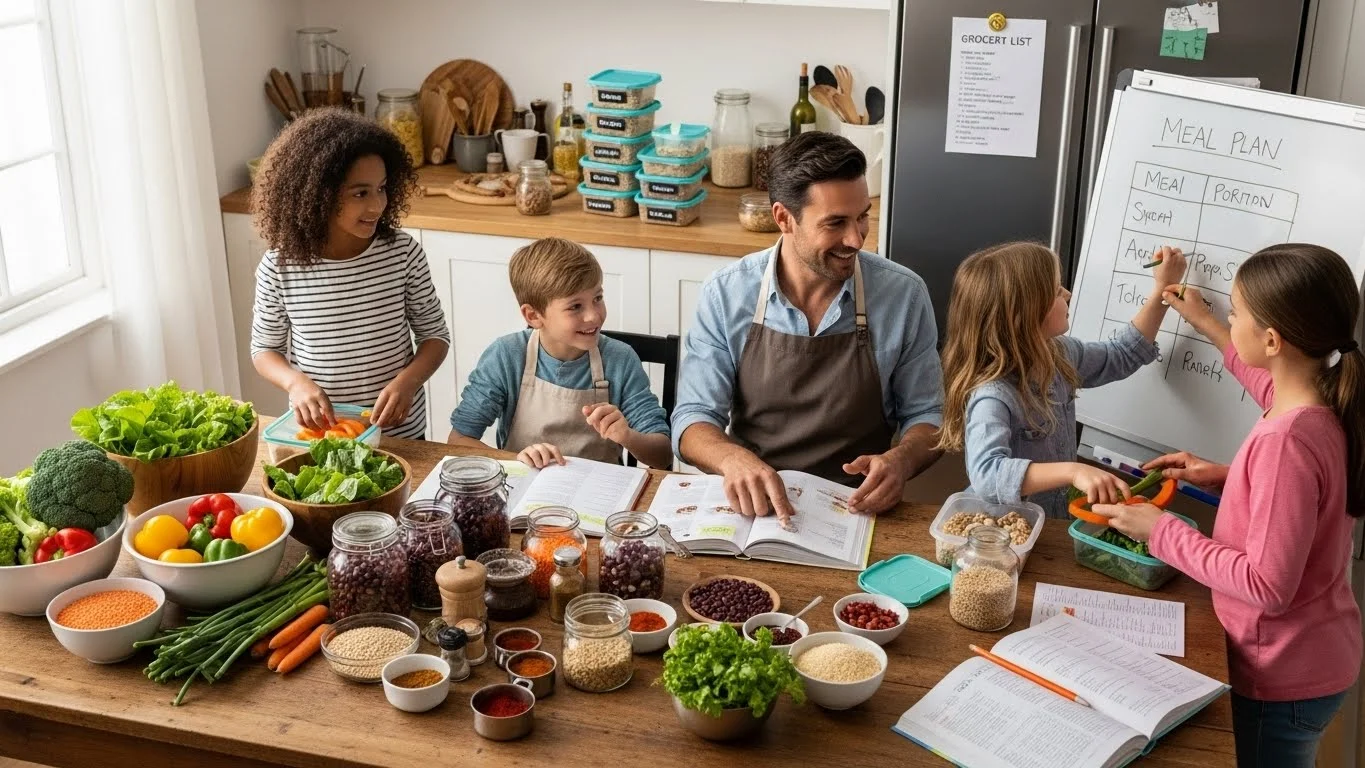
One of the most effective strategies I’ve adopted is creating a weekly meal plan. I usually take some time on the weekend to sit down and map out what we’ll eat throughout the week. I consider our schedules, any activities we have, and what ingredients I already have in the pantry. This helps me reduce waste and ensures that I only buy what we need. I often involve my kids in this process; they love picking out recipes and choosing their favorite meals. I remember when they suggested a taco night; we ended up making delicious lentil tacos that everyone enjoyed! Having a meal plan gives us structure but also allows for some flexibility.
Involving Kids in Meal Preparation
Involving my kids in the kitchen has been a wonderful experience. Not only does it teach them valuable cooking skills, but it also makes them more excited about trying new foods. I often give them age-appropriate tasks, like washing vegetables or measuring ingredients. I recall one evening when my youngest helped me prepare a stir-fry; he was so proud of his contribution, and I think he enjoyed eating it more because he was part of the process. This approach has fostered a sense of teamwork in our family and has made meal times more enjoyable! For more ideas on involving kids in healthy eating, check out Healthy Vegan Snack Ideas for Happy, Energized Kids.
Batch Cooking and Freezing Meals
Batch cooking has become a lifesaver for our busy family. On days when I have some extra time, I prepare large quantities of meals and freeze portions for later. This has not only saved us time but also ensured we always have healthy options on hand. I remember the first time I made a big batch of vegetable soup; we enjoyed it for several days, and I froze the leftovers for a later week. It felt great knowing I had healthy meals ready to go during hectic days. I recommend labeling containers with dates and meal types to keep everything organized in the freezer.
Using Leftovers Effectively
Leftovers can often be the unsung heroes of meal planning. I’ve learned to get creative with leftovers, turning them into new meals instead of letting them go to waste. For example, if we have roasted vegetables, I’ll toss them into a grain bowl or blend them into a soup. I think back to a time when we had extra quinoa and veggies; I made a delicious quinoa salad that my family devoured. Knowing how to repurpose leftovers not only helps us save money but also makes meal prep less stressful. I truly believe that with a little creativity, nothing should go uneaten!
Sample Meal Plans for Families on a Budget
Weekly Meal Plan Example
Creating a weekly meal plan has been one of the best strategies I’ve adopted for keeping our meals organized and budget-friendly. Here’s an example of a simple weekly meal plan that my family enjoyed recently. I like to keep it flexible so we can swap meals around based on our schedules.
- Monday: Lentil soup with whole wheat bread
- Tuesday: Stir-fried tofu with mixed vegetables and brown rice
- Wednesday: Quinoa salad with chickpeas, cucumbers, and tomatoes
- Thursday: Black bean tacos with fresh avocado and salsa
- Friday: Vegetable curry with basmati rice
- Saturday: Homemade pizza with a variety of veggie toppings
- Sunday: Batch cooking day – prepare meals for the week ahead!
This meal plan incorporates a variety of proteins and flavors, ensuring that we don’t get bored. I love that it uses ingredients I typically have on hand, making grocery shopping easier and more cost-effective.
Vegan Breakfast Ideas
Breakfast can sometimes be tricky, but I’ve found some simple vegan options that keep our mornings smooth and satisfying. I often prepare overnight oats using rolled oats, almond milk, and a splash of vanilla. In the morning, I can add whatever fruits we have on hand, like bananas or berries. Another favorite is a smoothie made with spinach, banana, and peanut butter; it’s quick, nutritious, and filling. I remember my kids’ faces lighting up when they realized that smoothies could be both healthy and delicious! We also enjoy avocado toast on whole-grain bread topped with sliced tomatoes and a sprinkle of salt. It’s a great way to start the day!
Vegan Lunch Options for Kids
For lunch, I try to keep things simple and appealing for my kids. I often prepare wraps using whole wheat tortillas filled with hummus, spinach, and shredded carrots. It’s a colorful, crunchy option they love. Another idea is to make bento boxes filled with leftover roasted vegetables, quinoa, and fresh fruit. I’ve seen how involving the kids in picking out their lunch items makes them more excited about eating healthy. Sometimes, I pack them a small container of homemade energy bites made from oats, nut butter, and a bit of maple syrup for a sweet treat!
Quick and Easy Vegan Dinners
Dinners need to be both quick and satisfying, especially after a long day. One of my go-to meals is a stir-fry made with whatever vegetables are in the fridge, tossed with tofu and soy sauce over brown rice. It’s quick to prepare and allows for lots of creativity. Another easy option is pasta with a homemade marinara sauce loaded with veggies; it’s an excellent way to sneak in extra nutrients. I remember one evening when we made a vegan chili with canned beans, tomatoes, and spices. It was hearty and perfect for a cozy night in. I often make extra to freeze for busy nights!
Snacks and Desserts
When it comes to snacks, I believe in keeping it healthy but enjoyable. Fresh fruit, like apples or grapes, is always popular in our house. I also like to make popcorn seasoned with nutritional yeast for a cheesy flavor without dairy. For a treat, I bake vegan muffins using bananas and oats, which are perfect for dessert or a snack. I recall the first time I made a batch; they disappeared so quickly, I barely had time to save a few for later! We all love finding ways to enjoy sweets that align with our vegan diet.
Shopping Tips for Budget-Friendly Vegan Ingredients
Where to Buy Vegan Ingredients
Finding the right places to shop for vegan ingredients can make a big difference in our budget. I’ve discovered that local grocery stores often have sales on produce and pantry staples. I tend to favor stores that offer a bulk section; it allows me to buy just the amount I need without paying for excess packaging. Another great option is health food stores, which sometimes have special discounts on vegan products. I also enjoy visiting farmers’ markets, where I can purchase seasonal fruits and vegetables directly from local growers. Not only do I get fresh produce, but I also feel good about supporting our community!
How to Read Labels and Ingredient Lists
Understanding how to read labels is crucial. In the beginning, I felt overwhelmed by all the information, but I learned to focus on a few key points. When I’m looking at packaged foods, I check for added sugars, preservatives, and artificial ingredients. I also look for certifications like “vegan” or “plant-based.” It’s amazing how many products can slip in hidden animal ingredients! I remember being surprised when I discovered that certain brands of granola contained honey. Now, I make it a habit to always read the ingredient list, which has helped me make informed choices for my family.
Buying in Bulk vs. Retail Shopping
Buying in bulk can save a significant amount of money over time. I’ve found that items like grains, beans, nuts, and seeds are often much cheaper when purchased in larger quantities. This not only helps our budget but also reduces packaging waste, which is an added bonus for the environment. I usually stock up on these staples when I can. However, I also balance this with retail shopping for fresh produce, which I prefer to buy weekly to ensure they’re at their peak freshness. This combination of bulk and retail shopping has worked well for us, ensuring we have a variety of ingredients without overspending.
Overcoming Challenges in Vegan Meal Planning
Dealing with Picky Eaters
As a parent, I know firsthand the challenge of dealing with picky eaters. My kids have gone through phases where they would turn their noses up at certain foods. One technique I’ve found helpful is to involve them in the cooking process, as I mentioned earlier. When they help prepare the meal, they’re more likely to try it! I also try to offer a variety of textures and flavors, which has made our meals more appealing. For example, I’ve learned that presenting vegetables in fun shapes or colors can spark their interest. Sometimes, I’ll create a veggie platter with hummus for dipping, making it more like a fun snack than a traditional meal. This approach has transformed mealtime into an adventure rather than a battle!
Time Constraints for Busy Families
Life can get hectic, especially with kids’ activities and work commitments. I’ve faced my fair share of rushed evenings where cooking felt impossible. During those times, I rely on quick, simple recipes that don’t skimp on flavor or nutrition. I often keep a few go-to meals in my back pocket, like a hearty vegetable stir-fry or a simple pasta dish. I also batch cook on weekends, which helps ensure we have ready-to-eat meals during busy weekdays. I keep frozen veggies handy, too, as they cook quickly and are great for adding to meals. Remembering that it’s okay to have simple meals has made a huge difference in reducing my stress levels.
Maintaining Variety and Nutritional Balance
One of my concerns when transitioning to veganism was ensuring our meals remained varied and nutritionally balanced. To tackle this, I focus on incorporating a colorful array of fruits and vegetables into our meals. I’ve learned to rotate different grains and legumes each week to keep things interesting. I also pay attention to protein sources, making sure we include beans, lentils, tofu, and nuts regularly. I find inspiration from different cuisines, trying out new recipes that incorporate global flavors. This not only keeps our meals exciting but also helps ensure we get all the nutrients we need. I believe variety is the spice of life, and it’s been rewarding to see my family enjoy a wide range of foods!
Resources for Vegan Meal Planning
Online Meal Planning Tools and Apps
With all the advancements in technology, I’ve found online meal planning tools and apps to be incredibly helpful. A few apps allow me to create meal plans, generate shopping lists, and even calculate nutrition information. I remember the first time I used one; it saved me so much time and kept me organized. The ability to share my plans with my family also encourages accountability and excitement around meals. I recommend exploring different options to find one that suits your planning style!
Cookbooks for Budget-Friendly Vegan Meals
Cookbooks have been a great source of inspiration for our vegan meals. I’ve collected several that focus on budget-friendly recipes, which have helped me expand my cooking repertoire. One of my favorites includes simple, accessible ingredients and tips for saving money while cooking delicious meals. I often flip through these books when I’m in a rut, and they spark new ideas that keep our meals fresh and fun!
Community Support and Recipe Sharing
Joining a community of fellow vegans has been a wonderful experience for me. I’ve found support groups, both online and offline, where we share recipes, tips, and encouragement. It’s comforting to connect with others who understand the challenges and joys of a vegan lifestyle. Many people are eager to share their favorite budget-friendly recipes, which has expanded my cooking knowledge and given me new ideas to try at home. I believe that sharing our experiences enriches our journey!
Final Thoughts
Meal planning on a budget as a family embracing veganism certainly has its challenges, but it’s become a rewarding journey for us. With the right strategies, a focus on budgeting, and a little creativity, we’ve discovered a world of delicious plant-based meals. I hope that by sharing my experiences, I’ve inspired you to explore vegan meal planning, too. Together, let’s nurture our families and our planet through the power of plant-based cooking!
Frequently Asked Questions
What is veganism?
Veganism is a lifestyle choice that avoids all animal products, including meat, dairy, eggs, and sometimes honey. It encourages a diet rich in fruits, vegetables, grains, legumes, nuts, and seeds.
What are the health benefits of a vegan diet?
A vegan diet can lower the risk of chronic diseases such as heart disease, diabetes, and certain cancers. It is also associated with increased energy levels, better digestion, and a boost in the immune system due to its richness in antioxidants and vitamins.
How can I set a realistic budget for vegan meal planning?
To set a realistic budget, assess your monthly grocery expenses and determine how much you can allocate for vegan ingredients. Planning meals around sales and using a shopping list can help you stick to your budget.
What is the difference between meal planning and meal prepping?
Meal planning involves deciding what to eat for the week, while meal prepping is the actual preparation of those meals. Meal planning helps reduce waste and ensures you buy only what you need, whereas meal prepping saves time during the week.
What are some essential kitchen tools for meal prep?
Essential kitchen tools for meal prep include sharp knives, cutting boards, storage containers, a reliable blender, and a slow cooker or instant pot for quick meal preparation.
What staple ingredients should I keep in a vegan pantry?
Staple ingredients for a vegan pantry should include grains like brown rice, quinoa, and whole wheat pasta, as well as legumes such as lentils, chickpeas, and black beans.
How can I involve my kids in meal preparation?
Involving kids in meal preparation can be done by assigning them age-appropriate tasks, such as washing vegetables or measuring ingredients. This not only teaches them valuable skills but also makes them more excited about trying new foods.
What are some quick and easy vegan dinner options?
Quick and easy vegan dinner options include stir-fries made with vegetables and tofu, pasta with homemade marinara sauce, and vegan chili using canned beans and tomatoes.
Where can I buy budget-friendly vegan ingredients?
Local grocery stores, health food stores, and farmers’ markets are great places to buy budget-friendly vegan ingredients. Look for stores with bulk sections to save money and reduce packaging waste.
How can I deal with picky eaters when meal planning?
To deal with picky eaters, involve them in the cooking process, offer a variety of textures and flavors, and present vegetables in fun shapes or colors to make meals more appealing.