
Many parents want to raise strong, successful children, but sometimes the methods they choose can be damaging. Authoritarian parenting is one such style, filled with strict rules and high expectations. Let’s dive deeper into what it really means. Read Interesting article: Understanding Authoritarian Parenting: Key Characteristics & Effects
What is Authoritarian Parenting?
Definition of Authoritarian Parenting
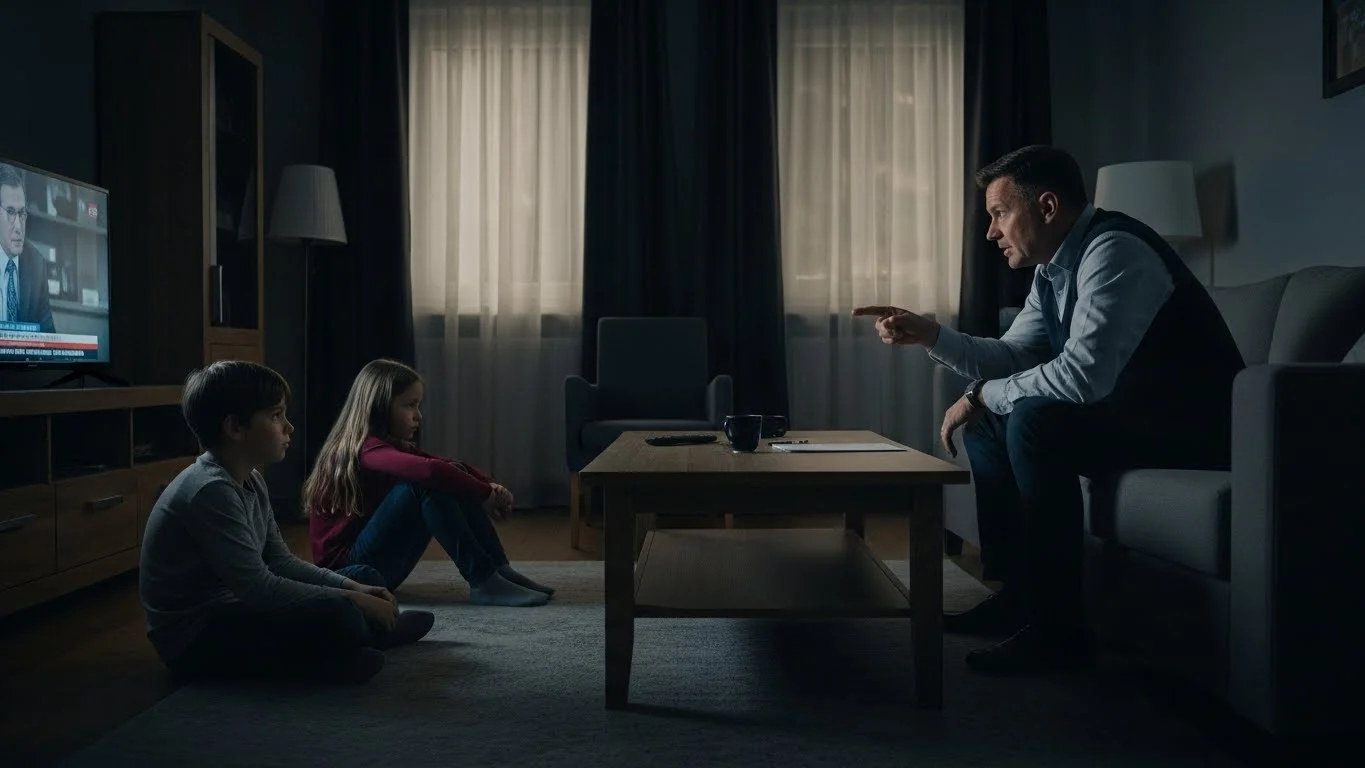
Authoritarian parenting is characterized by high demands and low responsiveness. This means that parents who adopt this style expect their children to follow rules without questioning them. It’s often a no-nonsense approach where obedience is valued above all else. In my experience, I’ve seen families where the parents rarely explain the reasons behind their rules, leading to children who may feel confused or resentful. Authoritarian parents often believe that their way is the only way to raise a child, which can create a rigid atmosphere at home.
Historical Context and Development of Authoritarian Parenting
Looking back, the roots of authoritarian parenting can be traced to various societal norms and values that emphasize discipline and respect for authority. Historically, many cultures placed a high value on obedience and conformity. I remember reading about how, in past generations, parents were often more focused on preparing their children for the harsh realities of life. This meant teaching them to follow rules strictly rather than nurturing their emotional development. The rise of industrialization and societal changes has also influenced parenting styles, pushing some families toward more authoritative methods in their quest for stability.
As time went on, particularly in the late 20th century, the concept of authoritarian parenting gained more attention. Researchers began to study different parenting styles, and authoritarian practices were often contrasted with more nurturing approaches. However, even with the rise of new parenting philosophies, many parents still cling to authoritarian values, believing that strictness will yield better results. Personally, I think this is a cycle that can be hard to break, especially if the parents themselves were raised in similar environments.
Key Characteristics of Authoritarian Parenting
High Demands and Low Responsiveness
One of the hallmark traits of authoritarian parenting is the high level of demands placed on children. Parents set strict expectations for behavior, academics, and overall performance. They often believe that children should adhere to these expectations without exception. I’ve seen how this can lead to a fear of failure in children, as they feel they must constantly meet their parents’ standards. At the same time, these parents are usually less responsive to their children’s emotional needs. This lack of emotional support can make it difficult for kids to express themselves freely.
Strict Rules and Expectations
Strict rules are a defining feature of authoritarian parenting. Parents often establish unyielding guidelines that govern every aspect of a child’s life. I remember a friend of mine growing up in such an environment; her parents had rules about everything from what she could wear to which friends she could hang out with. While some structure can be beneficial, an overabundance of rules can create a stifling atmosphere. Children may feel trapped and unable to explore their identities, leading to rebellion or withdrawal.
Lack of Emotional Support
Emotional support is crucial in a child’s development, yet authoritarian parents often overlook this need. They might dismiss their children’s feelings or fail to validate their emotions. I once saw a child cry after receiving a poor grade, only to be met with a cold response: “You should have studied harder.” This lack of empathy can hinder a child’s emotional growth and make them feel unworthy of love unless they achieve certain milestones.
Use of Punishment Over Reward
In authoritarian households, punishment is often favored over reward. Parents might resort to discipline rather than encouragement, which can create a negative cycle. I’ve witnessed firsthand how this can lead to children who respond to fear rather than motivation. They may comply out of a desire to avoid punishment rather than a genuine understanding of right and wrong. Over time, this can damage their self-esteem, as they may feel they are only valued for their compliance.
Limited Autonomy for Children
Finally, limited autonomy is another key characteristic of authoritarian parenting. These parents tend to make decisions for their children, leaving little room for independence or self-discovery. When I think about it, I realize how crucial it is for kids to have the opportunity to make choices. It’s a way for them to learn and grow. In authoritarian households, however, children might find it hard to develop decision-making skills, as they are used to having their choices dictated by their parents.
Comparing Authoritarian Parenting to Other Styles
Authoritative Parenting
When I think about parenting styles, I often find myself reflecting on how they can vary so much from one family to another. Authoritative parenting is often viewed as the opposite of authoritarian parenting. This style balances high expectations with warmth and support. Authoritative parents set clear rules but also encourage open communication and independence. I remember meeting a couple who exemplified this style; they had guidelines for their children but were always willing to sit down and discuss decisions with them. It made a huge difference in how their kids approached responsibility and decision-making. They felt heard and understood, which, in my opinion, is so crucial for healthy development. Read Interesting article: How Authoritative Parenting Shapes Kids: Real Examples
Permissive Parenting
On the other hand, permissive parenting takes a different approach altogether. These parents are warm and nurturing but tend to set few rules and boundaries. It’s almost like they want to be friends with their children rather than authority figures. I’ve seen this in some families, where kids have significant freedom but may struggle with self-discipline. While permissive parents often shower their children with love, I’ve noticed that without guidelines, kids sometimes have difficulty understanding limits. It’s a balancing act, and I think both sides have valuable lessons to teach us about parenting.
Neglectful Parenting
Neglectful parenting is yet another style that sits at the other end of the spectrum. This style involves a lack of responsiveness and demands, where parents may be indifferent or uninvolved in their children’s lives. I once knew a child whose parents were so busy with their own lives that they barely acknowledged him. This lack of engagement can lead to feelings of abandonment and low self-worth. It’s heartbreaking to think that some kids grow up without the support or guidance they need, leading them to seek validation in unhealthy ways. Understanding these different styles helps us see how varied parental involvement can greatly impact a child’s development.
Effects of Authoritarian Parenting on Children
Emotional and Psychological Impact
The effects of authoritarian parenting can be profound. I’ve seen children who grow up in these environments struggle with anxiety and low self-esteem. The constant pressure to meet high expectations can lead to a fear of failure, making them hesitant to try new things. I remember talking to a young adult who shared how her strict upbringing made her feel like she could never measure up. This emotional strain can manifest in various ways, including depression, as children internalize the belief that they are only worthy of love when they succeed.
Academic Performance and Behavior
Interestingly, while some believe that authoritarian parenting leads to better academic performance, the reality can be quite different. In my experience, children raised in these households may excel in school due to fear of punishment but often lack genuine motivation. They might achieve good grades, but it’s not uncommon for them to feel a sense of emptiness or burnout. I’ve seen kids who are incredibly bright but have no passion for learning—only a desire to avoid disappointing their parents. This reliance on external validation can stifle their love for knowledge.
Social Skills and Relationships
Socially, children raised in authoritarian environments may also face challenges. The lack of emotional support can hinder their ability to develop healthy relationships. I’ve observed that these children may struggle to communicate their feelings effectively, leading to misunderstandings with peers. Some might even become overly compliant, afraid of conflict, while others might rebel against authority altogether. It’s a delicate balance, and I feel it’s so important for kids to learn how to navigate friendships and interpersonal relationships in a supportive environment.
Recognizing Authoritarian Parenting in Practice
Signs of Authoritarian Parenting in Families
Recognizing authoritarian parenting can be crucial for making changes. I’ve noticed that families exhibiting this style often have a very rigid structure. Parents might regularly impose strict rules without room for negotiation. For example, if a child expresses a desire to spend more time with friends, an authoritarian parent might respond with a swift, “No, you need to focus on your studies.” These families might also have a lack of family discussions or sharing of feelings, which can create a disconnect. I think it’s essential to be aware of these signs, as they can signal the need for a shift in approach.
Common Phrases and Behaviors
Some common phrases from authoritarian parents can be quite telling. Phrases like “Because I said so” or “You will do as I say” reflect a lack of explanation or discussion. I often hear these phrases in settings where children aren’t encouraged to voice their opinions. Additionally, authoritarian parents may frequently criticize rather than praise, leading to a home environment filled with fear rather than love. I believe that recognizing these patterns can help parents reflect on their own behaviors and consider ways to foster a more supportive atmosphere for their children.
Addressing Authoritarian Parenting Styles
Strategies for Parents to Shift Parenting Style
Recognizing that authoritarian parenting may not be the best approach is an important first step. I’ve often thought about how challenging it must be for parents who were raised in strict environments themselves. The idea of shifting to a more supportive style can feel daunting. However, there are several strategies that can help make this transition smoother. One effective method is to start small. For instance, instead of imposing a rule without explanation, I recommend taking a moment to discuss the reasons behind it. This not only helps children understand the “why” but also fosters a sense of respect and collaboration.
Another strategy is to practice flexibility. Allowing children to have a say in certain decisions can be empowering. I remember when I began letting my kids choose their weekend activities. Instead of dictating what they would do, I provided options and we would discuss them. This simple change opened up a wonderful line of communication and made our family time more enjoyable.
Moreover, it’s vital for parents to engage in self-reflection. I’ve found that taking time to think about my own reactions and parenting choices has helped me understand the deeper motivations behind them. Journaling or discussing feelings with a partner can facilitate this process. It allows parents to identify patterns that may not be serving them or their children well.
Encouraging Communication and Emotional Support
Fostering open communication is essential in moving away from authoritarian parenting. I’ve seen how meaningful it can be when children feel safe to express their thoughts and feelings. Parents can encourage this by actively listening and validating their children’s emotions. When I implemented “family meetings” in our home, it became a space where everyone could share ideas and opinions. It was refreshing to see my children open up about their feelings and even suggest solutions to problems we faced as a family.
Creating an environment where emotional support is prioritized also plays a crucial role. I believe that acknowledging a child’s feelings—whether they’re happy, sad, or frustrated—can significantly improve their emotional well-being. For example, instead of brushing off a bad day at school, I learned to ask my kids about what happened and how they felt about it. This simple act of engagement helped them feel valued and understood.
Additionally, parents can model emotional expression themselves. I’ve found that sharing my own experiences and emotions with my children helps them learn that it’s okay to be vulnerable. It sets an example that being open about feelings is a strength, not a weakness.
Resources for Parents Seeking Change
For parents looking to make meaningful changes, there are plenty of resources available. I personally recommend books like “The Whole-Brain Child” by Daniel J. Siegel and Tina Payne Bryson, which offers insights into how kids’ brains work and practical strategies for nurturing their emotional development. Another great resource is “Parenting with Love and Logic” by Charles Fay and Foster Cline, which emphasizes raising responsible children through a balanced approach of love and accountability. Read Interesting article: Discover Authoritative Parenting: Real-Life Success Stories
Workshops and parenting classes can also provide valuable support. Many community centers or schools offer programs that focus on positive parenting techniques. I remember attending a workshop that delved into different parenting styles, which helped me connect with other parents and learn from their experiences. Sharing stories and challenges created a sense of camaraderie and support among us.
Online forums and support groups can also be helpful. Sites like parenting blogs or forums allow parents to share their journeys and seek advice from those who have walked a similar path. It’s comforting to know that we are not alone in this journey of parenting, and sometimes just hearing someone else’s story can be incredibly inspiring.
Expert Opinions and Research on Authoritarian Parenting
Psychological Studies and Findings
As I explored the topic of authoritarian parenting, I came across various studies that shed light on its long-term effects on children. Research has consistently shown that children raised in authoritarian households often face significant emotional challenges. For instance, a study published in the Journal of Family Psychology revealed that these children are more likely to experience anxiety, depression, and lower self-esteem compared to their peers raised in more supportive environments. I remember feeling a sense of urgency when reading these findings; they highlighted how crucial it is for parents to understand the implications of their parenting style.
One particular study that struck me was conducted by researchers at the University of Michigan. They found that children raised under authoritarian regimes were less likely to develop strong social skills and more likely to exhibit aggressive behaviors. This made me realize how the overarching strictness can stifle not just emotional growth but also social interactions. I think it’s fascinating, yet concerning, to see how parenting styles play such a pivotal role in shaping a child’s future.
Expert Interviews and Insights
To gain more insights, I sought out opinions from child psychologists and parenting experts. Dr. Linda Nielsen, a prominent psychologist and author, emphasized the importance of balancing authority with warmth. She expressed that while structure is necessary, fostering a child’s independence and emotional intelligence is equally essential. I resonated with her perspective, as it echoed my own experiences in parenting. She mentioned that children need to feel safe and validated in order to thrive, which often clashes with the rigid nature of authoritarian parenting.
Another expert I spoke to, Dr. John Gottman, highlighted the impact of parental conflict on children. He pointed out that when parents frequently engage in authoritarian tactics, children may learn to mimic these behaviors in their own relationships. This cycle of unhealthy interaction can continue into adulthood, making it all the more important for parents to recognize and change their approach. I couldn’t help but feel that the echoing wisdom of these experts could guide many families toward healthier dynamics.
Final Thoughts
Reflecting on everything I’ve learned about authoritarian parenting, I believe that understanding the effects of this style is crucial for fostering healthier relationships between parents and children. Parenting is not just about enforcing rules; it’s about building a foundation of trust, communication, and emotional support. I’ve seen how shifting away from a strict style can lead to not only happier children but also more harmonious family dynamics. It reminds me that parenting is a journey filled with learning and growth for both parents and children.
As we navigate this complex path, let’s aim to create environments where children feel safe to express themselves, make mistakes, and learn the value of responsibility through love and understanding. The insights from experts and studies serve as powerful reminders that the approach we choose can significantly impact our children’s emotional and psychological well-being. Together, let’s strive to be the kind of parents who empower our children to flourish—both now and in the future.
Frequently Asked Questions
What is authoritarian parenting?
Authoritarian parenting is characterized by high demands and low responsiveness, where parents expect children to follow rules without questioning them. This style often values obedience above all else and creates a rigid atmosphere at home.
What are the key characteristics of authoritarian parenting?
The key characteristics include high demands combined with low responsiveness, strict rules and expectations, a lack of emotional support, the use of punishment over reward, and limited autonomy for children.
How does authoritarian parenting affect children’s emotional development?
Children raised in authoritarian environments often struggle with anxiety and low self-esteem. The pressure to meet high expectations can lead to a fear of failure, making them hesitant to try new things and potentially resulting in depression.
How does authoritarian parenting compare to authoritative parenting?
Authoritative parenting is often viewed as the opposite of authoritarian parenting, as it balances high expectations with warmth and support. Authoritative parents set clear rules but encourage open communication and independence, fostering a healthier environment for children.
What impact does authoritarian parenting have on academic performance?
While some believe that authoritarian parenting leads to better academic performance, children may excel due to fear of punishment but often lack genuine motivation. They may achieve good grades but feel a sense of emptiness or burnout, relying on external validation rather than a love for learning.
What are some signs of authoritarian parenting in families?
Signs of authoritarian parenting include imposing strict rules without room for negotiation, a lack of family discussions or sharing of feelings, and a rigid structure within the household.
What strategies can parents use to shift away from authoritarian parenting?
Parents can start small by explaining the reasons behind rules, practice flexibility by allowing children to have a say in decisions, and engage in self-reflection to understand their own parenting motivations better.
How important is emotional support in parenting?
Emotional support is crucial for a child’s development. Authoritarian parents often overlook this need, which can hinder their children’s emotional growth and make them feel unworthy of love unless they achieve certain milestones.
What resources are available for parents looking to change their parenting style?
Parents can find valuable resources such as books like “The Whole-Brain Child” and “Parenting with Love and Logic,” workshops, parenting classes, and online forums to gain insights and support in transitioning to a more nurturing approach.
What do experts say about the effects of authoritarian parenting?
Experts emphasize that children raised in authoritarian households often face significant emotional challenges, including anxiety and lower self-esteem. They highlight the importance of balancing authority with warmth to foster independence and emotional intelligence in children.