
Understanding child behavior can transform our parenting journey. By grasping the roots of their actions and emotions, we can create nurturing environments that foster growth and learning.
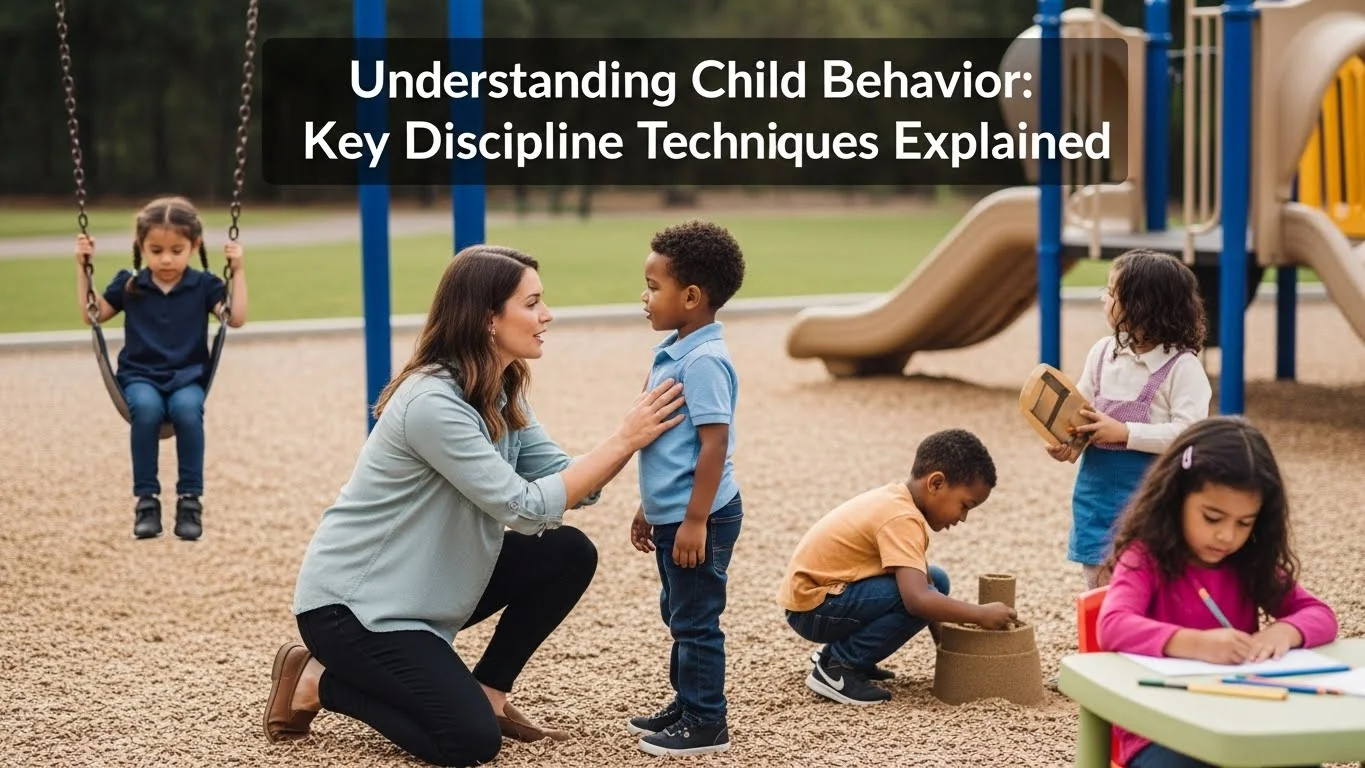
Overview of Child Behavior
The Importance of Understanding Child Behavior
As a parent, I often find myself pondering why my child behaves the way they do. Understanding child behavior is crucial not just for managing daily surprises but also for nurturing healthy development. When we look deeper into their actions, we can identify their needs and emotions. This understanding helps us respond more effectively, creating a more harmonious household. For me, it’s like having a roadmap; the clearer it is, the smoother the journey becomes. Read Interesting article: Mastering Discipline: Techniques for Positive Child Behavior
Factors Influencing Child Behavior
Child behavior is influenced by a myriad of factors. I’ve noticed that environment plays a substantial role. Whether it’s the cozy warmth of home, the chaos of a busy school, or the dynamics of playdates, each setting can impact how children express themselves. Additionally, genetics can’t be overlooked. Some children are naturally more predisposed to certain behaviors. I remember hearing a friend say, “My son is just a little more sensitive than others,” and I realized how true that can be.
Social interactions are also pivotal. Kids learn from their peers and the adults around them. I’ve seen my children mimic behaviors from friends, teaching them social norms but sometimes leading to challenging moments too. Lastly, developmental stages significantly shape behavior. Each stage comes with new challenges and milestones that can puzzle even the most seasoned parents.
Stages of Child Development
Speaking of developmental stages, I find it fascinating how children evolve over time. Understanding these stages can help us anticipate behaviors and respond appropriately. In infancy, children express needs through crying and gestures. As toddlers, they explore their independence, often leading to testing boundaries. I vividly remember the “terrible twos” with my eldest, a whirlwind of tantrums and discovery. At this stage, understanding that it’s normal for them to assert their will can ease our frustration.
Preschool years bring a surge in language and social skills. Children start to play cooperatively, yet conflicts arise. I learned to guide my kids through sharing and negotiation, which has been invaluable. Moving into school-age years, kids become more aware of social structures and develop friendships, which can lead to new behaviors influenced by peer dynamics. Each stage is unique, filled with surprises and lessons. Embracing these moments has transformed my perspective on discipline; I realize it’s less about correcting and more about guiding. Read Interesting article: Top 5 Discipline Techniques to Foster Child Growth and Learning
Common Child Behaviors
Typical Developmental Behaviors
As I navigate the ups and downs of parenting, I’ve come to recognize some typical developmental behaviors that kids exhibit at various stages. For instance, during the toddler years, it’s not uncommon for children to engage in imaginative play. I remember my daughter dressing up as a princess, twirling around the living room, completely lost in her own world. This type of play is essential as it fosters creativity and helps children make sense of their experiences.
Another common behavior is asking endless questions. I often felt like a walking encyclopedia when my kids were around the age of five. “Why is the sky blue?” “How do birds fly?” Their curiosity is a natural part of learning, and while it can sometimes feel overwhelming, I’ve learned to embrace these questions as opportunities to explore the world together. This not only satisfies their curiosity but also strengthens our bond as we discover answers together.
As kids enter school, I’ve noticed their social skills begin to flourish. They start making friends, which means they learn to share, cooperate, and sometimes even negotiate conflicts. I remember attending a school event and watching my son work with his peers on a group project. It was heartwarming to see them communicate and compromise, demonstrating their growing ability to navigate social situations. These typical behaviors are signs that our children are developing essential life skills.
Challenging Behaviors and Their Causes
While there are many delightful behaviors to celebrate, I’ve also encountered challenging ones. Behaviors like tantrums, aggression, or defiance can be tough to handle. I experienced a particularly challenging phase with my youngest, who would throw a fit whenever he didn’t get his way. It was exhausting! I began to realize that these behaviors often stem from their limited ability to express emotions or cope with frustration.
In my journey, I learned that challenging behaviors can also be a response to changes in their environment, like starting a new school or welcoming a new sibling. Kids often don’t know how to express their feelings, leading to what we might perceive as misbehavior. For example, my son struggled after moving to a new neighborhood. His acting out was less about defiance and more about his anxiety. Understanding these triggers has helped me respond with empathy rather than frustration.
Additionally, fatigue and hunger play significant roles in how our children behave. I can’t tell you how many times I noticed my kids acting out when they were tired or hadn’t eaten properly. I’ve learned the importance of keeping snacks handy and ensuring they have enough rest to minimize those meltdowns. Recognizing the causes behind challenging behaviors not only helps us respond better but also allows us to support our children more effectively.
Emotional Regulation in Children
Emotional regulation is a crucial skill for children to learn, and I’ve seen firsthand how vital it is for both their well-being and our family harmony. Young children often experience big feelings, and they sometimes struggle to express them appropriately. I remember a moment when my daughter got upset after losing a game. Instead of just getting angry, she cried, and I realized she needed help processing her feelings.
To help my kids with emotional regulation, I’ve introduced techniques like deep breathing and using “feelings charts.” When they’re feeling overwhelmed, I encourage them to take a few deep breaths, which helps calm their nerves. We also talk about emotions regularly; I ask them how they feel and encourage them to express their feelings in words. This practice has significantly improved not just their emotional expression but also our communication as a family.
Another strategy I found effective is modeling emotional regulation myself. I try to openly discuss my feelings and how I manage them. For instance, when I feel stressed, I share that with my kids and explain what I do to cope, whether it’s taking a walk or talking to a friend. By demonstrating these skills, I hope to empower them to regulate their emotions in healthy ways.
Overall, understanding emotional regulation in children has transformed our interactions. It’s rewarding to see my kids develop these skills, and I believe it sets a solid foundation for their emotional health in the future. Read Interesting article: Essential Discipline Techniques for Effective Child Development
Key Discipline Techniques
Positive Reinforcement
One of the most effective techniques I’ve discovered in my parenting journey is positive reinforcement. It’s amazing how a simple “good job” or a high-five can light up my child’s face and motivate them to repeat a desired behavior. I remember when my son started cleaning up his toys without being asked. I made it a point to praise him enthusiastically. Not only did he feel proud, but he also began doing it more often, transforming a chore into a game of sorts. This technique is all about catching our children doing something good and acknowledging it. I’ve learned that reinforcing positive behaviors creates a more joyful atmosphere at home and encourages kids to strive for goodness.
Time-Out Strategies
Time-outs often get a bad rap, but I’ve found them to be a useful tool when applied correctly. When my kids are overwhelmed or acting out, a brief time-out can help them regain control. I usually choose a quiet space where they can calm down and collect their thoughts. The key for me has been to explain the reason behind the time-out, so they understand it’s not just a punishment but a chance to reflect. For instance, when my daughter threw a tantrum over a toy, I calmly took her aside, discussed her feelings, and let her take a few minutes to cool off. Afterward, we would talk about better ways to express her frustration. This approach has not only improved her self-regulation but also taught her the importance of taking a breather when emotions run high.
Natural and Logical Consequences
Understanding the difference between natural and logical consequences has been enlightening for me as a parent. Natural consequences happen without intervention; for example, if my child refuses to wear a jacket on a chilly day, they might feel cold. Logical consequences, on the other hand, are consequences I impose that relate directly to the behavior. I recall a time when my son didn’t finish his homework because he was too busy playing. The next day, he had to face a lower grade. I used that moment to explain that his actions had direct effects on his learning. This method encourages accountability, which I believe is essential for children to develop responsibility.
Setting Clear Boundaries and Expectations
Setting clear boundaries has been another crucial aspect of my parenting style. I’ve learned that kids thrive when they know what’s expected of them. For instance, establishing consistent rules around screen time has made a significant difference in our household. I remember having a family meeting where we discussed how much time was reasonable for video games and TV. We all agreed on specific limits, and I made sure to enforce them consistently. This not only helped my kids understand the importance of balance but also reduced arguments about screen time. I feel that when we set clear guidelines, it fosters a sense of security and helps children make better choices.
Effective Communication Techniques
Communication is key in any relationship, and parenting is no exception. I’ve found that using “I” statements helps express my feelings without placing blame. For example, instead of saying, “You need to stop yelling,” I might say, “I feel upset when there’s yelling.” This approach has opened up conversations in our home, allowing my kids to express their feelings too. I also try to actively listen to their concerns, which makes them feel respected and valued. By creating an open dialogue, we can navigate challenges together, reinforcing the idea that I’m here to help and not just to enforce rules.
Understanding Discipline vs. Punishment
Defining Discipline in Child Rearing
It’s taken me some time to differentiate between discipline and punishment. I used to think they were synonymous, but through my experiences, I’ve learned that discipline is about teaching and guiding, while punishment can feel more punitive. Discipline focuses on helping my children understand the consequences of their actions and empowering them to make better choices in the future. I remember reading that discipline aims to foster self-control and responsibility, which resonated with me deeply. It shifted my approach to parenting; I now strive to be more intentional in teaching rather than just reacting to behavior.
How Punishment Affects Child Behavior
From my observations, punishment can have lasting negative effects on a child’s behavior and self-esteem. I recall a phase when I used time-outs as a form of punishment without explaining the reasoning behind them. It was disheartening to see my child become more withdrawn and anxious. This experience taught me that harsh punishments can lead to feelings of shame, resentment, and confusion, making it harder for kids to understand the lessons they need to learn. I now believe that punishment should never be the primary approach, as it can damage the trust between us. Instead, I focus on teaching moments that encourage learning and growth.
Building Respect and Trust through Discipline
Building respect and trust has become a cornerstone of my parenting philosophy. I’ve found that when my children feel respected, they are more likely to listen and cooperate. I remember a time when my daughter was upset about a decision I made regarding her bedtime. Instead of dismissing her feelings, I sat down with her and listened to her concerns. We talked through her feelings, and I explained my reasoning. This dialogue not only increased her understanding but also strengthened our bond. I believe that fostering a relationship based on mutual respect helps create an environment where discipline feels more like guidance than control.
Age-Appropriate Discipline Techniques
Discipline Techniques for Toddlers
When it comes to toddlers, I’ve learned that less is more. Their understanding of the world is still developing, so simple techniques work best. One method I found effective is distraction. If my toddler was throwing a tantrum because they wanted a toy, I would redirect their attention to something else—like a fun game or a colorful book. It’s been a lifesaver in those challenging moments! I also believe that simple explanations go a long way. When I calmly explain why certain behaviors are not acceptable, it helps them grasp the concept better, even if they don’t fully understand yet. I remember one day, my daughter was throwing blocks. Instead of just saying “no,” I explained, “Blocks are for building, not throwing.” That little shift helped her see the bigger picture.
Discipline Techniques for Preschoolers
As my children entered preschool, I found that they could understand more complex ideas. I began using “choices” as a discipline technique. For example, if my son was reluctant to clean up his toys, I would give him options: “Would you like to clean up the blocks first or the cars?” This empowers them while still setting clear expectations. I also introduced “time-in” strategies. Instead of isolating them, I’d sit with them to talk about their feelings and actions. I remember a time when my son was upset after a friend took a toy from him. Instead of punishing him, we sat down together to talk about sharing and how to express his feelings. This approach not only helped him process his emotions but also strengthened our connection.
Discipline Techniques for School-Aged Children
For school-aged children, I found involving them in the rule-making process to be incredibly effective. When my kids helped create the family rules, they felt a sense of ownership and were more likely to follow them. I remember sitting down with my children and asking them what they thought were fair rules regarding homework and screen time. Their engagement in the conversation made a world of difference! I also encourage them to reflect on their choices. When they make a mistake, I ask, “What do you think we could do differently next time?” This fosters self-awareness and responsibility without instilling fear of punishment.
Discipline Techniques for Teenagers
Disciplining teenagers has its unique set of challenges, but I’ve learned that respect and open communication are key. I strive to treat my teens as young adults. This means listening to their opinions and concerns seriously. I remember a time when my teenager wanted to stay out late with friends. Instead of immediately saying no, I asked about their plans and why it was important to them. By discussing it openly, we reached a compromise that satisfied us both. I also emphasize the importance of consequences for their actions. If they decide to ignore curfews, they understand that there will be a discussion about it, which helps them learn the importance of accountability.
Implementing Discipline Techniques Effectively
Consistency in Discipline Approaches
One of the most vital lessons I’ve learned is the importance of consistency. Kids thrive on predictability, and I’ve noticed that when my husband and I are on the same page with our discipline methods, it creates a more stable environment. For example, if we establish a rule about screen time, both of us need to enforce it consistently. This not only helps kids understand the boundaries but also reduces confusion and arguments. I remember a time when I was lenient about a certain rule, and it led to chaos. It made me realize just how crucial it is to maintain consistency.
Adapting Techniques to Individual Child Needs
Every child is unique, and I’ve found that adapting my discipline techniques to fit their personalities is essential. For instance, my daughter responds well to verbal praise and encouragement, while my son benefits from more structured approaches. I’ve learned to observe their reactions to various techniques and adjust accordingly. I remember trying a strategy that worked wonders for my daughter but fell flat with my son. By being flexible and willing to change my approach, I can better meet their needs and promote positive behavior.
Involving Other Caregivers in Discipline Strategies
Another important aspect of effective discipline is involving other caregivers in our strategies. Whether it’s grandparents, babysitters, or teachers, everyone should be on the same page. I made it a point to discuss our discipline techniques with my child’s school and other family members. This consistency across different environments helps reinforce the values we’re instilling at home. I remember feeling relieved when I learned that my child’s teacher was using similar techniques. It made our efforts feel cohesive, and my child thrived with the support from all angles.
Challenges in Discipline
Dealing with Resistance and Defiance
Resistance and defiance are common challenges every parent encounters. I’ve had my fair share of these moments! I realized that it’s often a way for kids to test boundaries and assert their independence. When my son went through a particularly defiant phase, I focused on remaining calm and understanding his feelings. Instead of reacting with frustration, I tried to engage him in conversation about why he felt the need to resist. This shift helped me connect with him on a deeper level, and he started to open up more about his feelings and needs.
Managing Emotional Responses
Managing emotional responses has been another challenge for me as a parent. It’s easy to get caught up in the heat of the moment and react impulsively. I’ve learned the importance of taking a breath and pausing before responding. I remember one instance when my daughter was upset over a friend dispute, and I felt the urge to jump in and fix it. Instead, I took a moment to listen to her feelings first. This led to a more constructive conversation and helped her feel supported rather than dismissed. I’ve noticed that taking that extra moment to pause often leads to more thoughtful and empathetic responses.
When to Seek Professional Help
There have been times when I felt overwhelmed and uncertain about how to handle my child’s behavior. In those moments, I’ve learned that seeking professional help is not a sign of weakness but rather a proactive step. Whether it’s talking to a pediatrician, a child psychologist, or a parenting coach, I’ve found that having that extra support can provide valuable insights. I remember reaching out to a child therapist when my son exhibited signs of anxiety. The guidance I received not only helped him but also empowered me with new tools and strategies to support him better. It’s essential to recognize when we need assistance and not hesitate to reach out.
Resources for Parents
Books on Child Behavior and Discipline
There’s a wealth of knowledge available in books on child behavior and discipline, and I’ve found several that have significantly impacted my parenting journey. Titles like “The Whole-Brain Child” by Daniel J. Siegel and Tina Payne Bryson have been eye-opening for me, providing insights into child development and effective discipline strategies. I also enjoyed “How to Talk So Kids Will Listen & Listen So Kids Will Talk” by Adele Faber and Elaine Mazlish, which offers practical communication tips that have transformed how I interact with my kids.
Online Courses and Workshops
Engaging in online courses and workshops has also been beneficial. Many organizations offer parenting classes that cover a range of topics, from discipline techniques to emotional regulation. I remember attending a webinar about positive discipline, which provided me with fresh ideas and tools to implement at home. It felt great to connect with other parents and learn from experts who shared their experiences and strategies.
Support Groups and Community Resources
Finding local support groups has been another invaluable resource. Connecting with other parents who share similar experiences creates a sense of community. I joined a parenting group in my area, where we discuss challenges and successes, share resources, and even organize playdates for our kids. This sense of belonging has been uplifting and has reassured me that I’m not alone on this parenting journey.
Final Thoughts
Parenting is a journey filled with ups and downs, and understanding child behavior is a vital part of it. By embracing the various techniques and resources available, we can navigate the challenges with compassion and confidence. Remember, it’s not about perfection; it’s about progress and connection. As we learn and grow alongside our children, we foster a nurturing environment that encourages them to thrive. I believe that with patience, empathy, and the right strategies, we can raise resilient and well-adjusted children who are prepared for the world ahead. Let’s continue to support each other on this incredible journey!
Frequently Asked Questions
Why is understanding child behavior important for parents?
Understanding child behavior is crucial for managing daily surprises and nurturing healthy development. It helps parents identify their children’s needs and emotions, enabling more effective responses and creating a harmonious household.
What factors influence child behavior?
Child behavior is influenced by several factors, including the environment, genetics, social interactions, and developmental stages. Different settings, such as home or school, can impact how children express themselves, while genetics may predispose some children to specific behaviors.
What are some typical developmental behaviors in children?
Typical developmental behaviors include imaginative play during toddler years, asking endless questions around age five, and beginning to develop social skills as they enter school. These behaviors indicate that children are developing essential life skills and learning to navigate their environment.
How can parents handle challenging behaviors in children?
Challenging behaviors often stem from a child’s limited ability to express emotions or cope with frustration. Parents can respond with empathy by understanding the triggers, such as changes in the environment or fatigue, and addressing these issues effectively.
What techniques can help with emotional regulation in children?
Techniques for helping children with emotional regulation include teaching deep breathing, using feelings charts, and modeling emotional regulation as a parent. Encouraging open discussions about feelings can also improve emotional expression and family communication.
What is positive reinforcement, and how does it work?
Positive reinforcement involves acknowledging and praising desired behaviors to encourage their repetition. Simple gestures like verbal praise or high-fives can motivate children and create a joyful atmosphere at home.
What role do natural and logical consequences play in discipline?
Natural consequences occur without intervention, allowing children to experience the effects of their actions, while logical consequences are imposed by parents and directly relate to the behavior. Both methods encourage accountability and help children understand the impact of their choices.
How can parents set clear boundaries and expectations?
Setting clear boundaries involves establishing consistent rules and expectations, which helps children understand what is expected of them. For example, discussing screen time limits as a family can foster a sense of security and reduce arguments about rules.
When should parents seek professional help for behavioral issues?
Parents should seek professional help when they feel overwhelmed or uncertain about how to handle their child’s behavior. Consulting with pediatricians, child psychologists, or parenting coaches can provide valuable insights and support.
What resources are available for parents seeking guidance on child behavior?
Parents can access a variety of resources, including books on child behavior and discipline, online courses and workshops, and local support groups. These resources can provide valuable insights and a sense of community among parents facing similar challenges.