
Cognitive milestones are fascinating markers in a child’s early life that reveal their developing mind. Understanding these milestones helps us support their growth and nurture their potential. Let’s dive into what cognitive milestones are and why they matter. Read Interesting article: Cognitive Milestones: Travel Ideas for Your Toddler’s Development
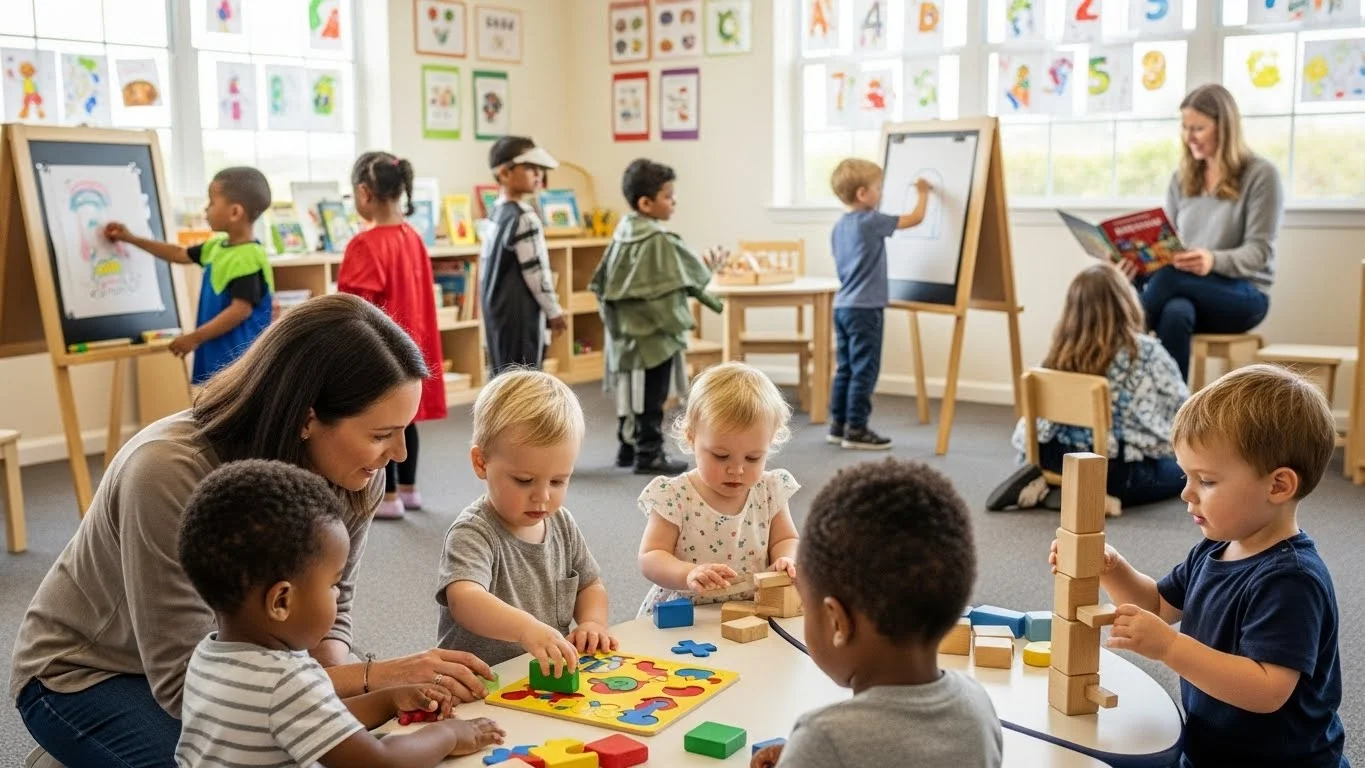
What Are Cognitive Milestones?
Definition of Cognitive Milestones
Cognitive milestones are specific developmental markers that indicate the progression of a child’s thinking, learning, and problem-solving abilities. These milestones help us understand how children perceive the world around them, process information, and interact with their environment. I remember when my little one began to recognize familiar faces and respond to their names; it was a heartwarming moment that made me realize how quickly they were developing. These milestones are typically categorized by age and represent a range of skills, from basic recognition of objects to complex reasoning and understanding of concepts.
Importance of Tracking Cognitive Development
Tracking cognitive milestones is crucial for several reasons. First, it allows parents and caregivers to celebrate achievements, no matter how small. I had always been excited to note every new skill my child developed, from stacking blocks to understanding simple directions. Each milestone felt like a personal victory for us. Additionally, monitoring these milestones can help identify any potential delays or issues in cognitive development. Early detection of concerns can lead to timely intervention, which can make a significant difference in a child’s learning trajectory. I’ve seen friends who caught delays early on and accessed resources that made a world of difference for their children. Read Interesting article: Traveling Smart: Cognitive Milestones in Newborns Explained
Key Cognitive Milestones by Age
Milestones from Birth to 1 Year
In the first year, cognitive development is incredibly rapid. Newborns start to recognize their parent’s voices and face, an essential milestone that lays the foundation for social interaction. I remember the first time my baby smiled back at me; it felt like a magical connection. By around 4 to 6 months, babies begin to show curiosity about their surroundings, reaching for toys and exploring objects with their hands and mouths. By the time they approach their first birthday, they typically engage in simple problem-solving, like figuring out how to get a toy that is out of reach. This period of discovery is a thrilling adventure for both the child and the parents.
Milestones from 1 to 2 Years
As children enter their second year, their cognitive skills continue to evolve. They start to develop a sense of self and can identify themselves in mirrors or photos. I recall the pride I felt when my toddler pointed to herself and said her name! By 18 months, many children can follow simple instructions, which is a big leap in understanding language. They also begin to engage in pretend play—a crucial indicator of imagination and cognitive growth. I loved watching my child mimic cooking or talking on the phone, showcasing their understanding of daily life. This imaginative play not only reflects their cognitive development but also helps it flourish.
Milestones from 2 to 3 Years
At this age, cognitive abilities really begin to blossom. Children start to engage in more complex play and can follow two-step instructions. They begin to ask questions, which is a sign of curiosity and a developing understanding of the world. I found myself in a whirlwind of “Why?” and “How?” questions, and while it was exhausting at times, it was also wonderful to see my child’s mind at work. By age three, children can categorize objects, recognize shapes and colors, and even start to understand the concept of time, such as knowing the difference between yesterday and today. These cognitive leaps are truly fascinating!
Milestones from 3 to 4 Years
As children approach four, their thinking becomes more logical and organized. They can solve simple problems and are beginning to understand the idea of cause and effect. I remember my child trying to piece together puzzles and becoming thrilled each time a piece fit perfectly. Their vocabulary expands rapidly, and they often enjoy storytelling, which showcases their growing imagination. Social skills also start to develop, as they begin to understand sharing and taking turns, which is crucial for interacting with peers.
Milestones from 4 to 5 Years
By the time children reach five, they typically exhibit even greater cognitive skills. They can count, recognize numbers, and understand basic math concepts, which amazed me when my child started counting their toys. Their ability to follow multi-step directions improves, and they engage in more sophisticated play scenarios with friends. I loved watching my child create elaborate stories during playdates, demonstrating their imagination and cognitive growth. This is a pivotal age where foundational skills in literacy and numeracy start to take shape, setting the stage for formal education. Read Interesting article: Backpacking with a Newborn: Milestones in Cognitive Growth
Factors Influencing Cognitive Development
Genetics and Biology
Cognitive development is a complex interplay of numerous factors, and genetics plays a substantial role in shaping our children’s abilities. I remember having conversations with my pediatrician about how certain characteristics can be inherited. For instance, some children might naturally excel in problem-solving or have a higher propensity for language acquisition, much like their parents. Research suggests that genetics can influence brain development and cognitive potential. However, while our genetic makeup lays the groundwork, it’s essential to recognize that it doesn’t solely determine our child’s cognitive journey.
Environmental Influences
The environment in which a child grows up is equally important. I’ve noticed how my child’s surroundings—be it our home, community, or even the wider world—significantly impact their cognitive skills. A stimulating environment filled with diverse experiences can foster curiosity and learning. For example, I often took my child to parks, museums, and libraries, allowing them to explore and discover new things. This exposure not only enriched their knowledge but also sparked their imagination. I truly believe that every little experience contributes to how our children think and learn.
Parental Involvement and Interaction
Speaking of environment, parental involvement is a critical factor in cognitive development. The time we spend with our children—playing, talking, reading, and engaging in various activities—can profoundly influence their cognitive skills. I’ve found that the moments spent reading bedtime stories or discussing our day after dinner provided an excellent opportunity for my child to express themselves and learn. These interactions help develop language skills, social understanding, and emotional intelligence. It’s not just about the quantity of time we spend but the quality of those interactions that truly matters.
Socioeconomic Factors
Socioeconomic status can also affect cognitive development. Families with access to resources such as educational materials, enriching activities, and quality healthcare often have children who perform better cognitively. I’ve seen how some of my friends were able to enroll their kids in various classes and programs that bolstered their learning experiences. On the other hand, children from lower socioeconomic backgrounds may face challenges that limit their exposure to stimulating activities, which can hinder their cognitive growth. I believe it’s essential to recognize these disparities and work towards creating equal opportunities for all children.
Recognizing Delays in Cognitive Milestones
Common Signs of Delayed Development
As we navigate the journey of parenting, it’s crucial to be aware of potential delays in cognitive milestones. Early detection can lead to timely interventions, which are vital for a child’s development. Common signs of delayed cognitive development can include a lack of interest in exploring new toys, difficulty following simple directions, or limited communication skills for their age. I remember feeling concerned when my child wasn’t showing interest in puzzles, which their peers seemed to enjoy. It’s essential to trust your instincts. If something feels off, it might be worth investigating further.
When to Seek Professional Help
So, when should we seek professional help? If you notice that your child is consistently missing milestones or exhibiting other concerning behaviors, it’s important to reach out to a healthcare professional. I learned that it’s better to address concerns early rather than wait and see. Pediatricians can provide assessments to determine if further evaluation is necessary. I found comfort in knowing that seeking help is a proactive step, not a sign of failure. We all want the best for our children, and sometimes that means asking for a little extra support.
Resources for Parents and Caregivers
There are many resources available for parents and caregivers who want to learn more about cognitive development and potential delays. Local community centers often provide workshops and information sessions. I discovered several online platforms and forums where parents share their experiences and advice. Additionally, consulting with child development specialists can provide tailored guidance for your child’s needs. I remember attending a parent workshop that offered invaluable insights into early cognitive development. It made me feel more equipped to support my child’s growth.
Activities to Support Cognitive Development
Age-Appropriate Games and Toys
Engaging children in age-appropriate games and toys is one of the most effective ways to support their cognitive development. I found that simple toys like blocks, puzzles, and educational games can make a world of difference. These activities encourage problem-solving, creativity, and critical thinking. I remember spending hours with my child building towers with blocks, watching their delight each time they succeeded. It’s amazing how much learning happens through play, and I believe these moments are integral to their growth.
Encouraging Problem-Solving Skills
Encouraging problem-solving skills can be both fun and educational. Simple challenges like scavenger hunts or building obstacles with household items can spark creativity and critical thinking. I once set up a mini obstacle course in our living room, and it turned into a delightful adventure! My child had to figure out how to navigate through and reach the finish line. These activities not only promote cognitive skills but also strengthen our bond through shared experiences and laughter.
Importance of Reading and Language Exposure
Reading to our children is one of the best gifts we can give them. I made it a habit to read daily, and I noticed how it enriched my child’s vocabulary and comprehension skills. I loved picking books with colorful illustrations and engaging stories that captured their imagination. Language exposure helps them make connections and understand their world better. I encouraged my child to ask questions about the story, which sparked deeper conversations and critical thinking.
Using Everyday Routines for Learning
Everyday routines can also become learning opportunities. I often incorporated counting during snack time or identifying colors while dressing my child. Simple tasks like cooking together can teach measurements and following instructions. I found that turning mundane moments into fun learning experiences made both of us excited. It’s a wonderful way to weave cognitive development into our daily lives without feeling like a chore.
The Role of Early Education Programs
Benefits of Preschool Education
Early education programs play a significant role in fostering cognitive development. I remember when I enrolled my child in preschool; I was amazed at how much she learned in just a few months. These programs provide structured environments that promote social interaction, problem-solving, and critical thinking. In preschool, children are introduced to routines and group activities, which help them develop essential skills they will carry into higher education. I noticed my child becoming more independent and confident as she navigated her daily activities, from sharing toys to solving conflicts with friends. The benefits of preschool extend far beyond academics; they also help children build emotional and social skills that are crucial for their overall development.
Types of Early Childhood Education Programs
There are various types of early childhood education programs available, and each has its unique approach to learning. I explored options like Montessori, Reggio Emilia, and traditional preschool programs before making a decision for my child. Montessori programs focus on self-directed activity and hands-on learning, allowing children to choose their own paths. Reggio Emilia emphasizes collaborative learning and creativity, which I found appealing. Traditional preschools often provide a balanced curriculum aimed at preparing children for kindergarten. Understanding the different types of programs helped me make an informed choice based on my child’s personality and learning style. I believe it’s essential to find a program that aligns with your child’s needs while also considering the values and teaching methods that resonate with you as a parent.
How to Choose the Right Program
Choosing the right early education program can feel overwhelming, but it’s essential to take the time to research and reflect. Start by considering your child’s interests and learning style. I found it helpful to visit different schools and observe classes in action. Talking to teachers and staff can also provide insights into their teaching philosophy and approach. I remember asking questions about how they handle playtime, social interactions, and academics. It was also important for me to consider the school’s environment—was it welcoming and safe? Was there a strong emphasis on creativity and exploration? Gathering as much information as possible helped me feel confident in my choice. Ultimately, trust your instincts and choose a program where you feel your child will thrive.
Final Thoughts
Reflecting on the journey of cognitive development, I realize just how pivotal our roles as caregivers and educators are in shaping our children’s futures. Supporting cognitive growth goes beyond simply marking milestones; it’s about embracing the entire experience of learning alongside them. I’ve learned to celebrate every “aha!” moment, whether it was my child discovering how to stack blocks or finally understanding how to navigate a puzzle. Each small victory felt monumental, a testament to their growth and our shared journey.
I think it’s essential to foster an environment where curiosity thrives. By providing diverse experiences—whether through imaginative play, outdoor exploration, or engaging conversations—we can enrich our children’s understanding of the world. I remember how excited my child would get when we visited new places or tried new activities. Those moments not only created lasting memories but also served as invaluable learning opportunities.
As parents, we also need to remain vigilant about recognizing delays in cognitive milestones. It can be challenging to navigate our worries while supporting our children, but trusting our instincts is crucial. Reaching out for help when something feels off is a strength, not a weakness. I’ve seen firsthand how early intervention can change the trajectory of a child’s learning journey, opening doors to resources and support that can make a significant difference.
Moreover, the importance of reading and language exposure cannot be overstated. I found that the more I read to my child, the more she wanted to engage with stories and learn new words. It was a joy to see her imagination flourish with each book we explored together. I believe that instilling a love for reading early on sets the stage for lifelong learning.
Lastly, I encourage every parent to actively participate in their child’s education, whether through choosing the right preschool or engaging in daily learning activities. The right educational environment can spark a love for learning that lasts a lifetime. I’ve felt the impact of a nurturing educational setting, where my child felt safe and excited to explore new concepts and ideas.
In the end, supporting cognitive growth is a beautiful journey filled with challenges, joy, and discovery. By being intentional in our interactions, celebrating milestones, and advocating for our children’s needs, we can help them develop into curious, capable individuals ready to take on the world. Let’s embrace this journey together, as we nurture their minds and watch them blossom.
Frequently Asked Questions
What are cognitive milestones?
Cognitive milestones are specific developmental markers that indicate the progression of a child’s thinking, learning, and problem-solving abilities. They help us understand how children perceive the world, process information, and interact with their environment.
Why is it important to track cognitive development?
Tracking cognitive milestones allows parents and caregivers to celebrate achievements and identify any potential delays or issues in development. Early detection can lead to timely intervention, which can significantly impact a child’s learning trajectory.
What cognitive milestones can be expected from birth to 1 year?
In the first year, babies start to recognize their parent’s voices and faces, show curiosity by reaching for toys, and engage in simple problem-solving, like figuring out how to get a toy that is out of reach.
How do cognitive skills develop from 1 to 2 years?
During this period, children develop a sense of self, can identify themselves in mirrors or photos, follow simple instructions, and engage in pretend play, which reflects their imagination and cognitive growth.
What cognitive abilities are typically seen in children aged 2 to 3 years?
Children at this age start to engage in more complex play, can follow two-step instructions, ask questions, and categorize objects while beginning to understand concepts like time.
What cognitive milestones are observed from 3 to 4 years?
By this age, children’s thinking becomes more logical, they can solve simple problems, understand cause and effect, and their vocabulary expands as they enjoy storytelling and develop social skills.
What skills do children typically exhibit by age 5?
Children by age five usually exhibit greater cognitive skills, such as counting, recognizing numbers, understanding basic math concepts, following multi-step directions, and engaging in sophisticated play scenarios.
What factors influence cognitive development?
Cognitive development is influenced by genetics, the environment, parental involvement, and socioeconomic factors. Each of these elements plays a significant role in shaping a child’s cognitive abilities.
How can parents recognize delays in cognitive milestones?
Common signs of delayed cognitive development include a lack of interest in exploring new toys, difficulty following simple directions, or limited communication skills for their age. Trusting instincts and seeking help if concerns arise is crucial.
What activities can support cognitive development in children?
Engaging children in age-appropriate games and toys, encouraging problem-solving skills, reading regularly, and using everyday routines for learning are effective ways to support cognitive development.