
Choosing healthy snacks for kids can feel overwhelming, especially with so many options and tricky food labels. Understanding how to read these labels can empower us to make better choices for our families. Decoding Food Labels: A Parent’s Guide to Healthy Snacks is a great resource for parents looking to navigate this process.
Understanding Food Labels: An Overview
As a parent, I’ve often found myself standing in the grocery aisle, trying to decipher food labels that seem like they require a degree in nutrition to understand. I realized how crucial food labels are, not just for me but for anyone who wants to make informed choices about what their kids eat. Food labels provide essential information that can guide us toward healthier snacks, helping our children develop good eating habits from a young age.
Importance of Food Labels for Parents
Food labels serve as a roadmap to understanding what goes into the snacks we choose for our kids. When I first began paying attention to labels, I was amazed at how much they could reveal about a product. For parents, food labels are not just numbers and ingredients; they’re a way to ensure our kids are getting the nutrients they need without the unnecessary additives.
One thing I learned is that many snacks marketed towards kids are often packed with sugars, artificial flavors, and preservatives. By reading the labels, we can avoid these pitfalls. I remember when my daughter was younger and I bought what I thought was a healthy fruit snack. It turned out to be loaded with sugar! This experience taught me the importance of scrutinizing food labels and made me realize that as parents, we have the power to influence our children’s dietary choices.
How Food Labels Influence Healthy Choices
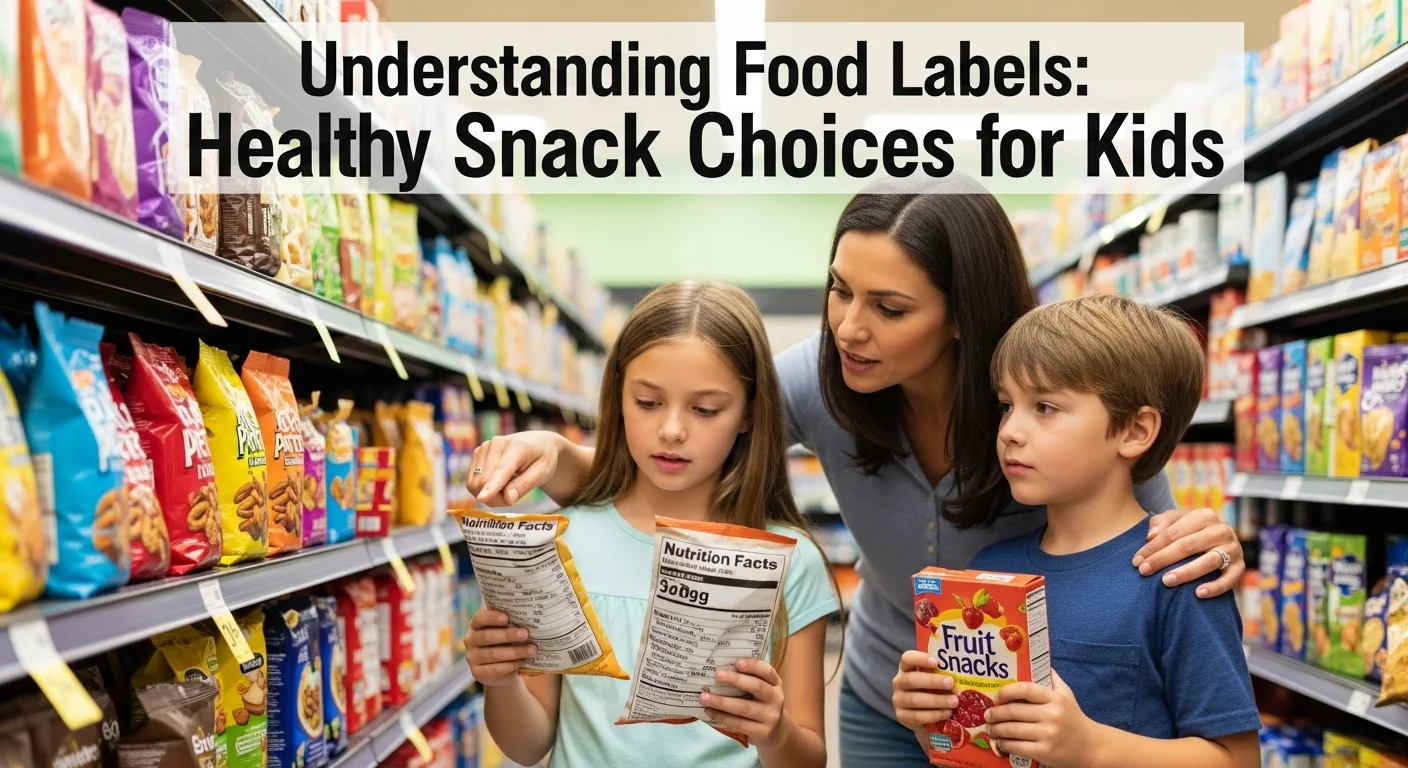
Food labels can play a significant role in shaping healthy habits. In our home, I’ve made it a point to involve my kids in the grocery shopping process. By letting them help read labels, they become more aware of what they’re eating. I noticed that when my kids understand what goes into their snacks, they’re more likely to choose healthier options. This involvement fosters a sense of responsibility and curiosity about food, which I believe is essential for their growth.
When we see terms like “whole grain,” “low sugar,” and “high fiber” on labels, they can guide us toward better choices. I often discuss these terms with my kids, explaining why whole grains are better than refined ones, for example. This way, they learn not just to read labels but also to understand the nutritional value behind them.
Key Components of Food Labels
Nutritional Facts: Decoding the Information
The Nutrition Facts panel on food labels can look daunting at first. However, once you break it down, it becomes much easier to understand. I remember feeling overwhelmed by the numbers, but now, I focus on a few key areas that I think are essential:
- Calories: This tells you how much energy is in one serving. I always consider how active my kids are when looking at caloric content.
- Fat: Understanding the difference between saturated and unsaturated fats has been a game-changer for our family. I look for snacks that are lower in saturated fat.
- Sugars: I’ve learned to keep an eye on both total sugars and added sugars. I prefer snacks with little to no added sugars.
- Fiber: High fiber content is a must for us. It keeps kids full and helps with digestion.
By focusing on these components, I can quickly assess whether a snack is a good choice for my children. Snack Time Tips: Healthy Choices for Active Kids can provide additional guidance on selecting the right snacks.
Ingredients List: What to Look For
Next up is the ingredients list, which is like the secret code of food labels. I always try to choose snacks with a shorter list of ingredients, ideally ones I can recognize. For instance, if I see fruits, nuts, or whole grains at the top of the list, I feel confident about that product. But if the list includes long, complicated words or artificial additives, I usually put it back on the shelf.
One of my favorite snacks for my kids is trail mix, where I can pick out the ingredients myself. Knowing what goes into it not only helps me feel better about the snacks but also adds a fun element to snack time.
Serving Size: Understanding Portions
Serving size is another crucial factor. I remember the first time I noticed that serving sizes often seemed smaller than what my kids would typically eat. It’s easy to overlook this, but understanding serving sizes helps us manage portions better. For instance, if a label suggests a serving size of ten chips, but my kids eat double that, I need to factor that into the overall caloric and nutritional content. This awareness has helped us avoid overeating and has led to healthier snacking habits.
Allergen Information: Keeping Kids Safe
Lastly, allergen information is an essential part of food labels, especially for kids with allergies. I always check for common allergens like peanuts, tree nuts, dairy, and gluten. In our case, we had to avoid certain nuts due to allergies. This information can be a lifesaver and gives me peace of mind when selecting snacks. I’ve learned that being vigilant about allergens helps keep my family safe while enjoying a variety of foods.
Identifying Healthy Snacks for Kids
Low Sugar Options: Recognizing Added Sugars
One of the biggest challenges we face as parents is monitoring sugar intake. I’ve noticed that many snacks marketed for kids are deceptively sweet. The first step I took was learning how to recognize added sugars in food labels. It’s surprising to see how many different names sugar can go by—like sucrose, high fructose corn syrup, and agave nectar. I remember a time when I bought a seemingly healthy yogurt for my kids, only to find that it had more sugar than a candy bar!
To help, I now look for snacks that clearly state “no added sugars.” I also check the Nutrition Facts panel for the total sugars content. Ideally, I aim for snacks that have five grams of sugar or less per serving. By doing this, I feel more confident that my kids are enjoying their treats without the excessive sugar that can lead to energy spikes and crashes.
Whole Grains vs. Refined Grains
When it comes to grains, I’ve learned that choosing whole grains over refined grains is essential for maintaining energy levels and keeping our kids full longer. Whole grains contain more fiber and nutrients compared to their refined counterparts. I remember the first time I switched to whole grain bread; my kids were a bit hesitant, but over time, they grew to love it. Now, I actively seek out whole grain options, whether it’s bread, crackers, or cereals.
When checking a label, I always look for “whole grain” as the first ingredient. This means that the product is more likely to retain its natural nutrients. I also explain to my kids why whole grains are better, which has sparked their interest in making healthier choices themselves. I believe that understanding the benefits of whole grains can help them develop a lifelong appreciation for nutritious foods.
Healthy Fats: Understanding Good vs. Bad Fats
Fats often get a bad rap, but not all fats are created equal. I remember feeling confused about which fats to include in my kids’ diets. Through my research, I discovered that healthy fats, like those found in avocados, nuts, and olive oil, are important for brain development and overall health. I’ve made it a habit to check food labels for trans fats and saturated fats, which I try to minimize in our diet.
When looking for snacks, I focus on options that include healthy fats. For example, I love offering my kids homemade energy balls made with oats, nut butter, and seeds. They’re not only delicious but also packed with the good fats that support their growth. Knowing how to identify healthy fats on labels has empowered me to make choices that not only taste great but are also beneficial for my kids.
Common Misleading Claims on Food Labels
Understanding ‘Natural’ vs. ‘Organic’
When I first started reading food labels, I was often swayed by claims like “natural” or “organic.” However, I quickly learned that these terms can sometimes be misleading. Just because a product is labeled “natural” doesn’t mean it’s free from additives or processed ingredients. In my experience, it’s best to look for products with the USDA Organic seal, which guarantees that the ingredients meet specific standards.
I remember buying a snack that proudly displayed “natural” on the front, only to find a long list of ingredients on the back that I couldn’t pronounce. Now, I always double-check the ingredients list, especially if I see those claims. This has helped me feel more secure about what I’m feeding my family.
‘Low Fat’ vs. ‘Reduced Fat’ Claims
Another area where I’ve had to educate myself is the difference between “low fat” and “reduced fat” claims. I used to think that “low fat” meant a healthier option, but I’ve learned that companies often replace fat with sugar to improve taste. That’s why I pay attention to both the fat content and the overall nutritional profile of snacks. If a snack is low in fat but high in sugar, it’s not a trade-off I’m willing to make.
Now, I focus on whole foods that naturally contain healthy fats rather than processed snacks with misleading labels. This way, I can ensure my kids are getting the nutrients they need without unnecessary added sugars.
Interpreting ‘Gluten-Free’ Labels
Gluten-free options have become increasingly popular, and I’ve found myself navigating this space more often, especially since some friends have gluten sensitivities. I’ve learned that just because something is labeled “gluten-free” doesn’t necessarily mean it’s healthy. Many gluten-free snacks can be high in sugars and fats to compensate for the lack of gluten.
When I see a gluten-free label, I make sure to read the ingredients carefully. I look for whole food ingredients rather than processed alternatives. This way, I can provide my kids with the best possible snacks, ensuring they’re not just gluten-free, but also nutritious and satisfying.
Practical Tips for Reading Food Labels
Teaching Kids to Read Labels
One of the best decisions I made was to involve my kids in the label-reading process. I remember the first time I brought my son along to the grocery store and handed him a snack package. I encouraged him to read the label aloud. At first, he struggled with some of the words, but I noticed his curiosity sparked as we navigated the various sections together. It became a fun little game as we searched for sugar content, fiber, and other important details. I believe that teaching them early on how to read labels not only helps them make informed choices but also empowers them to take charge of their own health.
We often turn label reading into a mini-quiz. For example, I ask questions like, “What’s the first ingredient?” or “How many grams of sugar does this have?” This approach keeps them engaged and helps them learn to look beyond the marketing and understand what they’re really eating. I feel that this knowledge will stay with them as they grow up, helping them make healthier choices even when I’m not around.
Using a Food Label Comparison Chart
Creating a food label comparison chart has been another helpful tool in our household. I made a simple chart that lists out categories such as sugar content, fiber, and calories across various snacks we commonly buy. By comparing these snacks side by side, my kids can visually see the differences. This method not only helps them understand how to evaluate snacks but also encourages them to choose healthier options as they become more aware of what they’re consuming.
For example, we might compare two different brands of granola bars. By looking at the chart, they can see which one has more fiber and less sugar. This visual representation has made a significant impact on their decision-making process. I’ve seen them actively choose the healthier option, often reminding me of the numbers we discussed. It’s rewarding to see them apply what they’ve learned in real-life situations.
Apps and Tools for Easy Label Reading
In our tech-savvy world, I’ve found that using apps can make the label reading process even easier. There are several apps available that allow you to scan a product’s barcode and instantly get nutritional information, ingredient breakdowns, and health ratings. I remember downloading one such app, and it’s been a game-changer during grocery trips. When I scan a snack, I can quickly see how it measures up against our health standards.
Some of these apps also provide information on allergens and potential additives, which has been incredibly helpful for us. I can have peace of mind knowing that I’m making the right choices for my family. Plus, my kids love the tech aspect—it feels like they’re using a cool gadget rather than doing a chore. This way, they stay engaged while learning about nutrition in a fun way.
Healthy Snack Ideas for Kids
Fruits and Vegetables: Nature’s Snacks
I can’t emphasize enough how beneficial fruits and vegetables are for kids. They’re packed with vitamins, minerals, and fiber, making them the perfect healthy snack. I remember when I began to offer my kids a variety of fresh fruits and veggies instead of processed snacks. At first, they were skeptical, especially about trying new things. However, by presenting them in fun ways—like making a colorful fruit salad or arranging veggies into funny shapes—they quickly became fans of nature’s snacks.
Some of our go-to options include apple slices with peanut butter, carrot sticks with hummus, or even frozen bananas dipped in yogurt. I love that these snacks are nutritious and can be prepped in advance, saving us time during busy days. Plus, the best part is that my kids now ask for fruits and veggies when they’re hungry, which is a win for both of us!
Whole Grain Options: Crackers and Bars
Whole grains are another staple in our home. I’ve learned to swap out refined snacks for whole grain versions, and the difference is noticeable. Whole grain crackers, popcorn, and bars are not only healthier but also more filling. I remember discovering a brand of whole grain crackers that my kids loved, and they’ve become a staple in our pantry.
To make it even more exciting, we often create snack boards with a variety of whole grain options, cheese, and fruit. This way, they get to choose from different items, fostering independence in their food choices. And of course, I feel good knowing they’re fueling their bodies with nutritious foods.
Dairy Snacks: Yogurt and Cheese
Dairy is another important part of our kids’ diets. I always look for low-sugar yogurt options and cheese snacks that provide protein and calcium. I remember when I found a brand that offered yogurt with real fruit and no added sugars; it was like hitting the jackpot! My kids love it, and I love that it’s a healthier alternative to sugary flavored yogurts.
Additionally, string cheese and yogurt tubes are popular among my kids. They’re portable, easy to pack for school, and satisfying. Sometimes, we even make yogurt parfaits with granola and berries for a delightful treat. It’s a fun way to enjoy dairy while adding some extra nutrients.
Protein-Packed Choices: Nuts and Seeds
Lastly, I can’t forget about nuts and seeds. They’re packed with protein and healthy fats, making them an ideal snack for growing kids. I often prepare small bags of mixed nuts or seeds for a quick snack on the go. I remember my kids were hesitant to try nuts initially, but once they did, they realized how delicious they can be.
We also enjoy making homemade trail mix with their favorite nuts, seeds, and a sprinkle of dark chocolate. It’s a fantastic way to keep them energized without the sugar crash. Knowing that they’re getting a balanced snack helps me feel good about their choices.
Frequently Asked Questions
Why are food labels important for parents when choosing snacks for kids?
Food labels provide essential information that helps parents make informed choices about their children’s snacks, ensuring they receive necessary nutrients and avoid unnecessary additives.
What key components should parents focus on when reading food labels?
Parents should focus on calories, fat content (particularly saturated vs. unsaturated fats), total and added sugars, and fiber content to assess whether a snack is a good choice.
How can parents involve their children in the process of reading food labels?
Parents can involve their children by letting them help read labels during grocery shopping, turning it into a fun game or quiz to foster curiosity and responsibility about food choices.
What should parents look for in the ingredients list of snacks?
Parents should choose snacks with a shorter list of ingredients, ideally those they can recognize, such as fruits, nuts, or whole grains, while avoiding long, complicated words or artificial additives.
How can understanding serving sizes help with snacking habits?
Understanding serving sizes helps parents manage portions better and avoid overeating, as many serving sizes may seem smaller than what children typically eat.
What role does allergen information play in selecting snacks?
Allergen information is crucial for keeping kids safe, especially for those with allergies. Parents need to check for common allergens to ensure the snacks are safe for their children.
How can parents identify healthy snacks with low sugar?
Parents can identify healthy snacks by looking for those that state “no added sugars” on the label and checking the total sugar content, aiming for snacks with five grams of sugar or less per serving.
What is the difference between whole grains and refined grains?
Whole grains contain more fiber and nutrients compared to refined grains. Choosing whole grains helps maintain energy levels and keeps kids fuller longer.
How can parents recognize healthy fats in snacks?
Parents can recognize healthy fats by looking for ingredients like avocados, nuts, and olive oil on labels, while minimizing trans fats and saturated fats in their children’s diets.
What practical tips can help parents teach their kids about reading food labels?
Practical tips include involving kids in label reading, using a food label comparison chart to visually compare snacks, and utilizing apps that provide nutritional information and health ratings for products.