
Homeschooling can feel like a thrilling journey, filled with unique opportunities and challenges. Understanding homeschooling laws is crucial for parents to navigate this path successfully and ensure a fulfilling educational experience for their children.
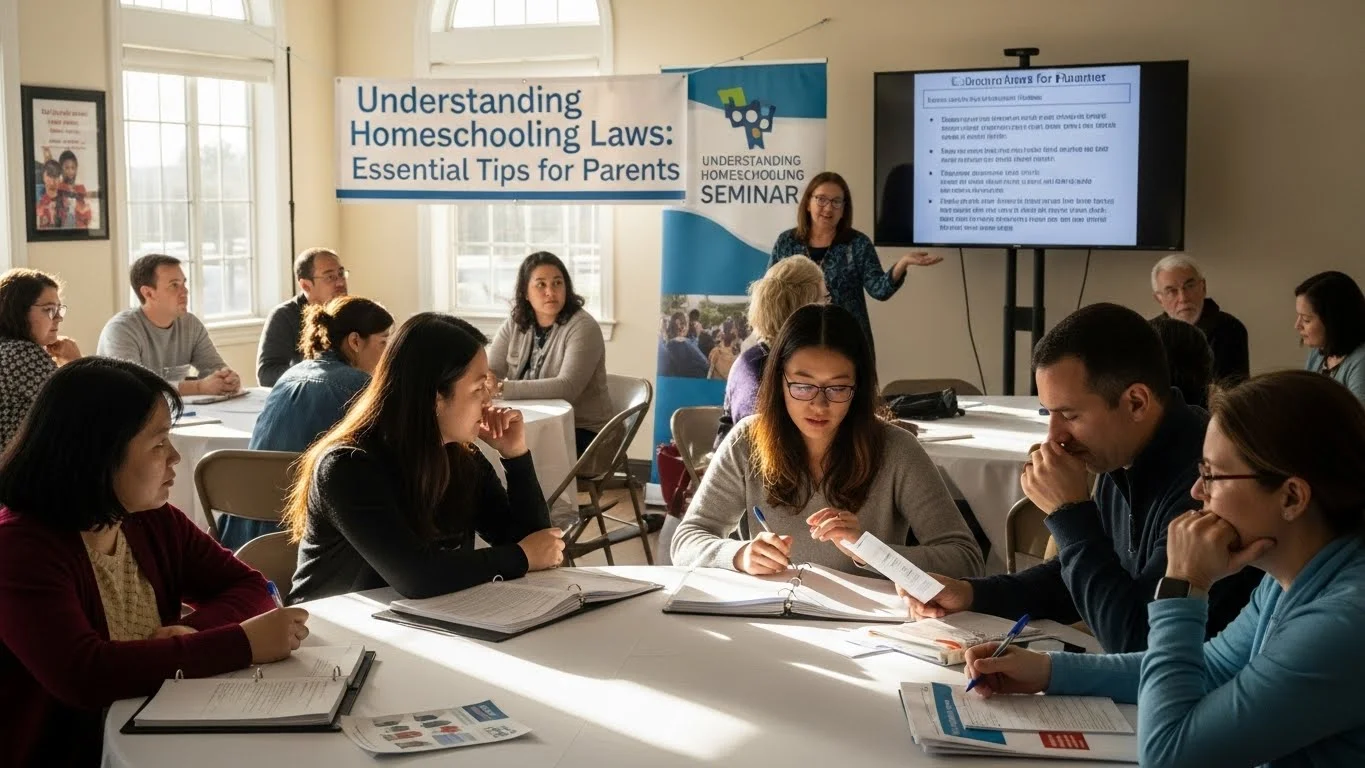
Overview of Homeschooling Laws
What is Homeschooling?
Homeschooling is when parents take on the responsibility of educating their children at home instead of sending them to a traditional public or private school. I remember when my partner and I first considered this option for our kids. The idea was both exciting and daunting, as it meant we would be directly involved in shaping their education. Homeschooling allows for personalized learning experiences, focusing on each child’s unique needs, interests, and pace. Parents can choose curricula that align with their values and teaching philosophies, whether they lean more towards structured programs or flexible, interest-based learning.
Importance of Understanding Homeschooling Laws
Understanding the laws surrounding homeschooling is essential for several reasons. First, every state has its own set of regulations, which can vary widely. Some states have minimal requirements, while others impose strict guidelines. I remember feeling overwhelmed when I first dug into the laws. It was crucial for us to ensure we complied with all local regulations to avoid any potential issues with our school district. Knowing the legal framework helps parents navigate the process smoothly, ensuring that they can focus on teaching rather than worrying about legal complications. Moreover, understanding these laws can empower parents to advocate for their homeschooling rights and connect with other homeschoolers in their area.
Homeschooling Laws by State
State-Specific Regulations
One of the first things I learned is that homeschooling laws can differ dramatically from one state to another. For instance, in my state, we needed to submit an intent to homeschool, while in others, no notification was required at all. It’s essential to familiarize yourself with your state’s specific regulations. Many states offer resources through their department of education, which can provide guidance. I found it helpful to join local homeschooling groups, where I could learn from other parents’ experiences and share insights about the requirements in our state. Read Interesting article: Affordable Resources for Building a Homeschool Curriculum
Key Differences in Homeschooling Laws Across States
As I continued my research, I noticed key differences in the approach to homeschooling laws across states. Some states require standardized testing to ensure educational progress, while others do not. Additionally, the types of curricula accepted can vary, with some states having restrictions on religious instruction or requiring state-approved materials. Understanding these differences can be crucial in planning your homeschooling journey. It can also influence your choice of educational resources and support systems.
States with More Flexible Homeschooling Laws
Some states are known for their flexible homeschooling laws. For instance, states like Alaska and Texas have minimal regulations, making it easier for families to homeschool. In these states, parents have the freedom to create their curricula, and there are few, if any, assessments required. This flexibility can be a game-changer for families like ours who thrive on creativity and personalized learning. However, I learned that with great freedom comes great responsibility, so it’s essential to maintain a structured learning environment to ensure educational success.
States with Stricter Homeschooling Regulations
On the flip side, some states, like New York and Pennsylvania, have stricter regulations. These states may require parents to submit detailed educational plans, keep records of instruction, and conduct assessments at specific intervals. I remember feeling a bit intimidated when I first looked into these requirements, but I quickly realized that they could be managed with a good organizational system. For parents in stricter states, it’s vital to stay informed and prepared to meet these guidelines, so you can focus on what really matters: your child’s education.
Types of Homeschooling Regulations
Notification Requirements
Most states require parents to notify the local school district of their intent to homeschool. This notification can vary in complexity; some states require only a simple letter, while others may ask for a detailed educational plan. When I submitted our notification, I felt a mix of excitement and nervousness—it felt like a defining moment for our family. It’s important to check the specifics for your state, as failing to notify can lead to complications down the road.
Curriculum Requirements
Many states have guidelines regarding the curriculum used in homeschooling. Some states allow complete freedom in choosing materials, while others may require certain subjects to be covered or even specific curricula to be used. I found it beneficial to explore various educational philosophies and methods, such as Montessori or classical education, to discover what resonated most with our family’s values and learning preferences. Read Interesting article: Snack Time Tips: Healthy Choices for Active Kids
Assessment and Testing Requirements
In some states, periodic assessments and testing are mandatory to ensure that homeschooling students are meeting educational benchmarks. I’ve seen parents stress about these tests, but I believe they can be a useful tool for both parents and children to gauge progress. They can help identify areas where a child may need additional support or enrichment, allowing us to tailor our teaching methods accordingly.
Record Keeping and Documentation
Keeping accurate records is crucial for homeschoolers, especially in states with strict laws. This can include attendance logs, lesson plans, and samples of student work. I found that maintaining a well-organized system not only helped me stay compliant but also provided a fantastic way to reflect on our educational journey. It was rewarding to look back on the progress we made throughout the year and celebrate our achievements together.
Common Misconceptions About Homeschooling Laws
Myth: Homeschooling is Illegal
One of the biggest myths I encountered when I started my homeschooling journey is that homeschooling is illegal. I remember a close friend expressing concern when I told her about our decision. She thought we were breaking the law! In reality, homeschooling is legal in all 50 states, although the regulations vary widely. Some states require more oversight than others, but the fact remains that parents have the legal right to educate their children at home. Understanding that this myth exists can help us communicate more confidently about our choice and dispel any fears from friends or family who might not be familiar with the laws.
Myth: Homeschooling Requires a Teaching Degree
Another common misconception is that parents need to have a teaching degree to homeschool their children. When I first began exploring homeschooling, I worried that my lack of formal teaching credentials might hinder our educational journey. However, I learned that no state requires parents to hold a teaching degree. What matters most is a commitment to your child’s learning and a willingness to research and adapt. Many successful homeschoolers come from varied backgrounds and experiences, and they often find creative ways to teach concepts without needing to rely solely on formal education methods. I believe that being involved in our children’s education, regardless of our academic backgrounds, can lead to a rich and rewarding experience.
Myth: Homeschooling is Only for Religious Families
Some people assume that homeschooling is mainly for religious families. I know this misconception can create a barrier for those who are interested in homeschooling but don’t identify with any particular religious group. In my experience, homeschooling encompasses a wide range of philosophies and approaches, from secular to religious. I’ve met families who homeschool for numerous reasons, including flexibility, dissatisfaction with traditional schooling, or a desire for a tailored educational experience. Our family, for instance, chose homeschooling to foster a love for learning and to allow our kids to explore their interests deeply. It’s essential to highlight that homeschooling can be a diverse and inclusive choice for families from all walks of life.
Essential Tips for Parents Navigating Homeschooling Laws
Researching Your State’s Laws
One of the first steps I took when we decided to homeschool was to thoroughly research our state’s laws. This step was crucial to ensure we were compliant with all regulations. I recommend checking your state’s Department of Education website for the most accurate and up-to-date information. There are often FAQs that clarify common questions, and you can find links to necessary forms. I realized that spending time upfront to understand these requirements saved us a lot of stress later on and made our journey smoother.
Joining Homeschooling Associations and Support Groups
Connecting with local homeschooling associations and support groups can be a game-changer. When I first joined a local group, I felt instantly supported and less isolated. These communities often provide resources, share experiences, and organize events, which can be incredibly beneficial. They can also offer insight into navigating state laws and offer advice specific to our region. I found camaraderie and friendship among other homeschooling families, which made our experience much more enjoyable and enriching.
Creating a Compliance Checklist
In my quest to stay organized, I decided to create a compliance checklist to help us keep track of our responsibilities and deadlines. This checklist included things like submitting our intent to homeschool, updating our educational plan, and keeping records of assessments. Having a visual reminder helped me stay on top of our obligations while ensuring we met the legal requirements. I found that this simple tool not only kept us compliant but also helped us celebrate our milestones along the way.
Staying Updated on Changes in Legislation
Homeschooling laws can change, and it’s vital to stay informed. I remember attending a workshop where a fellow parent shared her experience of being caught off guard by a sudden change in her state’s regulations. To avoid that situation, I recommend subscribing to newsletters from homeschooling organizations or following state education boards on social media. This proactive approach ensures you’re always in the loop regarding any updates that could impact your homeschooling journey.
Resources for Homeschooling Parents
Online Legal Resources
There’s a wealth of online resources available for homeschooling parents looking to navigate laws and regulations. Websites like the Home School Legal Defense Association (HSLDA) offer comprehensive legal resources and advocacy for homeschoolers. I found their articles and legal guides to be incredibly informative and reassuring. They break down complex laws into easy-to-understand language, which was a huge help for me when I felt overwhelmed.
Books and Guides on Homeschooling Laws
Books can be another valuable resource. I discovered several helpful guides that focus specifically on homeschooling laws and best practices. Titles like “The Well-Trained Mind” or “Home Learning Year by Year” provided not only insights into educational philosophies but also practical advice on compliance. Reading experiences from other homeschooling families can help you feel more confident in your journey.
Webinars and Workshops for Parents
Participating in webinars and workshops can also be beneficial. Many organizations offer virtual learning opportunities where experienced homeschoolers share their expertise regarding laws and regulations. I attended a workshop that provided a detailed breakdown of state laws, and it was incredibly enlightening. These events often allow for Q&A sessions, where you can ask specific questions and get direct answers from knowledgeable sources, making it easier to navigate the complexities of homeschooling.
Frequently Asked Questions About Homeschooling Laws
What are the consequences of not following homeschooling laws?
When I first started homeschooling, I didn’t fully grasp the importance of adhering to state laws. It became clear to me that ignoring these regulations could lead to some serious consequences. Each state has its own consequences for non-compliance, which can range from simple warnings to more severe actions like legal penalties or even loss of the right to homeschool. I remember reading stories from parents who faced challenges because they didn’t meet notification requirements or failed to keep adequate records. This underscored the importance of understanding local laws and staying compliant. For our family, it was essential to approach homeschooling with a mindset of responsibility, ensuring that we were always aligned with the legal framework to avoid any disruptions to our educational journey.
Can I switch my child back to public school after homeschooling?
This is a question that often comes to mind for many parents, especially when considering the long-term implications of their homeschooling decision. From my experience, yes, you can switch your child back to public school after homeschooling, but there can be some hurdles. Many states have specific re-enrollment procedures, and schools may require assessments to determine the appropriate grade level for your child. I remember a friend who faced this when her children returned to public school after a few years of homeschooling. She found that some schools required standardized tests to assess her kids’ knowledge and skills, which can be a bit daunting. It’s wise to check with your local school district to understand their policies on re-enrollment, which can help you plan this transition smoothly if needed.
How to handle disputes with state authorities?
Disputes with state authorities can feel intimidating, especially when you’re trying to do what’s best for your child’s education. I found that the key to handling these situations is to stay calm and informed. First, ensure you understand your rights as a homeschooling parent. If a dispute arises, I believe it’s vital to document everything—keep records of conversations, correspondence, and any documents exchanged. This information can be essential if you need to appeal a decision or clarify misunderstandings. Additionally, connecting with local homeschooling associations can provide support and resources. They often have experienced advocates who can help navigate disputes. In our case, I reached out to a local group when we had a question about a regulation, and their insights were invaluable in resolving the issue amicably.
Benefits of Understanding Homeschooling Laws
Empowerment and Advocacy
Understanding homeschooling laws isn’t just about compliance; it’s also about empowerment. I realized that being informed helped me advocate for our family’s choices and rights. When I encountered skepticism from friends or family, I could confidently explain our decision and the legal backing behind it. This knowledge fostered a sense of community among other homeschooling families, where we could share experiences and support one another in navigating the complexities of our state regulations.
Enhanced Educational Experience
When we follow the laws, it doesn’t just remove stress; it also enhances our educational experience. By understanding our state’s requirements, we were able to choose curricula that not only met legal standards but also aligned with our family values and learning preferences. For instance, I discovered local co-ops and enrichment programs that complemented our homeschooling journey while ensuring we met academic benchmarks. This added layer of structure allowed us to explore diverse educational opportunities without sacrificing our freedom to learn in a way that felt right for our family.
Building a Stronger Homeschooling Community
As I became more engaged with local homeschooling laws, I noticed a shift in how our community interacted. Parents started coming together to share resources, tips, and best practices. We organized workshops and information sessions that not only educated ourselves but also welcomed newcomers into the homeschooling fold. This sense of community was a huge benefit of understanding the legal landscape; it helped us lean on each other and build a supportive network.
Next Steps in Your Homeschooling Journey
Evaluating Your Educational Philosophy
As you dive deeper into homeschooling, taking a moment to evaluate your educational philosophy can be incredibly beneficial. I spent time reflecting on what values and teaching methods resonated most with our family. Whether it was an emphasis on experiential learning, a structured curriculum, or a mix of different approaches, knowing our educational philosophy helped guide our day-to-day learning activities. I recommend taking a step back to think about what kind of educational experience you want to create for your children.
Creating a Supportive Learning Environment
Another important step is to create a supportive learning environment at home. I found that having a designated learning space, even if it was just a cozy corner of our living room, made a significant difference in our focus and productivity. This space served as a reminder that we were engaged in a meaningful endeavor. Personalizing this space with educational materials, books, and inspirational quotes can foster a love for learning and make education feel more inviting for the kids.
Setting Realistic Goals
Setting realistic, achievable goals is also crucial for your homeschooling journey. I learned this the hard way when I tried to do too much at once. By breaking down our yearly objectives into smaller, manageable tasks, I was able to track our progress without feeling overwhelmed. This approach not only kept us motivated but also allowed us to celebrate our milestones together, reinforcing the joy of learning. I recommend having regular check-ins to evaluate our progress and adjust our goals as needed.