
Understanding key behavioral milestones in early childhood is essential for parents, caregivers, and educators. These milestones help us recognize and support our children’s growth in their formative years. To learn more about the significance of these milestones, check out Essential Behavioral Milestones for Every Child’s Development.
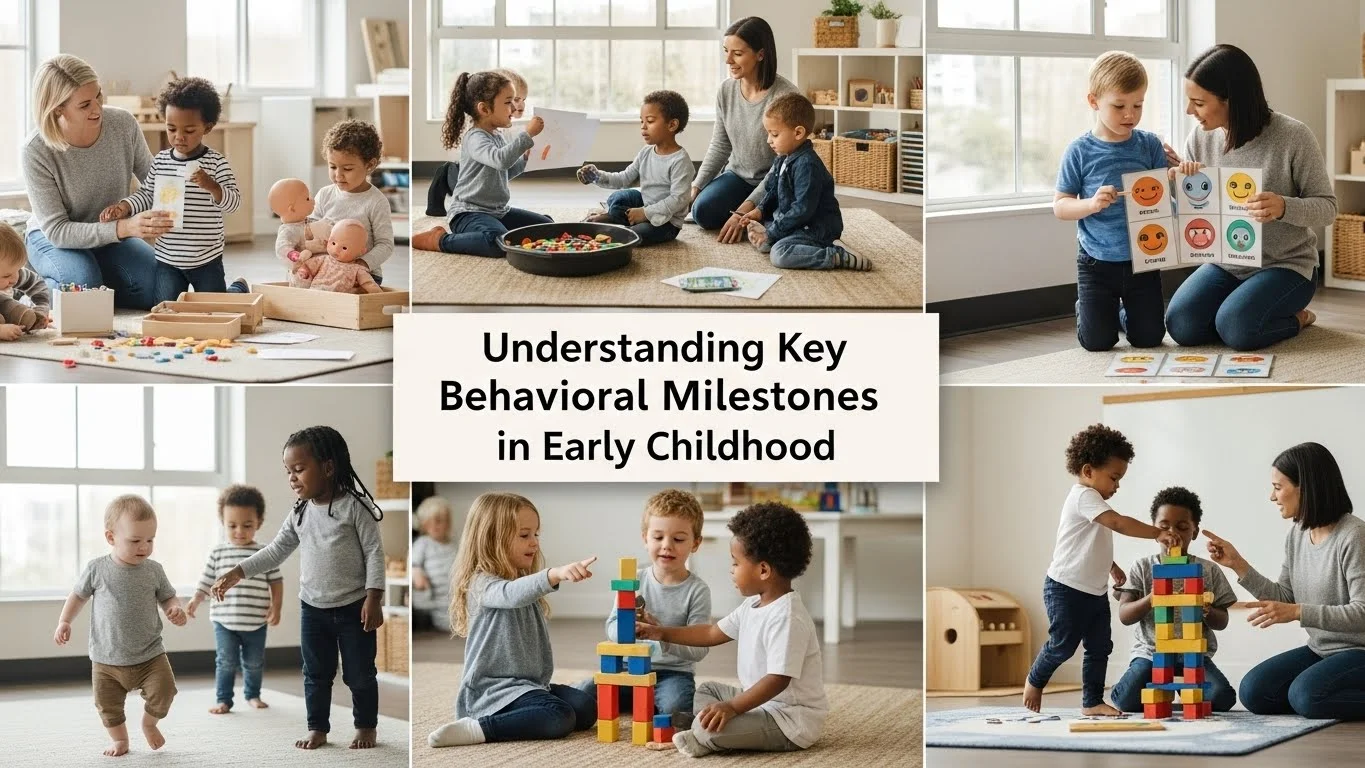
Overview of Behavioral Milestones in Early Childhood
Definition of Behavioral Milestones
Behavioral milestones are specific skills and behaviors that children typically develop at various stages in their early years. They encompass a wide range of areas, including social, emotional, cognitive, and physical development. I remember feeling a mix of excitement and anxiety when I first learned about these milestones while watching my niece grow. Each new skill she acquired felt like a tiny miracle, marking her journey into the world.
Importance of Understanding Milestones
Understanding these milestones is crucial for several reasons. First, it allows us to celebrate our children’s achievements and encourage their growth. I often found myself excitedly clapping for my niece when she took her first steps or said her first word. It’s not just about acknowledging these moments; it’s about recognizing that each milestone is a building block for future learning and development.
Moreover, being aware of behavioral milestones helps us identify potential delays or concerns. For instance, if a child isn’t meeting certain milestones within the expected timeframe, it may signal the need for further evaluation. I learned this when a close friend noticed her son wasn’t speaking as much as other kids his age. It prompted her to reach out for guidance, which ultimately led to helpful interventions.
General Timeline of Early Childhood Development
As I delved deeper into the topic, I discovered that early childhood development can be broadly divided into three key stages: infancy (0-12 months), toddlerhood (1-3 years), and preschool age (3-5 years). Each stage comes with its unique set of milestones that reflect the rapid growth and change children experience. If you’re interested in learning more about the physical milestones during the infancy stage, you can read Navigating Newborn Physical Milestones: What to Expect.
Infants are typically focused on developing their basic physical skills, while toddlers start to explore their independence and social interactions more. By the time children reach preschool age, their cognitive abilities and language skills deepen significantly. It’s fascinating to think how quickly they progress through these stages, and being aware of this timeline helped me appreciate the little steps in my niece’s development.
Here’s a brief overview of what to expect during these stages:
- Infancy (0-12 months): Babies begin to roll over, sit up, crawl, and eventually walk. Socially, they start to recognize familiar faces and respond to smiles.
- Toddlerhood (1-3 years): This stage is filled with exploration. Toddlers begin to talk, run, and assert their independence, often using the word “no” quite frequently.
- Preschool Age (3-5 years): Children’s imagination flourishes here. They engage in more complex social interactions and play, which leads to significant cognitive and emotional development.
Throughout these stages, I’ve often found it helpful to keep a journal of milestones. Not only does it serve as a record of growth, but it also allows me to reflect on the moments I cherished most. I remember how heartwarming it was to look back and see the progression of my niece’s skills, from her first smile to her first day at preschool.
As we navigate the journey of early childhood development, it’s essential to remember that each child is unique. Milestones provide a general framework, but children will reach them at their own pace. I’ve seen this firsthand with my niece and her friends, as they all blossomed at different rates. This understanding has helped me foster a supportive environment that celebrates their individuality while keeping an eye on their development.
In summary, understanding behavioral milestones enriches our experience as caregivers. It connects us with our children and helps us nurture their growth in meaningful ways. I encourage all parents and caregivers to engage with these milestones actively, as it can lead to deeper connections and, ultimately, more fulfilling experiences as we watch our little ones flourish. Additionally, for insights on language development, consider reading Essential Language Milestones Every Parent Should Know.
Key Developmental Stages
Infancy (0-12 months)
During the infancy stage, I found that every day seemed to bring a new surprise. Babies are like little sponges, soaking up everything around them. They start to develop foundational skills that are essential for their future growth. In my experience, it was incredible to watch how quickly my niece transformed from a tiny, helpless newborn into a curious little explorer. I recall the first time she rolled over; it felt like a significant achievement for both her and us as a family. Infants typically start to show social responsiveness by recognizing their parents and caregivers, and they often beam with delight when they see familiar faces.
Another milestone that stands out to me is the development of sensory skills. Babies begin to interact with their environment by reaching for toys, grasping objects, and even experimenting with sounds. I remember when my niece discovered her own voice; she would babble away happily, and I couldn’t help but engage in her little conversations, even if I had no idea what she was saying! These moments foster strong connections and lay the groundwork for communication skills later on.
Toddlerhood (1-3 years)
Ah, toddlerhood! This stage is like stepping into a whirlwind of energy and curiosity. I’ll never forget how my niece went from a somewhat timid infant to a confident toddler who loved to explore everything. One minute she would be quietly playing, and the next, she would be running around, testing her limits. During this time, toddlers start to express their independence, often with that famous word “no.” I think it’s their way of asserting control over their environment, which is completely natural. I found it helpful to remember that their desire for independence is a sign of growth.
During these years, language development takes off. Toddlers begin to string together words, forming simple sentences that can be both adorable and hilarious. I remember when my niece first combined words. She proudly declared, “More cookie!” and it melted my heart. This stage is also characterized by an increase in social interactions. They begin to play alongside other children, learning how to share, cooperate, and even negotiate. I witnessed my niece learning to take turns while playing with her friends, which was a proud moment for all of us.
Preschool Age (3-5 years)
As children reach preschool age, it’s like watching them bloom into their own little personalities. This stage is filled with creativity and imagination. I can still picture my niece wearing her princess costume and pretending to save the day, completely lost in her own world. During this time, they engage in more complex play, which helps enhance their cognitive and emotional skills. I remember those days of crafting, where we’d make art projects together, and she would express herself through colors and shapes.
Preschoolers also start to develop a better understanding of social norms. They learn to navigate friendships, and I noticed my niece becoming more empathetic, showing concern when a friend was upset. It’s a beautiful thing to witness, as they start to express emotions and understand the feelings of others. I believe this stage is crucial for laying the foundation for emotional intelligence, which will benefit them as they grow into adulthood.
All of these experiences in early childhood development have taught me the importance of patience and encouragement. Each stage, with its unique milestones, has its own charm and challenges, creating a rich tapestry of growth. I find it rewarding to reflect on how far my niece has come, and it reminds me to cherish each moment as they continue to evolve.
Cognitive Milestones
Cognitive Milestones
Understanding Object Permanence
Cognitive milestones are some of the most fascinating aspects of early childhood development. One of the first major cognitive milestones I think about is the concept of object permanence. This idea refers to a child’s understanding that objects continue to exist even when they can’t be seen. I remember playing peek-a-boo with my niece and how thrilled she would be when I revealed myself after hiding my face. It was in those moments that I realized how much she was starting to grasp this concept. Typically, babies begin to show signs of understanding object permanence around 4 to 7 months, and it’s such an exciting journey to witness this realization unfold.
Before this concept becomes clear, infants may think that when something is out of sight, it no longer exists. As they grow and explore, they start to look for objects that have been hidden, showing an important cognitive leap. I found that encouraging this exploration—like hiding her favorite toy and helping her find it—was a great way to reinforce this understanding. Watching her search with determination was both heartwarming and illuminating; it felt like I was witnessing her mind expand in real-time.
Developing Problem-Solving Skills
As toddlers, children begin to develop their problem-solving skills. This stage is where I noticed my niece becoming a little detective, trying to figure things out on her own. It was amazing to see her approach challenges, whether it was building a tower of blocks or figuring out how to get her toy out from under the couch. I remember one particular day when she was trying to reach a toy that was too high for her. Instead of giving up, she grabbed a chair and used it to climb up. It was a simple act, but it reflected her growing ability to think critically and plan ahead.
This problem-solving phase typically starts around 12 to 24 months and continues to evolve as children grow older. They begin to experiment with different strategies and learn from their successes and failures. I learned that providing a range of safe, age-appropriate challenges can help foster these skills. For example, I would set up simple puzzles or encourage her to try different ways to play with her toys, which not only boosted her confidence but also enhanced her cognitive abilities.
Language Acquisition and Communication
Language acquisition is another crucial cognitive milestone that I found particularly enchanting. I think back to the early days when my niece started babbling, and soon enough, she was forming her first words. It was like magic to hear her say “mama” and “dada” for the first time! This stage typically begins around 12 months and can continue to flourish well into preschool age. I remember how each new word felt like a little victory, marking her progress in communication.
As she grew, she began to string words together into simple sentences, which was both adorable and often hilarious. I loved how she would tell me about her day in her own little way. Encouraging her language development became a core part of our interactions. I would read with her, sing songs, and engage in conversations, no matter how one-sided they might seem at times. These activities not only helped her vocabulary grow but also deepened our bond. I genuinely believe that the more we talk, the more we create a rich environment for her thoughts and feelings to flourish.
During this time, I also learned the importance of being patient. Each child develops their language skills at their own pace, and I found that celebrating small achievements made a big difference in her confidence. Whether it was recognizing new words or repeating phrases, those moments were milestones in our shared journey.
Social and Emotional Milestones
Attachment and Bonding
Moving on to social and emotional milestones, I often think about the importance of attachment and bonding in early childhood. This aspect of development is foundational, providing children with a sense of security and nurturing their emotional health. I remember how my niece would cling to me when she was feeling shy or uncertain, seeking comfort and reassurance. These moments of closeness were so precious, as they solidified our bond.
Typically, children start to form attachments around six months of age, and these relationships evolve as they grow. Secure attachments allow children to explore their world with confidence, knowing that they have a safe base to return to. I found that responding consistently to my niece’s needs, whether it was comforting her during a tantrum or celebrating her achievements, helped build that trust and security.
Emotional Regulation
Emotional regulation is another significant milestone that often unfolds as children approach toddlerhood. I’ve seen how young children can experience big feelings—joy, frustration, and everything in between—all at once. I vividly remember one day at the park when my niece was having a blast on the swings, but when it was time to leave, she erupted into tears. It was a perfect example of a child struggling to manage her emotions.
During this stage, children start to learn how to express their feelings more appropriately. I’ve found that helping my niece label her emotions was a game-changer. When she was upset, I would gently encourage her to express what she was feeling, saying things like, “It’s okay to be sad. Can you tell me why?” This not only validated her feelings but also allowed her to practice emotional expression. Over time, I noticed her becoming more adept at calming herself down, whether by taking deep breaths or using words to explain what she needed.
Social Interactions and Play
Finally, social interactions and play are vital for a child’s emotional development. I learned just how significant this was during my niece’s preschool years. Watching her engage with her peers, sharing toys, and negotiating playtime rules was a joy. I remember one sunny afternoon when she hosted a little tea party with her friends. They laughed, chatted, and even argued over who got to be the “hostess.” It was fascinating to see how they navigated their feelings and learned valuable lessons about sharing and cooperation.
Research shows that play is a key avenue for social learning, and I’ve found that encouraging my niece to play with others enhanced her ability to form friendships and understand social norms. I made it a point to arrange playdates or group activities, as these interactions contributed significantly to her emotional intelligence. Observing how she learned to empathize with her friends, especially when someone was hurt or sad, was a heartwarming reminder of the importance of social connections in early childhood.
Physical Milestones
Gross Motor Skills Development
When I think about physical milestones, I can’t help but remember how exhilarating it was to witness my niece mastering her gross motor skills. This stage typically begins in infancy and evolves significantly during toddlerhood. I recall the sheer joy on her face when she first learned to crawl, and then the excitement of standing up and taking those wobbly first steps. It’s like each movement opened up a whole new world for her, and I was there cheering her on every step of the way.
Gross motor skills involve larger movements that engage the arms, legs, and entire body. From my experience, these skills are crucial for everyday activities. I started noticing these developments around six months when she began to sit up independently. I remember her grinning from ear to ear, proud of her newfound ability. As she progressed to walking and running, I felt a mix of pride and a bit of anxiety, knowing she was becoming more adventurous. It was important for me to encourage her to explore while also ensuring she was safe.
Fine Motor Skills Development
As fascinating as gross motor skills are, fine motor skills development holds a special place in my heart. This aspect of development focuses on smaller movements that involve the hands and fingers. I was amazed at how quickly my niece progressed from grasping her first rattle to picking up small toys and manipulating them with precision. I remember the first time she successfully placed a shape into a sorter; it was a simple task, but for her, it felt monumental.
Fine motor skills usually start to emerge around the age of 1 and continue to develop through preschool. Activities like drawing, painting, and building with blocks not only support this development but also foster creativity. I loved setting up art projects for her, where she could express herself while honing her fine motor skills. I noticed how her ability to do things like hold a crayon or use scissors evolved with practice, and it was rewarding to see her take pride in her creations.
Coordination and Balance
Coordination and balance are essential components of physical development that often go hand in hand with gross and fine motor skills. Watching my niece develop her coordination brought back so many memories of laughter and fun. From the moment she started running around to her attempts at hopping and skipping, it was an adventure in itself. I remember her trying to balance on one foot while holding a toy in the other hand; she’d giggle, wobble, and often fall, but she’d get right back up and try again.
This process of trial and error is so important for building confidence. I found that encouraging her to engage in activities that challenge her balance—like hopping on one foot, walking on a line, or even dancing—was not only fun but also beneficial for her overall development. It’s incredible how much kids can learn through physical play. As she mastered these skills, I could see her gaining more control over her body, which contributed to her self-esteem and sense of accomplishment.
Identifying Delays in Milestones
Signs of Delayed Development
While celebrating milestones is essential, it’s equally important to be aware of signs that may indicate delays. In my journey with my niece, I learned to look for certain red flags. For instance, if a child isn’t meeting typical milestones—like not crawling by 12 months or not speaking any words by 18 months—it doesn’t always mean there’s an issue, but it can be a signal to keep an eye on their development.
Some signs that may suggest a delay include difficulty with coordination, challenges in playing with peers, or struggles with emotional regulation. I remember when my friend’s son had trouble making eye contact and seemed withdrawn. It prompted her to seek advice, which led to early intervention that proved beneficial. Being aware of these signs can empower us to support our children more effectively.
Common Developmental Disorders
There are various developmental disorders that can affect a child’s growth. Conditions like autism spectrum disorders, attention deficit hyperactivity disorder (ADHD), and developmental coordination disorder can impact physical, cognitive, and social milestones. I learned that each child is different, and while some may face challenges, many can thrive with the right support and resources. Understanding these disorders is crucial for parents and caregivers, as it helps us be proactive in seeking the right help and guidance.
When to Seek Professional Help
As a caregiver, I’ve often wondered when it’s time to reach out for professional help. I believe it’s essential to trust our instincts. If something feels off—whether it’s a lack of progress in specific areas or noticeable challenges in daily activities—it’s okay to seek advice. Early intervention can make a significant difference in a child’s development, and I’ve seen it firsthand with friends who acted quickly and got the support their children needed.
Consulting with a pediatrician or child development specialist can provide clarity and direction. They can guide evaluations and, if necessary, recommend therapies or support services tailored to the child’s needs. I found comfort in knowing that reaching out was a step toward helping children achieve their potential.
Supporting Healthy Development
Creating a Stimulating Environment
Creating an environment that supports healthy development is something I’ve always prioritized. I believe that a stimulating atmosphere helps children explore and learn. I remember turning my niece’s playroom into a mini-adventure, filled with books, art supplies, and toys that encouraged creativity. I noticed that when she was surrounded by engaging materials, her curiosity blossomed, and she would spend hours exploring different activities.
A stimulating environment doesn’t have to be elaborate; simple changes can make a significant impact. I often rotated her toys to keep things fresh and exciting, which encouraged her to play and discover in new ways. I also made sure to include outdoor play, as nature is one of the best teachers. Watching her interact with the world around her has been an enriching experience for both of us.
Importance of Play in Development
Play is such a vital component of child development. I’ve always believed that children learn best through play. From my experience, it’s during these playful moments that they develop essential skills—social, cognitive, and emotional. Whether it was building with blocks or engaging in imaginative play, I found that those moments were often filled with laughter and learning.
I remember organizing playdates for my niece and her friends, where I could see them share, negotiate, and solve problems together. It was heartwarming to witness how they learned to communicate and cooperate through play, building friendships along the way. Encouraging unstructured play gave them the freedom to express themselves, and I truly believe it’s one of the best gifts we can give our children.
Nurturing Relationships and Secure Attachments
Nurturing relationships and secure attachments are at the heart of healthy development. I think back to the moments I spent with my niece, whether we were reading together, playing games, or simply cuddling. These experiences create a foundation of trust and safety that allows children to thrive. I’ve learned that being present and responsive to their needs fosters a sense of security.
I remember those late-night conversations when she would share her thoughts and worries. It became clear to me that being there for her emotionally was just as important as any developmental milestone. I believe that strong relationships not only support emotional health but also pave the way for successful interactions in the future.
Resources for Parents and Caregivers
Books and Guides on Child Development
As I’ve navigated this journey, I’ve discovered a wealth of resources that can help parents and caregivers understand child development better. Books and guides focused on milestones, behaviors, and parenting tips have been invaluable. I often recommend classics like “The Whole-Brain Child” by Daniel J. Siegel and Tina Payne Bryson, which offers practical strategies to nurture a child’s developing mind.
These resources not only provide insights into developmental stages but also empower us as caregivers to foster healthy growth in our children. I’ve spent hours reading and absorbing information that helped me feel more confident in my role. It’s reassuring to know we’re not alone in this journey, and there are plenty of experts to guide us along the way.
Online Resources and Communities
Online resources and communities have become treasures in my parenting toolkit. I’ve found various websites and forums dedicated to parenting and child development, which allow for sharing experiences and seeking advice. Platforms like parenting blogs, forums, and social media groups have provided not just information but also a sense of community. Connecting with other caregivers has been a blessing, as I’ve learned so much from their stories and tips.
Being part of these online communities has also given me the chance to share my experiences, which I believe strengthens our collective knowledge. It’s comforting to know that we can lean on each other and share resources that can help all of our children thrive.
Professional Support Services
Lastly, I want to emphasize the importance of professional support services. Whether it’s pediatricians, child psychologists, or therapists, having access to experts can make a significant difference in a child’s development. I’ve seen how early interventions can provide children with the support they need to reach their potential. If you ever feel unsure or concerned about your child’s development, don’t hesitate to reach out for help. I learned that seeking professional guidance is a strength, not a weakness, and it can lead to positive outcomes.
Final Thoughts
Reflecting on my experiences with child development, I feel incredibly grateful for the journey. Each milestone, whether big or small, has been a precious moment filled with learning and growth. I believe that understanding these developmental stages is vital for all of us—parents, caregivers, and educators alike. It connects us to our children and helps us support them in meaningful ways. I hope that by sharing my perspective and experiences, I’ve inspired you to embrace the beauty of early childhood development. Remember, every child is unique, and by nurturing their individuality, we can help them flourish in their own special way.
Frequently Asked Questions
What are behavioral milestones in early childhood?
Behavioral milestones are specific skills and behaviors that children typically develop at various stages in their early years, encompassing social, emotional, cognitive, and physical development.
Why is it important to understand behavioral milestones?
Understanding behavioral milestones is crucial for celebrating children’s achievements, encouraging their growth, and identifying potential delays or concerns that may require further evaluation.
What are the three key stages of early childhood development?
The three key stages of early childhood development are infancy (0-12 months), toddlerhood (1-3 years), and preschool age (3-5 years), each with unique sets of milestones.
What are some milestones during the infancy stage?
During the infancy stage, milestones include rolling over, sitting up, crawling, and eventually walking, as well as recognizing familiar faces and responding to smiles.
What characterizes toddlerhood in terms of development?
Toddlerhood is marked by exploration, where children begin to talk, run, assert their independence, and engage in more social interactions, such as taking turns and sharing.
What cognitive milestone do children typically reach around 4 to 7 months?
Around 4 to 7 months, children typically show signs of understanding object permanence, realizing that objects continue to exist even when they cannot be seen.
How can parents identify signs of delayed development?
Parents can identify signs of delayed development by observing if a child is not meeting typical milestones, such as not crawling by 12 months or not speaking any words by 18 months, along with challenges in coordination or social interaction.
What role does play have in child development?
Play is a vital component of child development, helping children develop essential skills—social, cognitive, and emotional—through activities that encourage sharing, negotiation, and problem-solving.
What are some resources available for parents and caregivers?
Resources for parents and caregivers include books and guides on child development, online resources and communities for sharing experiences, and professional support services such as pediatricians and child psychologists.
How can caregivers support healthy development in children?
Caregivers can support healthy development by creating a stimulating environment, nurturing relationships and secure attachments, and encouraging play and exploration to foster growth in various developmental areas.