
Understanding child development stages is crucial for every parent. It helps us nurture and support our children as they grow, ensuring they reach their full potential. Let’s dive into the key stages and what they mean for us as caregivers. Read Interesting article: Mastering Child Development Stages for Better Behavior
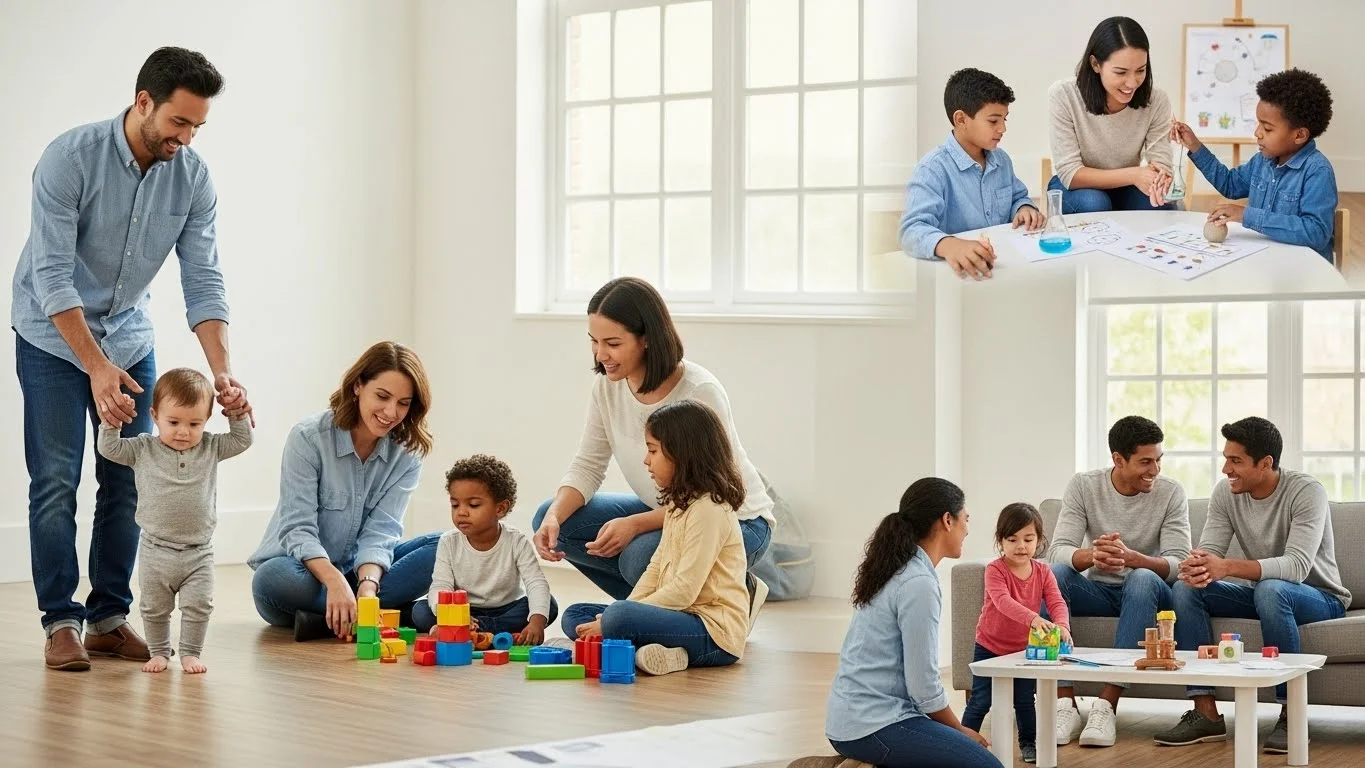
Overview of Child Development Stages
Definition of Child Development
Child development refers to the physical, cognitive, emotional, and social growth that children experience as they progress from infancy to adolescence. Each stage has its own milestones, and understanding these can help us provide the right support. I remember when my child was a toddler, I was amazed at how quickly they learned new words and skills. It felt like every day was a new adventure in discovery!
Importance of Understanding Developmental Stages
Grasping the stages of child development is essential for parents. It allows us to set realistic expectations and recognize when our children may need extra help. When I first became a parent, I had no idea how important it was to pay attention to these stages. For instance, in their early years, children learn through play, and understanding this helped me create enriching environments for my kids. It’s not just about meeting milestones; it’s about fostering a love of learning and confidence as they grow. Read Interesting article: Unlocking the Secrets of Effective Child Communication
Infancy (0-12 months)
Physical Development Milestones
During the first year of life, infants undergo remarkable physical changes. They grow rapidly, gaining weight and height, and develop motor skills that are crucial for their independence. I vividly remember when my baby first rolled over and how excited I felt—it was a major milestone! By six months, many infants can sit up with support, and by the end of the first year, they might even start crawling or pulling themselves up to stand. Encouraging these movements through tummy time and safe spaces to explore is key.
Cognitive Development and Learning
Cognitive development in infants focuses on how they learn about the world around them. They begin to develop their senses and start recognizing familiar faces, objects, and sounds. I found it fascinating to watch my baby’s eyes light up when they heard my voice or saw their favorite toy. Reading to them and providing sensory experiences, like different textures and colors, can stimulate their cognitive growth. Simple games like peek-a-boo also help them understand object permanence, which is a significant concept in their early learning.
Emotional and Social Development
Emotional development starts right from birth, as infants form attachments to their caregivers. This bond is crucial for their future emotional health. I remember how my baby would smile at me, and it filled my heart with joy. Socially, they begin to interact with others through cooing and babbling. These early interactions form the foundation for social skills later in life. Responding to their cries and being present during these moments fosters a sense of security and trust in our relationship.
Early Childhood (1-3 years)
Physical Growth and Coordination
As children transition into early childhood, their physical growth continues at a steady pace. They become more coordinated, learning to walk, run, and climb. I remember the first time my child took their first steps—what a mix of excitement and nervousness! Encouraging outdoor play and activities can help improve their gross motor skills, while fine motor skills develop as they learn to grasp objects and manipulate toys.
Cognitive Skills and Language Acquisition
Language acquisition is one of the most exciting developments during this stage. Toddlers quickly pick up new words and begin to form simple sentences. I loved listening to my child’s attempts at speaking; each new word was a little victory! Reading together, singing songs, and engaging in conversations, even if they’re just babbling back, are fantastic ways to support their language growth.
Social Interactions and Emotional Development
During early childhood, social interactions become more complex. Children start to engage with peers, learning about sharing, taking turns, and the basics of friendship. I remember how my child would watch other kids playing and gradually move in to join. It was a beautiful process to witness! At the same time, they may experience strong emotions and learn to express themselves. As parents, providing a safe space for them to explore these feelings is essential.
Preschool Age (3-5 years)
Motor Skills Development
In the preschool years, children refine their motor skills further. They become more adept at running, jumping, and climbing, which is when I noticed my child’s energy levels skyrocketing! Activities like drawing, cutting with scissors, and playing with building blocks help develop fine motor skills and hand-eye coordination. I often found that engaging in arts and crafts projects kept my child entertained and encouraged creativity.
Language Development and Communication
Language development continues to thrive during this stage. Preschoolers start using more complex sentences and expanding their vocabulary. I was amazed at how my child would mimic phrases from books or shows we watched together. Reading daily and encouraging storytelling can greatly enhance their language skills. I found that asking open-ended questions about their day helped them express themselves more clearly. Read Interesting article: Effective Strategies for Talking to Your Children
Social Skills and Play
Play becomes central to learning at this age. Through imaginative play, children explore various roles and scenarios, which aids in social skill development. I loved watching my child engage in role-play with friends—whether they were playing house or pretending to be superheroes. These interactions teach empathy and cooperation, forming the basis for lasting friendships.
Emotional Regulation and Independence
Preschoolers also begin to learn about emotional regulation. They might express frustration or anger more openly, which can be challenging for parents. I found it helpful to model calm responses and teach my child simple techniques, like taking deep breaths. Encouraging independence, such as dressing themselves or helping with simple tasks, fosters confidence and self-esteem.
Middle Childhood (6-12 years)
Physical Growth and Health
As children enter middle childhood, I noticed a significant shift in their physical growth. They start to grow taller and gain strength, becoming more coordinated in their movements. It was exciting to see my child develop skills in sports and physical activities. I remember the first time my child learned to ride a bike without training wheels; it was a proud moment for both of us! During this stage, regular physical activity becomes essential for maintaining health and building endurance. I often encourage outdoor play, whether it’s riding bikes, playing soccer, or just running around at the park. I learned that making these activities fun is crucial—it’s not just about keeping them active; it’s about fostering a love for movement.
Cognitive Development: Learning and Academics
Cognitively, this phase is where children really start to flourish academically. They become more curious and begin to engage in complex problem-solving. I found that my child was more willing to tackle challenging puzzles and math problems during this time. I remember when they first grasped the concept of multiplication—it was a huge milestone! Fostering a love for learning during this stage is critical. Making learning feel like an adventure rather than a chore can make all the difference. For instance, I often used everyday situations, like cooking, to teach math and science concepts. When we baked cookies together, we measured ingredients, which turned into a fun lesson on fractions!
Social Relationships and Peer Interaction
Socially, middle childhood is a time for forming deeper friendships. Kids start to understand the importance of teamwork and cooperation. I noticed my child’s friendships becoming more meaningful, and they began to navigate social dynamics better. I remember hosting playdates and watching them negotiate playtime, resolving conflicts over toys, and learning to empathize with their friends’ feelings. Encouraging open discussions about their day-to-day interactions helped my child articulate their experiences and feelings. I believe fostering these conversations can strengthen their social skills and build their emotional intelligence.
Emotional Development and Self-Concept
Emotionally, this stage is pivotal in developing a healthy self-concept. Children begin to understand their feelings and can articulate them better. I noticed my child becoming more aware of their strengths and weaknesses, which can sometimes lead to insecurities. I found it helpful to celebrate their achievements, no matter how small, and reassure them that it’s okay to make mistakes. I remember having heart-to-heart talks about what makes them unique. This helped them appreciate their individuality and build self-esteem. I think it’s essential for us as parents to provide a safe space for these discussions, allowing them to express themselves freely without judgment.
Adolescence (13-18 years)
Physical Changes and Puberty
Adolescence brings a whirlwind of physical changes as puberty kicks in. I remember the day my child came to me, expressing concerns about their changing body. It can be a confusing time, and I wanted to ensure I was there to support them. I noticed how quickly they grew taller and how their interests in sports and physical activities shifted. Having open conversations about these changes helped ease their anxieties. I think it’s important for us to be proactive in discussing healthy habits, body image, and self-care during this transformative phase.
Cognitive Development: Abstract Thinking
This developmental stage also marks significant growth in cognitive abilities. Adolescents start to think more abstractly, which can lead to deeper discussions and debates. I remember having some fascinating conversations with my child about social issues and their views on the world. It was refreshing to see their individuality shine as they formed their opinions. Encouraging critical thinking is crucial. I often guided them to question, analyze, and explore various viewpoints. I found that involving them in discussions about current events helped develop their analytical skills and broaden their understanding of the world.
Social Dynamics and Peer Influence
Socially, peer influence becomes incredibly significant during adolescence. I noticed my child’s friendships evolving, with more emphasis on belonging and acceptance. I wanted to ensure they felt comfortable talking to me about their friends and any peer pressure they faced. I often reminded them that it’s okay to stand by their values, even if it means going against the crowd. Providing guidance while allowing them to make their own decisions can be a delicate balance, but I believe it’s essential for their independence.
Emotional Challenges and Identity Formation
Emotionally, this stage presents unique challenges as adolescents explore their identity. They may experience mood swings, feelings of uncertainty, and the pressure to conform. I remember the days when my child seemed to be on an emotional rollercoaster. It was vital for me to be patient and present during these times. I learned that being available to listen without judgment made all the difference. Encouraging them to explore their interests, whether through hobbies or school activities, helped them build confidence and a sense of self. I truly believe that supporting their journey of self-discovery is one of the most rewarding parts of being a parent.
Factors Influencing Child Development
Genetic Factors
Genetics play a significant role in child development. From my experience, I’ve seen how certain traits and behaviors can be passed down through family lines. For instance, both my partner and I have a love for music, and it was fascinating to see our child naturally gravitate toward musical instruments at a young age. Genetic predispositions can affect everything from physical abilities to temperament. I’ve learned that understanding these inherited traits can help us tailor our parenting approach to fit our child’s unique needs. It’s not just about genetics, though; it’s about how those traits interact with the environment we create for them.
Environmental Influences
Beyond genetics, the environment has a profound impact on development. I remember when we moved to a new neighborhood with a strong sense of community and access to parks and activities. It was incredible to see how this change positively affected my child’s social skills and confidence. Environments rich in stimulation — like those filled with books, art supplies, and outdoor play areas — can enhance cognitive and emotional development. I realized that providing a safe, loving, and engaging environment is crucial for our children to thrive. Also, being mindful of the media and technology they are exposed to has been another important factor in shaping how they learn and interact.
Parental Involvement and Parenting Styles
As parents, our involvement in our child’s life can dramatically influence their development. I remember feeling overwhelmed by the advice on parenting styles when my child was younger. However, I found that being actively involved in their education and daily activities made a notable difference. Whether it was helping with homework or just being present during play, these moments fostered a secure attachment and a sense of trust. I’ve learned that parenting styles — whether authoritative, permissive, or something in between — can shape a child’s self-esteem and behavior. For me, balancing structure with warmth has worked well. I believe that listening to our children and respecting their thoughts helps cultivate a supportive atmosphere where they feel valued and heard.
Supporting Your Child’s Development
Creating a Nurturing Environment
Creating a nurturing environment is something I’ve always prioritized. I remember the first time I dedicated a corner of our living room as a reading nook filled with books and cozy blankets. It became a special space where my child felt encouraged to explore stories and develop a love for reading. I think it’s essential to design spaces that are safe, stimulating, and comforting. Simple things, like having a regular routine and providing consistent boundaries, help children feel secure. I also found that engaging in activities that promote creativity, such as arts and crafts or science experiments, made our home a vibrant place for learning.
Encouraging Healthy Relationships
Encouraging healthy relationships is another vital aspect of supporting our child’s development. I’ve always made it a point to foster friendships by organizing playdates and encouraging my child to join group activities. I noticed that these interactions helped them develop empathy and communication skills. Modeling healthy conflict resolution has been important, too. I often remind my child that it’s okay to disagree but essential to be respectful. I believe that teaching them how to build and maintain friendships is just as crucial as any academic lesson. These relationships provide social support and help them navigate the complexities of life.
Activities to Foster Development
Engaging in activities that foster development has been a fun journey for my family. I remember when we started incorporating educational games into our routine. Board games that involve strategy and teamwork not only made for great family bonding time but also helped enhance critical thinking skills. Outdoor activities like hiking or nature walks opened up discussions about science and the environment. I also found that introducing music and dance into our lives encouraged physical expression and creativity. Every little activity counts, and I believe they contribute significantly to our children’s growth, both intellectually and emotionally.
Common Concerns and Challenges
Developmental Delays: Signs to Watch For
As a parent, it’s natural to worry about our child’s development. I’ve had moments where I wondered if my child was hitting their milestones on time. Recognizing signs of developmental delays can be challenging but crucial. Some indicators might include difficulty with speech, lack of social engagement, or trouble with basic motor skills. I learned that trusting my instincts and keeping open communication with my child’s teachers and pediatricians helped me stay informed. It’s essential to remember that every child develops at their own pace, but being aware of these signs can help us provide the necessary support.
Addressing Behavioral Issues
Behavioral issues can arise at any stage, and I’ve encountered my fair share. I remember a period when my child struggled with temper tantrums and defiance. I found that understanding the root cause of their behavior was key. Often, it was linked to frustration or an inability to express feelings. I learned to stay calm and validate their emotions while guiding them toward more constructive ways to cope. Setting clear boundaries and being consistent helped tremendously. In my experience, open discussions about feelings can empower children to communicate better and solve problems more effectively.
When to Seek Professional Help
There comes a time when we might need to seek professional help for our children. I’ve had moments when I felt overwhelmed and unsure of how to best support my child. If behavioral issues persist or if I noticed patterns that seemed concerning, I knew it was best to consult with a pediatrician or child psychologist. Seeking help is not a sign of failure; rather, it’s a proactive step toward ensuring our child receives the support they need. I believe that having a network of professionals can be incredibly beneficial in navigating any challenges we face as parents.
Frequently Asked Questions
What is child development?
Child development refers to the physical, cognitive, emotional, and social growth that children experience as they progress from infancy to adolescence. Each stage has its own milestones, which can help caregivers provide the right support.
Why is it important for parents to understand developmental stages?
Understanding the stages of child development allows parents to set realistic expectations and recognize when their children may need extra help. It also helps foster a love of learning and confidence as children grow.
What are some physical development milestones for infants?
During the first year of life, infants grow rapidly, gaining weight and height. They develop motor skills crucial for independence, such as sitting up with support by six months and crawling or pulling up to stand by the end of the first year.
How can parents support cognitive development in infants?
Parents can support cognitive development by providing sensory experiences, like different textures and colors, reading to them, and engaging in simple games like peek-a-boo to help them understand object permanence.
What social skills do toddlers develop during early childhood?
During early childhood, children start to engage with peers, learning about sharing, taking turns, and the basics of friendship. These early social interactions are crucial for developing social skills later in life.
What activities can enhance motor skills in preschoolers?
Activities like running, jumping, climbing, drawing, cutting with scissors, and playing with building blocks can help preschoolers refine their motor skills and improve hand-eye coordination.
How do children in middle childhood develop socially?
In middle childhood, children form deeper friendships and understand the importance of teamwork and cooperation. They begin to navigate social dynamics better, which is essential for building social skills and emotional intelligence.
What are some common emotional challenges adolescents face?
Adolescents may experience mood swings, feelings of uncertainty, and the pressure to conform as they explore their identity. It’s vital for parents to be patient and supportive during these times.
What factors influence child development?
Child development is influenced by genetic factors, environmental influences, and parental involvement. Genetics can affect traits and behaviors, while a nurturing environment and active parenting styles can significantly impact a child’s growth.
When should parents seek professional help for their child’s development?
Parents should consider seeking professional help if they notice persistent behavioral issues or patterns that seem concerning. Consulting with a pediatrician or child psychologist can provide necessary support for children facing challenges.