
Understanding how newborns communicate can feel like uncovering a secret language. By learning to interpret their cues, we can enhance our bond and support their development. For more insights, check out Essential Communication Skills for Your Newborn’s Growth.
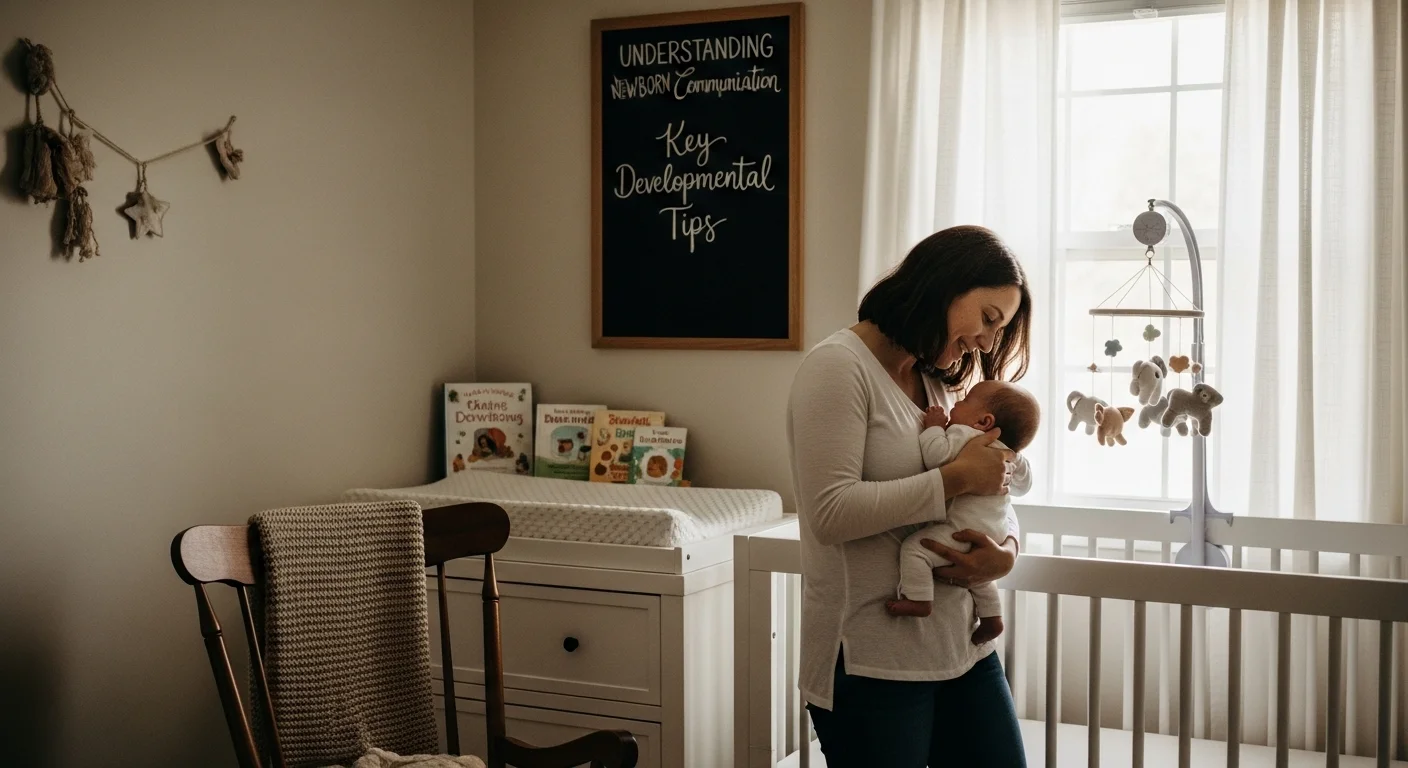
Understanding Newborn Communication
What is Newborn Communication?
Newborn communication is fascinating. It’s the way babies express their needs, emotions, and reactions even before they can speak. I remember holding my newborn for the first time and trying to decipher what those little cries meant. Was she hungry, tired, or just needing a cuddle? It’s an instinctive form of communication that relies heavily on non-verbal cues, sounds, and even the tiniest movements. Newborns have a distinct way of expressing their thoughts, and it takes some time to understand their unique signals.
Why is Newborn Communication Important?
Understanding newborn communication is crucial for building a strong parent-child relationship. When we respond correctly to our baby’s cues, we help them feel safe and secure. I’ve seen how quickly a calm voice or gentle touch can soothe a fussy baby. This back-and-forth interaction lays the foundation for social skills and emotional development later on. By learning their signals, we can foster an environment where they feel loved and understood, which is vital for their growth.
Key Types of Newborn Communication
Crying: The Primary Form of Communication
Crying is undoubtedly the most recognized form of communication among newborns. Every parent has experienced that moment when their baby’s cry fills the room. But here’s something I learned: not all cries are the same. Each type of cry can signify different needs. For instance, a hunger cry often has a rhythmic pattern, while a tired cry can sound more whiny. I found it helpful to listen closely and observe the situations around those cries. Over time, I began to distinguish between them, which made responding much easier.
Facial Expressions and Body Language
Alongside crying, facial expressions and body language play a significant role in how newborns communicate. I remember noticing my baby’s furrowed brow when she was uncomfortable or the way her body would tense up when she wanted to be held. These expressions can convey a wide range of feelings from joy to discomfort. Learning to read these signals helped me respond more effectively. For example, when I noticed her smiling and wiggling, I knew it was a good time for play and engagement.
Vocalizations: Coos and Gurgles
As newborns grow, they start to experiment with their voices, producing delightful coos and gurgles. I found these moments to be magical, as they signal a baby’s growing ability to interact. I often mimicked those sounds, which not only delighted my baby but also encouraged her to continue vocalizing. Researchers suggest that these early vocalizations are the building blocks of language. Engaging in this “conversation” helps strengthen the bond and encourages further development. For further guidance, you may find Boosting Your Baby’s Communication Skills: A Parent’s Guide very helpful.
Eye Contact and Visual Engagement
Eye contact is another essential aspect of newborn communication. When I looked into my baby’s eyes, it felt like we were sharing a silent conversation. Newborns are naturally drawn to faces, and they begin to recognize familiar ones within the first few weeks. I made it a point to maintain eye contact during feedings and playtime. This not only helped her feel connected but also stimulated her social development. I noticed that when she gazed back at me, her eyes sparkled with curiosity, and I felt a deep connection growing between us.
Developmental Milestones in Newborn Communication
Communication Milestones: Birth to 3 Months
During the first three months, newborns reach several key communication milestones. In those early weeks, simple cries and facial expressions dominate. I found it incredible how quickly my baby began to respond to my voice. By around six weeks, she would focus on my face and even try to mimic some of my expressions. These small moments of interaction felt like significant steps in her communication journey.
Recognizing Caregivers and Responding to Voices
By around two months, many newborns start recognizing their caregivers. I remember the first time my baby turned her head towards my voice. It was such a rewarding experience! This recognition is an essential part of their communication development, as it lays the groundwork for forming attachments and social relationships. I made it a habit to talk to her throughout the day, so she could associate my voice with comfort and safety.
Social Smiling and Interaction
Another delightful milestone is social smiling, which typically begins around six to eight weeks. The first time my baby smiled at me felt like magic. It was a clear signal that she was engaging and responding to me. I learned that these smiles are not just cute; they are a newborn’s way of initiating social interaction and expressing happiness. Engaging back with smiles and laughter creates a joyful loop that encourages more communication.
How to Support Newborn Communication Development
Engaging with Your Newborn: Tips for Parents
Engaging with your newborn can be one of the most rewarding experiences. I discovered that even simple activities could significantly enhance communication development. For instance, I made it a habit to spend time holding my baby close, where I could talk to her softly. I would narrate our daily activities, describe the objects around us, or even read her a story. It was amazing how much she seemed to absorb from these moments. I learned that the more I engaged, the more she responded with coos and smiles. I also found that varying my tone and expression kept her attention and encouraged her to interact more.
Responsive Parenting: Understanding Cues
Responsive parenting is all about tuning in to your baby’s cues and responding appropriately. I remember feeling overwhelmed at times, but I soon realized that being attuned to her signals was essential. I started keeping a mental note of what her different cries meant and how she reacted in various situations. For example, if she started fussing after being fed, I knew it might be time for a diaper change rather than a snack. By responding quickly to her needs, I built her trust, which helped her feel more secure and confident in expressing herself. It’s a learning process, but I found that listening closely and observing her helped me become a more responsive parent.
Talking and Singing to Your Newborn
One of my favorite activities was singing to my baby. I discovered that my off-key renditions of nursery rhymes or made-up songs brought her joy. Singing not only made her smile but also helped with her language development. The rhythm and melody seemed to captivate her, and I noticed she would coo back to me as if she were joining in. I believe that talking and singing to your newborn creates a rich auditory environment. It encourages them to listen and eventually imitate sounds, which is a crucial step in language acquisition. I recommend trying different styles of music or even your favorite childhood songs to keep things fun and engaging.
Utilizing Skin-to-Skin Contact
Skin-to-skin contact is another powerful way to support communication development. I remember how soothing it felt to hold my baby against my chest, skin-to-skin. This practice not only promotes bonding but also helps regulate their body temperature and heart rate. I found that during these moments, my baby seemed more relaxed, and we both felt more connected. Research shows that skin-to-skin contact enhances emotional communication and helps babies learn to recognize their caregivers’ voices. It’s a simple yet profound way to foster your newborn’s communication skills while also promoting a sense of safety and love.
Common Concerns in Newborn Communication
When to Be Concerned About Communication Delays
As parents, it’s natural to worry about our child’s development. I remember feeling anxious when my baby didn’t seem to respond as quickly as I expected. It’s important to know that each baby develops at their own pace, but there are some signs to watch for. If your newborn doesn’t make eye contact, doesn’t respond to sounds, or has a limited range of vocalizations by three months, it might be time to consult a professional. I learned that early intervention can be crucial if delays are present, so staying informed and observing your baby’s progress is key.
Understanding the Range of Normal Development
In my experience, understanding what’s typical for newborns helped ease my concerns. Every baby has their unique timeline, and it was reassuring to see how much variation exists. I learned that while some babies may start cooing by two months, others may take longer. As a parent, I found it helpful to connect with other families and share experiences. This openness helped me realize that many concerns are common and that we’re all navigating this journey together. It’s essential to celebrate the small milestones while keeping an eye on the overall development. For detailed insights, you can refer to Milestones in Communication: What to Expect from Your Baby.
Consulting Healthcare Professionals
If you have concerns about your newborn’s communication, don’t hesitate to reach out to healthcare professionals. I remember my pediatrician being a great resource for me. They can provide reassurance, advice, and if needed, refer you to specialists. I found comfort in having an open dialogue about my baby’s progress and getting guidance on how to support her development further. Being proactive and informed can make all the difference, and I think it’s vital to trust your instincts as a parent.
Resources for New Parents
Books and Articles on Newborn Communication
As I dove deeper into understanding newborn communication, I found several books and articles that were incredibly helpful. One book that I absolutely loved is “The Happiest Baby on the Block” by Dr. Harvey Karp. His insights on calming techniques and understanding infant needs resonated with my experiences. Additionally, I stumbled upon articles from pediatric associations and parenting websites that offered practical advice and evidence-based information. I learned that reading about newborn communication can not only validate what we’re observing but also introduce new methods for connecting with our babies. I recommend setting aside some quiet time to explore these resources; you might discover nuggets of wisdom that transform your interaction with your little one.
Support Groups and Online Communities
Connecting with other parents was a game-changer for me. I found support groups, both in-person and online, to be invaluable. Being part of a community where we could share our experiences and concerns made me feel less alone. I often visited parenting forums and social media groups dedicated to new parents, and I was amazed at how quickly I found camaraderie and support. Sharing stories about our babies’ communication milestones and challenges helped me realize that we are all navigating similar paths. I suggest looking for local parenting groups or online communities where you can ask questions, share experiences, and gain insight. It’s reassuring to know you’re not alone in this journey.
Professional Services: Speech Therapists and Pediatricians
Sometimes, it’s beneficial to seek professional guidance, especially if you have lingering concerns. I remember consulting with a pediatric speech therapist who specialized in early communication development. She provided tailored strategies to enhance my baby’s communication skills and reassured me about what to expect as she grew. I learned that pediatricians can also be an excellent resource for tracking milestones and addressing any worries. They can guide you on when to seek more specialized help. Don’t hesitate to reach out to professionals if you feel something is off; having their expertise can offer peace of mind and ensure your baby receives the support they need.
Final Thoughts
As I reflect on my journey of understanding newborn communication, I realize how pivotal these early interactions are. It’s like a beautiful dance where both parent and baby learn to move in sync with each other. I remember those quiet moments spent just gazing at my baby and feeling an overwhelming sense of connection. It’s in these seemingly small instances that true parenting magic happens. I’ve learned that becoming attuned to our newborn’s communication isn’t just beneficial for their development; it profoundly deepens our bond as well.
For me, every coo, smile, and gurgle became a stepping stone in our growing relationship. As I engaged in singing and talking, I felt as though I was not just nurturing her language skills but also creating cherished memories. I believe that these early experiences shape not only how our babies communicate but also how they perceive the world around them. The confidence they gain from knowing they are heard and understood lays the groundwork for their future interactions.
It’s important to remember that every baby is unique. Some may communicate loudly and energetically, while others may be more subdued. I found comfort in accepting this diversity and embracing my baby’s individual personality. It’s okay to have worries and questions; we are all in this together, navigating the ups and downs of parenthood. Connecting with other parents and sharing our experiences was a tremendous help in alleviating my fears and celebrating our joys.
Every parenting journey is filled with a learning curve, and it’s crucial to be patient with ourselves. Each cry, smile, and coo contributes to a growing understanding of our little ones. I encourage all new parents to trust their instincts, remain engaged, and soak in those precious moments. The love we show our babies through communication and connection will resonate throughout their lives, and the benefits will ripple through their future relationships and interactions.
So, take a deep breath, smile back at that little face looking up at you, and remember: you’re doing great. Embrace this journey, and let’s continue to learn together about the wonder of newborn communication.
Frequently Asked Questions
What is newborn communication?
Newborn communication is the way babies express their needs, emotions, and reactions before they can speak. It relies on non-verbal cues, sounds, and movements.
Why is understanding newborn communication important?
Understanding newborn communication is crucial for building a strong parent-child relationship. Responding correctly to a baby’s cues helps them feel safe and secure, which is vital for their emotional development.
What are the primary forms of communication for newborns?
The primary forms of communication for newborns include crying, facial expressions, body language, vocalizations (like coos and gurgles), and eye contact.
How can parents distinguish between different types of cries?
Parents can distinguish between different types of cries by closely observing the situations around those cries. For instance, a hunger cry often has a rhythmic pattern, while a tired cry may sound more whiny.
What milestones do newborns reach in their communication from birth to 3 months?
During the first three months, newborns reach several communication milestones, including simple cries and facial expressions, recognizing caregivers, and beginning to engage in social smiling.
How can parents support their newborn’s communication development?
Parents can support their newborn’s communication development by engaging in activities such as talking, singing, utilizing skin-to-skin contact, and being responsive to their baby’s cues.
What should parents do if they have concerns about their newborn’s communication?
If parents have concerns about their newborn’s communication, they should consult healthcare professionals for reassurance, advice, and potential referrals to specialists if necessary.
What resources are available for new parents to learn about newborn communication?
New parents can explore books and articles on newborn communication, join support groups and online communities, and consult professional services like speech therapists and pediatricians for guidance.
How do early interactions affect the parent-child bond?
Early interactions, such as responding to cries and engaging in vocal play, help deepen the bond between parent and child, fostering trust and emotional security.
Is it normal for babies to develop communication skills at different rates?
Yes, it is normal for babies to develop communication skills at different rates. Each baby has a unique timeline, and variations in development are common.