
Newborn sleep can be both fascinating and perplexing for new parents. Understanding how your little one sleeps is essential for their development and your sanity. For more insights, check out our article on Essential Sleep Patterns for Newborns: A Guide for Parents.
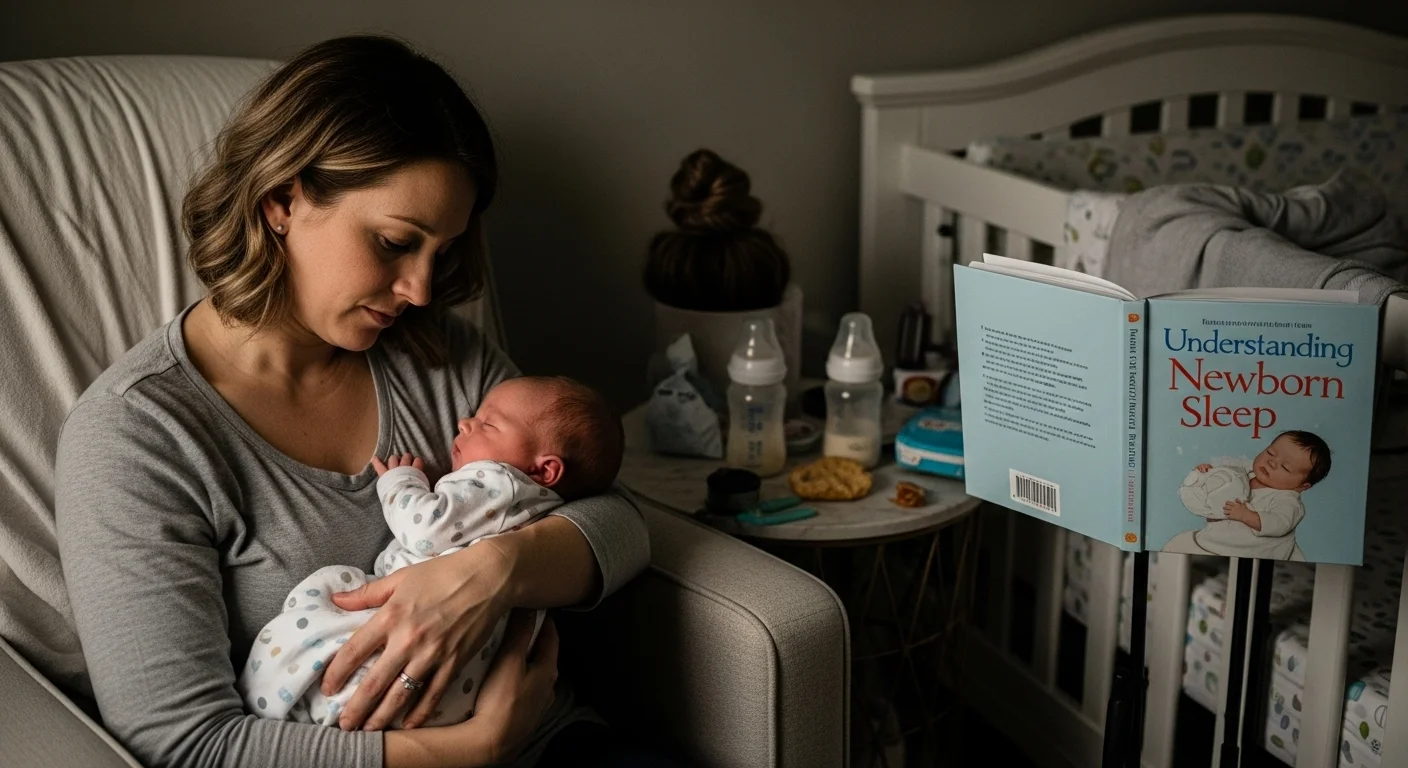
Understanding Newborn Sleep Patterns
What is Newborn Sleep?
When I first became a parent, I was shocked by how much I had to learn about newborn sleep. It’s not just about counting the hours they snooze; newborn sleep is unique and often unpredictable. Newborn sleep typically lasts between 14 to 17 hours a day, although it can vary widely. Unlike adults, newborns sleep in shorter bursts and often wake up to feed. Their sleep isn’t continuous, and it often feels like a jigsaw puzzle that never quite fits together. I remember tracking my baby’s sleep patterns with a notebook to try and figure it all out!
The Importance of Sleep for Newborns
Sleep is crucial for newborns’ growth and development. During sleep, their tiny bodies are busy repairing and growing. I learned that a significant amount of brain development happens while they snooze. This is when their bodies produce growth hormones, which are vital for their physical and mental health. It’s amazing how essential sleep is, not just for their development, but also for their overall mood and temperament. I found that when my baby had longer periods of restful sleep, they were generally happier and more alert when awake. Understanding Essential Communication Skills for Your Newborn’s Growth can also contribute to better sleep.
Stages of Newborn Sleep
Active Sleep vs. Quiet Sleep
Understanding the different stages of sleep was a game changer for me. Newborns experience two primary types of sleep: active sleep and quiet sleep. Active sleep is similar to REM sleep in adults; during this stage, they might twitch, move, or even make little noises. I often would watch my baby during this time, fascinated by the little movements. Quiet sleep, on the other hand, is deeper and more restful, where they lie still and breathe slowly. I learned that both stages are essential, and they cycle between these stages throughout their naps and nighttime sleep.
Sleep Cycles and Duration
Newborns have shorter sleep cycles compared to adults, lasting about 50 to 60 minutes. This means that they wake more frequently during the night. I remember being bewildered by my baby waking up just as I thought I could catch a few more z’s. They generally spend about half of their sleep time in active sleep, which is a lot more than we do as adults. As they grow, these cycles start to lengthen, and I noticed that my baby gradually started to sleep for longer periods at night. This was such a relief! Understanding these cycles helped me set my expectations and made those sleepless nights feel a bit more normal.
Common Newborn Sleep Changes
Sleep Patterns in the First Few Weeks
In the first few weeks, I learned that newborns sleep primarily in short bursts. They wake every couple of hours to feed, which can be exhausting for us parents. I remember setting alarms just to make sure I was awake to feed my baby. It felt like a never-ending cycle of feeding, changing, and trying to get them back to sleep. I noticed that many parents I talked to were experiencing the same struggles, so I didn’t feel alone in my exhaustion. It’s important to remember that this is normal, and things will gradually improve.
Changes Around 1 Month
As my baby hit the one-month mark, I noticed some changes in sleep behavior. They began to sleep for slightly longer stretches and might even stay asleep for up to four hours at a time! This felt like a small victory. I also learned that around this time, some babies can start to differentiate between day and night, which can be exciting for parents. I tried to encourage this by keeping the lights dim and the environment calm during nighttime feedings.
Sleep Changes at 3 Months
By three months, I realized that my baby’s sleep patterns were evolving again. They were starting to sleep longer stretches at night and even napping more predictably during the day. I felt a sense of hope as I watched their sleep begin to stabilize. I also noticed they were becoming more aware of the world around them, which sometimes would lead to more distractions during nap time. It was a balancing act of keeping the environment soothing while also managing their newfound curiosity.
Developmental Milestones and Sleep
Developmental milestones can also significantly affect sleep. I learned this when my baby began to roll over and reach for toys. Every time they achieved a new skill, their sleep seemed to take a hit. I noticed they would wake up more frequently, likely due to excitement and physical changes. It was a reminder that while sleep is vital, so is their growth and development. I understood that sleep patterns might be disrupted by these milestones and that it was essential to be patient as they navigated these changes. For more on this topic, you can read about Backpacking with a Newborn: Milestones in Cognitive Growth.
Factors Affecting Newborn Sleep
Feeding and Sleep Associations
Feeding time and sleep are intricately linked for newborns, and I found this to be a crucial aspect of understanding my baby’s sleep habits. In the early weeks, it seemed like every time my baby finished a feeding, they would drift off to sleep almost immediately. I learned that many newborns develop strong associations between feeding and sleep, which can create patterns that are hard to break later on. For me, it was both a blessing and a challenge. On one hand, I loved those quiet moments cuddling my baby while they slept; on the other, I worried that they would only fall asleep if they were nursing or bottle-feeding. I started to experiment with putting my baby down drowsy but awake, hoping to help them learn to self-soothe without relying solely on feeding. This was a gradual process, and I often had to remind myself that it was perfectly normal for babies to seek comfort in feeding as they drifted off to sleep.
Environmental Influences
The environment where my baby slept played a significant role in their overall sleep quality. I remember being cautious about creating a sleep-friendly space. I learned that things like room temperature, noise levels, and lighting can deeply affect how well my baby slept. I found that keeping the room slightly cooler and using blackout curtains helped create an ideal sleep environment. Additionally, I tried to minimize noise and distractions during naps and bedtime. I even bought a white noise machine to help muffle outside sounds, which seemed to work wonders. I realized that small changes in the environment could make a big difference in how quickly my baby fell asleep and how long they stayed asleep. It was fascinating to see how responsive my baby was to these adjustments.
Health Issues Impacting Sleep
As I navigated through the early months of parenthood, I quickly learned that health issues could also impact my baby’s sleep. I remember the first time my baby experienced a cold; sleep became an uphill battle. Congestion, teething, or even minor ailments can disrupt a newborn’s sleep patterns, and I felt helpless during those times. My heart ached as I watched my baby struggle to breathe comfortably while trying to sleep. I discovered that keeping my baby elevated slightly during sleep could help with congestion, and I also made sure to consult our pediatrician for advice. It was a learning curve, and I realized that being aware of any health concerns was essential. The best thing I could do was provide comfort and support while my baby navigated through these disruptions. I learned to be patient and understanding, knowing that sleep would improve once they felt better.
Sleep Training Approaches for Newborns
Understanding Sleep Training
As I explored the world of newborn sleep, I stumbled upon sleep training. It was a term that seemed to evoke strong feelings among parents, and I was curious about what it meant for my family. From my understanding, sleep training generally refers to different methods aimed at helping babies learn how to fall asleep independently. I often found myself pondering whether this was something I should consider. I wanted my baby to develop healthy sleep habits, but I also didn’t want to rush into anything that might feel overwhelming. I realized that there are various approaches to sleep training, and not all are suitable for every baby or family. I had to trust my instincts and choose what felt right for us.
Gentle Sleep Training Techniques
After doing some research and talking to fellow parents, I discovered some gentle sleep training techniques that resonated with me. One method I found particularly appealing was the “Ferber Method,” which involves gradually increasing the time before responding to a baby’s cries. I thought this approach might help my baby learn to self-soothe while still feeling supported. Another method that caught my attention was the “Chair Method,” where I would slowly move further away from my baby’s crib over time, allowing them to learn to fall asleep without my immediate presence. I appreciated that these techniques were designed to be more gradual and less stressful for both babies and parents. I decided to give one of these methods a try, but I kept in mind that consistency and patience would be key. It was comforting to know that finding the right sleep training approach could lead to better sleep for my entire family.
When to Start Sleep Training
Deciding when to start sleep training was another critical aspect of the journey. I learned that many experts suggest waiting until a baby is around 4 to 6 months old, as this is when they typically develop more regular sleep patterns and the ability to self-soothe. I remember feeling a mix of excitement and nervousness about starting this process. It was important for me to ensure that my baby was developmentally ready before diving into sleep training. I discussed it with my pediatrician, who reassured me that the right time varies for each baby. It was a relief to know that I had the freedom to choose a timeline that worked for us. I also understood that if my baby wasn’t ready, it was perfectly okay to wait a little longer—I wanted to make sure we were both comfortable with the process.
Establishing a Healthy Sleep Routine
Creating a Sleep-Friendly Environment
One of the most impactful things I did for my baby’s sleep was to create a sleep-friendly environment. I realized that the space where they slept could either encourage restful sleep or make it difficult for them to settle down. I began by ensuring the nursery was a calm and soothing place. I painted the walls in soft, neutral colors and decorated minimally to avoid overstimulation. I learned that keeping the room dark during sleep times was essential, so I invested in blackout curtains, which helped create a cozy and peaceful atmosphere. I remember how my baby seemed to settle down more quickly in the dim light, and I felt a sense of accomplishment watching them drift off peacefully.
Temperature also played a significant role. I found that keeping the room slightly cooler, around 68 to 72 degrees Fahrenheit, helped my baby sleep better. I experimented with different types of blankets and sleep sacks to find what kept them comfortable without overheating. I also made it a point to use a white noise machine to drown out any sudden sounds from outside. The gentle hum of the white noise seemed to mimic the comforting sounds of the womb, which I found reassuring. Overall, I discovered that a few thoughtful adjustments in the environment could create the perfect sleep haven for my little one.
Developing a Bedtime Routine
Establishing a bedtime routine was another game changer for us. I learned that a consistent routine signals to my baby that it was time to wind down for the night. We started with a calming bath, which always seemed to relax my baby and prepare them for sleep. I remember how soothing the warm water felt, and I enjoyed those peaceful moments together. After the bath, we would dim the lights and read a short story, allowing my baby to wind down even further. I found that incorporating gentle music or lullabies also helped create a soothing ambiance.
After a few weeks of sticking to this routine, I noticed my baby became more accustomed to bedtime. They would start to show signs of sleepiness around the same time every night, which was a relief! I felt like we were finally getting into a rhythm. I also tried to keep the bedtime consistent, even on weekends, because I knew how important routine was for establishing healthy sleep habits. This predictability not only helped my baby but also made me feel more in control during those early chaotic months of parenthood.
Signs of Sleep Readiness
Learning to recognize the signs of sleep readiness was another essential part of our journey. I discovered that my baby often showed subtle cues before they were ready to sleep, like rubbing their eyes, yawning, or getting fussy. I remember feeling proud when I started to pick up on these signals; it was like we were developing our own little communication system! When I noticed these signs, I would act quickly to get my baby settled into their sleep routine. I realized that waiting too long could lead to overtiredness, making it harder for them to fall asleep.
There were times when my baby would seem wide awake and playful, and I felt tempted to keep them up for a bit longer. However, I learned that striking while the iron was hot—when they showed signs of sleepiness—made a significant difference. It felt empowering to know that I was helping my baby create a positive association with sleep. As I became more attuned to these signs, I felt more confident in my ability to help my little one sleep well. The journey was all about trial and error, but with each small success, I felt more equipped to handle the challenges of newborn sleep.
Addressing Common Sleep Concerns
Dealing with Sleep Regressions
One of the most surprising things I encountered was sleep regressions. Just when I thought my baby was settling into a good sleep pattern, they would suddenly start waking up more frequently or having difficulty falling asleep. I remember feeling like I had taken two steps forward and three steps back. It became apparent that these regressions often coincide with developmental milestones, like learning to crawl or talk. I learned that this phase is completely normal, but it can be frustrating. I found comfort in knowing that many parents experienced this, and it helped to remind myself that these regressions are temporary. I tried to stay consistent with our bedtime routine and maintain a calm environment, which seemed to help my baby navigate these shifts. Patience was key during these times, and I often had to remind myself that this too shall pass.
Managing Nighttime Waking
Nighttime waking was another challenge. While I knew newborns wake to feed, it sometimes felt like my baby was waking just for the sake of waking! I quickly learned that some waking is normal even beyond the newborn stage. One strategy that worked for me was to wait a few moments before rushing in. I often found that my baby would settle back down without any intervention. It was also during these moments that I learned to distinguish between cries. Some were for hunger, while others were just a signal of discomfort or a need for reassurance. I found that giving my baby a moment to self-soothe was beneficial, but I always made sure to provide comfort if the crying persisted. Keeping track of our sleep patterns helped me understand what was normal for my baby, which eased my anxiety during those more restless nights.
When to Seek Professional Help
As I navigated these sleep issues, there was a turning point for me when I realized it was okay to seek help. I remember feeling overwhelmed at times, and it was reassuring to know that pediatricians and sleep specialists were available to offer guidance. If your baby seems excessively fussy, has trouble breathing during sleep, or is not gaining weight properly, it’s vital to reach out to a healthcare professional. I learned that trusting my instincts as a parent was essential. If something didn’t feel right, I didn’t hesitate to consult our pediatrician. They provided useful strategies tailored for my baby’s specific needs and offered reassurance during those challenging moments. I realized that asking for help wasn’t a sign of failure; it was part of being a proactive and caring parent.
Resources for Parents
Books on Newborn Sleep
As I dove into the world of newborn sleep, I found several books that became invaluable resources. Reading different perspectives helped me understand various sleep philosophies. One book that really resonated with me was “The Happiest Baby on the Block” by Dr. Harvey Karp. It gave me some practical techniques for calming my baby and improving their sleep. I also enjoyed “Sweet Sleep” by Dr. Judith A. Owens, which provided insights into sleep needs and strategies for different ages. Books like these helped me feel more informed and empowered in my parenting journey.
Websites and Online Forums
Online communities became another lifeline for me. I discovered websites like What to Expect and BabyCenter, where parents share their experiences and advice. It was comforting to know I wasn’t alone in this journey. I also found parenting forums to be a great way to connect with others going through similar challenges. Sharing struggles and successes with fellow parents made the experience feel less isolating, and I appreciated the sense of camaraderie.
Consulting Pediatricians and Sleep Specialists
When it came to sleep concerns, I learned how valuable consulting with experts could be. Our pediatrician offered personalized advice that aligned with my baby’s needs, and I found that reassuring. If I ever felt overwhelmed or unsure, I knew I could reach out for guidance. There are also sleep specialists who can provide valuable insights and strategies tailored to your baby’s specific sleep patterns. It’s comforting to know that help is available if needed.
Final Thoughts
As I reflect on this journey into the world of newborn sleep, I realize it’s a unique experience filled with ups and downs. Each baby is different, and what works for one might not work for another. I’ve learned the importance of patience, consistency, and trust in my instincts. While the sleepless nights can be challenging, they are also fleeting. Embracing each moment, both the challenging and the sweet, has made this journey all the more meaningful. We’re all navigating this together, and as we continue to learn and grow alongside our little ones, I believe we’ll find our rhythm. Remember, it’s not just about getting enough sleep; it’s about creating a loving and nurturing environment for our babies as they embark on their incredible journey of growth.
Frequently Asked Questions
What is the typical duration of newborn sleep?
Newborn sleep typically lasts between 14 to 17 hours a day, although it can vary widely.
What are the two primary types of sleep that newborns experience?
Newborns experience two primary types of sleep: active sleep and quiet sleep. Active sleep is similar to REM sleep in adults, while quiet sleep is deeper and more restful.
How long do newborn sleep cycles last?
Newborn sleep cycles last about 50 to 60 minutes, which means they wake more frequently during the night.
What common changes in sleep patterns can be expected in the first few weeks?
In the first few weeks, newborns primarily sleep in short bursts and wake every couple of hours to feed.
What changes might occur in a baby’s sleep behavior around one month of age?
Around one month, babies may start to sleep for slightly longer stretches, sometimes up to four hours at a time, and can begin to differentiate between day and night.
How can feeding influence a newborn’s sleep patterns?
Many newborns develop strong associations between feeding and sleep, which can create patterns that are hard to break later on.
What factors can affect a newborn’s sleep quality?
Factors affecting a newborn’s sleep quality include the sleep environment (like room temperature and noise levels), health issues, and feeding associations.
What is sleep training and when is it recommended to start?
Sleep training refers to various methods aimed at helping babies learn to fall asleep independently. Experts generally suggest waiting until a baby is around 4 to 6 months old to start sleep training.
What are some gentle sleep training techniques?
Some gentle sleep training techniques include the “Ferber Method,” which involves gradually increasing the time before responding to a baby’s cries, and the “Chair Method,” where the parent slowly moves further away from the baby’s crib over time.
When should a parent seek professional help regarding their baby’s sleep issues?
A parent should seek professional help if their baby seems excessively fussy, has trouble breathing during sleep, or is not gaining weight properly.