
Understanding what to feed our toddlers can be a daunting task, but knowing their nutritional needs by age can make it easier. Let’s dive into the essentials every parent should know!
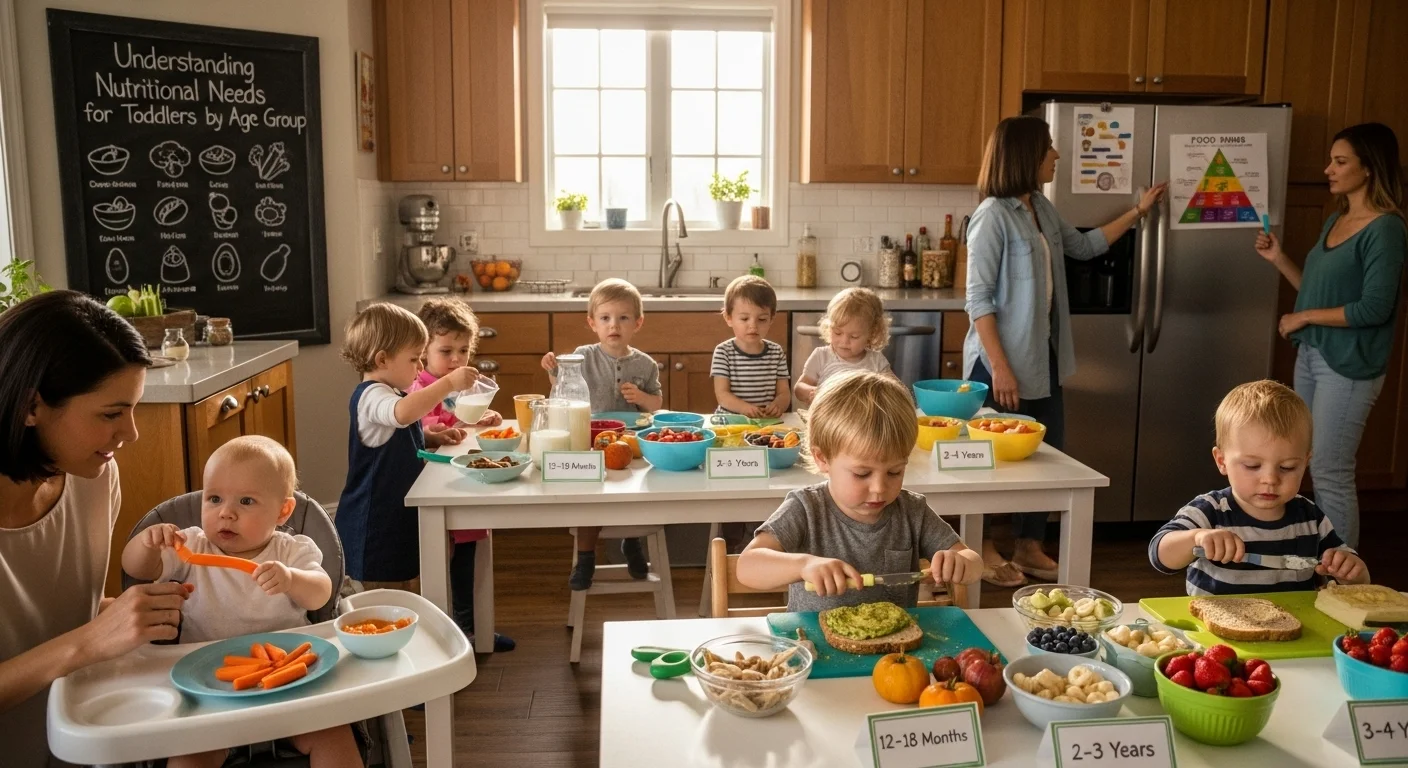
Overview of Toddler Nutritional Needs
Importance of Nutrition in Early Childhood
As a parent, I quickly learned that the toddler years are crucial for growth and development. During this time, children are not just becoming more active; their brains are developing rapidly. I remember reading that proper nutrition can significantly impact their cognitive abilities, immunity, and overall health. It’s fascinating how the right balance of nutrients can help shape a child’s future, and I wanted to ensure I was doing everything I could for my little one. For more insights, check out the Essential Nutritional Needs for Your Growing Toddler.
Key Nutrients for Toddlers
When it comes to toddlers, there are specific nutrients we need to focus on to support their growth. I found it helpful to break down these key nutrients into categories. Here’s a quick rundown of what we should be prioritizing:
- Protein: Essential for growth and development.
- Carbohydrates: The main source of energy for our active toddlers.
- Fats: Important for brain development and the absorption of vitamins.
- Vitamins and Minerals: Key players in overall health, including immune function and bone health.
Understanding these nutrients can help us make better food choices for our kids. I found that keeping meals colorful and varied was a fun way to ensure my toddler was getting all the necessary nutrients. For more detailed guidance, refer to the Ultimate Guide to Toddler Nutrition: Age-Specific Needs.
Nutritional Needs by Age Group
1 to 2 Years Old
Recommended Daily Caloric Intake
During this age, toddlers need about 900 to 1,000 calories per day. I remember feeling overwhelmed by how much or how little my child should eat. It’s important to remember that every child is different, and I learned to focus on their hunger cues rather than strict calorie counts.
Essential Vitamins and Minerals
At this stage, toddlers particularly need calcium and iron. Calcium is vital for bone growth, while iron supports cognitive development. I made sure to include dairy products like yogurt and cheese, as well as iron-rich foods like beans and fortified cereals in my toddler’s diet.
Suggested Food Groups
In my experience, a balanced diet for a toddler should include:
- Dairy: Milk, cheese, and yogurt.
- Fruits and Vegetables: A variety of colors and types.
- Grains: Whole grains like oats and brown rice.
- Proteins: Lean meats, eggs, and legumes.
Mixing these food groups into their meals kept things interesting and healthy. I loved making smoothies with fruits and yogurt; my toddler enjoyed it, and it packed a nutritional punch!
2 to 3 Years Old
Growth and Development Needs
As my child approached the age of two, I noticed a surge in their energy levels. This growth spurt requires about 1,000 to 1,400 calories per day. It was vital to fuel that energy with the right foods, and I focused on offering a variety to keep things exciting.
Balanced Diet Recommendations
A balanced diet at this age should still include the essential food groups, with a slight increase in portion sizes. I learned to introduce more protein sources, such as beans and fish, while keeping carbohydrates sturdy with whole grains. My favorite go-to meals included veggie stir-fries with brown rice or whole-grain pasta.
Portion Sizes and Meal Frequency
By now, I realized that toddlers typically eat smaller portions more frequently. I tried to offer three main meals and two snacks throughout the day. I found that serving smaller portions encouraged my child to finish their plate without feeling overwhelmed. Plus, it allowed me to introduce a range of flavors and textures. I loved the idea of “toddler tapas” where I could present various small portions on one plate!
3 to 4 Years Old
Increased Activity Levels and Nutritional Demands
As my child entered the preschool years, the energy levels skyrocketed even more. I learned that they needed about 1,200 to 1,600 calories daily, depending on their activity. I found it crucial to provide nutrient-dense meals that could keep up with their busy lifestyle.
Variety in Food Choices
At this age, I noticed my toddler was more open to trying new foods. I took advantage of this curiosity by introducing a wider range of vegetables and proteins. I remember how exciting it was to see their eyes light up when they tasted something new, like roasted Brussels sprouts or quinoa.
Introduction to New Textures and Flavors
Texture is an important aspect of meals at this age. I experimented with different cooking techniques—steaming, roasting, and grilling—to create appealing textures. I also found that mixing familiar foods with new flavors encouraged my child to be more adventurous in their eating.
4 to 5 Years Old
Transitioning to Family Meals
As my child approached the age of four, I began to notice a significant shift in mealtime dynamics. The transition into family meals felt like a game changer. No longer was I preparing separate meals for my toddler; we started eating together more frequently. I remember how this made me feel—I was excited to share our meals and model healthy eating habits. It was a great opportunity to show my child how to appreciate a variety of foods, and I loved having conversations around the table about what we were eating.
Encouraging Healthy Eating Habits
In this phase, I realized that nurturing healthy eating habits isn’t just about what’s on the plate; it’s also about creating a positive environment around food. I found that involving my child in meal prep made them more curious about what they were eating. Whether it was washing vegetables, stirring sauces, or even choosing fruits at the grocery store, these little tasks made them feel like they were part of the process. I noticed that when they felt involved, they were more excited to try new things. We even turned tasting new foods into a fun game, giving each dish a silly name, which made it all the more enticing!
Addressing Picky Eating
Despite our progress, I knew that picky eating could still rear its head. I remember days when my child would turn their nose up at foods they once loved. It was frustrating, but I learned that this is a common phase for many toddlers. I decided to stay patient and not force anything. Offering a variety of foods without pressure turned out to be effective. I also tried to present meals in fun shapes or colors to make them visually appealing. For instance, using cookie cutters to shape sandwiches into stars or hearts was a hit! I discovered that keeping the atmosphere light and playful helped my child feel safe to explore their food choices.
Essential Nutrients for Toddlers
Protein
Protein has been a crucial part of our toddler’s diet. I learned that it’s not just about meat; there are plenty of plant-based sources too! Beans, lentils, and tofu became staples in our meals. I often made a big batch of chili with beans or lentil soup, which not only packed a protein punch but also had the added benefit of being freezable for quick meals later on. I felt good knowing we were getting enough protein to support my child’s growth, especially as they became more active.
Carbohydrates
Carbohydrates are often misunderstood, but they’re vital for fueling our little ones. I made a conscious effort to choose whole grains whenever possible, like brown rice, quinoa, and whole wheat pasta. These foods provide sustained energy, which is crucial for my toddler’s busy days filled with play and learning. I noticed that when I included complex carbs, my child was more energetic and focused, which made it easier for us to enjoy our daily activities together.
Fats
I knew that healthy fats are important for brain development, so I sought out sources like avocados, nuts, and olive oil. I loved making guacamole as a dip for veggies; it was a tasty way to introduce healthy fats while encouraging my child to enjoy their veggies. It felt rewarding to see them take to it! I also found that nuts and seeds were great snacks, providing energy during those busy afternoons.
Vitamins and Minerals
Calcium
Calcium has always been on my radar, especially for building strong bones. I made sure to incorporate dairy options like yogurt and cheese into our meals. But I also learned that leafy greens like kale and fortified plant-based milks are excellent sources too. I remember trying a kale smoothie for breakfast; it was impressive how a little creativity could turn something green into a fun, tasty treat!
Iron
Iron was another nutrient I focused on, particularly because it supports cognitive development. I found that pairing iron-rich foods like beans and spinach with vitamin C sources, such as oranges or bell peppers, can enhance absorption. I often prepared stir-fries featuring tofu and a colorful medley of vegetables, ensuring my child was not just eating healthy but enjoying the food.
Vitamin D
Vitamin D is essential for bone health, and I learned that exposure to sunlight is a great source. However, dietary sources are important too. I started to include fortified foods like orange juice and dairy products. I also made a point to take family walks outside, enjoying the sunshine together while making sure we were getting that important nutrient naturally. This outdoor time turned out to be a win-win for both our health and bonding time.
Common Nutritional Challenges
Picky Eating and Food Refusal
I can’t tell you how many times I faced the dreaded picky eating phase with my toddler. It seemed like one day they loved broccoli, and the next, it was like I was trying to serve them something completely unappealing. I learned that this is a common challenge for many parents, and it can be incredibly frustrating. I found that staying calm and patient was key. Instead of forcing my child to eat certain foods, I tried to offer a variety of options at each meal, letting them choose what they wanted to eat. I remember one evening, I made a colorful platter with carrot sticks, cucumbers, and hummus. They may not have eaten everything, but they were curious enough to try a little of each! I think allowing them to have some control over their food choices helped reduce the power struggle around meals.
Food Allergies and Intolerances
As my toddler grew, I became more aware of food allergies and intolerances, especially since I had a few family members who dealt with them. I knew that any signs of allergy could be serious, so I learned to be observant. There were a couple of instances when my child would complain about an upset tummy after eating certain foods. It turned out they were sensitive to dairy! This experience pushed me to explore alternative options like almond milk and coconut yogurt. I remember feeling relieved when I found substitutes that still allowed my child to enjoy their meals without discomfort. It’s essential to approach this topic with care, as finding what works for our kids can take time. I recommend always consulting with a pediatrician if you suspect any allergies or intolerances.
Understanding Portion Sizes
Understanding appropriate portion sizes for toddlers was another hurdle I encountered. I used to think I needed to serve them adult-sized portions because they were so active. However, I quickly realized that their little stomachs could only handle so much at once. I started using smaller plates and serving smaller portions to avoid overwhelming my child. It was a game changer! I noticed that when I provided smaller amounts, they were more willing to eat and finish everything on their plate. Plus, it created opportunities for seconds if they were still hungry. I also learned to encourage them to listen to their bodies and stop eating when they felt full. This way, I was helping them develop healthy eating habits for the future.
Practical Tips for Parents
Creating Balanced Meals
In my journey to feed my toddler right, I discovered that creating balanced meals doesn’t have to be complicated. I started by incorporating the “rainbow rule” into our meals. I aimed for a colorful plate that included a variety of fruits and vegetables, proteins, and whole grains. It became a fun challenge to see how many colors I could include! I remember one day making a stir-fry with red bell peppers, green broccoli, and orange carrots, served over brown rice. Not only was it visually appealing, but it also packed a nutritional punch. I found that when meals looked good, my child was more interested in eating them.
Incorporating Snacks
Snacking became a crucial part of our daily routine as I learned that toddlers often need snacks between meals to keep their energy levels up. I focused on healthy snack options, like sliced fruits, yogurt, or whole-grain crackers with nut butter. I loved preparing snack boxes with a mix of items, allowing my toddler to choose what they wanted to munch on. I found that this approach kept them excited about snacks and ensured they were getting the nutrients they needed. Plus, it helped me avoid the temptation of offering sugary snacks, which could lead to energy crashes.
Making Mealtimes Enjoyable
One of the best things I did to encourage healthy eating was to make mealtimes enjoyable. I learned to create a relaxed atmosphere during meals, free from distractions like TV or phones. We would sit down together as a family and engage in conversations about our day. I noticed that when mealtime felt like a fun experience, my child was more willing to try new foods and engage with what was on their plate. I also introduced themed dinners, like taco night or pizza night, where everyone could customize their meals. It became a family tradition that made mealtime something we all looked forward to!
Resources for Further Guidance
Consulting Pediatricians and Nutritionists
As I navigated through the ups and downs of feeding my toddler, I found it incredibly helpful to consult with pediatricians and nutritionists. They provided great insights tailored to my child’s individual needs. I remember one particular visit where we discussed my concerns about iron intake, and the pediatrician suggested incorporating more iron-rich foods and pairing them with vitamin C sources for better absorption. This kind of personalized guidance made a world of difference for us.
Recommended Books and Websites
I also turned to books and websites dedicated to toddler nutrition. Some of my favorite resources included “The Baby and Toddler Cookbook” by Karen Le Billon, which offered simple recipes and ideas for healthy eating. Additionally, I found websites like the American Academy of Pediatrics (AAP) incredibly informative, providing evidence-based guidelines for toddler nutrition. These resources not only educated me but also inspired me to try new things in the kitchen! For parents interested in meal planning for family trips, I found Smart Toddler Meal Planning for Family Backpacking Trips to be particularly useful.
Nutrition Apps for Parents
In our tech-savvy world, I discovered nutrition apps designed for parents that helped track my child’s eating habits and nutritional intake. One app I particularly liked allowed me to log meals and provided feedback on nutrient content. It was a practical tool that helped me stay organized and motivated to ensure my toddler was getting a well-balanced diet. Plus, the interactive features kept things engaging for both of us!
Frequently Asked Questions
What are the key nutrients toddlers need for their growth?
Toddlers need essential nutrients such as protein, carbohydrates, fats, vitamins, and minerals to support their growth and development. Protein is crucial for growth, carbohydrates provide energy, fats aid brain development, and vitamins and minerals are important for overall health.
How many calories do toddlers need at different ages?
From 1 to 2 years old, toddlers need about 900 to 1,000 calories per day. At ages 2 to 3, their caloric intake should increase to about 1,000 to 1,400 calories per day. For children aged 3 to 4 years old, the requirement is approximately 1,200 to 1,600 calories daily, depending on their activity levels.
What food groups should be included in a toddler’s diet?
A balanced diet for toddlers should include dairy products (like milk, cheese, and yogurt), a variety of fruits and vegetables, whole grains (such as oats and brown rice), and protein sources (including lean meats, eggs, and legumes).
How can I encourage my toddler to try new foods?
To encourage toddlers to try new foods, create a positive and fun mealtime environment. Involving them in meal preparation and presenting meals in appealing shapes or colors can also pique their curiosity and interest in trying new flavors and textures.
What strategies can help with picky eating?
To manage picky eating, offer a variety of food options at each meal without pressure. Allowing toddlers to have some control over their food choices can reduce power struggles. Presenting meals in fun shapes or colors can also make them more visually appealing.
What are the recommended snacks for toddlers?
Healthy snack options for toddlers include sliced fruits, yogurt, whole-grain crackers with nut butter, and snack boxes featuring a mix of items. This helps keep toddlers energized and ensures they receive necessary nutrients while avoiding sugary snacks.
How can I create balanced meals for my toddler?
Creating balanced meals can be achieved by following the “rainbow rule,” which means including a variety of colorful fruits and vegetables, proteins, and whole grains on the plate. This not only makes meals visually appealing but also nutritious.
What role do pediatricians and nutritionists play in a toddler’s nutrition?
Pediatricians and nutritionists provide personalized guidance and insights tailored to a child’s individual needs, helping parents address specific concerns such as nutrient intake and dietary adjustments.
How can I ensure my toddler gets enough calcium and iron?
To ensure adequate calcium intake, include dairy products and leafy greens in your toddler’s diet. For iron, focus on iron-rich foods like beans and spinach, and pair them with vitamin C sources (like oranges or bell peppers) to enhance absorption.
What are some resources for parents seeking guidance on toddler nutrition?
Parents can find valuable information in books like “The Baby and Toddler Cookbook” by Karen Le Billon, websites like the American Academy of Pediatrics (AAP), and nutrition apps that help track eating habits and nutritional intake.