
Permissive parenting often sparks debate among parents and educators alike. It’s a style that seems laid-back yet carries significant implications for child development. So, what does permissive parenting really entail, and how does it compare to other styles? Read Interesting article: Permissive Parenting: Impact on Child Development Explained
What is Permissive Parenting?
Definition and Characteristics
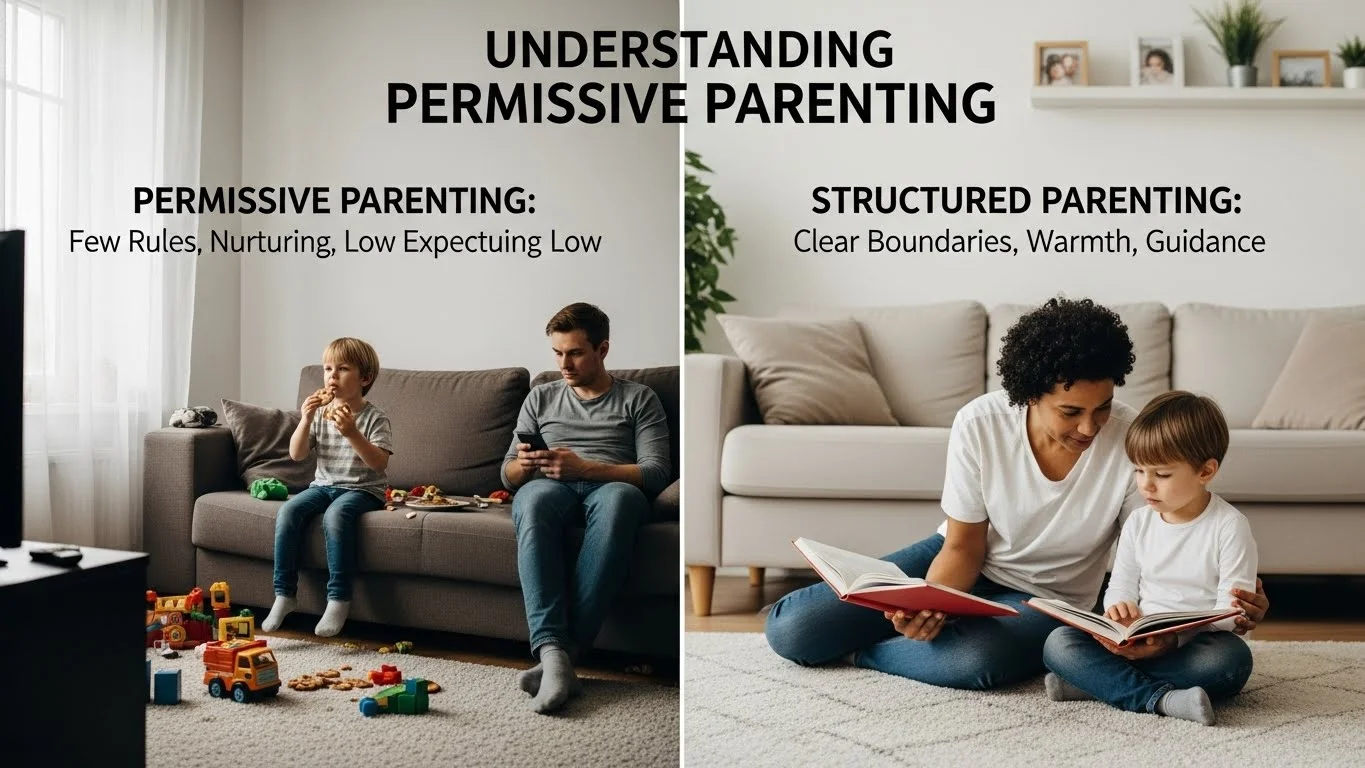
Permissive parenting, in my experience, is characterized by a high level of warmth and nurturing combined with a low level of control. As a permissive parent, I’ve found that it can feel like walking a tightrope sometimes. On one hand, I want to foster a loving environment where my children feel safe to express themselves, but on the other hand, I often question whether I’m providing enough structure. This parenting style is marked by a tendency to allow children significant freedom in their choices, often prioritizing their desires over strict rules or expectations. Instead of imposing strict guidelines, permissive parents typically engage in open discussions, hoping to guide rather than control their children’s behavior.
Historical Context and Evolution
The concept of permissive parenting didn’t just pop up overnight. In fact, it has evolved over time, influenced by broader cultural shifts. I’ve come to realize that parenting styles reflect societal values, and permissive parenting is no different. Historically, the mid-20th century saw a rise in child psychology, where experts advocated for a more nurturing approach, contrasting sharply with the authoritarian styles prevalent in previous generations. This shift encouraged parents to focus on emotional support and understanding, rather than obedience and discipline. I’ve noticed that as society progresses, many parents now lean toward permissive methods, often believing it fosters stronger parent-child bonds. While this evolution has its merits, it also raises questions about the balance between freedom and guidance.
Key Characteristics of Permissive Parenting
High Responsiveness
One of the standout features of permissive parenting is the high level of responsiveness. I’ve always tried to be there for my kids when they express their needs or emotions. This responsiveness creates a supportive atmosphere where children feel heard and valued. For instance, if my child comes home upset about a friend issue, instead of dismissing it, I sit down to listen and offer advice. This emotional availability fosters trust and strengthens our relationship, which is something I deeply cherish.
Low Demands and Expectations
Another hallmark of permissive parenting is the absence of stringent demands or expectations. I’ve noticed that many permissive parents, including myself, tend to avoid imposing strict rules. Instead, we prefer to guide our kids toward making their own decisions. For example, when it comes to homework, I often encourage my children to set their own study schedules rather than dictating when or how they should complete their assignments. While this approach can foster independence, I’ve sometimes worried it might lead to a lack of accountability. Read Interesting article: Navigating the Challenges of Permissive Parenting Styles
Emphasis on Freedom and Autonomy
Permissive parenting places a significant emphasis on freedom and autonomy. I remember when my oldest wanted to choose her own clothes for school. Initially, I was apprehensive about her fashion choices, but I decided to let her express herself. This experience taught me that allowing children to make choices, even in small matters, can boost their confidence and self-esteem. I believe that this freedom can empower children to explore their interests and develop their individuality. Yet, I have also learned that with this freedom comes the responsibility of helping them understand the consequences of their choices.
Comparison with Other Parenting Styles
Authoritative Parenting
When comparing permissive parenting to authoritative parenting, we see some clear distinctions. Authoritative parents, like my friends who practice this style, maintain a balance of warmth and firm expectations. I admire this approach, where rules exist, but there’s a strong emphasis on open communication. I’ve often observed that children raised in authoritative households benefit from structure while feeling supported, which is a balance I sometimes struggle to achieve.
Authoritarian Parenting
On the other hand, authoritarian parenting is much stricter and less responsive. In my opinion, this style can create a fear-based environment where children feel they must comply without question. While I understand the desire for discipline, I’ve seen the potential long-term effects on children’s self-esteem and independence. I want my kids to feel empowered to express their thoughts rather than just obeying rules.
Neglectful Parenting
Lastly, there’s neglectful parenting, which contrasts sharply with permissive parenting. Neglectful parents often lack both responsiveness and demands. I believe that while permissive parents provide a nurturing environment, neglectful parents may inadvertently create a void in emotional support. It’s a reminder for me that while emphasizing freedom is important, ensuring my children feel loved and valued is just as crucial.
Benefits of Permissive Parenting
Encouragement of Creativity
One of the most significant benefits I’ve noticed with permissive parenting is the encouragement of creativity. By allowing my children to explore their interests without the constraints of strict rules, I’ve seen them flourish artistically. For instance, when my youngest started showing an interest in painting, I provided her with all the colors and brushes she needed, without pushing her to stick to particular techniques or themes. This freedom led to some beautiful creations that truly reflect her personality. I believe that when children feel free to express themselves, they not only develop their creative skills but also gain confidence in their abilities. This has inspired me to embrace their unique visions, rather than impose my own ideas on them.
Strengthened Parent-Child Relationship
I’ve found that permissive parenting has significantly strengthened my relationship with my kids. The open communication and emotional support foster a sense of trust that is invaluable. I remember one day when my teenager came to me with a problem that was weighing heavily on her. Instead of feeling like she had to hide it from me, she felt comfortable enough to share her concerns. This experience made me realize that the connection we have allows her to come to me during challenging times. I believe this bond will serve her well as she navigates adolescence and beyond. For me, knowing that my children feel they can come to me is one of the greatest affirmations of my parenting style.
Development of Independence
Another advantage of permissive parenting is the development of independence in children. I’ve noticed that by giving my kids the autonomy to make their own choices, they learn to take responsibility for their actions. For example, when my daughter decided to join a club at school, I encouraged her to manage her own schedule. While I initially worried about her balancing her time, I soon realized that this experience taught her valuable lessons in time management and personal responsibility. I believe that allowing children to make decisions about their own lives helps them grow into capable and self-sufficient individuals. It’s a rewarding experience to watch them navigate challenges and make choices that reflect their values. Read Interesting article: The Hidden Effects of Permissive Parenting on Kids’ Behavior
Challenges of Permissive Parenting
Potential for Behavioral Issues
Despite the numerous benefits, permissive parenting comes with its own set of challenges. One concern I’ve encountered is the potential for behavioral issues. I’ve seen that without clear boundaries, some children may test limits and push for more freedom. There have been times when I’ve had to step in after my kids took advantage of the leniency I offered. For instance, when my son started ignoring curfews, I had to reassess how much freedom I was giving him. It reminded me that while I value independence, it’s essential to establish some ground rules to maintain a respectful and safe environment.
Lack of Structure and Discipline
Another challenge I’ve faced is the lack of structure and discipline that can sometimes accompany permissive parenting. I’ve realized that without consistent guidelines, my children may struggle to understand expectations in various settings, like school or sports. There have been moments when I’ve seen them struggle with authority figures because they weren’t used to following rules strictly. This has prompted me to find a balance between being their friend and being the authority figure they need. I believe that introducing some structure, without compromising their autonomy, can help them thrive in different environments.
Impact on Academic Performance
Lastly, I’ve observed that permissive parenting might impact academic performance. Without firm expectations for homework and study habits, I’ve seen my children sometimes procrastinate or avoid schoolwork altogether. I remember a time when my daughter struggled with completing her assignments on time. It became clear to me that my relaxed approach was not helping her in this area. To counter this, I started encouraging her to set her own deadlines while providing support and reminders. This collaboration not only improved her academic performance but also allowed her to take ownership of her education. I believe it’s essential for permissive parents to find ways to keep education a priority while still respecting their child’s independence.
Practical Tips for Permissive Parents
Setting Boundaries While Maintaining Freedom
One of the most important lessons I’ve learned as a permissive parent is the necessity of setting boundaries while still allowing my children the freedom to explore. It can feel like a balancing act. For example, when my kids were younger, I found it helpful to establish a few non-negotiable rules that provided a framework for their behavior. I remember setting a clear guideline that homework had to be completed before screen time. This approach allowed my children to manage their time while ensuring that their responsibilities were prioritized. I believe it’s vital for permissive parents to identify those key boundaries that maintain structure in the home while still respecting their children’s autonomy. It’s about finding that sweet spot where our kids feel free to make choices, yet still understand the importance of accountability.
Effective Communication Strategies
Communication plays a significant role in permissive parenting. I’ve found that fostering an environment where my children feel comfortable expressing their thoughts is crucial. One technique that has worked well for us is regular family meetings. During these meetings, we gather to discuss any concerns, upcoming events, or simply share what’s on our minds. I remember a time when my eldest was anxious about an upcoming school project. By encouraging her to voice her worries, we could work together to break the project down into manageable tasks. This not only eased her anxiety but also taught her that it’s okay to seek help. I think that by practicing open communication, we can keep the lines of dialogue open, which in turn strengthens our relationship and helps my children feel more secure.
Balancing Autonomy with Guidance
Balancing autonomy with guidance is another area where I’ve had to be intentional as a permissive parent. While I value my children’s independence, I also want to ensure they have the tools to navigate challenges effectively. For instance, when my son wanted to try out for the school soccer team, I encouraged him to practice regularly and set his own goals for improvement. However, I also made it a point to check in and offer support, like attending his practices or discussing strategies after games. This blend of guidance and independence has been beneficial. I believe it allows children to develop their skills and confidence while knowing they have a safety net when they need it. It’s a reminder that while we want our kids to be independent, they also benefit from knowing we’re there for them if they stumble.
Understanding the Psychological Impact
Effects on Child Development
From my perspective, permissive parenting can have profound effects on child development, both positive and negative. I’ve observed that children raised in permissive environments often exhibit high levels of creativity and self-expression, as they feel encouraged to pursue their interests without fear of judgment. However, I’ve also seen instances where a lack of structure can lead to difficulties in social settings or academic environments. For example, when my daughter struggled to adhere to a group project timeline, it highlighted the importance of learning how to cooperate and stay organized in a team. I think it’s crucial for permissive parents to recognize these developmental milestones and adjust their approaches when necessary, ensuring that their children not only thrive creatively but also learn essential life skills.
Long-term Outcomes for Permissive Children
Looking ahead, I’ve pondered the long-term outcomes for children raised in permissive households. Research suggests that while these children may thrive in creativity and self-esteem, they can also face challenges with authority and self-discipline later in life. I remember reading about how some permissive children might struggle in structured environments, like the workplace, where clear expectations and rules are essential. It made me reflect on my parenting choices and the importance of preparing my children for real-world scenarios. I believe it’s beneficial to foster an understanding of boundaries alongside independence, helping them develop the skills they need to navigate various aspects of life successfully.
Permissive Parenting in Different Cultural Contexts
Variations Across Cultures
Permissive parenting doesn’t exist in a vacuum; it’s influenced by cultural contexts. I’ve noticed that in some cultures, permissive approaches are more accepted and even encouraged, while in others, they may be viewed with skepticism. For instance, in some Western cultures, the emphasis on child autonomy is celebrated, whereas more collectivist cultures might prioritize obedience and respect for authority. This cultural lens shapes how we perceive and implement permissive parenting. I think it’s fascinating to see how different societies interpret the balance between freedom and structure in child-rearing. It encourages me to reflect on my values and understand how they fit within a broader cultural framework.
Global Perspectives on Parenting Styles
As I’ve explored parenting styles globally, I’ve come to appreciate the diversity in approaches. In Scandinavian countries, for example, permissive parenting is often blended with strong social support systems that promote both independence and well-being. I recall reading about how parents in these regions often trust their children to make decisions, knowing that there are community resources available to guide them. This perspective has inspired me to think about how I can create a similar support system for my children. I believe that understanding these global perspectives enriches our own parenting journey, allowing us to learn from various practices that can enhance our approach.
Resources for Permissive Parents
Books and Literature
As a permissive parent, I’ve found that diving into books and literature about parenting can be incredibly insightful. One of my favorites is “The Whole-Brain Child” by Daniel J. Siegel and Tina Payne Bryson. This book offers practical strategies rooted in neuroscience that help parents understand their child’s development. I remember reading it and feeling like it opened a new window into how my kids think and feel. Another great resource is “How to Talk So Kids Will Listen & Listen So Kids Will Talk” by Adele Faber and Elaine Mazlish. This book provided me with effective communication techniques that have helped foster that open dialogue I cherish with my children.
Online Communities and Support Groups
Connecting with other parents has been a game-changer for me. Online communities, like those on Facebook or dedicated parenting forums, allow us to share experiences, challenges, and successes. I’ve found solace in knowing I’m not alone in my parenting journey. Sites like Reddit have specific subreddits for parenting discussions, where we not only share tips but also support one another through tough times. Engaging with these communities has helped me feel more confident in my choices and has introduced me to different perspectives that I may not have considered otherwise.
Professional Guidance and Counseling
Sometimes, reaching out for professional help can be invaluable. I’ve sought guidance from a family therapist when I felt overwhelmed and uncertain about my permissive parenting style. It was reassuring to discuss my concerns and gain insights from an expert. Many therapists understand the nuances of different parenting styles and can provide tailored advice. I believe that investing in professional guidance can help us navigate the complexities of our parenting paths and ensure we’re making the best decisions for our children.
Final Thoughts
Reflecting on my journey as a permissive parent, I realize that this path is filled with both rewarding moments and unique challenges. I cherish the open communication, creativity, and independence I encourage in my children. However, I also recognize the importance of setting boundaries and providing structure to help them thrive in various aspects of life. It’s a continuous learning experience, where I adjust my approach based on my children’s evolving needs. In the end, I believe that the heart of permissive parenting lies in the balance we create between freedom and guidance. Each day brings new opportunities to nurture our children while preparing them for the world ahead, and that’s a journey I’m grateful to be on.
Frequently Asked Questions
What is permissive parenting?
Permissive parenting is characterized by a high level of warmth and nurturing combined with a low level of control. It allows children significant freedom in their choices, often prioritizing their desires over strict rules or expectations.
What are the key characteristics of permissive parenting?
Key characteristics include high responsiveness to children’s needs, low demands and expectations, and an emphasis on freedom and autonomy. Permissive parents engage in open discussions rather than imposing strict guidelines.
How does permissive parenting compare to authoritative parenting?
Permissive parenting contrasts with authoritative parenting, which maintains a balance of warmth and firm expectations. Authoritative parents set rules while emphasizing open communication, providing structure and support.
What are the benefits of permissive parenting?
Benefits of permissive parenting include encouragement of creativity, a strengthened parent-child relationship, and the development of independence in children, allowing them to learn responsibility and decision-making skills.
What challenges might permissive parents face?
Challenges include the potential for behavioral issues due to lack of boundaries, a lack of structure and discipline, and possible negative impacts on academic performance if expectations for schoolwork are not clearly established.
How can permissive parents set boundaries while maintaining freedom?
Permissive parents can establish non-negotiable rules that provide a framework for behavior, such as requiring homework to be completed before screen time, thus balancing children’s freedom with accountability.
What role does communication play in permissive parenting?
Effective communication is crucial in permissive parenting. Fostering an environment where children feel comfortable expressing their thoughts helps strengthen relationships and allows for open dialogue about concerns and challenges.
What are the psychological impacts of permissive parenting on children?
Permissive parenting can encourage high levels of creativity and self-expression, but it may also lead to challenges with authority and self-discipline later in life, impacting their ability to navigate structured environments.
How does permissive parenting vary across different cultural contexts?
Permissive parenting is influenced by cultural contexts, with some cultures celebrating child autonomy while others may prioritize obedience. This variation shapes how permissive parenting is perceived and practiced globally.
What resources are available for permissive parents?
Resources for permissive parents include books such as “The Whole-Brain Child” and “How to Talk So Kids Will Listen & Listen So Kids Will Talk,” as well as online communities and support groups for sharing experiences and advice.