
Permissive parenting is a style that many parents may find appealing, as it emphasizes freedom and emotional connection. But what does it really mean? Let’s explore this approach to parenting, its characteristics, and how it compares to other styles. Read Interesting article: Is Permissive Parenting Right for Your Family? Find Out!
What is Permissive Parenting?
Definition of Permissive Parenting
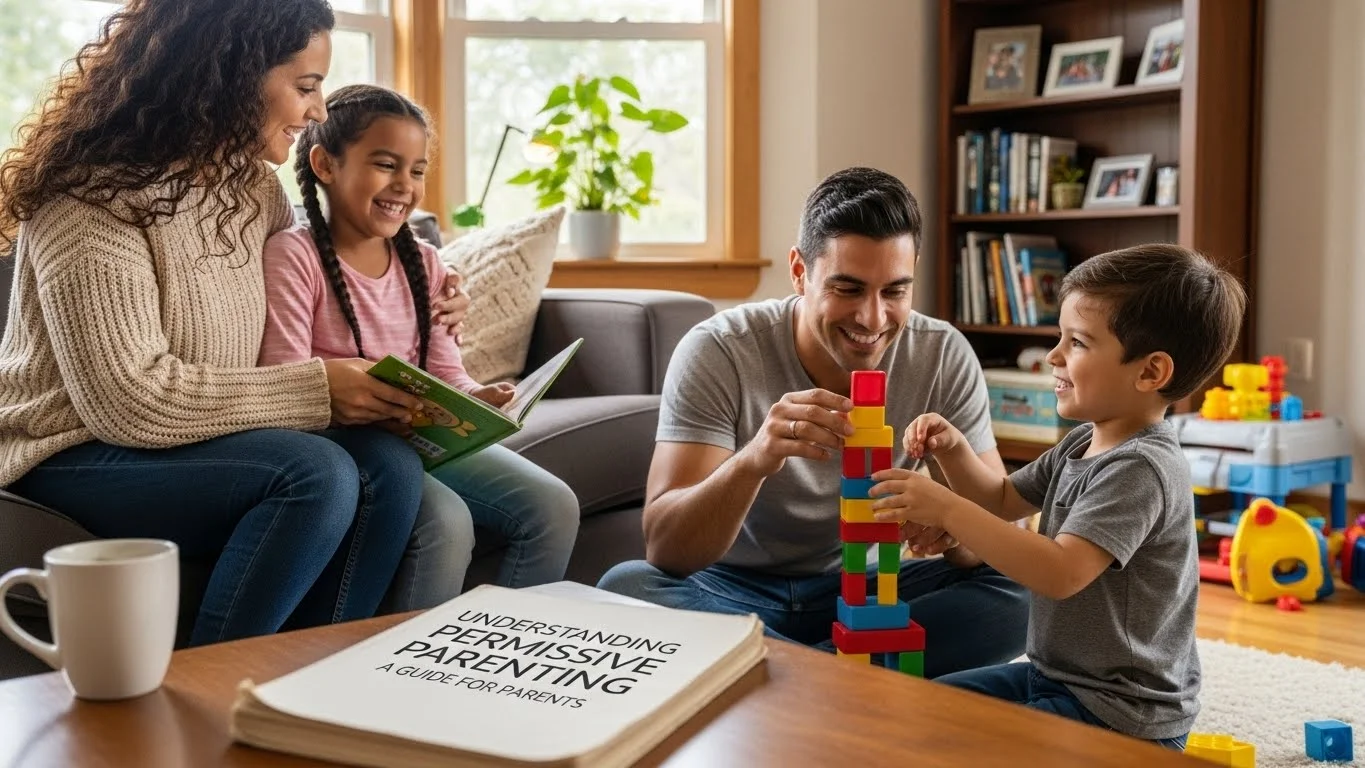
Permissive parenting is a style defined by a high level of warmth and affection but a low level of discipline and structure. As I’ve seen in my experience, permissive parents tend to be more lenient, allowing their children to make choices with minimal restrictions. They often prioritize their child’s feelings and desires over the enforcement of rules. This can create an environment where kids feel loved and supported but may struggle with boundaries.
Characteristics of Permissive Parenting
When I reflect on what I perceive as key characteristics of permissive parenting, a few things stand out. First, permissive parents typically avoid setting strict rules or expectations. Instead, they allow their children significant freedom to make decisions, which can lead to both positive and negative outcomes. Second, emotional support is a cornerstone of this approach. I remember seeing parents who would engage in deep conversations with their kids, validating their feelings and thoughts. Finally, permissive parents often want their children to feel comfortable expressing themselves, even if that means bending or breaking some rules occasionally.
Comparison with Other Parenting Styles
Understanding permissive parenting is easier when we compare it to other styles. I find it fascinating to look at how it differs from authoritative and authoritarian parenting. Authoritative parents balance warmth with structure, setting clear expectations while still encouraging independence. In contrast, authoritarian parents use strict rules and high demands with little emotional support. Then there’s uninvolved parenting, where parents are detached and don’t offer emotional warmth or guidance. It’s like a spectrum, and permissive parenting sits on the side where emotional connection is prioritized over discipline. Read Interesting article: Exploring the World: Authoritative Parenting Insights
Key Elements of Permissive Parenting
Emphasis on Freedom and Autonomy
One of the most significant elements of permissive parenting is the emphasis on freedom and autonomy. I’ve noticed that permissive parents often believe that allowing kids to make their own choices fosters independence. They’re more likely to let their children choose their own activities, friends, and even the way they express themselves. This approach can cultivate a sense of self-reliance. I remember a friend of mine who let her daughter pick her own outfits daily. At first, I thought it was a bit too much, but her daughter developed a unique sense of style that she owned proudly.
Lack of Enforced Boundaries
In a permissive parenting style, there’s often a lack of enforced boundaries. This doesn’t mean that these parents don’t care; rather, they believe that children learn best through exploration and experience. I’ve seen this firsthand when my sister raised her children without strict bedtimes or homework rules. While they enjoyed a lot of freedom, it occasionally led to meltdowns over missed school assignments or late nights.
Focus on Emotional Support
Emotional support is at the heart of permissive parenting. I’ve observed that permissive parents strive to create a nurturing environment where their children feel understood and loved. This approach often leads to strong emotional connections, which can be incredibly beneficial for children. However, I’ve also learned that sometimes this can lead to overindulgence, where children feel that their feelings always take precedence over responsibilities.
Flexible Rules and Expectations
Another important characteristic of permissive parenting is the flexibility of rules and expectations. For me, this flexibility has its pros and cons. It allows for spontaneous adventures and lets children explore their interests freely, but at the same time, it can confuse them about what is expected. I remember a family friend who had a “no homework on weekends” rule that was often bent. Their kids enjoyed the freedom, but I noticed they sometimes struggled when school returned on Monday.
Benefits of Permissive Parenting
Fostering Creativity and Independence
One of the most rewarding aspects of permissive parenting is its ability to foster creativity and independence in children. I’ve seen kids flourish in environments where they are allowed to explore their interests without strict guidelines. This freedom encourages them to think outside the box and develop their unique talents. Read Interesting article: Exploring Permissive Parenting: Pros, Cons, and Tips
Building Strong Emotional Bonds
Permissive parenting can also build strong emotional bonds between parents and children. I believe this emotional connection can be invaluable as children grow, leading them to feel secure and supported. It’s a beautiful thing to witness as kids feel comfortable sharing their thoughts and feelings with their parents.
Encouraging Open Communication
Lastly, I’ve found that permissive parenting often encourages open communication. Children raised in this style may feel more comfortable expressing their ideas and concerns, which can lead to a deeper understanding within the family. It’s refreshing to see families who prioritize dialogue over discipline, creating a safe space for sharing opinions and feelings.
Challenges of Permissive Parenting
Potential for Lack of Discipline
While permissive parenting has its strengths, I’ve seen firsthand that one of the biggest challenges is the potential for a lack of discipline. Without consistent rules and expectations, children may not learn the importance of boundaries. I remember my neighbor’s kids, who had so much freedom that they sometimes struggled with basic routines, like getting ready for school or completing homework. It’s not that their parents didn’t care; they simply believed that children would naturally learn self-discipline over time. However, I’ve noticed that some kids thrive with clear guidelines, and without them, they can feel lost.
Risk of Behavioral Issues
Another concern I’ve encountered in permissive parenting is the risk of behavioral issues. When kids are not accustomed to following rules or facing consequences, they may test limits more frequently. In my observation, children might become assertive in ways that can lead to conflicts, not just at home but also in school and with friends. For example, a friend of mine had a daughter who was so used to getting her way at home that she struggled to share and cooperate with peers during playdates. It became clear that while the emotional connection was strong, the lack of structure sometimes resulted in challenging behaviors.
Difficulty in Setting Limits
Setting limits can be particularly tough in permissive parenting. I’ve learned that without a clear framework, parents may find themselves overwhelmed when trying to enforce boundaries. I recall a time when I was visiting a family that practiced permissive parenting, and the kids wanted to stay up late to watch movies. The parents originally planned to stick to a bedtime but ended up caving in to avoid a tantrum. I noticed that this inconsistency led to confusion for the kids; they weren’t sure when it was really time to sleep. I believe that finding a balance between flexibility and setting limits is essential for creating a sense of security.
When Permissive Parenting is Appropriate
Age Considerations
Permissive parenting might be more appropriate during certain developmental stages. I’ve found that young children, particularly toddlers, benefit from some freedom to explore their surroundings. For instance, my cousin allowed her little ones to engage in messy play and creative activities without rigid constraints. This approach encouraged their curiosity and helped them learn about the world around them. However, as kids grow older, I think it becomes vital to re-evaluate this style and incorporate more structure to help them navigate responsibilities.
Situational Contexts
There are specific situations where permissive parenting can shine. For example, during stressful life events, such as moving to a new home or a family member’s illness, a more lenient approach may provide comfort and emotional support for children. I remember when my friend faced a challenging time, she relaxed her usual rules to help her kids feel more secure. I believe this temporary permissiveness allowed the family to bond and heal together, demonstrating that sometimes flexibility is necessary for emotional well-being.
Child’s Personality and Needs
Every child is unique, and their personality plays a significant role in how permissive parenting can work. I’ve noticed that some children thrive with a bit more freedom, while others may need more guidance. For example, my neighbor has two kids; one is adventurous and loves to explore, while the other is more reserved and needs reassurance. The permissive approach worked well for the adventurous child, allowing him to take risks and learn from his experiences. However, the other child benefited from a few more structured activities to help her feel secure. I think that tailoring the approach to fit each child’s personality can make a significant difference.
How to Implement Permissive Parenting Effectively
Balancing Freedom with Guidance
To implement permissive parenting effectively, I believe it’s crucial to balance freedom with guidance. It’s about allowing children the space to explore while also offering gentle direction. For instance, when my friends practiced this, they would set aside specific times for their kids to make choices about their activities while ensuring they understood the importance of completing their responsibilities first. This approach helped create a sense of independence without completely losing sight of necessary boundaries.
Setting Flexible Boundaries
Flexible boundaries can be key to successful permissive parenting. I’ve seen families thrive when they establish a few core rules, but allow for exceptions based on circumstances. For example, my sister would allow her kids to stay up late for special occasions, like family game nights, while maintaining a regular bedtime during the week. This way, her children understood that there were boundaries, but they were also allowed to enjoy some flexibility. I think this kind of approach fosters a sense of responsibility while also creating cherished family memories.
Encouraging Responsibility and Accountability
Encouraging responsibility and accountability is vital in a permissive parenting style. I often recommend that parents involve their children in discussions about expectations and consequences. In my experience, when kids have a say in the rules, they’re more likely to take ownership of their actions. For instance, my friend would have her kids help set limits for screen time and chores. By engaging them in the decision-making process, she noticed they were more inclined to follow through and accept the consequences of their choices. I believe this strategy helps cultivate a sense of maturity and awareness in children.
Alternatives to Permissive Parenting
Authoritative Parenting
When I think about alternatives to permissive parenting, authoritative parenting often comes to mind. This style strikes a balance between warmth and structure, which I find appealing. Authoritative parents set clear expectations while also encouraging independence. I’ve seen how this approach fosters a sense of security in children, as they understand the rules but also feel supported in exploring their interests. For example, a friend of mine practices authoritative parenting with her kids by allowing them to choose their after-school activities while also expecting them to complete their homework. This balance helps her children thrive both academically and personally, and I think many families could benefit from this middle ground.
Authoritarian Parenting
On the other side of the spectrum, we have authoritarian parenting. This approach is characterized by strict rules and high demands, often with little emotional warmth. My neighbor exemplifies this style; she has a set of rigid rules for her children that they must follow without question. While I can appreciate the structure it provides, I’ve noticed that her kids sometimes struggle to express their feelings. They seem to fear making mistakes or disappointing their parents, which can lead to anxiety. In my opinion, while some structure is essential, the lack of emotional support in authoritarian parenting may hinder children’s ability to develop a strong sense of self.
Uninvolved Parenting
Uninvolved parenting is another alternative, but this style tends to be less favorable. Parents who are uninvolved may be emotionally detached and provide little guidance or support. I remember a classmate who often came to school unprepared and expressed a desire for more attention and guidance at home. Unfortunately, his parents were preoccupied with their own lives and rarely engaged with him. This lack of involvement can lead to feelings of neglect and confusion in children. From my perspective, it’s vital for parents to find a balance that ensures their children feel valued and supported, rather than overlooked.
Real-Life Examples of Permissive Parenting
Case Studies of Permissive Families
To better understand permissive parenting, I think real-life examples can shed light on how this style manifests in different families. I have a family friend who embodies permissive parenting quite well. She allows her kids to make choices regarding their daily activities, even letting them decide whether they want to do homework or not. While her children often express joy in their freedom, I’ve noticed that they sometimes struggle with accountability. For instance, on several occasions, they forgot important assignments, leading to last-minute scrambling. It’s fascinating to see how this leniency plays out; the kids are creative and expressive, but they also face challenges due to their lack of structure.
Insights from Parenting Experts
When I read insights from parenting experts, I often find that they provide valuable perspectives on permissive parenting. Dr. Laura Markham, a clinical psychologist and author, emphasizes the importance of maintaining emotional connections while also establishing clear boundaries. In her work, she highlights that permissive parenting can lead to children feeling loved, but they might also become confused about expectations. I remember reading an article where she suggested that parents can still be permissive while gradually introducing more structure as kids mature. This idea resonated with me, as I believe that adapting parenting styles based on a child’s development can lead to healthier relationships and well-rounded individuals.
Resources for Parents
Books on Parenting Styles
If you’re looking to dive deeper into parenting styles, I highly recommend checking out books like “The Whole-Brain Child” by Daniel J. Siegel and Tina Payne Bryson. This book offers insights into child development and provides practical strategies for parenting that blend warmth and structure. I found their approach to be incredibly enlightening, as it emphasizes understanding how children think and feel at different ages. Another great read is “Raising An Emotionally Intelligent Child” by John Gottman, which focuses on the importance of emotional connections in parenting.
Websites and Online Communities
Online resources can be incredibly helpful for parents navigating different styles. Websites like Aha! Parenting provide a wealth of articles and tips on various parenting approaches, including permissive parenting. I’ve found their community forums to be a supportive space where parents share experiences and advice. Joining Facebook groups or online parenting forums can also be beneficial, as they allow for discussions and connections with others who may be facing similar challenges.
Professional Guidance and Counseling
Sometimes, seeking professional guidance can be a game changer. Family therapists and counselors can provide personalized advice tailored to your unique situation. I remember when a close friend faced challenges with her teenage daughter, and they decided to work with a family therapist. The sessions helped them better communicate and understand each other, leading to a more harmonious household. I encourage parents to consider this option if they feel overwhelmed or uncertain about their parenting style.
Frequently Asked Questions
What is permissive parenting?
Permissive parenting is a style defined by a high level of warmth and affection but a low level of discipline and structure. Permissive parents tend to be lenient, allowing their children to make choices with minimal restrictions and prioritizing their child’s feelings over the enforcement of rules.
What are the key characteristics of permissive parenting?
Key characteristics of permissive parenting include a lack of strict rules or expectations, a strong emphasis on emotional support, and a desire for children to express themselves freely, even if it involves bending or breaking some rules occasionally.
How does permissive parenting compare to other parenting styles?
Permissive parenting contrasts with authoritative parenting, which balances warmth with structure, and authoritarian parenting, which is strict and demands high compliance with little emotional support. It also differs from uninvolved parenting, where parents are detached and do not provide emotional warmth or guidance.
What are the benefits of permissive parenting?
Benefits of permissive parenting include fostering creativity and independence in children, building strong emotional bonds, and encouraging open communication, allowing children to express their ideas and concerns comfortably.
What challenges are associated with permissive parenting?
Challenges of permissive parenting include the potential for a lack of discipline, the risk of behavioral issues due to unclear boundaries, and the difficulty in setting limits, which can lead to confusion for children.
When is permissive parenting most appropriate?
Permissive parenting may be more appropriate during certain developmental stages, such as with young children who benefit from freedom to explore. It can also be suitable in specific situational contexts, like during stressful life events, or depending on a child’s personality and needs.
How can parents implement permissive parenting effectively?
To implement permissive parenting effectively, parents should balance freedom with guidance, set flexible boundaries, and encourage responsibility and accountability by involving their children in discussions about expectations and consequences.
What are some alternatives to permissive parenting?
Alternatives to permissive parenting include authoritative parenting, which balances warmth and structure; authoritarian parenting, which imposes strict rules and high demands; and uninvolved parenting, characterized by emotional detachment and lack of support.
Can real-life examples help understand permissive parenting?
Yes, real-life examples can provide insights into how permissive parenting manifests in different families and highlight both the joys and challenges of this approach, as well as expert opinions on maintaining emotional connections while establishing boundaries.
What resources are available for parents exploring different parenting styles?
Parents can explore books on parenting styles, such as “The Whole-Brain Child” and “Raising An Emotionally Intelligent Child.” Online resources like Aha! Parenting and community forums can provide valuable support and advice, as well as professional guidance from family therapists or counselors for personalized assistance.