
Permissive parenting can seem like a liberating approach, but it comes with its own set of challenges and nuances. Let’s dive into what this style really means and how it shapes family dynamics. Read Interesting article: How to Transition Smoothly from Authoritarian to Permissive Parenting
Defining Permissive Parenting
What is Permissive Parenting?
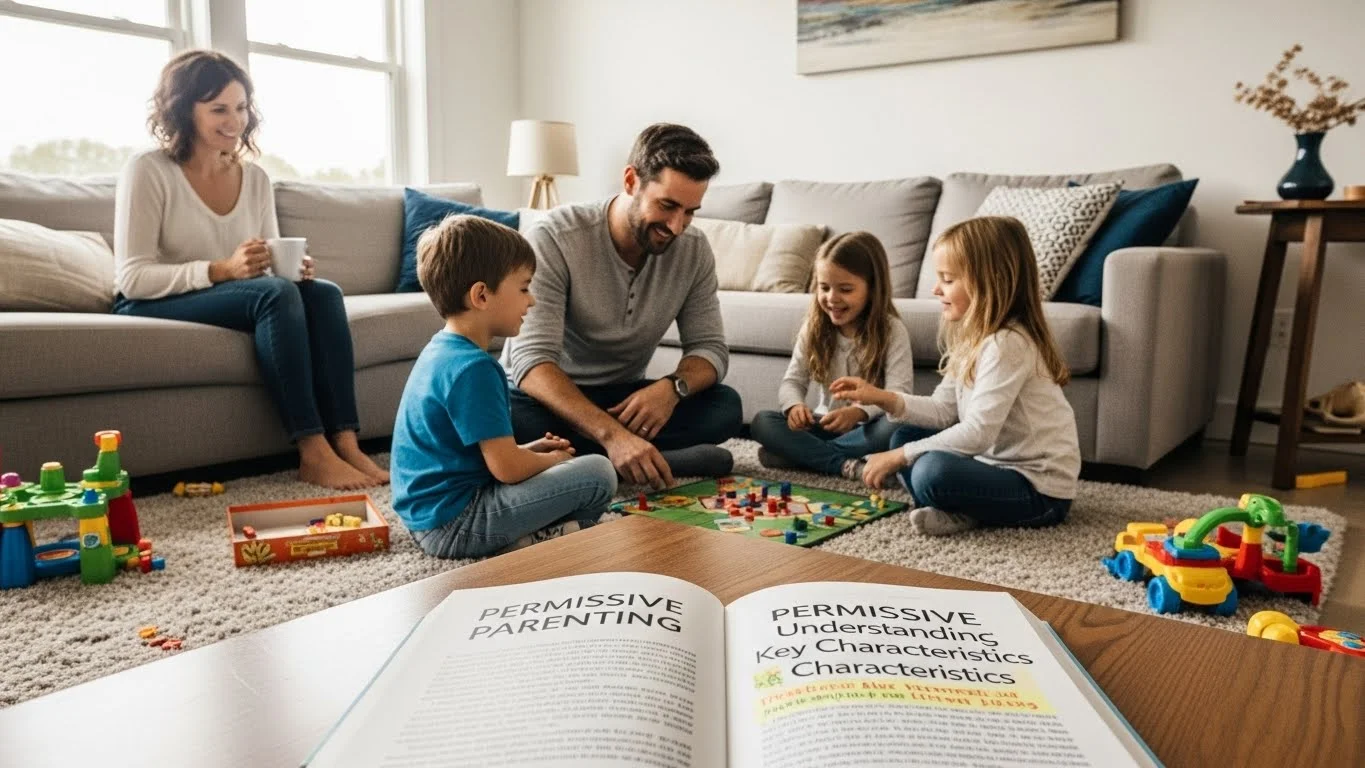
Permissive parenting is often characterized by a high level of warmth and affection, paired with a lenient approach to discipline. Parents who identify with this style tend to be nurturing and supportive but may struggle to enforce rules or limits. I remember hearing about permissive parenting for the first time and thinking, “Wow, that sounds like the ultimate way to raise kids.” It seemed so relaxed and carefree, but as I learned more, I realized there’s a lot more complexity to it. These parents want their children to feel free and unencumbered, which can lead to a unique relationship dynamic.
Historical Context of Permissive Parenting
The concept of permissive parenting didn’t just pop up overnight. In fact, it has roots in the broader context of parenting philosophies that have evolved over the last century. During the 1960s and 1970s, there was a cultural shift towards valuing individual freedom and self-expression. As a result, many parents began to adopt a more permissive approach, believing that children should explore their own interests and learn from their experiences. I think it’s fascinating how historical events and societal changes influence how we raise our children. I noticed that as these ideas gained traction, the balance between structure and freedom in parenting became a hot topic. This shift was both liberating and, at times, confusing for many families.
Key Characteristics of Permissive Parenting
High Responsiveness and Low Demandingness
One of the most prominent features of permissive parenting is high responsiveness. This means that these parents are very attuned to their children’s emotional needs. They are quick to offer support and validation, which can create a warm and loving environment. I’ve seen this in action; children raised in such environments often feel comfortable sharing their thoughts and feelings. However, the low demandingness aspect means there are fewer expectations for behavior. While this can bolster self-esteem, it can also lead to chaos when kids test boundaries. I remember a friend of mine who was raised this way; she thrived artistically but sometimes struggled with authority.
Emotional Support and Nurturing
Permissive parents are often incredibly nurturing. They prioritize emotional support above all else, aiming to create a safe space for their children. I’ve experienced how this can lead to strong, trusting relationships, where kids feel valued and understood. However, while nurturing is essential, it’s essential to find that balance. Too much emotional support without guidance can leave children feeling lost when facing challenges. I once tried to be the “cool” parent, but I quickly learned that my kids needed more than just cuddles; they needed direction, too.
Lack of Structure and Rules
One clear downside of permissive parenting is the lack of structure. While freedom sounds appealing, it can lead to confusion for children who don’t know what to expect. I’ve seen this firsthand when kids don’t know what their limits are; they can push boundaries in ways that create stress for everyone involved. Without clear rules, decision-making can become overwhelming for them. I remember a family I knew where the kids often argued about what they could and couldn’t do because there were no firm guidelines. It’s essential to find a happy medium where children feel free but also know what’s expected of them.
Open Communication and Freedom of Choice
Open communication is a hallmark of permissive parenting. These parents often encourage their children to express themselves, fostering a sense of autonomy and independence. I’ve experienced how powerful it can be to allow children to have a say in family decisions. It can really boost their confidence and sense of responsibility. However, giving too much freedom can be a double-edged sword. I’ve noticed that while it helps children become assertive, it can also lead to difficulties in following guidelines. It’s a delicate balance, and I’ve found that encouraging choice while still maintaining some structure can be the key to a harmonious family dynamic. Read Interesting article: Breaking Free: Shifting from Authoritarian to Permissive Parenting
Comparing Parenting Styles
Permissive vs. Authoritative Parenting
When I think about the differences between permissive and authoritative parenting, I notice that the latter strikes a balance between warmth and structure. Authoritative parents are responsive and nurturing, much like permissive parents, but they also set clear expectations and rules. I’ve seen how this approach can help children feel secure. For example, I have a friend who parents authoritatively, and her kids thrive. They know that while they can express themselves freely, there are certain behaviors that simply won’t fly. This mix of support and discipline helps kids understand the importance of boundaries while still feeling loved and valued.
Permissive vs. Authoritarian Parenting
On the other side of the spectrum is authoritarian parenting, which is more rigid and demanding. These parents enforce strict rules and expect obedience without much room for discussion. I remember a family I knew where the parents were quite authoritarian; the kids were often afraid to voice their opinions. In contrast, permissive parenting allows for open dialogue and encourages children to explore their feelings. While authoritarian parents may believe they are instilling discipline, I’ve seen how it can lead to rebellion and resentment in children. It makes me wonder if perhaps a little flexibility could lead to healthier relationships.
Permissive vs. Uninvolved Parenting
Uninvolved parenting, sometimes referred to as neglectful, is quite different from permissive parenting. While permissive parents are warm and affectionate, uninvolved parents are often emotionally detached and provide little guidance or support. I’ve encountered kids from uninvolved households who lacked direction and emotional security. In my opinion, permissive parenting may lack structure, but it offers love and engagement that uninvolved parenting does not. It’s a reminder that while there may be challenges with permissive parenting, it’s crucial to stay connected with our children and foster their emotional well-being.
Effects of Permissive Parenting on Children
Behavioral Outcomes
The behavioral outcomes of permissive parenting can be quite mixed. I’ve noticed that children raised in permissive environments may exhibit creativity and confidence, but they can also struggle with boundaries. I once had a neighbor whose kids were incredibly imaginative but often tested limits. They would push back against authority figures, which sometimes led to challenging interactions at school. I’ve learned that while nurturing creativity is important, it’s equally crucial to help children understand appropriate behavior in various situations.
Academic Performance
When it comes to academic performance, the effects of permissive parenting can also vary. Some studies suggest that children in permissive households may struggle with self-discipline and time management. I’ve seen this in my own life; when my kids had too much freedom in their studies, they often missed deadlines. However, I’ve also observed that children with strong emotional support can excel academically as they feel more confident in expressing their challenges. It’s a fine line—too much leniency can lead to academic difficulties, while the right amount of support can encourage a love for learning.
Social Relationships
Socially, children raised with permissive parenting may have a unique dynamic with their peers. I’ve noticed that they often become friendly and approachable, thanks to the open communication style modeled by their parents. However, without the experience of facing boundaries, some may struggle with conflicts or misunderstandings with friends. I recall a situation where my child had a friend who was raised permissively and had a hard time dealing with losing a game. It was an eye-opener for me, realizing how important it is for kids to learn resilience and coping skills in social settings.
Emotional Development
Emotionally, permissive parenting can lead to both strengths and weaknesses. I’ve seen kids thrive in environments where they are encouraged to express their feelings openly. They tend to develop strong emotional intelligence and empathy. However, I’ve also found that without guidance, they may struggle to regulate their emotions effectively. A relative of mine exemplified this when her child would have meltdowns over minor setbacks. It really made me reflect on the importance of teaching emotional regulation alongside emotional support. Balancing warmth with the tools to handle emotions is vital for healthy emotional development.
Common Misconceptions about Permissive Parenting
Permissive Parenting Equals Indulgence
One of the biggest misconceptions I’ve encountered about permissive parenting is the idea that it simply means indulging children in whatever they want. While it’s true that permissive parents often provide a lot of freedom, it’s important to realize that this doesn’t equate to spoiling the child. I remember a time when a friend of mine said, “Oh, your kids can do anything they want!” I felt a bit defensive because, while they do have certain freedoms, I also prioritize their emotional needs and support their interests. Permissive parents may have a hands-off approach to rules, but it comes from a place of love and the desire for their children to explore and learn rather than simply getting their way all the time.
Permissive Parenting is the Same as Lazy Parenting
Another common belief is that permissive parenting reflects a lack of effort or commitment. I can totally understand why people might think this since permissive parents often avoid strict rules and discipline. However, I’ve found that it takes an immense amount of emotional labor to be a permissive parent. It’s not just about letting go; it’s also about being present and engaged emotionally. I’ve spent countless evenings talking with my kids about their feelings or helping them process their experiences. This requires a level of dedication that may not be immediately visible but is incredibly important for their growth.
All Children Thrive Under Permissive Parenting
People often assume that every child will flourish in a permissive environment. However, from my experience, this isn’t the case for everyone. Some kids thrive with more structure and clear boundaries. I’ve seen children who need guidance and firm rules to feel secure. It’s essential to recognize that every child is unique, and what works for one might not work for another. I’ve come to understand that being adaptive as a parent is crucial. While I appreciate the benefits of permissive parenting in nurturing creativity and expression, I also acknowledge that some of my kids need more direction than I initially thought. Read Interesting article: Transitioning to Permissive Parenting: A Guide for Parents
When Permissive Parenting Can Be Beneficial
In Creative and Expressive Development
One area where permissive parenting can shine is in fostering creativity and self-expression. I’ve noticed that children raised in permissive environments often have the freedom to explore their interests without the fear of making mistakes. For instance, my daughter loves painting and has thrived in an environment where I encourage her to experiment with colors and styles. She feels free to express herself artistically, and I believe this has helped her develop a unique style that’s all her own. By allowing her this freedom, I’ve seen her grow not only as an artist but also as a confident individual who isn’t afraid to share her work with others.
In Fostering Independence and Self-Confidence
Permissive parenting can also promote independence and self-confidence in children. I’ve found that giving my kids choices, whether it’s about their clothing or their weekend plans, has empowered them to make decisions. I remember a time when my son wanted to choose his own extracurricular activities. I hesitated at first, worried he might pick something too advanced for him, but I decided to give him the freedom to explore. He ended up joining a robotics club and absolutely loved it! This independence not only boosted his self-esteem but also made him more responsible in managing his commitments. I realized that allowing children to make decisions helps them develop a sense of ownership over their lives.
Challenges of Permissive Parenting
Establishing Boundaries and Limits
One of the primary challenges I’ve faced as a permissive parent is establishing boundaries and limits. It’s easy to get caught up in the desire to be the “fun” parent, but I’ve learned that boundaries are crucial for a child’s development. At times, my kids would push back against even the most basic limits I tried to set, and it often led to tense moments in our household. For instance, I once let my daughter stay up late to watch a movie, and it turned into a battle when I tried to enforce a bedtime the next night. I realized that while freedom is important, I also needed to find ways to communicate the value of limits without stifling their sense of autonomy.
Dealing with Disrespect and Entitlement
Another challenge is navigating issues of disrespect and entitlement. I’ve seen that some children raised in permissive environments can sometimes develop a sense of entitlement, believing that they can do whatever they want without consequences. I recall a situation where my son spoke disrespectfully to a teacher, which shocked me. It opened my eyes to the fact that while I want them to feel free to express themselves, I also need to teach them respect for others. It’s a balancing act that requires constant attention and adjustment, and I often find myself reflecting on the lessons I want to impart to my children.
Managing Conflicts and Discipline Issues
Lastly, managing conflicts and discipline issues can be particularly challenging in permissive parenting. I’ve experienced moments where I struggled with how to address misbehavior effectively. The lack of strict rules can sometimes leave children uncertain about what is acceptable behavior. I remember a time when my kids had a disagreement over a toy, and instead of resolving it calmly, it escalated into a shouting match. It made me realize that I had to step in and guide them through conflict resolution rather than just allowing them to figure it out on their own. I’ve learned that while I may want to foster independence, I also need to be proactive in teaching them how to handle disagreements maturely.
Strategies for Effective Permissive Parenting
Balancing Freedom with Guidance
Finding the right balance between allowing freedom and providing guidance has been a learning curve for me as a permissive parent. I’ve discovered that it’s essential to let kids explore their interests while still offering direction. For instance, when my kids express a desire to try something new—like a sport or music class—I encourage them to go for it but also help them set realistic goals. This way, they feel autonomous, but they also understand the importance of commitment and follow-through. I remember when my daughter wanted to join a dance class; I let her choose the style and the schedule, but we also set a routine for practice at home. This combination of freedom and guidance has empowered her to take ownership of her passions while learning responsibility.
Setting Reasonable Boundaries
While permissive parenting often lacks strict rules, I’ve learned that setting reasonable boundaries is vital. This doesn’t mean I have to be authoritarian; rather, I focus on creating guidelines that promote safety and respect. One technique that’s worked for me is establishing family agreements where we discuss and mutually agree on certain expectations. For example, we’ve talked about screen time limits and curfews together, which helps my children feel included in the decision-making process. One evening, we sat down and created a “family values” poster that outlined our expectations. It gave my kids a sense of ownership and responsibility for their actions while still allowing them breathing room to express themselves.
Encouraging Accountability
Encouraging accountability has been another key strategy in my permissive parenting journey. I’ve found that when my children make choices, they need to understand the consequences that come with those choices. For example, if they forget their homework or don’t complete a chore, I gently remind them of the importance of responsibility. I used to jump in and rescue them when they faced the consequences of their actions, but I realized that letting them experience those moments helps them learn. I remember once when my son forgot to pack his lunch—he faced the embarrassment of having to ask a friend for a snack. It was tough to watch, but he learned to be more mindful about his responsibilities after that day.
Maintaining Open Lines of Communication
Open lines of communication are crucial in permissive parenting. I strive to create an environment where my kids feel comfortable sharing their thoughts and feelings. Regular family meetings have become a staple in our home, allowing everyone to voice concerns, celebrate achievements, and discuss any issues. I’ve noticed that when my children feel heard, they are more likely to respect the boundaries we’ve set together. I can recall a time when my daughter was upset about a friend at school. Instead of brushing it off, I made sure to sit down and listen to her feelings. This simple act of listening not only helped her feel validated but also opened up a dialogue about friendships and conflicts. I believe fostering this open communication helps build a strong trust between us.
Final Thoughts
Understanding permissive parenting has been a journey filled with learning and growth. I’ve discovered that while this approach can foster creativity, independence, and emotional connection, it also presents its own set of challenges. Finding the right balance between freedom and guidance, establishing reasonable boundaries, encouraging accountability, and maintaining open communication have become essential strategies for me. Ultimately, every family is unique, and what works for one may not work for another. I encourage all parents to reflect on their own parenting styles, adapt to their children’s needs, and forge their path. Embracing the nuances of permissive parenting can lead to a loving, supportive environment where children thrive.
Frequently Asked Questions
“`htmlWhat is permissive parenting?
Permissive parenting is characterized by a high level of warmth and affection, paired with a lenient approach to discipline. Parents who adopt this style tend to be nurturing and supportive but may struggle to enforce rules or limits.
What are the key characteristics of permissive parenting?
The key characteristics of permissive parenting include high responsiveness and low demandingness, a focus on emotional support and nurturing, a lack of structure and rules, and open communication that fosters freedom of choice.
How does permissive parenting differ from authoritative parenting?
Permissive parenting focuses on warmth and emotional support but lacks strict rules, while authoritative parenting strikes a balance between warmth and structure, setting clear expectations and rules for behavior.
What are the potential behavioral outcomes of permissive parenting?
Children raised in permissive environments may exhibit creativity and confidence but can struggle with boundaries and authority. They might push back against limits, leading to challenges in social and academic settings.
Can permissive parenting affect academic performance?
Yes, children in permissive households may struggle with self-discipline and time management, potentially leading to academic difficulties. However, strong emotional support can also help them excel academically.
What are some common misconceptions about permissive parenting?
Common misconceptions include the belief that permissive parenting equals indulgence, that it reflects a lack of effort or commitment, and that all children thrive under this parenting style.
In what ways can permissive parenting be beneficial?
Permissive parenting can be beneficial in fostering creativity and self-expression, as well as promoting independence and self-confidence in children by allowing them to make choices and explore their interests.
What challenges do permissive parents commonly face?
Permissive parents often struggle with establishing boundaries and limits, dealing with issues of disrespect and entitlement, and managing conflicts and discipline issues without strict rules.
What strategies can help in effective permissive parenting?
Effective strategies for permissive parenting include balancing freedom with guidance, setting reasonable boundaries, encouraging accountability, and maintaining open lines of communication with children.
How can permissive parenting impact a child’s emotional development?
Permissive parenting can lead to strengths such as strong emotional intelligence and empathy, but it may also result in difficulties with emotional regulation if children do not receive adequate guidance alongside emotional support.
“`