
Backpacking with toddlers can be a thrilling adventure, filled with ups and downs. Understanding their emotions can make the journey smoother and more enjoyable for everyone involved. Unlocking Toddler Emotions: A Backpacker’s Guide to Understanding offers valuable insights into this topic.
Understanding Toddler Emotions During Travel
Traveling with toddlers opens a window into a whole new world of emotions. As a parent, I’ve learned that recognizing and understanding these feelings is essential. Kids are little bundles of energy and emotions, and when we embark on trips, we can expect a rollercoaster of ups and downs. For each giggle and smile, there’s likely a frown or a cry waiting around the corner. But I believe that by being aware of their emotional landscape, we can navigate the challenges of backpacking with our little explorers more effectively.
The Importance of Emotional Awareness in Toddlers
When I first started backpacking with my toddler, I didn’t realize the crucial role emotions play in their travel experience. Toddlers are still learning how to express and manage their feelings. Sometimes they can feel overwhelmed by new environments, strange sounds, and different routines. I’ve seen my child go from excitement to frustration in a matter of minutes. It made me realize that emotional awareness isn’t just beneficial—it’s vital. By tuning into their feelings, I could offer comfort and reassurance when needed. I found that acknowledging their emotions helped them feel heard and understood, which reduced tantrums and meltdowns significantly. Travel Tips: Navigating Your Toddler’s Emotional Journey can provide further guidance.
Common Emotional Challenges Faced by Toddlers While Backpacking
Traveling can bring about various emotional challenges for toddlers. I’ve noticed that my child often experiences anxiety in unfamiliar places. The first time we set up camp, my little one was apprehensive about sleeping in a tent. I learned that these feelings are completely normal. Here are some common emotional challenges that many toddlers face while backpacking:
- Separation Anxiety: Being away from home can trigger feelings of insecurity. I remember when my child woke up in the middle of the night, crying because everything felt strange.
- Overstimulation: New sights and sounds can be thrilling yet overwhelming. Sometimes, after a long day of exploring, my toddler would become cranky and irritable, needing a break from the excitement.
- Frustration: As toddlers are still developing their coping skills, they may feel frustrated when things don’t go their way. For example, my child often had a specific idea of what they wanted to do, and if it didn’t happen, it could lead to tears.
- Fatigue: Backpacking can be tiring, especially for little legs. I’ve had moments when my child simply needed to rest but was too caught up in the fun to realize it. This often resulted in emotional outbursts, which I had to navigate with patience.
Understanding these challenges helped me prepare for the journey ahead. I learned that expecting some emotional turbulence along the way is part of the adventure. It also reinforced the importance of creating a supportive environment where my child felt safe to express their feelings.
Preparing for the Trip: Setting the Right Expectations
Before heading out on our backpacking adventures, I discovered that setting the right expectations was key to a smooth trip. This meant not only preparing myself but also involving my toddler in the planning process. It was amazing to see how including them made a difference in their emotional readiness.
Choosing the Right Destination for Toddler-Friendly Backpacking
Choosing the right destination can set the tone for our entire trip. I learned that places with toddler-friendly trails, amenities, and activities can make all the difference. Some of my favorite spots have been areas with lots of nature and gentle hikes, where my child could explore at their own pace without feeling rushed. When we headed to a beach destination, the familiarity of sand and water made my toddler feel at ease, allowing us to enjoy our time together. I encourage parents to consider not just the beauty of a location but how suitable it is for young children.
Involving Toddlers in Trip Planning
I’ve found that involving my toddler in trip planning has been a game-changer. When we talk about where we are going and what we will do, it gives them a sense of control and excitement. I often let them choose between a couple of destinations or activities, and that helps them feel invested in the journey. I remember the time we planned a hike to a waterfall; my child was so excited to see it after picking it out. This involvement fosters anticipation and can help ease any anxiety they may have about traveling.
Discussing the Journey: What to Expect
Talking about what to expect has been another effective strategy for me. I like to discuss the journey beforehand, explaining the different aspects of our trip, from the car ride to the hiking itself. By sharing what they might see and feel, I help set realistic expectations. I noticed that when my toddler was prepared for what was coming, they were less likely to feel overwhelmed or surprised by the changes. Using visuals like pictures or maps can also help them visualize the adventure ahead, making it feel more tangible and less intimidating.
Packing Essentials for Emotional Comfort
Packing for a trip with toddlers is quite an art, and I’ve learned that including items for emotional comfort can make a huge difference in our overall experience. When we travel, it’s essential to keep our little ones feeling secure and happy. I’ve found that being intentional about what we pack can help minimize emotional challenges during our adventures.
Comfort Items to Bring Along
One of the best tips I received was to bring along comfort items that remind my child of home. For my little one, this often meant a favorite stuffed animal or a special blanket. I remember the first time we went camping, and I forgot to pack their beloved bunny. The moment we set up camp and my toddler realized it was missing, I could see the worry in their eyes. I quickly learned that having these familiar items is crucial for emotional security. They provide a sense of comfort in the face of new experiences and can really help them feel safe. I also recommend packing a small pillow or something cozy that they can snuggle with during car rides or at night. These little comforts can go a long way in keeping their spirits up.
Snacks and Nutrition for Mood Stability
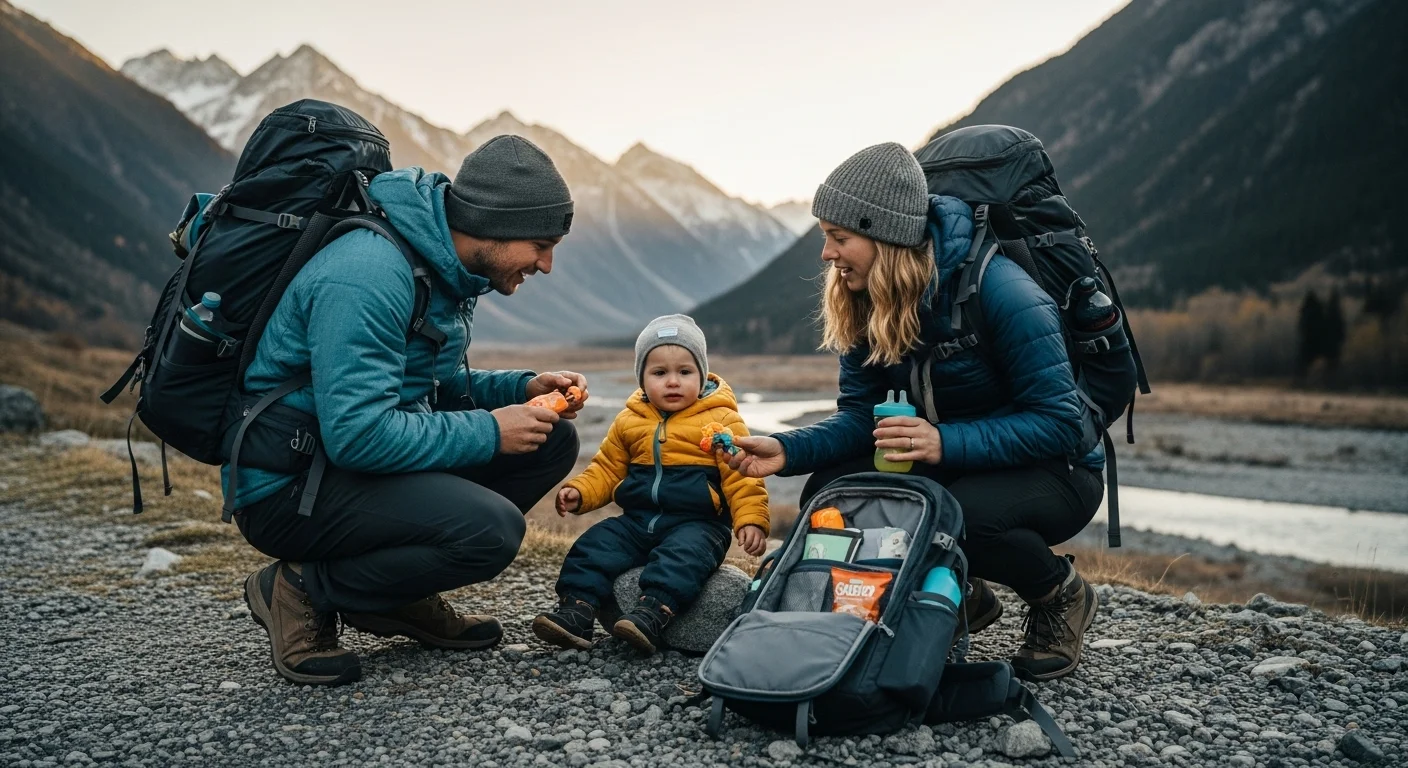
Food and mood are closely connected, especially for toddlers. I’ve noticed how a simple snack can brighten my child’s day. Packing nutritious snacks that are easy to grab on the go has become part of my travel routine. I like to include items like fruit, nuts, or granola bars that are not only tasty but also provide lasting energy. I learned the hard way that sugary snacks can lead to a sugar crash, which often results in crankiness. So, keeping a balance is key. Before our trip, I often involve my child in choosing their favorite snacks, which gives them something to look forward to. Whenever we stop for a break, sharing these snacks together becomes a little ritual that adds joy to our journey.
Travel Toys and Activities for Engagement
Keeping my toddler engaged during long car rides or breaks is essential. I’ve experimented with different travel toys and activities to find what works best. Small, lightweight toys, coloring books, or a travel-sized game can keep them entertained and distracted during downtime. I remember one trip where we packed a small set of building blocks. It was amazing to watch my child build and create while we took a break at a scenic overlook. I also like to bring along some simple puzzles or even a tablet loaded with educational apps. However, I try to limit screen time to keep things balanced. Engaging in conversation or telling stories during the ride can also be a wonderful way to bond and keep the mood light. These activities not only provide entertainment but also stimulate their creativity and imagination. For more ideas, check out Engaging Play-Based Learning Games for Your Toddler.
Recognizing and Responding to Toddler Emotions
As I continue to journey with my toddler, I’ve learned the importance of recognizing and responding to their emotions in real-time. Being aware of their feelings and knowing how to address them has made our travels much smoother. I remember one instance when my child became visibly upset after a long hike. Watching their emotions unfold taught me how crucial it is to be attentive and responsive.
Understanding Signs of Stress and Anxiety
Every child is different, but I’ve noticed some common signs of stress and anxiety in my toddler that can manifest during travel. When my child starts to cling to me, become unusually quiet, or show signs of irritability, I know that something is bothering them. Recognizing these signs early has helped me respond appropriately. For instance, if I see my child becoming overwhelmed in a busy area, I’ll find a quiet spot to take a break. I’ve learned that sometimes, they just need a moment to recharge. Understanding these signs allows me to be proactive rather than reactive, which can turn a potential meltdown into a moment of comfort and reassurance.
Effective Communication Techniques with Toddlers
When it comes to communicating with my toddler, I’ve found that clear and simple language works best. I often kneel down to their level and maintain eye contact, which helps them feel seen and heard. I also try to validate their feelings, saying things like, “I can see you’re feeling upset. It’s okay to feel that way.” This approach encourages open dialogue and lets my child know that their emotions are valid. I’ve experienced how this simple acknowledgment can diffuse a situation and lead to more constructive conversations. Additionally, using playful language or incorporating their toys into our discussions can make communication more engaging for them.
Strategies for Calming an Upset Toddler
Even with the best planning, there are times when my toddler gets upset, and I’ve learned some effective strategies to help calm them down. One of my go-to methods is deep breathing. I often model it for my child by taking deep breaths together, counting to three as we inhale and exhale. This simple act helps ground both of us and creates a calming atmosphere. Another technique I use is distraction—sometimes, simply changing the focus can help my toddler shift their mood. I’ll point out something interesting in our surroundings, like a beautiful flower or a funny-looking rock. Engaging their curiosity often leads to smiles and laughter, breaking the cycle of upset feelings. I believe that having a few calming strategies in my back pocket makes me feel more prepared for whatever emotional bumps we might encounter on our travels.
Daily Routines to Support Emotional Well-Being
As I’ve gone on more trips with my toddler, I’ve found that maintaining a daily routine can significantly support their emotional well-being while we travel. I’ve learned that even though we’re away from home, sticking to certain routines makes my child feel more secure and less anxious. It’s all about finding that balance between adventure and the familiar.
Establishing Consistent Sleep Schedules
One of the first things I make sure to consider is my child’s sleep schedule. I learned early on that toddlers thrive on routine, and when their sleep is disrupted, it can lead to a cascade of emotional challenges. I try to stick to their bedtime as closely as possible, even when we’re camping or staying in a new place. I remember one trip where we stayed up later than usual because we were having so much fun around the campfire. The next day, my toddler was cranky and irritable, reminding me that sleep is non-negotiable for little ones. I’ve found that setting a calming bedtime routine, whether it’s reading a story or singing a lullaby, helps signal that it’s time to wind down, no matter the location.
Incorporating Playtime into the Itinerary
Another key aspect of supporting my toddler’s emotional needs is incorporating playtime into our travel itinerary. I’ve realized that while exploring new places is exciting, my child also needs opportunities to let off steam and engage in free play. When planning our days, I make sure to include breaks for unstructured play. I remember a day when we visited a beautiful national park, and halfway through, we found a lovely spot with a playground. Allowing my child to play freely was a game changer. It not only lifted their spirits but also provided them with a chance to burn energy, which made our afternoon hiking much more enjoyable. I recommend looking for parks, playgrounds, or open spaces where your toddler can run around and just be a kid.
Maintaining Familiarity with Daily Activities
In addition to keeping a consistent sleep schedule and incorporating playtime, I’ve found that maintaining some familiar daily activities can offer comfort during our travels. I often bring along a few items from home that can help replicate our everyday routines, like a favorite book for reading time or a small set of art supplies for creativity. I remember one trip where we set up a small picnic at a scenic overlook. I brought along my child’s coloring book and crayons. Taking that time to sit down and draw together felt like a slice of home amid our adventures. These familiar activities can provide a sense of normalcy, allowing my child to feel grounded even when everything else is new and exciting.
Adapting to Change: Flexibility in Travel Plans
Traveling with a toddler often requires a level of flexibility that can be challenging. I’ve learned that while having a plan is essential, it’s equally important to be open to changes when necessary. Things don’t always go as planned, and that’s okay!
Recognizing When to Change Plans for Emotional Needs
There have been times when I’ve had to assess my toddler’s emotional state and realize that pushing forward with our itinerary wasn’t going to work. For example, after a long day of hiking, my child was visibly tired and cranky. I had planned a visit to a local museum, but it became clear that they needed rest instead. In that moment, I decided to change our plans and head back to our accommodation for a nap. I’ve learned that recognizing when to prioritize their emotional needs over our schedule can make all the difference. It’s okay to take a step back and adjust plans to ensure everyone remains happy.
Making Spontaneous Decisions: Pros and Cons
Being spontaneous can also be rewarding, but it comes with its own set of challenges. I’ve experienced those moments when a sudden idea pops into my head, like exploring a new trail or stopping at an unexpected attraction. While spontaneity can lead to beautiful discoveries, I’ve also seen it lead to stress if my toddler is not on board. I remember one occasion when we decided to take a detour to a petting zoo. My child was initially excited, but once we arrived, they became anxious and overwhelmed by the noise and crowds. This taught me that while spontaneity is fun, it’s essential to gauge my child’s mood and willingness, ensuring that these surprises add joy rather than stress to our adventure.
Creating Backup Plans for Upsetting Situations
No matter how well we plan, unexpected situations can arise that may upset our little ones. I’ve found that having backup plans can help ease the transition during these moments. For instance, if we arrive at a destination and my child is having a meltdown, it’s helpful to have a list of alternative activities or quiet spots nearby where we can regroup. I remember one day when my child became upset due to a sudden rainstorm ruining our picnic plans. Instead of forcing the issue, we found a nearby café with a cozy atmosphere where we could enjoy hot chocolate and relax. This simple change of scenery transformed the day and helped my child feel better. It’s all about being prepared with options that can shift the focus and help us navigate any emotional bumps along the way.
Frequently Asked Questions
What are the common emotional challenges toddlers face while backpacking?
Some common emotional challenges include separation anxiety, overstimulation, frustration, and fatigue. These can manifest as feelings of insecurity, crankiness, or emotional outbursts during the trip.
How can parents prepare toddlers emotionally for a backpacking trip?
Parents can prepare toddlers by setting the right expectations, involving them in trip planning, discussing what to expect during the journey, and preparing for emotional challenges in advance.
Why is emotional awareness important when traveling with toddlers?
Emotional awareness is vital because it helps parents recognize and respond to their child’s feelings, which can reduce tantrums and meltdowns, making the travel experience smoother for everyone.
What should parents pack for emotional comfort during a trip?
Parents should pack comfort items like a favorite stuffed animal or blanket, as well as nutritious snacks that help maintain mood stability and travel toys to keep toddlers engaged.
What strategies can help calm an upset toddler while traveling?
Effective strategies include deep breathing exercises, distraction techniques, and engaging the toddler’s curiosity by pointing out interesting surroundings to shift their mood.
How can a daily routine support a toddler’s emotional well-being during travel?
Maintaining a daily routine, such as consistent sleep schedules and familiar daily activities, provides a sense of security and comfort, helping to reduce anxiety and emotional challenges.
What role does flexibility play in traveling with toddlers?
Flexibility is essential because plans may need to change based on the toddler’s emotional state. Recognizing when to adjust plans can help prioritize their needs and ensure a more enjoyable trip.
How can involving toddlers in trip planning benefit their emotional readiness?
Involving toddlers in trip planning gives them a sense of control and excitement, which can foster anticipation and help ease any anxiety they may have about traveling.
What are some signs of stress and anxiety in toddlers during travel?
Common signs include clinginess, unusual quietness, and irritability. Recognizing these signs allows parents to respond appropriately to their child’s emotional needs.
What should parents do if a planned activity is upsetting their toddler?
If a planned activity is upsetting, parents should be ready to change their plans, prioritize their child’s emotional needs, and consider alternative activities or quiet spots to regroup and relax.