
Uninvolved parenting can often fly under the radar, causing lasting impacts on children and families. It’s essential to shine a light on this parenting style, understand its characteristics, and explore its effects. Uninvolved Parenting: The Hidden Impact on Child Development is a great resource for further insights.
What is Uninvolved Parenting?
Definition and Characteristics
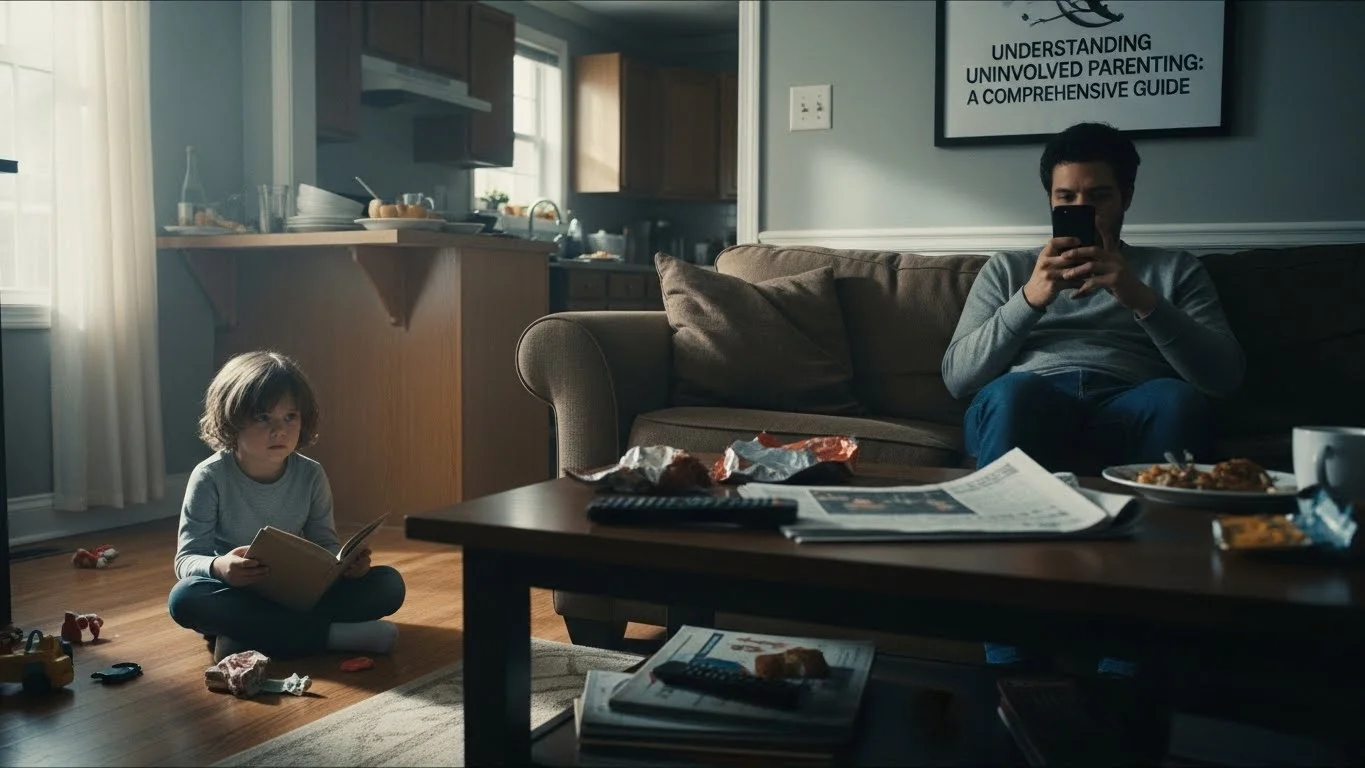
Uninvolved parenting, often referred to as neglectful parenting, is characterized by a lack of responsiveness to a child’s needs. When I first learned about uninvolved parenting, I was surprised by how common it can be, often resulting from stress, lack of knowledge, or personal issues. Parents who fall into this category typically provide minimal emotional support and supervision. They may not actively engage in their child’s life or set boundaries, which can leave children feeling isolated and unsure of their place within the family unit.
I remember reading about a few key characteristics that define uninvolved parenting. The first is emotional detachment, where parents are physically present but emotionally absent. This can make a child feel like they’re living in a house with a stranger rather than a nurturing parent. I also found that uninvolved parents may provide basic needs—like food and shelter—but often fail to offer warmth, affection, or guidance. They might not attend school events or engage in conversations about their child’s day, which can leave kids longing for connection.
Comparison with Other Parenting Styles
Understanding uninvolved parenting can be easier when comparing it to other parenting styles, such as authoritative, authoritarian, and permissive parenting. I think about the authoritative style, where parents are responsive and set clear expectations. This contrasts sharply with uninvolved parenting, where expectations are often nonexistent, and the emotional connection is weak. Authoritarian parents, on the other hand, tend to be strict and controlling, while permissive parents are warm but lack the boundaries. It’s interesting to see how uninvolved parenting sits at the opposite end of the spectrum, lacking both involvement and structure. For a deeper look into permissive parenting, check out Understanding Permissive Parenting: Myths vs. Reality.
In my experience, many people don’t realize how detrimental uninvolved parenting can be. I’ve seen friends struggle in their relationships due to an absence of support and affection in their childhoods. This lack of nurturing can have profound effects that echo through their adult lives, affecting their self-esteem and ability to form healthy relationships.
Signs of Uninvolved Parenting
Emotional Detachment
One of the most noticeable signs of uninvolved parenting is emotional detachment. I remember hearing stories from friends who felt like their parents were more like roommates than caregivers. They described their childhoods as lonely, where conversations were few and far between. This emotional distance can lead to a lack of trust and affection, leaving children feeling unworthy of love and attention.
Lack of Supervision
Another sign is a lack of supervision. Children raised in uninvolved households may roam freely without guidance, which can lead to risky behaviors. I once met someone who shared how he was often left to fend for himself after school, which resulted in a series of poor choices. This freedom can feel liberating at first, but without parental direction, children might not learn about safety or responsibility.
Minimal Communication
Communication is also a significant indicator. In my observations, uninvolved parents may rarely engage in meaningful conversations with their children, leading to misunderstandings and emotional gaps. I’ve spoken with individuals who wished they could talk to their parents about their feelings but felt that their parents wouldn’t listen or care. This lack of dialogue can affect children’s ability to express themselves and build relationships outside of the family.
Causes of Uninvolved Parenting
Parental Stress and Mental Health Issues
Several factors contribute to uninvolved parenting, one being parental stress and mental health issues. I’ve seen friends struggle with anxiety or depression, which made it incredibly challenging for them to engage with their children. Their mental state often influences their parenting, leading them to withdraw and neglect their kids’ emotional needs.
Socioeconomic Factors
Socioeconomic factors also play a huge role. Families living in poverty may struggle to provide basic needs, let alone engage emotionally with their children. I remember volunteering at a local community center where many kids came from such backgrounds. They often described feeling invisible at home, as their parents worked multiple jobs just to make ends meet. It’s heartbreaking to see how financial stress can lead to a cycle of uninvolved parenting.
Family History and Background
Family history can heavily influence parenting styles too. I know from personal experience that some parents repeat the patterns they were raised with. If they grew up in an uninvolved environment, they might unconsciously replicate that behavior with their children. Breaking this cycle is essential, but it takes awareness and effort. I’ve met individuals who became more mindful of their parenting after recognizing the patterns from their own childhoods.
Effects of Uninvolved Parenting on Children
Emotional and Psychological Impact
The effects of uninvolved parenting can be profound and far-reaching. I’ve noticed that children raised in this environment often struggle with their emotional well-being. They can feel a deep sense of neglect, leading to low self-esteem and feelings of unworthiness. I remember speaking to someone who shared how their childhood absence of emotional support made them feel invisible. This feeling can manifest into anxiety and depression later in life, as they search for validation and affection in unhealthy ways. It’s heartbreaking to think about how a lack of involvement can shape someone’s self-image and outlook on life.
Moreover, these feelings can carry into adulthood. I’ve seen friends who experienced uninvolved parenting often grapple with trust issues and fear of abandonment in their relationships. They sometimes build walls around their emotions, making it hard to form connections with others. It’s as if they’re stuck in a cycle of seeking love while simultaneously pushing it away. The emotional scars can linger, affecting their ability to create fulfilling relationships.
Academic Performance
Another impact I’ve observed is on academic performance. Children who grow up without adequate parental involvement often struggle at school. I remember a classmate who was exceptionally bright but lacked the necessary support at home. She would come to school hungry and tired, with no one to help her with her homework or encourage her studies. As a result, she fell behind in her classes and lost motivation. It’s frustrating, as I know how much potential she had if only someone had been there to guide her.
Research shows that these children may have lower grades and graduation rates. Without parental engagement, they miss out on the encouragement that can make a significant difference in their educational journey. They often feel isolated, which can lead to disengagement from school altogether. This cycle can perpetuate a sense of hopelessness, making it harder for them to envision a bright future.
Social Skills and Relationships
Social skills are another area where the effects of uninvolved parenting can be seen. I’ve noticed that children raised in these environments may struggle to develop healthy relationships with peers. They can have difficulty understanding social cues and may find it hard to connect with others emotionally. I remember a friend who had a tough time making friends because he simply didn’t know how to express himself. He often felt awkward in social situations, which only made his isolation feel more pronounced.
This disconnect can lead to loneliness and a sense of alienation. I’ve also seen how some children, lacking the guidance to navigate friendships, may gravitate towards unhealthy relationships or become targets of bullying. This can create a vicious cycle, where their low self-esteem further isolates them, leading to more negative interactions. It’s painful to witness, especially knowing that a bit of parental involvement could have changed the trajectory of their social development.
How to Identify Uninvolved Parenting in Yourself or Others
Self-Reflection Questions for Parents
Recognizing uninvolved parenting in ourselves can be challenging but is crucial for growth. I’ve found that asking myself certain questions can help shed light on my parenting style. For instance, I reflect on whether I regularly engage with my child about their day or feelings. Do I create opportunities for open conversations, or do I often dismiss their questions or concerns? I also ask myself if I’m providing enough emotional support, showing warmth, and being present in their lives.
Another aspect to consider is whether I set clear boundaries and expectations. I remember a time when I was so overwhelmed that I let things slide, which only led to confusion for my kids. Being honest about my feelings and experiences has made a significant difference in recognizing areas where I can improve.
Observing Behavioral Patterns in Children
Observing children’s behavior can also provide insight into uninvolved parenting. I’ve noticed that children who seem withdrawn or have trouble expressing their emotions may be indicating a lack of engagement at home. If a child frequently appears disengaged or struggles with social interactions, it might be worth reflecting on the parenting dynamics at play. For me, seeing a child who avoids eye contact or rarely initiates conversation raised red flags about their home life.
I believe that paying attention to how children react in social settings can be revealing. If they shy away from making friends or seem anxious in group situations, it could hint at deeper emotional issues stemming from their upbringing. These observations can guide us in understanding the need for change—whether in our own parenting or in supporting those around us.
Strategies to Address Uninvolved Parenting
Improving Communication with Children
One of the most effective ways to combat uninvolved parenting is by improving communication with our children. I’ve found that making a conscious effort to open up dialogue can create a more connected and supportive environment. For me, it started with simple changes—like asking my kids about their day at dinner or checking in with them at bedtime. These small conversations can lead to deeper discussions about their feelings, fears, or dreams.
I remember one evening when I decided to initiate a “feelings check-in” with my children. I set aside time for us to share something good and something challenging about our day. It was surprising to see how much they opened up! My youngest, who usually kept her thoughts to herself, shared that she felt left out at school. That moment was pivotal for us, as it not only strengthened our bond but also allowed me to provide support and comfort she desperately needed.
Additionally, I recommend using active listening techniques. This means really focusing on what our children are saying and responding thoughtfully. I’ve learned that when I show genuine interest and validate their feelings, it encourages them to express themselves more openly. Even something as simple as repeating back what they said or asking follow-up questions can make a big difference. It transforms conversations from a one-sided exchange to a meaningful dialogue.
Setting Boundaries and Expectations
Setting clear boundaries and expectations is another crucial strategy. I’ve noticed that children thrive when they know what is expected of them and feel secure within defined limits. I remember a time when I was overwhelmed with work, and I let my kids roam freely without any rules. This chaotic environment only led to confusion and frustration for all of us. Since then, I’ve made it a point to establish consistent routines and rules, which has helped create a sense of stability.
For instance, I started by creating a family calendar where we list out responsibilities, chores, and family activities. Not only does this keep everyone accountable, but it also fosters a sense of teamwork. I’ve seen my children take pride in their contributions, and it has sparked conversations about their roles and responsibilities within our family unit.
When setting boundaries, it’s essential to involve children in the discussion. I’ve found that when I explain the ‘why’ behind the rules and allow them to voice their opinions, they are more likely to respect and adhere to the guidelines. It not only empowers them but also strengthens our relationship. They begin to understand that boundaries aren’t just limits; they are a form of care and guidance.
Seeking Professional Help
Sometimes, the issues surrounding uninvolved parenting can be deeply rooted and complex. In those cases, seeking professional help can be a game-changer. I’ve seen the positive effects of therapy, counseling, or parenting workshops for families needing additional support. It’s important to remember that asking for help is a sign of strength, not weakness.
Therapists can provide tools and strategies to navigate the challenges of parenting. I once attended a workshop focused on improving parent-child relationships, and it opened my eyes to various techniques I hadn’t considered before. Learning about child development and effective communication strategies helped me become more engaged and present in my children’s lives.
Additionally, support groups can be incredibly beneficial. I joined a local parent support group where we exchanged experiences and advice. Sharing stories with others who faced similar challenges made me feel less alone and more empowered to improve my parenting. It’s amazing how just knowing that others understand what you’re going through can motivate change.
In my own journey, I found that professional help helped me break the cycle of uninvolvement in my parenting. With guidance, I learned to recognize my emotional triggers and how they affected my interactions with my kids. It was a transformative experience that I highly recommend for anyone struggling with similar issues.
Resources for Parents
Books on Parenting Styles
There are many excellent books available that delve into parenting styles, including uninvolved parenting. I’ve found reading insightful literature to be a great way to expand my knowledge and understand different approaches to parenting. One book that had a significant impact on me was “The Whole-Brain Child” by Daniel J. Siegel and Tina Payne Bryson. It offers practical strategies to nurture a child’s developing brain while fostering emotional connection.
Another great read is “Parenting with Love and Logic” by Charles Fay and Foster Cline. This book emphasizes the importance of encouraging independence while setting appropriate limits. Both books have provided me with valuable tools to engage more deeply with my children and create a nurturing environment.
Support Groups and Counseling Services
Finding local support groups and counseling services can also be beneficial for parents feeling overwhelmed. I remember how joining a group for parents of teens helped me connect with others who were experiencing similar challenges. We shared strategies, offered advice, and supported each other through difficult times. It’s comforting to know that we’re not alone in this journey.
Online Resources and Communities
Lastly, there are numerous online resources and communities that provide support and information. Websites like Parenting.com and the American Psychological Association have articles and forums where parents can gain insights and share experiences. I’ve found online communities on platforms like Facebook to be incredibly supportive as well. Engaging with others in these spaces has allowed me to gather new ideas and perspectives, which have helped me become a more involved parent.
Frequently Asked Questions
What is uninvolved parenting?
Uninvolved parenting, also known as neglectful parenting, is characterized by a lack of responsiveness to a child’s needs. It often results in minimal emotional support and supervision, leaving children feeling isolated and unsure of their place within the family unit.
What are the key characteristics of uninvolved parenting?
Key characteristics of uninvolved parenting include emotional detachment, where parents are physically present but emotionally absent, providing basic needs without warmth, affection, or guidance, and a lack of supervision and meaningful communication with children.
How does uninvolved parenting compare to other parenting styles?
Uninvolved parenting contrasts sharply with authoritative parenting, which is responsive and sets clear expectations. Unlike authoritarian parents who are strict, or permissive parents who are warm but lack boundaries, uninvolved parenting lacks both involvement and structure.
What are some signs of uninvolved parenting?
Signs of uninvolved parenting include emotional detachment, lack of supervision, and minimal communication. Children raised in such environments may feel lonely, lack guidance, and struggle to express their emotions.
What causes uninvolved parenting?
Causes of uninvolved parenting can include parental stress and mental health issues, socioeconomic factors affecting families’ ability to engage emotionally, and family history where parents repeat patterns from their own upbringing.
What are the effects of uninvolved parenting on children?
Effects of uninvolved parenting on children can include emotional and psychological impacts, such as low self-esteem and anxiety, poor academic performance due to lack of support, and difficulties in developing social skills and healthy relationships.
How can parents identify uninvolved parenting in themselves?
Parents can identify uninvolved parenting by self-reflecting on their engagement with their children, including whether they regularly communicate about their child’s day or feelings, provide emotional support, and set clear boundaries and expectations.
What strategies can help address uninvolved parenting?
Strategies to address uninvolved parenting include improving communication with children, setting clear boundaries and expectations, and seeking professional help through therapy or support groups to enhance parenting skills and engagement.
What resources are available for parents dealing with uninvolved parenting?
Resources for parents include books on parenting styles, such as “The Whole-Brain Child” and “Parenting with Love and Logic,” as well as local support groups, counseling services, and online resources and communities for shared experiences and insights.
How does uninvolved parenting impact children’s academic performance?
Children raised in uninvolved households often struggle academically due to a lack of parental support and guidance, leading to lower grades, graduation rates, and feelings of isolation that can contribute to disengagement from school.
What are the effects of uninvolved parenting on children’s behavior?
Understanding uninvolved parenting can help us recognize its effects on children’s behavior. For a comprehensive look, read Understanding Uninvolved Parenting: Effects on Kids’ Behavior.