
Uninvolved parenting can deeply impact a child’s development. Understanding its characteristics and consequences is crucial for fostering healthier family dynamics and nurturing children effectively. For a deeper exploration of this topic, consider reading Uninvolved Parenting: Effects on Your Child’s Future.
Defining Uninvolved Parenting
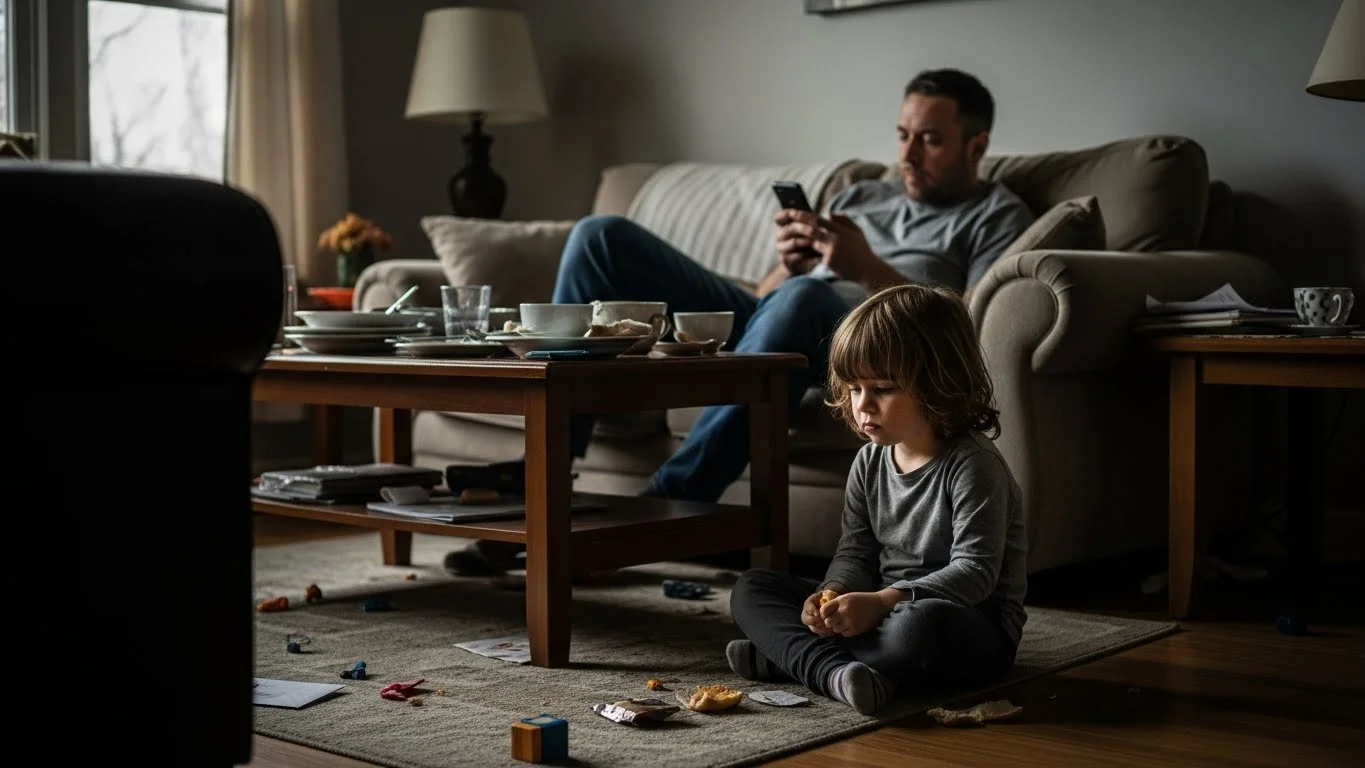
When I first stumbled upon the term “uninvolved parenting,” I was surprised by how many people resonated with it. It’s a style of parenting that’s often overlooked but can have lasting effects on children. Uninvolved parenting, also referred to as neglectful parenting, is characterized by a lack of responsiveness and emotional involvement from the parent. Instead of participating in their child’s life, these parents might be physically present but emotionally absent, leading to children feeling disconnected and unsupported.
Characteristics of Uninvolved Parenting
As I reflected on the characteristics of uninvolved parenting, I realized that it often manifests in various ways. Parents who fit this style typically exhibit low levels of warmth and nurturing, showing limited interest in their child’s activities and emotions. These parents may not enforce rules or provide consistent discipline, leaving children to navigate their environment with little guidance.
From what I’ve seen and learned, uninvolved parents often prioritize their own needs over their children’s, sometimes due to personal struggles or overwhelming life circumstances. This might look like a parent who works long hours and is too tired or stressed to engage meaningfully with their kids at home. I remember a friend sharing how her parents were always busy with their jobs, leaving her to figure things out on her own. While she managed to be independent, I could see the emotional toll it took on her.
Another hallmark of uninvolved parenting is a lack of communication. In my experience, families where uninvolved parenting exists often have little to no dialogue about feelings, achievements, or challenges. This absence of communication can make it difficult for children to express themselves, leading to feelings of isolation. For more on the effects of uninvolved parenting, check out How Uninvolved Parenting Shapes Child Development.
Comparative Analysis: Uninvolved vs. Other Parenting Styles
To understand uninvolved parenting better, I found it helpful to compare it with other parenting styles, like authoritative and authoritarian parenting. Authoritative parents are warm and responsive but also set clear boundaries and expectations. They actively engage with their children, encouraging independence while still providing support. This contrasts sharply with uninvolved parenting, where guidance and emotional connection are often missing.
On the other hand, authoritarian parents are strict and demand obedience, but they still engage with their children, albeit in a controlling manner. I’ve noticed that children raised by authoritative parents often feel more secure and valued compared to those with uninvolved parents, who may struggle with self-esteem and trust issues. In our conversations, we often reflect on the differences in how children from these various backgrounds approach life, relationships, and challenges.
Understanding these distinctions made me realize how vital a supportive environment is for a child’s growth. As I’ve observed, children thrive when they feel secure and loved, which is often absent in uninvolved parenting situations. By recognizing these characteristics and comparisons, we can start to see how critical it is to address the issues associated with uninvolved parenting.
Causes of Uninvolved Parenting
As I delved deeper into the topic, I found that many factors contribute to uninvolved parenting. It’s not always about a parent’s desire to neglect their child; often, circumstances play a significant role.
Socioeconomic Factors
One of the first things that caught my attention was how socioeconomic factors can heavily influence parenting styles. Parents struggling financially may find themselves overwhelmed by the demands of work and survival. I’ve spoken with many parents who work multiple jobs just to make ends meet, and in their exhaustion, they sometimes fail to provide the emotional support their children need. This economic pressure can lead to neglect, as the focus shifts to meeting basic needs rather than nurturing emotional connections.
Cultural Influences
Cultural influences also play a significant role in parenting styles. In some cultures, parents may prioritize independence over emotional engagement, leading to a more uninvolved approach. I remember hearing a story from a friend who grew up in a culture where children were expected to be self-sufficient from a young age. Although she learned resilience, she often felt abandoned emotionally. It’s interesting how differing cultural values can shape parenting dynamics.
Parental Mental Health and Stress
Another critical element is parental mental health. When parents struggle with their own mental health challenges, it can create a cycle of uninvolved parenting. I’ve had friends open up to me about their battles with depression and anxiety, and how it affected their ability to connect with their children. It’s heartbreaking to see how these struggles can lead to a lack of engagement, perpetuating a cycle of emotional distance.
Work-Life Balance Challenges
Lastly, I’ve noticed that modern work-life balance challenges contribute significantly to uninvolved parenting. With the rise of technology and the expectation to be constantly available, many parents find it hard to disconnect from work. I’ve often felt pulled in multiple directions, and it’s easy to see how some parents might prioritize work over family interactions, inadvertently leading to uninvolved parenting. The struggle to find balance can be overwhelming, and it’s crucial to acknowledge this reality.
As I continue to explore this topic, I’ve come to appreciate the importance of understanding the various causes of uninvolved parenting. By recognizing these influences, we can better support families in creating healthier environments for their children.
Consequences of Uninvolved Parenting on Children
Reflecting on the impact of uninvolved parenting, I realized how deeply it can affect a child’s overall development. The consequences are not just short-term; they can shape a child’s future in profound ways. From my observations and conversations with others, I’ve identified several key areas where uninvolved parenting can create lasting effects. For insights into these impacts, consider reading The Hidden Impacts of Uninvolved Parenting on Kids.
Emotional and Psychological Effects
One of the most significant consequences I’ve noticed is the emotional and psychological toll on children. Children raised in uninvolved environments often struggle with feelings of abandonment. They might grow up believing that they are unworthy of love and attention. I remember a friend sharing her experience of growing up with emotionally distant parents. She often felt invisible and unimportant, leading to struggles with self-esteem well into adulthood. I think these emotional scars can be hard to heal, as they shape how we view ourselves and our relationships with others.
Moreover, the lack of emotional support can lead to anxiety and depression. I’ve seen how children who grow up without the nurturing they need often find it challenging to manage their emotions. They may not learn how to express their feelings productively, which can result in unhealthy coping mechanisms later in life.
Academic Performance and Motivation
Academically, children from uninvolved homes often struggle to find motivation. Without parental involvement, there’s typically less encouragement to excel in school. I remember volunteering at a local after-school program and meeting children who had bright potential but seemed disengaged from their studies. When I asked about their home life, many mentioned that their parents didn’t check in on their homework or celebrate their achievements. It was heart-wrenching because I could see how easily these kids could thrive if only someone believed in them.
Research has shown that children who lack parental support often perform poorly academically. They may not develop a strong work ethic or the drive to pursue their goals, leading to a cycle of underachievement that can follow them into adulthood.
Social Skills and Peer Relationships
Socially, the consequences of uninvolved parenting can be equally damaging. Children may struggle to form healthy relationships with peers. I’ve observed that kids who lack parental guidance often don’t learn essential social skills like empathy, sharing, or conflict resolution. They might feel isolated, unsure of how to connect with others, or even develop a fear of social situations.
I remember a time when a friend described how she never felt comfortable making friends because her parents never taught her how to relate to others. She spent much of her childhood feeling lonely and left out, which, in turn, affected her ability to trust people as she grew older. It’s a painful reminder of how critical parental involvement is in developing social competence.
Long-term Effects into Adulthood
The long-term effects of uninvolved parenting can extend far beyond childhood. Adults who grew up with uninvolved parents often face challenges in their personal and professional lives. I once read about individuals who struggled with commitment in relationships, stemming from a lack of trust and emotional security during their formative years. It made me realize how essential it is to build those foundational skills and bonds early on.
Additionally, many of these adults may replicate the uninvolved parenting style with their own children, perpetuating the cycle. I’ve spoken with people who have vowed to break this cycle in their families, recognizing the importance of involvement and support. It’s a powerful journey of healing and growth, but it requires awareness and effort.
In my experience, the consequences of uninvolved parenting are profound and far-reaching. By understanding these impacts, we can better appreciate the importance of nurturing, engaged parenting. We have the ability to change the narrative for future generations, fostering emotional well-being, academic success, and healthy relationships.
Identifying Signs of Uninvolved Parenting
Recognizing uninvolved parenting can be challenging, especially since it often doesn’t present itself in overt ways. However, through my experiences and observations, I’ve noticed some signs that can help identify when a child may be experiencing this type of parenting. These indicators can serve as a wake-up call for parents, caregivers, and even educators who aim to foster more supportive environments.
Behavioral Indicators in Children
One of the first signs I’ve observed in children raised by uninvolved parents is a tendency to act out or withdraw. Some children might display behavioral issues at school or home, often as a cry for help. I remember volunteering at a local community center and interacting with a boy who was disruptive in class. After talking with him, I learned that his parents rarely spent time with him or acknowledged his achievements. It was heartbreaking to see how he felt the need to seek attention in any way possible, even if it meant acting out.
On the other hand, some children may become overly compliant or quiet, attempting to blend into the background. This was something I noticed with a girl in my neighborhood who rarely spoke up or asked for help, even when struggling. She had learned to fend for herself in the absence of parental guidance, which often left her feeling lost and unsupported. These behavioral cues can reveal a lot about a child’s home environment and emotional state.
Parental Engagement Levels
When I think about uninvolved parenting, I often reflect on the engagement levels of the parent. One clear sign is the lack of participation in a child’s life. This can manifest as not attending school events, not communicating with teachers, or failing to show interest in the child’s interests and activities. I remember a friend whose parents never attended any of her soccer games. She would play her heart out on the field, but the absence of her parents made her feel as if her efforts were unimportant. It’s a stark reminder of how parental presence—or the lack thereof—can influence a child’s self-worth.
Additionally, parents who are uninvolved may also miss important milestones or fail to provide guidance during critical life events. I’ve seen this play out in various ways, from parents forgetting to celebrate birthdays to not supporting their children during tough transitions like moving to a new school. These missed moments can lead children to feel disconnected and unvalued.
Communication Patterns
Another sign of uninvolved parenting can be found in the communication patterns between parents and children. I’ve noticed that uninvolved parents often engage in minimal dialogue with their children. Conversations might be limited to basic needs, like asking if they’ve eaten or if they have homework, but lack depth or emotional engagement. I remember a child I tutored who would often sit in silence while working on assignments, clearly struggling but never asking for help. When I probed further, I discovered that his parents rarely communicated about school or feelings, which had led him to believe that seeking help was unnecessary.
In some cases, the lack of communication also means that important topics—such as emotions, friendships, and challenges—are never discussed. Children raised in these environments might struggle to articulate their feelings or seek support when needed. I’ve seen how this can lead to a lack of emotional intelligence, making it difficult for them to navigate relationships and manage stress in healthy ways.
Identifying these signs is the first step toward creating a more involved parenting approach. By recognizing the behaviors and patterns associated with uninvolved parenting, we can open the door to conversations about support and engagement that can significantly improve a child’s experience and development.
Addressing Uninvolved Parenting: Solutions and Strategies
As I’ve come to understand the many layers of uninvolved parenting, I realized that addressing it requires practical solutions and strategies. It’s not just about pointing out the issues; it’s about finding ways to encourage positive change within families. From my experience and observations, there are several effective approaches that can help promote parental involvement and nurture healthier relationships between parents and children.
Encouraging Parental Involvement
One of the most effective strategies I’ve seen is to actively encourage parental involvement in various aspects of their children’s lives. This can begin with simple gestures, like inviting parents to participate in school events or community activities. I remember volunteering at a school where we organized family nights, and the turnout was heartwarming. Parents who usually stayed on the sidelines came out to engage with their kids, and the joy was evident on both sides. These small steps can foster a sense of community and support, making parents feel more connected and involved.
Moreover, I believe that open communication between parents and educators can create a bridge to better involvement. Regular check-ins and updates from teachers can remind parents of their children’s needs and successes, reinforcing the importance of their presence. From my own experience as a tutor, I found that when parents were informed and engaged, the children felt more supported and motivated to succeed academically.
Resources for Parents
Providing resources for parents is another crucial step in addressing uninvolved parenting. Many parents may not know where to start or how to engage more fully with their children. I’ve come across various workshops and online resources that offer guidance on effective parenting techniques, emotional engagement, and child development. For instance, parenting classes focused on communication skills can equip parents with tools to foster deeper connections with their children. I once attended a seminar that focused on emotional intelligence, and it opened my eyes to how parents can better understand and respond to their children’s feelings.
In addition, books and articles on parenting strategies can serve as valuable resources. I remember reading a book about nurturing emotional connections, and it not only helped me reflect on my relationships but also provided practical tips that I could share with friends who were parents. These resources can be life-changing for those feeling lost or overwhelmed in their parenting journey.
Support Systems and Community Programs
Building support systems within communities can also significantly impact uninvolved parenting. I’ve seen how local community programs can unite parents and caregivers, providing a network of support. For example, parenting groups or playdates offer parents a space to share experiences and learn from one another. I once joined a local parenting group, and it was refreshing to hear others share their struggles and successes. It made me realize that we’re all in this together, navigating the challenges of parenthood.
Additionally, community centers can offer after-school programs, mentorship opportunities, and family counseling. These services can support both parents and children, helping them forge stronger bonds. In my experience, when families feel supported by their community, they are more likely to engage positively with one another.
Case Studies and Real-Life Examples
Successful Interventions
When I think about successful interventions, I remember a case study about a school that implemented a family engagement initiative. They started with regular workshops that focused on parenting skills, emotional support, and communication. Over time, they reported noticeable improvements in student behavior and academic performance. Parents became more involved in their children’s education, leading to a more positive school environment overall. It’s inspiring to see how targeted efforts can lead to meaningful change.
Personal Stories from Affected Individuals
I’ve also encountered personal stories from individuals who grew up with uninvolved parents but later found ways to heal and become more engaged in their own lives. One friend shared how she struggled through her early years but, after seeking counseling, was determined to break the cycle. She focused on building relationships with her children based on open communication and emotional support. Hearing her story reinforced my belief that while the effects of uninvolved parenting can be profound, it’s never too late to make a change.
Expert Opinions and Research Insights
Psychologists’ Perspectives on Uninvolved Parenting
Experts in child psychology often emphasize the importance of parental involvement for healthy child development. I’ve read numerous studies indicating that children thrive in environments where they feel loved and supported. Psychologists argue that uninvolved parenting can lead to various emotional and behavioral issues, and they advocate for strategies that promote engagement. Their insights remind me that understanding the psychological aspects of parenting can lead to more effective interventions.
Current Research Findings
Current research continuously sheds light on the impacts of uninvolved parenting. Studies show a strong correlation between parental engagement and children’s success in multiple areas, including academics and social skills. I find it fascinating how research supports what many of us have observed in real life. This evidence can serve as a powerful motivator for parents to seek connections and support, reinforcing the idea that their involvement truly matters.
Final Thoughts
Reflecting on all that I’ve learned about uninvolved parenting, I feel a sense of urgency to advocate for more engaged parenting approaches. It’s clear that the consequences can span generations, affecting children in ways we may not fully understand. However, by raising awareness and providing support, we can foster healthier, more nurturing environments for our children. I believe that every parent has the potential to make a difference, and with the right resources and encouragement, we can change the narrative for future generations. It starts with small steps, open conversations, and a commitment to being present in our children’s lives.
Frequently Asked Questions
What is uninvolved parenting?
Uninvolved parenting, also known as neglectful parenting, is characterized by a lack of responsiveness and emotional involvement from the parent. Parents may be physically present but emotionally absent, which can lead to children feeling disconnected and unsupported.
What are the characteristics of uninvolved parenting?
Uninvolved parenting typically exhibits low levels of warmth and nurturing, limited interest in a child’s activities and emotions, and a lack of enforcement of rules or consistent discipline. Parents may also prioritize their own needs over their children’s due to personal struggles or overwhelming life circumstances.
How does uninvolved parenting compare to other parenting styles?
Unlike authoritative parents who are warm and responsive while setting clear boundaries, uninvolved parents often lack guidance and emotional connection. Authoritarian parents, though strict and demanding obedience, still engage with their children, contrasting sharply with the disengagement seen in uninvolved parenting.
What are some causes of uninvolved parenting?
Causes of uninvolved parenting can include socioeconomic factors that lead to financial stress, cultural influences that prioritize independence over emotional engagement, parental mental health issues, and modern work-life balance challenges that make it difficult for parents to be present.
What are the emotional and psychological effects on children raised by uninvolved parents?
Children raised in uninvolved environments often struggle with feelings of abandonment, low self-esteem, anxiety, and depression. They may not learn how to express their emotions productively, leading to unhealthy coping mechanisms later in life.
How does uninvolved parenting affect children’s academic performance?
Children from uninvolved homes often lack motivation and parental encouragement to excel in school, which can lead to poor academic performance and a cycle of underachievement that may follow them into adulthood.
What social skills may be impacted by uninvolved parenting?
Children raised by uninvolved parents may struggle to form healthy relationships and miss out on learning essential social skills like empathy, sharing, and conflict resolution. This can result in feelings of isolation and difficulties in making friends.
What signs indicate a child may be experiencing uninvolved parenting?
Signs can include behavioral issues, withdrawal, lack of parental participation in the child’s life, missed milestones, and minimal communication patterns that lack emotional engagement.
What strategies can help address uninvolved parenting?
Encouraging parental involvement, providing resources for parents, and building support systems within communities can promote parental engagement and nurture healthier relationships between parents and children.
What role do community programs play in addressing uninvolved parenting?
Community programs can provide support networks for parents and caregivers, offering resources like parenting groups, after-school programs, mentorship opportunities, and family counseling to help strengthen bonds and encourage positive parenting practices.