
Uninvolved parenting, also known as neglectful parenting, is a style characterized by a significant lack of responsiveness and engagement with a child’s emotional and developmental needs [1]. This guide explores its characteristics, effects on child development, and strategies for recovery.
What Is Uninvolved Parenting?

Uninvolved parenting, often referred to as neglectful parenting, is a style characterized by a significant lack of emotional engagement and responsiveness to a child’s needs. Parents who adopt this style typically offer minimal guidance, support, or affection, leaving their children to navigate life largely on their own. This parenting approach can manifest in various ways, from a complete lack of interest in a child’s school activities to neglecting the emotional bond that is crucial for healthy child development.
The concept of uninvolved parenting has its roots in the pioneering work of developmental psychologist Diana Baumrind. In the 1960s, Baumrind identified different parenting styles based on two key dimensions: responsiveness and demandingness. Uninvolved parenting emerged as a fourth style, added later by researchers Eleanor Maccoby and John Martin, who noted that uninvolved parents score low on both dimensions. This means they do not respond well to the emotional and developmental needs of their children and impose few, if any, expectations or rules on them [1].
Uninvolved parenting is classified as a neglectful parenting style, which is considered one of the most harmful approaches to raising children. Unlike authoritative parents, who balance warmth with structure, uninvolved parents are often emotionally detached and disengaged. They may provide for the basic physical needs of their children, such as food and shelter, but fail to offer the emotional support that is vital for healthy growth [2]. This lack of nurturing can lead to various challenges for children, including low self-esteem, poor academic performance, and difficulties in forming healthy relationships.
In contrast to permissive parenting, where parents are lenient and indulgent, uninvolved parents do not actively participate in their children’s lives at all. Permissive parents may shower their kids with affection while lacking rules; uninvolved parents, however, are indifferent and often preoccupied with their own lives, leading to a profound emotional void for their children. Children raised in uninvolved environments might struggle to seek comfort or support from their parents, which can severely impact their emotional development and attachment styles [1].
Overall, uninvolved parenting stands apart from other styles due to its consistent pattern of emotional neglect and lack of engagement, making it a significant concern in discussions about child development and mental health.
Characteristics of Uninvolved Parenting
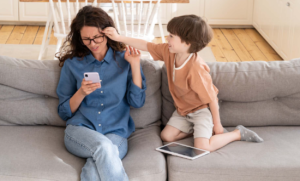
Uninvolved parenting, also known as neglectful parenting, is marked by a distinct lack of emotional support and engagement in a child’s life. This parenting style can lead to significant challenges for children as they grow. Here are some key characteristics that define uninvolved parenting:
-
Emotional Detachment: Uninvolved parents often exhibit a profound emotional distance from their children. They may show little affection or interest in their child’s feelings, leading to a lack of emotional bonds. This detachment can hinder a child’s ability to form secure attachments and seek comfort or support when needed [2].
-
Lack of Supervision: A hallmark of uninvolved parenting is minimal supervision. These parents typically do not monitor their children’s activities, which can result in children navigating their environments without guidance or support. This absence of oversight can lead to risky behaviors, as children are left to make decisions on their own without parental input [1].
-
Minimal Engagement in Activities: Uninvolved parents often fail to participate in or show interest in their child’s activities, whether academic or recreational. For instance, they might not attend school events, sports games, or even ask about their child’s day. This lack of engagement can make children feel undervalued and neglected [1].
-
Few or No Rules: Children raised by uninvolved parents often experience a home environment with little to no structure. Parents may not set clear expectations or boundaries, leaving children unsure about what is acceptable behavior. This absence of rules can contribute to behavioral issues and challenges in social settings [2].
-
Focus on Personal Needs: Parents who adopt an uninvolved style often prioritize their own needs and problems over their children’s. They may be preoccupied with work, personal issues, or social lives, which detracts from their ability to engage meaningfully with their children. This self-centered focus can deepen the emotional void felt by the child [2].
-
Inconsistent Involvement: While some uninvolved parents might provide for their children’s basic needs, such as food and shelter, they typically do not invest emotional energy or time into their children’s lives. This inconsistency can lead to confusion and distress for the child, who may feel that their needs are secondary [1].
Understanding these characteristics is essential for recognizing how uninvolved parenting can affect child development. The lack of emotional support and engagement can have long-lasting implications for a child’s self-esteem, mental health, and ability to form healthy relationships as they grow.
Causes of Uninvolved Parenting

Uninvolved parenting, often termed neglectful parenting, can arise from a variety of factors that hinder a parent’s ability to engage fully with their children. Understanding these causes is vital for addressing the cycle of uninvolved parenting and its effects on child development.
Parental Mental Health Issues
One significant factor contributing to uninvolved parenting is parental mental health. Parents struggling with conditions such as depression or anxiety may become emotionally distant or preoccupied with their own challenges, leading them to neglect their children’s emotional needs. This indifference can manifest as a lack of responsiveness, leaving children feeling unsupported and isolated [2]. When parents are unable to prioritize their children’s needs, it creates an emotional void that can have detrimental impacts on a child’s self-esteem and overall mental health.
Socioeconomic Challenges
Socioeconomic status also plays a critical role in uninvolved parenting. Families facing financial hardships may experience stress that distracts parents from their children’s needs, resulting in a hands-off approach to parenting. Research indicates that lower socioeconomic status is linked to higher rates of uninvolved parenting, as parents may be overwhelmed by the need to provide for basic necessities, leaving little room for emotional support and engagement [3]. Consequently, children in these environments often lack crucial guidance and nurturing, which are essential for healthy development.
Generational Patterns
Generational patterns can perpetuate uninvolved parenting behaviors. Many parents who grow up in neglectful or emotionally distant households may unconsciously replicate these patterns with their own children. This cycle of uninvolved parenting can create a lasting impact across generations, as children raised in such environments often struggle to form healthy attachments and relationships in adulthood [2]. Without intervention, these behaviors can continue, further embedding uninvolved parenting into family dynamics.
Additional Contributing Factors
Furthermore, various other factors can lead to uninvolved parenting, such as parental substance abuse or overwhelming life stressors. Parents who are preoccupied with their own problems may inadvertently prioritize their needs over their children’s, resulting in a lack of emotional connection and guidance. This neglect can severely affect a child’s ability to develop secure attachments, leading to long-term consequences in their mental health and social functioning.
Understanding these causes of uninvolved parenting is crucial for breaking the cycle and fostering healthier family relationships. The emotional detachment characteristic of this parenting style not only impacts the immediate family but can also resonate through future generations, making awareness and intervention essential for positive change.
Effects of Uninvolved Parenting on Child Development

Uninvolved parenting, often termed neglectful parenting, can have severe consequences on children’s mental health and development. This parenting style, characterized by a lack of responsiveness and emotional support, leads to significant challenges in various aspects of a child’s life.
One of the most profound impacts of uninvolved parenting is the development of low self-esteem in children. When parents provide little to no feedback or praise, children may struggle to value themselves. This absence of encouragement can create a negative self-image, making it difficult for them to navigate social situations and personal challenges effectively [2]. As a result, children of uninvolved parents may grow up feeling unworthy and insecure.
Poor academic performance is another critical outcome associated with neglectful parenting. Research indicates that children raised in uninvolved environments often lack the necessary support and guidance to thrive academically. Without parental involvement in their education, these children may fall behind their peers, struggle to develop effective study habits, and exhibit lower motivation to succeed in school [4]. This academic underachievement can carry over into adulthood, affecting their career prospects and overall quality of life.
Difficulties in forming healthy relationships are also prevalent among children of uninvolved parents. The emotional distance cultivated in their upbringing can lead to challenges in establishing meaningful connections with others. Children may not learn how to express emotions or understand the importance of mutual support and affection, resulting in struggles with intimacy and trust in their adult relationships [2]. This lack of emotional intelligence can hinder their ability to build strong partnerships or friendships, perpetuating a cycle of isolation and disconnection.
Furthermore, uninvolved parenting can lead to significant mental health issues. Children raised in neglectful environments are at a higher risk of developing anxiety, depression, and behavioral problems. The absence of a nurturing and supportive parental figure can leave these children feeling abandoned and alone, which can have lasting effects throughout their lives [2]. As they grow older, they may develop maladaptive coping mechanisms, including substance abuse or other risky behaviors, as a way to manage their emotional pain.
The attachment theory, pioneered by psychologists like John Bowlby, highlights the importance of secure attachments formed in early life. Children who experience uninvolved parenting often develop avoidant or disorganized attachment styles, which can interfere with their ability to seek help or comfort from others. This detachment makes it challenging for them to establish close relationships or seek emotional support when needed, further exacerbating their mental health struggles [4].
In summary, uninvolved parenting significantly impacts child development, leading to low self-esteem, poor academic performance, and difficulties in forming healthy relationships. These effects not only shape a child’s immediate experience but can also resonate throughout their adult lives, influencing their mental health and overall well-being. Recognizing and addressing the consequences of uninvolved parenting is crucial for fostering healthier family dynamics and promoting positive child development.
Comparison with Other Parenting Styles
When exploring parenting styles, it’s essential to understand how uninvolved parenting differs from other approaches, particularly authoritative and free-range parenting. Uninvolved parenting, also known as neglectful parenting, is characterized by minimal emotional support and a lack of responsiveness to a child’s needs. In contrast, authoritative parenting is marked by high levels of both responsiveness and structure. Authoritative parents actively engage in their children’s lives, providing guidance while also encouraging independence. This balance fosters a nurturing environment that promotes healthy child development and self-esteem, resulting in children who typically perform better academically and socially compared to those raised by uninvolved parents [2].
Free-range parenting, another distinct style, allows children considerable freedom to explore and learn from their experiences. However, unlike uninvolved parenting, free-range parents maintain a supportive presence in their children’s lives. They set appropriate boundaries while encouraging independence, which helps children develop decision-making skills and self-confidence. This contrasts sharply with uninvolved parents who often fail to establish any rules or expectations, leaving children without the necessary guidance for navigating life’s challenges [5].
Diana Baumrind, a prominent psychologist, identified these distinctions in parenting styles, emphasizing how uninvolved parenting leads to poorer outcomes for children. Children with uninvolved parents often struggle with emotional regulation and face heightened risks of behavioral issues, as they lack the emotional support and structure that authoritative and even free-range parenting provide [2].
Key differences include:
- Responsiveness: Authoritative parents are highly responsive to their children’s emotional and developmental needs, while uninvolved parents are indifferent and emotionally distant.
- Involvement: Free-range parents actively participate in their children’s lives, albeit in a less restrictive way than authoritative parents, whereas uninvolved parents are minimally engaged and provide little to no supervision.
- Outcomes: Research indicates that children of authoritative parents tend to have higher self-esteem and better academic performance compared to those raised by uninvolved parents, who often exhibit low self-worth and poor school outcomes [2].
In summary, uninvolved parenting stands out among various parenting styles due to its lack of emotional engagement and guidance. Understanding these differences can help parents recognize the importance of being involved in their children’s lives to foster healthier developmental outcomes.
Long-Term Consequences of Uninvolved Parenting
Uninvolved parenting has profound long-term effects on individuals who grew up under this neglectful style. Adults who experienced uninvolved parenting often struggle with various mental health issues. Research shows that these individuals are more susceptible to anxiety, depression, and low self-esteem, largely due to the emotional neglect they faced during childhood [2]. This lack of emotional support can lead to a lifelong battle with feelings of worthlessness and inadequacy.
When it comes to relationships, the impact of uninvolved parenting can be equally significant. Adults raised in these environments frequently find it challenging to establish healthy, loving connections. They may have difficulty trusting others and often struggle with intimacy, as their formative years lacked the affectionate bonds that are crucial for emotional development [2]. This detachment can manifest in romantic relationships, friendships, and even workplace dynamics, leaving these individuals feeling isolated and misunderstood.
Moreover, the cycle of neglect can perpetuate itself. Research indicates that individuals who were uninvolved parents are at a higher risk of neglecting their own children, continuing the harmful legacy of emotional distance and indifference [6]. This generational pattern can create a cycle where each new generation suffers the consequences of uninvolved parenting, leading to further emotional and developmental issues.
The effects of uninvolved parenting also extend into the realm of academic and professional life. Adults who grew up without guidance or support often find it challenging to navigate educational and workplace settings. They may struggle with self-discipline, time management, and motivation, which can hinder their career advancement and academic success. Studies show that these individuals often achieve lower levels of education and may find themselves in jobs with less stability and satisfaction [2].
In summary, the long-term consequences of uninvolved parenting are serious and multifaceted. They encompass mental health challenges, difficulties in forming relationships, and the risk of perpetuating neglect in future generations. Understanding these impacts underscores the critical importance of emotional support and engagement in child development, as highlighted by Diana Baumrind’s research on parenting styles.
Strategies for Transitioning from Uninvolved to Engaged Parenting
Transitioning from uninvolved parenting to a more engaged style can significantly enhance your child’s emotional and social development. Here are some actionable strategies to help you make this important change.
Improve Emotional Connection
-
Schedule Quality Time: Dedicate specific times each week to spend with your child. This could be as simple as a game night or a walk in the park. Regularly spending time together helps build a stronger bond and shows your child they are valued.
-
Practice Active Listening: When your child speaks, give them your full attention. Nod, make eye contact, and respond to what they’re saying. This practice fosters a sense of belonging and reassures them that their thoughts and feelings matter.
-
Express Affection: Make a conscious effort to show love through hugs, positive words, or small gestures. Physical affection can help bridge the emotional gap often seen in neglectful parenting and support your child’s emotional health.
Set Boundaries
-
Establish Clear Rules: Setting boundaries is crucial for child development. Create a few key rules that are easy to understand, and explain why they are important. This helps children learn self-discipline and understand expectations, countering the effects of uninvolved parenting [8].
-
Be Consistent: Consistency in enforcing these rules teaches children the importance of structure. If boundaries are clear and upheld, children feel more secure and are less likely to test limits.
Engage in Your Child’s Life
-
Participate in Activities: Take an active interest in your child’s hobbies and schoolwork. Attend their events, ask about their day, and engage in their favorite activities. This not only increases your involvement but also helps you understand their interests and challenges.
-
Encourage Open Communication: Foster an environment where your child feels safe sharing their thoughts and feelings. Use open-ended questions to prompt conversations that go beyond surface-level topics.
-
Monitor Social Connections: Know who your child’s friends are and encourage healthy friendships. This involvement can help them navigate social dynamics and provide additional support outside the home.
Seek Professional Guidance
- Consider Therapy or Counseling: If you find it challenging to change your parenting style, seeking help from a professional can provide you with tailored strategies and support. Therapists can guide you through the process of understanding your parenting patterns and building emotional connections with your child.
By implementing these strategies, you can shift from a neglectful parenting style to one that is more engaged and supportive. This transition is essential for fostering your child’s self-esteem, emotional well-being, and overall development, as highlighted by Diana Baumrind’s research on parenting styles. Engaging more with your child can lead to a healthier parent-child relationship and better outcomes in their mental health and social interactions [7].
Resources for Parents Seeking Help
If you find yourself struggling with uninvolved parenting, know that you are not alone and there are resources available to help you become a more engaged and supportive parent. Seeking help is crucial, as it can significantly improve your parenting practices and enhance your child’s emotional development.
Books
-
“The Whole-Brain Child” by Daniel J. Siegel and Tina Payne Bryson: This book offers insights into child development and how to foster emotional support. It provides strategies for nurturing your child’s brain and helping them navigate their emotions.
-
“How to Talk So Kids Will Listen & Listen So Kids Will Talk” by Adele Faber and Elaine Mazlish: This practical guide teaches effective communication techniques that can help bridge the emotional gap often seen in neglectful parenting.
-
“Parenting with Love and Logic” by Charles Fay and Foster Cline: This book introduces a balanced approach to parenting, emphasizing the importance of setting limits while providing support. It can be especially helpful for parents who may struggle with setting boundaries.
Websites
-
Child Mind Institute: This organization offers a wealth of resources on child development and mental health. Their articles provide information on the effects of uninvolved parenting and ways to foster emotional connections with your child.
-
Zero to Three: This website focuses on early childhood development and provides resources for parents to improve their parenting styles. Their information can help you understand the importance of responsive parenting.
-
HealthyChildren.org: Run by the American Academy of Pediatrics, this site offers expert advice on various parenting topics, including the impacts of neglectful parenting and strategies for improvement.
Professional Support Services
-
Therapists and Counselors: Seeking professional guidance can be an essential step for parents dealing with uninvolved parenting tendencies. Therapists can help you explore underlying issues and work towards building a more engaged relationship with your child. Programs like BetterHelp offer online therapy options that can be convenient and accessible.
-
Family Support Programs: Many communities offer family support programs that provide resources and workshops for parents. These programs can help you understand more about parenting styles and how to transition from a neglectful approach to a more supportive one [10].
-
Parenting Classes: Consider enrolling in parenting classes where you can learn about child development and effective parenting strategies. Many local community centers and organizations offer these classes, which can be beneficial for understanding the dynamics of uninvolved parenting.
Taking advantage of these resources can pave the way for positive change, helping you build a stronger emotional connection with your child and fostering a nurturing environment that promotes healthy development.
Case Studies and Personal Stories
Exploring the effects of uninvolved parenting through real-life examples can provide valuable insights into its impact on children and families. Here are a few case studies that illustrate the challenges faced and the potential for transformation.
Case Study 1: Emily’s Journey
Emily was raised in a household where her parents practiced uninvolved parenting. They provided basic needs like food and shelter but showed little interest in her emotional or educational development. As a result, Emily struggled with low self-esteem and felt disconnected from her peers. Her grades suffered, and she often felt lonely.
In her teenage years, Emily sought help through therapy, where she learned about the effects of neglectful parenting. Understanding her parents’ lack of engagement allowed her to process her feelings and develop coping strategies. Through her journey, she began to rebuild her self-esteem and establish healthier relationships, showcasing how awareness and support can lead to recovery from the impacts of uninvolved parenting.
Case Study 2: Mark’s Realization
Mark grew up in a family where his parents prioritized their own needs over his. They rarely attended his school events or engaged in conversations about his interests. Mark felt neglected, which led him to act out in school and engage in risky behaviors, including substance use.
Upon discovering the concept of uninvolved parenting through a community workshop, Mark’s parents recognized the harmful effects of their behavior. They committed to changing their approach by actively participating in Mark’s life and providing emotional support. This transition took time, but Mark noticed a significant improvement in their relationship and his own self-worth.
Case Study 3: The Thompson Family
The Thompson family presented a unique scenario where both parents were initially uninvolved due to overwhelming work commitments. Their children, aged 8 and 10, frequently felt ignored and were often left to entertain themselves. This led to feelings of frustration and rebellion in the children.
After attending a parenting class focused on child development and the importance of emotional support, the Thompsons began to shift their parenting style. They implemented family game nights and set aside dedicated time to listen to their children’s thoughts and feelings. This newfound engagement helped foster a healthier family dynamic and improved the children’s emotional well-being.
Case Study 4: A Teacher’s Perspective
A teacher named Sarah often witnessed the effects of uninvolved parenting in her classroom. Many of her students came from homes where parental engagement was minimal. She noticed that these children struggled with attention, motivation, and relationships with peers.
Sarah began a program that encouraged parents to get involved in their children’s education. She provided resources that highlighted the importance of emotional support and the impact of uninvolved parenting on child development. Gradually, some parents began to participate more actively, leading to noticeable improvements in their children’s academic performance and social interactions.
These case studies highlight that while uninvolved parenting can have severe consequences, there is always an opportunity for change. Engaging with children and providing the emotional support they need can lead to significant improvements in their development and overall well-being. Understanding the implications of neglectful parenting, as outlined by experts like Diana Baumrind, is crucial for fostering healthier family relationships and promoting positive outcomes in child development [2].
References
1. Parenting Styles: A Closer Look at a Well-Known Concept – PMC
2. Types of Parenting Styles and Effects on Children – NCBI – NIH
3. Impact of Parenting Styles and Socioeconomic Status … – PMC
4. Relationship between parenting style and academic resilience …
5. Exploring Family Perspectives on Children’s Independent …
6. Parenting Styles, Family Characteristics, and Teacher … – PMC
7. Toolkit for Schools: Engaging Parents to Support Student …
8. Boundaries and expectations are important parenting tools