
Uninvolved parenting can have profound effects on children’s behavior and well-being. Understanding this parenting style is critical for fostering healthier family dynamics and improving children’s outcomes. For instance, exploring the Authoritarian Parenting Style can provide valuable insights into different approaches to parenting.
What is Uninvolved Parenting?
Definition and Characteristics
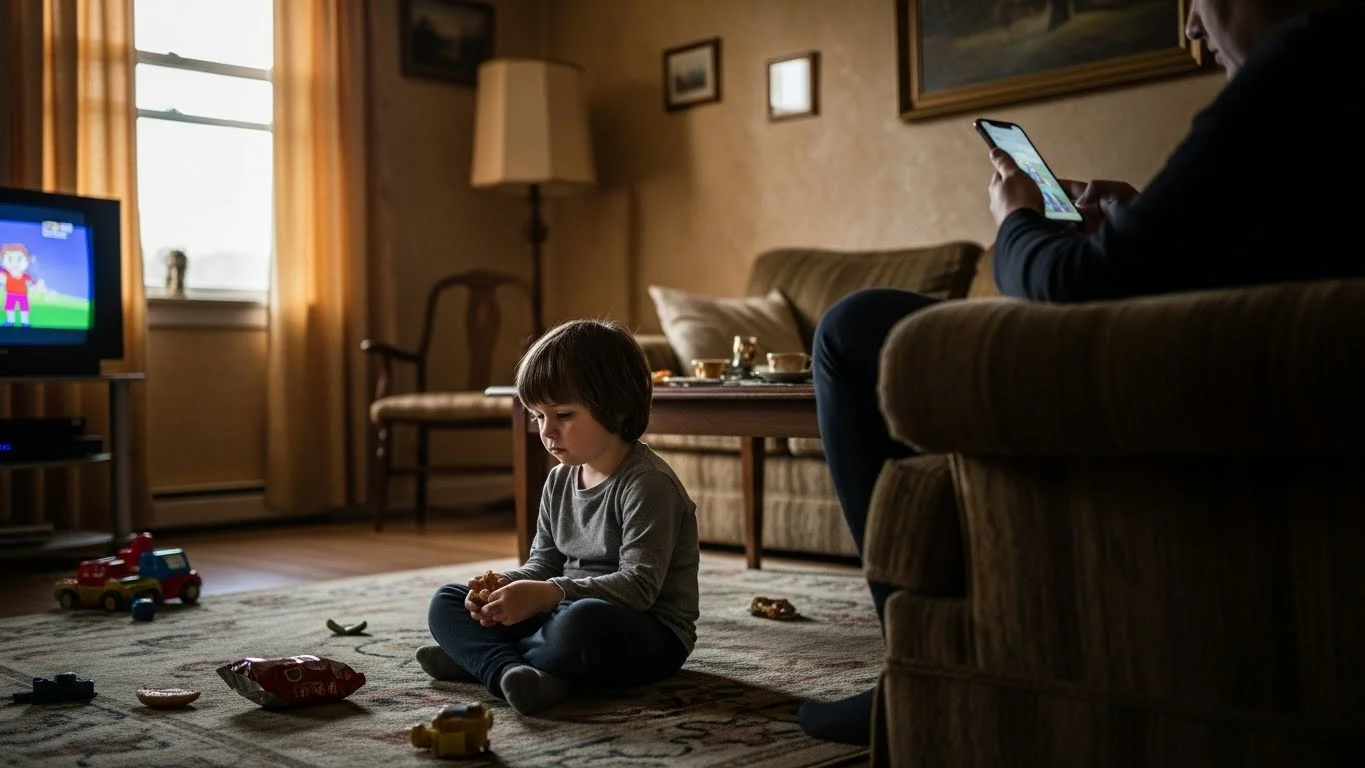
Uninvolved parenting, often referred to as neglectful parenting, is characterized by a lack of responsiveness and emotional connection between parents and their children. I remember the first time I came across this term; it struck me how deeply it could affect a child’s development. These parents may provide basic needs like food and shelter but are generally indifferent to their child’s emotional and social needs. Their oversight tends to result in minimal interaction and guidance, often leaving children feeling neglected or unwanted. From my observations, uninvolved parents might be physically present, but they’re emotionally absent, failing to engage with their children in meaningful ways.
Some common characteristics of uninvolved parenting include a lack of supervision, minimal communication, and an absence of nurturing behaviors. In my experience, when parents are uninvolved, children often feel like they have to fend for themselves. They may not receive the encouragement needed to pursue their interests or the discipline required to learn right from wrong. This detachment can lead to feelings of insecurity and low self-esteem, which can shape their behavior as they grow.
Historical Context of Parenting Styles
To grasp the concept of uninvolved parenting, it helps to look at the historical context of parenting styles. Parenting has evolved over the decades, influenced by cultural, societal, and economic changes. I’ve learned that in the past, many parents prioritized authority and discipline, often focusing on obedience rather than emotional connections. This approach eventually gave rise to more nurturing styles, like authoritative parenting, which balances structure with warmth.
As society progressed, the understanding of child development deepened. Researchers began identifying various parenting styles, including authoritative, authoritarian, permissive, and uninvolved. I’ve realized that while each style has its implications, uninvolved parenting often emerges in high-stress environments, where parents struggle to cope with life’s demands, leading to emotional disengagement. It’s fascinating yet concerning to see how these historical shifts have shaped parenting practices today. For a deeper understanding, refer to the article on Authoritarian Parenting: Pros, Cons, and Alternatives Explored.
Understanding the Four Parenting Styles
Authoritative Parenting
Authoritative parenting is often viewed as the gold standard. This style combines warmth, responsiveness, and structure. I’ve seen how children raised under this approach tend to thrive in various aspects of life. They feel valued and understood, which fosters independence and self-regulation. Parents set clear expectations while also encouraging open communication, allowing children to express their thoughts and feelings without fear of judgment.
Authoritarian Parenting
In contrast, authoritarian parenting is more rigid and demanding. It emphasizes obedience and discipline, often at the expense of emotional connection. I remember reading about the negative effects on children raised in such environments; they might become obedient but often struggle with self-esteem and decision-making skills. The lack of warmth can create a fearful atmosphere, pushing children to either rebel or withdraw. Understanding the impact of authoritarian parenting on child development can be crucial for recognizing these issues.
Permissive Parenting
Permissive parenting strikes a different balance. These parents are generally very responsive but fail to enforce rules and boundaries. From my perspective, this can lead to children who are imaginative and free-spirited but may also struggle with self-discipline and authority. I’ve noticed that kids raised this way often have difficulties following routines or adhering to rules when they encounter them later in life.
Uninvolved Parenting
Finally, uninvolved parenting is characterized by the absence of both responsiveness and demands. As I mentioned earlier, these parents provide basic needs but lack emotional support. Children may struggle to develop a sense of identity or self-worth, leading to various behavioral challenges. I think it’s essential to recognize that uninvolved parenting isn’t always a choice; sometimes, it stems from a parent’s own struggles, whether due to stress, mental health issues, or lack of knowledge about effective parenting.
Effects of Uninvolved Parenting on Children
Emotional Development
From my observations and experiences, the emotional development of children exposed to uninvolved parenting often suffers significantly. These children may struggle to identify and express their feelings, which can lead to confusion and frustration. I remember meeting a young adult who shared how she felt like a ghost in her own family; despite being physically present, she felt invisible and emotionally neglected. This detachment can stifle a child’s ability to form healthy emotional responses, making it difficult for them to navigate the complexities of relationships later in life. I believe that emotional intelligence is a crucial skill, and without it, these children may find themselves struggling to connect with others or handle their own emotions.
Social Skills and Relationships
In my experience, children raised in environments with uninvolved parenting often face challenges in social interactions. They may not have learned the fundamental skills needed to build friendships or manage conflicts. I’ve seen this firsthand when interacting with kids who seem unsure about how to engage with peers or who tend to keep to themselves. They may exhibit social anxiety or struggle with trust, often fearing that others will abandon them as they experienced in their own family life. Relationships can become a minefield for them, as they might not have had role models demonstrating effective communication or emotional support, leading to patterns of withdrawal or unhealthy relational dynamics.
Academic Performance
Uninvolved parenting can also take a toll on a child’s academic performance. I recall a local study that highlighted how children who receive minimal support from their parents often lack motivation and direction in school. These kids may not have someone to encourage them to complete homework or to celebrate their achievements. I’ve talked to teachers who noted that children from uninvolved backgrounds often appear disengaged or unprepared for class, which can lead to poor grades and a lack of interest in learning. I think that education is such a crucial part of a child’s development, and without an involved parent to guide them, children may miss important opportunities to excel and grow.
Behavioral Issues
Behavioral challenges are another significant outcome of uninvolved parenting. I’ve seen children who, feeling neglected and unsupported, act out in various ways. These behaviors can manifest as aggression, defiance, or even withdrawal. It’s as if they’re crying out for attention, but without the right guidance, they don’t know how to express their needs appropriately. In my opinion, it’s heartbreaking to witness kids who are simply acting out because they’re searching for connection. Research has shown that these children are at a higher risk for developing conduct disorders and other emotional disturbances, which can follow them into adulthood if not addressed.
Factors Contributing to Uninvolved Parenting
Parental Stress and Mental Health
One of the primary factors I’ve encountered that contribute to uninvolved parenting is parental stress and mental health issues. I know that life can throw unexpected challenges our way, and when parents struggle with their own mental health, it can lead to emotional disengagement from their children. I’ve spoken to many parents who feel overwhelmed by work, financial pressures, or personal struggles, which can drain their emotional reserves. When a parent is in survival mode, it’s hard for them to provide the emotional support a child needs. Understanding this connection can be a key step in addressing the issue and fostering healthier family dynamics.
Socioeconomic Status
Socioeconomic status is another significant factor influencing uninvolved parenting. I’ve seen families where economic hardships create a barrier to effective parenting. When parents are preoccupied with meeting basic needs, such as food, housing, and employment, they may become emotionally absent. It’s not that they don’t care; it’s simply that their circumstances force them to prioritize survival over emotional engagement. This reality has made me more empathetic toward families struggling financially and highlighted the need for community support systems to help lift them.
Lack of Parenting Knowledge
Lastly, a lack of parenting knowledge can play a role in uninvolved parenting. I’ve noticed that not all parents have access to resources or education that would help them understand effective parenting techniques. Some may have grown up in uninvolved households themselves, leading them to replicate those patterns unknowingly. I think it’s essential for us as a society to provide more resources and support for parents, giving them the tools they need to engage with their children positively. After all, parenting is a learned skill, and with the right guidance, many parents can overcome the barriers of uninvolved parenting.
Signs of Uninvolved Parenting
Emotional Detachment
One of the most telling signs of uninvolved parenting is emotional detachment. I’ve seen children who, when asked about their feelings or experiences, struggle to articulate any emotional connection to their parents. It’s almost as if they’ve learned to keep their feelings locked away. I once met a teenager who shared that she often felt more like a roommate than a daughter. Her parents were physically present but rarely engaged in conversations that mattered. This emotional distance can create a significant void in a child’s life, leading to feelings of isolation and confusion about their self-worth. In my experience, it’s vital for parents to foster emotional connections, as this is the bedrock of healthy relationships.
Neglect of Basic Needs
While uninvolved parents may provide basic necessities like food and shelter, they often neglect emotional and developmental needs. I remember volunteering at a local community center where I encountered children who were often dirty, underdressed for the weather, or exhibiting signs of hunger. They would come in seeking snacks and attention, which highlighted a lack of care at home. This neglect goes beyond physical needs; it encompasses the absence of nurturing behavior, such as encouraging play or celebrating achievements. I think it’s essential to recognize that neglect doesn’t always manifest as outright abandonment; sometimes, it’s subtle, like a lack of engagement in a child’s life.
Lack of Guidance and Support
The absence of guidance and support is another key indicator of uninvolved parenting. I’ve often seen kids who are left to navigate challenges on their own, from school assignments to social conflicts. This lack of direction can be particularly harmful during crucial developmental periods, such as adolescence. I know a young boy who struggled academically and socially without any parental support, missing out on crucial learning opportunities because nobody was there to help him. When parents don’t offer guidance, it can leave children feeling lost and unsure about how to approach life’s challenges. I believe that even simple acts, like helping with homework or discussing friendships, can make a world of difference.
Comparative Studies: Uninvolved Parenting vs. Other Styles
Longitudinal Studies on Child Development
Numerous longitudinal studies have highlighted the stark differences in outcomes between children raised with uninvolved parenting and those from more engaged backgrounds. I remember reading about a study that followed children over several years, tracking their emotional, social, and academic growth. The results were eye-opening: children with uninvolved parents often struggled with self-esteem and exhibited higher levels of anxiety compared to their peers. These findings resonate with my experiences, as I’ve witnessed firsthand how a supportive environment fosters resilience and adaptability in children, while a lack of guidance can lead to long-term challenges.
Impact on Adolescents and Young Adults
As children grow into adolescents and young adults, the effects of uninvolved parenting can become even more pronounced. I’ve encountered many young adults who, despite being bright and capable, find it hard to navigate the complexities of adult life. They often express feelings of inadequacy or lack direction, which I believe stems from their earlier experiences of neglect. Studies show that these individuals may struggle with relationships, career decisions, and emotional regulation. It’s heartbreaking to see potential stifled by years of emotional absence. I think it’s crucial for society to understand these impacts, as they not only affect the individual but also ripple through communities as a whole.
Strategies for Improvement and Support
Encouraging Parental Engagement
One effective strategy to combat uninvolved parenting is to encourage parental engagement in various ways. I’ve found that simple initiatives, like community workshops or parenting classes, can provide valuable resources for parents. When parents feel supported and armed with knowledge, they are more likely to seek emotional connections with their children. I remember a local initiative that brought parents together to share their experiences and challenges. It created a sense of community and accountability, which ultimately helped many parents become more involved.
Resources for Parents
Access to resources plays a significant role in improving parenting styles. I’ve seen how information can empower parents to make better choices for their children. Whether it’s books, online courses, or support groups, providing these resources can help parents learn effective strategies to connect with their kids. I recommend looking for local organizations that provide parenting resources, as they often offer workshops focused on building relationships and understanding child development. In my opinion, these tools can be game-changers for families struggling with uninvolved parenting.
Seeking Professional Help
In some cases, seeking professional help can be a vital step in addressing uninvolved parenting. I’ve learned that therapy or counseling can provide parents with the support they need to deal with their own issues, such as stress, mental health concerns, or past traumas. I once met a mother who, after attending family therapy, realized how her own childhood experiences had shaped her parenting style. With professional guidance, she learned healthier ways to engage with her children. I believe that there’s no shame in asking for help; it’s a brave step towards building a better family dynamic.
Case Studies and Real-Life Examples
Success Stories of Overcoming Uninvolved Parenting
One of the most inspiring stories I came across was about a young man named Alex. He grew up in an uninvolved household where his parents were too preoccupied with their own issues to offer him the emotional support he craved. I remember feeling a deep connection to his journey when I learned how he transformed his life. After realizing the impact of his upbringing, Alex sought out mentors and resources to help him navigate his emotions and develop healthier relationships. With the help of a supportive teacher and a local youth program, he learned effective communication skills and began to understand the importance of emotional connections. His story reminds me that while the scars of uninvolved parenting can be deep, there is a path to healing and growth. I believe that with the right support, individuals can break free from the limitations imposed by their past and build fulfilling lives.
Impact on Siblings and Family Dynamics
In many families, the effects of uninvolved parenting aren’t isolated to just one child; they can ripple through siblings and affect the entire family dynamic. I’ve seen cases where one sibling becomes the caretaker for others, stepping into a parental role that they are not prepared for. This was evident in the case of two sisters, Mia and Sarah. Mia, the older sister, felt compelled to provide emotional support for Sarah, who often seemed lost and alone. Their bond grew stronger, but it also created a heavy burden for Mia, who had to navigate her own feelings of neglect while trying to be there for her sister. I feel this illustrates how uninvolved parenting can lead to unbalanced family roles, affecting everyone involved. It’s crucial for parents to understand that their emotional absence can create unexpected dynamics among siblings, leading to lifelong patterns of caretaking or resentment.
Final Thoughts
Reflecting on the journey through uninvolved parenting, I can’t help but feel a sense of urgency for change. It’s clear that the impacts of this parenting style stretch far beyond childhood, influencing emotional health, social interactions, and even academic success well into adulthood. For me, it’s heart-wrenching to think of the potential that goes untapped when children don’t receive the love, guidance, and support they need. However, the stories of resilience and transformation remind us that there is hope. We can foster a culture that prioritizes active engagement, emotional support, and community resources to address uninvolved parenting. By recognizing the signs and taking actionable steps, we can create environments where every child feels valued and connected. I believe that together, we can change the narrative and ensure that future generations thrive in nurturing and supportive homes.
Frequently Asked Questions
What is uninvolved parenting?
Uninvolved parenting, often referred to as neglectful parenting, is characterized by a lack of responsiveness and emotional connection between parents and their children. These parents may provide basic needs like food and shelter but are generally indifferent to their child’s emotional and social needs.
What are the characteristics of uninvolved parenting?
Common characteristics of uninvolved parenting include a lack of supervision, minimal communication, and an absence of nurturing behaviors. Children may feel neglected or unwanted due to minimal interaction and guidance from their parents.
How does uninvolved parenting affect a child’s emotional development?
Children exposed to uninvolved parenting often struggle to identify and express their feelings, leading to confusion and frustration. This detachment can stifle a child’s ability to form healthy emotional responses, making it difficult for them to navigate relationships later in life.
What impact does uninvolved parenting have on children’s social skills?
Children raised in environments with uninvolved parenting often face challenges in social interactions. They may not learn fundamental skills needed to build friendships or manage conflicts, leading to social anxiety and difficulty trusting others.
How does uninvolved parenting influence academic performance?
Uninvolved parenting can negatively impact a child’s academic performance, as these children often lack motivation and direction in school. Without parental support to encourage learning and celebrate achievements, they may appear disengaged and unprepared for class.
What behavioral issues can arise from uninvolved parenting?
Behavioral challenges, such as aggression, defiance, or withdrawal, can manifest in children raised by uninvolved parents. These behaviors are often cries for attention, stemming from a lack of guidance and emotional support.
What factors contribute to uninvolved parenting?
Factors contributing to uninvolved parenting include parental stress and mental health issues, socioeconomic status, and a lack of parenting knowledge. These challenges can lead to emotional disengagement from children.
What are some signs of uninvolved parenting?
Signs of uninvolved parenting include emotional detachment, neglect of basic emotional and developmental needs, and a lack of guidance and support. Children may struggle to articulate their feelings or navigate challenges without parental assistance.
How can parental engagement be encouraged to combat uninvolved parenting?
Encouraging parental engagement can be achieved through initiatives like community workshops or parenting classes, which provide valuable resources and foster a sense of community among parents.
What strategies can help improve uninvolved parenting?
Strategies to improve uninvolved parenting include providing access to resources, encouraging parental involvement through support groups, and seeking professional help, such as therapy or counseling, for parents to address their own issues.