
Traveling can be one of the most exciting experiences, but understanding vaccination side effects is crucial for safe adventures. Let’s explore how vaccinations can protect us while traveling and what we need to know about their side effects. Read Interesting article: Stay Safe: Key Vaccination Schedules for Travelers
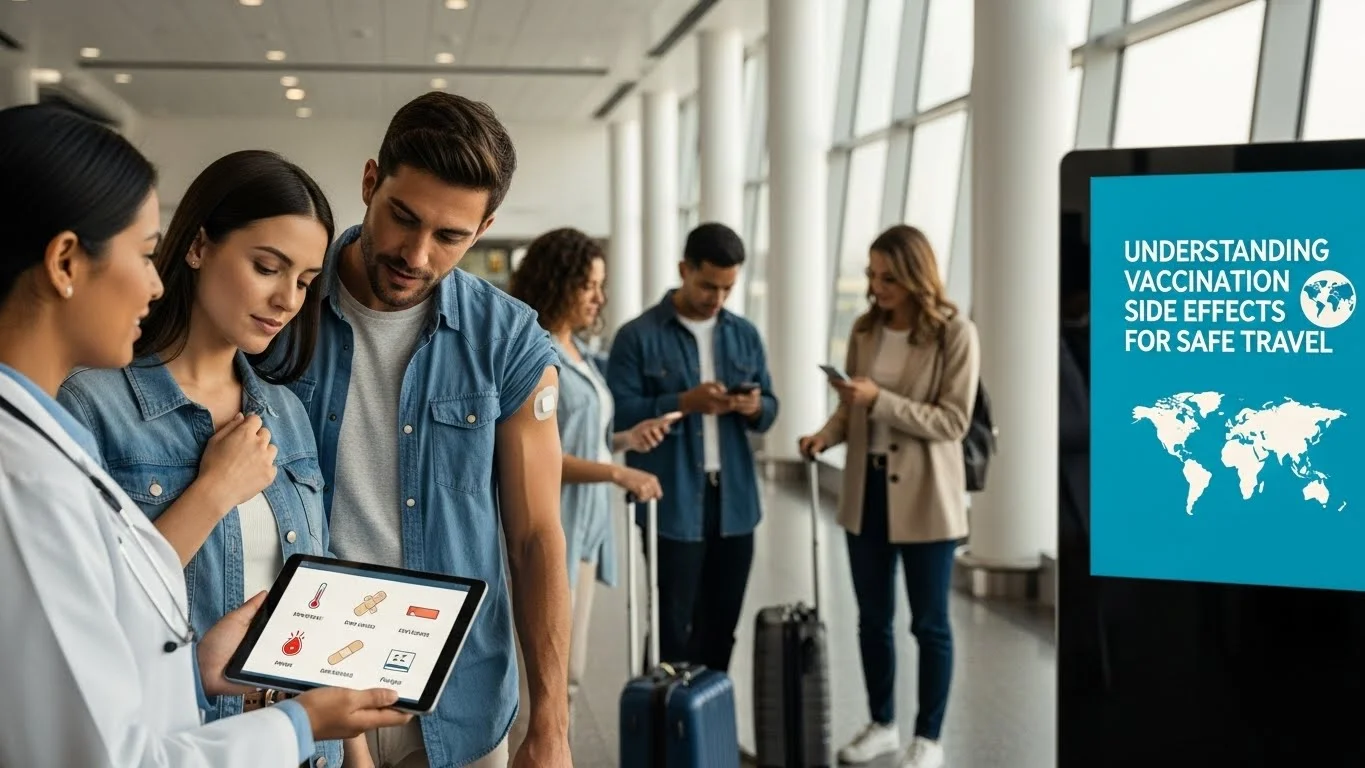
Overview of Vaccination and Travel Safety
Importance of Vaccination for Travelers
When I first started traveling, I didn’t give much thought to vaccinations. I figured I could just enjoy my trip without worrying about a few shots. But over time, I realized that vaccinations are a vital part of travel safety. They protect us against diseases that can be prevalent in certain regions. For example, places with tropical climates may have diseases like yellow fever or dengue fever, which are almost nonexistent in many parts of the world. By getting vaccinated, we not only protect ourselves but also help prevent the spread of these illnesses to others.
In my experience, vaccinations have been a game-changer. I once traveled to a region where malaria was common, and I was glad I had taken the necessary precautions. I felt secure knowing I had done my part to stay healthy and protect those around me. Vaccination is not just about personal health; it’s about global health. The more we vaccinate, the less chance diseases have to spread. This is especially important in our increasingly connected world.
Common Vaccines Recommended for Travel
Depending on where you’re heading, different vaccines may be recommended. Some of the most common ones I’ve come across include:
- Hepatitis A: This vaccine protects against a virus that can be contracted through contaminated food and water. I always recommend this one for some regions.
- Typhoid: Similar to Hepatitis A, typhoid can occur through contaminated food or water. I learned this the hard way during a trip to South Asia.
- Yellow Fever: Required for travel to certain areas in Africa and South America, I found this to be crucial when planning my safari trip.
- Rabies: Particularly important for travelers who may be in close contact with animals, I made sure to get this one when I traveled to areas with a higher risk of rabies.
Always check the CDC or WHO websites for the latest recommendations before you travel. It’s also helpful to talk to fellow travelers or even locals who can provide insight into what vaccines they’ve found essential for their journeys. Read Interesting article: Your Guide to Vaccination Timelines While Traveling Abroad
Understanding Vaccination Side Effects
What Are Common Side Effects?
After getting vaccinated, I noticed that many people ask about side effects. These can vary by vaccine, but common ones I’ve experienced include mild fever, fatigue, headache, and soreness at the injection site. While these can be annoying, they usually don’t last long. For instance, after my last flu shot, I felt a bit tired and had a sore arm for a day, but it was a small price to pay for the protection I gained.
What I’ve learned is that these mild side effects are often a sign that the vaccine is working. Our immune system is responding to the vaccine, which is a good thing! It’s important to keep in mind that everyone reacts differently, and some may not experience any side effects at all.
Serious Side Effects: What to Watch For
While most side effects are mild, there can be serious reactions. I’ve read about and met a few travelers who faced more severe issues, like an allergic reaction. Symptoms to watch for include difficulty breathing, swelling of the face or throat, and a fast heartbeat. These are rare, but it’s essential to be informed. If you ever feel something is off, don’t hesitate to seek medical attention.
Difference Between Mild and Severe Reactions
Understanding the difference between mild and severe reactions can make a world of difference in how we handle side effects. I’ve found it helpful to establish a baseline for what is considered normal. Mild reactions, like soreness and slight fever, are generally expected and should subside within a few days. On the other hand, severe reactions require immediate medical attention and should never be ignored.
It’s crucial to stay informed and know when to seek help. I always recommend keeping an eye on how I feel after any vaccination, especially before a trip. This way, I can distinguish between what’s normal fatigue and what might be something more serious. Taking notes or using an app to track any symptoms has helped me manage my health better.
In my travels, I’ve learned that being proactive about vaccinations and knowing what to expect can significantly enhance my travel experience. The more we understand vaccinations, their benefits, and their side effects, the better prepared we are for safe travels.
Pre-Travel Vaccination Considerations
Timing: When to Get Vaccinated
One thing I’ve learned from my travel experiences is that timing can be crucial when it comes to vaccinations. Many vaccines require some time to become effective, and I found out the hard way that last-minute vaccinations aren’t the best idea. For instance, some vaccines, like the yellow fever vaccine, need to be given at least 10 days before travel for full effectiveness. I remember planning a trip to South America and realizing I needed to start my vaccination journey weeks in advance. It was a bit stressful, but ultimately, it made me feel much more prepared.
Generally, I recommend aiming to get vaccinated at least 4 to 6 weeks before your trip. This gives your body enough time to build immunity and helps avoid any potential last-minute scrambles. I often mark my calendar to remind myself of vaccination deadlines, ensuring I stay ahead of the game.
Consulting Healthcare Providers
Consulting with a healthcare provider is another step I never skip. I’ve found that discussing my travel plans with a professional not only helps me understand which vaccines are necessary but also gives me the chance to ask any questions I might have about side effects. During one of my consultations, I learned about some lesser-known vaccines that were recommended for my destination, which I wouldn’t have considered otherwise.
Healthcare providers can also help personalize my vaccination schedule based on my medical history and any specific health concerns. I always make sure to bring along a list of my previous vaccinations, so my provider can give me the best advice tailored to my needs. This step has made me feel more secure about my health while traveling.
Travel-specific Vaccination Requirements
Some countries have strict vaccination requirements for entry, which I learned about through fellow travelers and health advisories. For instance, visiting certain areas in Africa or South America often requires proof of vaccination against diseases like yellow fever. I remember feeling relieved that I had all my documentation ready, as it made crossing borders much smoother. It’s always a good idea to check the specific requirements for your destination well in advance, as these can change based on health trends.
In addition to mandatory vaccines, I’ve discovered that some regions have recommended vaccines that might not be required but could significantly enhance my travel experience. For example, I got the hepatitis A shot before going to a coastal area in Southeast Asia after hearing about some foodborne illnesses from others who had been there. It felt good to know I was taking proactive steps to protect my health. Read Interesting article: Vaccination Timeline for Newborns: Protect Your Baby Early
Managing Vaccination Side Effects While Traveling
Recognizing Symptoms on the Go
Once I’m on the road, staying aware of my health is essential. I’ve found that understanding what side effects to expect allows me to recognize any symptoms quickly. For instance, if I start feeling a bit off after a recent vaccination, I remind myself that mild symptoms like fatigue or soreness are usually normal. I always carry a small notebook or use my phone to jot down how I’m feeling, especially right after getting vaccinated. This way, I can track my health and notice any changes.
First Aid for Mild Symptoms
When I do experience mild side effects while traveling, I keep a basic first-aid kit handy. I’ve packed items like pain relievers, band-aids, and electrolyte packets. If I feel fatigued or have a mild headache after a vaccine, I’ve found that resting, staying hydrated, and taking over-the-counter pain relievers can help. On a recent trip, I had some soreness at the injection site, and a cold compress worked wonders for relief. It’s amazing how such simple things can make a big difference while traveling.
When to Seek Medical Attention
Being able to recognize when something is not right is a realization I’ve come to value highly. If I notice any serious side effects, like difficulty breathing or swelling, I don’t hesitate to seek medical attention. I always keep the local emergency numbers saved on my phone and know the nearest hospital or clinic in case I need it. It’s a comforting feeling to have a plan in place, so I can focus on enjoying my travels rather than worrying about potential health issues.
In my experience, understanding both the side effects of vaccinations and how to manage them has made my travels more enjoyable. I feel empowered knowing that I can handle any bumps in the road, and it allows me to immerse myself in new cultures and adventures with a greater sense of security.
Country-Specific Vaccination Guidelines
Popular Travel Destinations and Their Requirements
When it comes to traveling, knowing the vaccination requirements for specific countries can really make a difference in planning your trip. For example, I remember planning a trip to Thailand and discovering that some vaccinations were strongly recommended, including Hepatitis A and Typhoid. I felt relieved to have this information early on, as it gave me the time I needed to get vaccinated without feeling rushed.
Some countries have strict entry requirements based on health concerns. For instance, when I visited South Africa, I had to show proof of my yellow fever vaccination since I had recently traveled through a yellow fever-endemic country. If I hadn’t been aware of this requirement, it could have led to significant travel disruptions. I always recommend checking the official health websites or the embassy of your destination to get the most up-to-date information before you go.
Vaccination Recommendations for Tropical Areas
Tropical areas often have unique health risks, which is why I pay extra attention to vaccinations when planning a trip to these destinations. For example, when I traveled to Bali, I learned that vaccines for Japanese Encephalitis and Dengue fever were advisable, especially since I planned to explore rural areas and spend time outdoors. The last thing I wanted was to cut my trip short due to an illness I could have prevented.
From my experience, consulting with a travel health specialist can provide invaluable insights into what vaccines you might need for tropical destinations. They often have the latest information on outbreaks and can recommend vaccinations based on your travel itinerary. I remember one travel clinic visit where the nurse highlighted the importance of anti-malarial medication for my trip to the Amazon rainforest. That was something I hadn’t considered before!
COVID-19 Vaccination Policies by Country
The COVID-19 pandemic changed so much about how we travel, including vaccination policies. I remember feeling overwhelmed by all the information when I started planning trips again. Some countries have specific COVID-19 vaccination requirements that travelers must meet to enter. For instance, when I traveled to Europe last summer, I had to show proof of vaccination and a negative test result.
Keeping up with these requirements is essential. I found that the best way to stay informed was to regularly check the official government websites or reliable news sources. These guidelines can change frequently, sometimes even just days before a trip, so I always double-check right before I leave. It’s a good practice that helps me avoid any surprises or last-minute scrambles at the airport.
In my experience, carrying my vaccination card and any necessary documentation while traveling is crucial. When I arrived at my destination, having everything ready made the customs process much smoother. Feeling prepared not only helps with travel logistics but also gives you peace of mind that you’re following the local rules.
Travel Insurance and Vaccination
Importance of Travel Insurance for Vaccination-Related Issues
When I think about travel, I can’t stress enough the importance of getting travel insurance, especially when it comes to vaccination-related issues. There was a time when I didn’t think much about insurance, thinking it was just an extra expense. But after experiencing some hiccups on my travels, I quickly realized it’s a safety net that can save you in unexpected situations.
For instance, if I were to experience a serious side effect from a vaccine while abroad, having travel insurance would cover medical expenses, which can be quite high in some countries. I remember a friend who had to seek medical care abroad for an allergic reaction. Thankfully, their insurance took care of most of the costs, and they were able to focus on recovering instead of stressing about bills. Knowing that I have coverage in case of health-related issues has become a non-negotiable part of my travel planning.
What to Look for in a Travel Insurance Policy
When selecting a travel insurance policy, there are a few things I always look for. First, I make sure that it covers medical expenses related to vaccinations. Some policies may have exclusions, so I read the fine print carefully. I also look for coverage that includes trip cancellations due to vaccine-related side effects, just in case I need to adjust my plans. The last thing I want is to lose money because of unforeseen health issues.
In addition, I appreciate policies that offer 24/7 assistance. I once had a situation while traveling where I needed help locating a doctor. Having a service that I could call at any hour made a world of difference. It’s also smart to ensure that the policy provides coverage for emergency evacuations, especially for trips to remote areas. Knowing that I have that safety net in place lets me focus on enjoying my travels without always worrying about what might go wrong.
Traveling can be a wonderful experience, but being prepared with the right vaccinations, understanding their side effects, and having insurance can significantly enhance that experience. It allows me to explore new places with confidence, knowing I’ve taken steps to protect my health and well-being.
FAQs About Vaccination Side Effects for Travelers
Can You Travel Immediately After Vaccination?
This is a question I’ve pondered many times before a trip. From my experience, it often depends on the specific vaccine you received. Some vaccines may cause mild side effects, and I’ve learned that it’s wise to give myself a little time to recover before heading out. For example, after getting the flu vaccine, I’ve found that I usually feel fine and can travel right away. However, with other vaccines, like the yellow fever shot, I’ve heard it’s best to wait a few days to ensure I’m feeling well. I always recommend checking with a healthcare provider to get tailored advice based on your health and travel plans.
What to Do if You Experience Side Effects Abroad?
If I experience side effects while traveling, my first step is to remain calm. I remind myself that mild symptoms are often normal. I’ve established a routine for managing symptoms on the go, which includes resting, staying hydrated, and taking over-the-counter medication if needed. I also keep a list of local healthcare providers on hand, just in case I need to seek medical attention. On one trip, I felt a bit off after a vaccination, but after some rest and hydration, I was back on my feet within a day. Keeping a positive mindset and being proactive about my health has always served me well while traveling.
Are Vaccination Side Effects Covered by Insurance?
This is an important aspect I’ve learned to consider. Many travel insurance policies cover medical expenses related to vaccination side effects, but it’s essential to read the fine print. I always double-check my policy to see what’s included and whether any specific side effects are exempt. It’s a relief to know that if something unexpected happens, I won’t be left to manage the financial burden on my own. Additionally, I keep all my vaccination documentation handy, as this can be vital for insurance claims if needed.
Resources for Further Information
Official Health Organizations and Travel Advisory Sites
For anyone planning to travel, I can’t stress enough the importance of utilizing reliable resources. Official health organizations like the CDC and WHO offer extensive information on vaccination requirements and health risks for different destinations. I’ve made it a habit to check these sites before I travel, as they can provide crucial updates that could affect my trip. They often have travel advisories that alert travelers to any health concerns in specific regions, which can be incredibly helpful in planning a safe journey.
Consulting with Travel Clinics
Travel clinics have been a lifesaver for me. I’ve found that consulting with these specialized healthcare providers offers personalized advice tailored to my travel itinerary and health history. They can recommend specific vaccinations based on where I’m going and what activities I’ll be doing. I remember visiting a travel clinic before a trip to a remote area, and they provided me with a wealth of information about potential health risks and the importance of certain vaccinations. It’s always worth it to seek professional advice to ensure I’m fully prepared.
Final Thoughts
Traveling is one of the most enriching experiences we can have, but it also comes with its challenges, especially regarding health. I’ve learned that being proactive about vaccinations, understanding their side effects, and knowing how to manage them can significantly enhance my travel experiences. It’s not just about checking off boxes on a vaccination list; it’s about genuinely taking care of myself and my travel companions. With the right information and preparation, we can explore the world with confidence, knowing we’ve taken the necessary steps to protect our health. Embracing this knowledge has allowed me to enjoy my journeys fully and immerse myself in the rich cultures and breathtaking landscapes I encounter along the way.