
Becoming a parent is an incredible journey, filled with joy and discovery. As we watch our newborns grow, understanding their physical milestones can help us celebrate their development and ensure they are on the right track. For a comprehensive overview, consider Tracking Your Newborn’s Physical Milestones: A Guide.
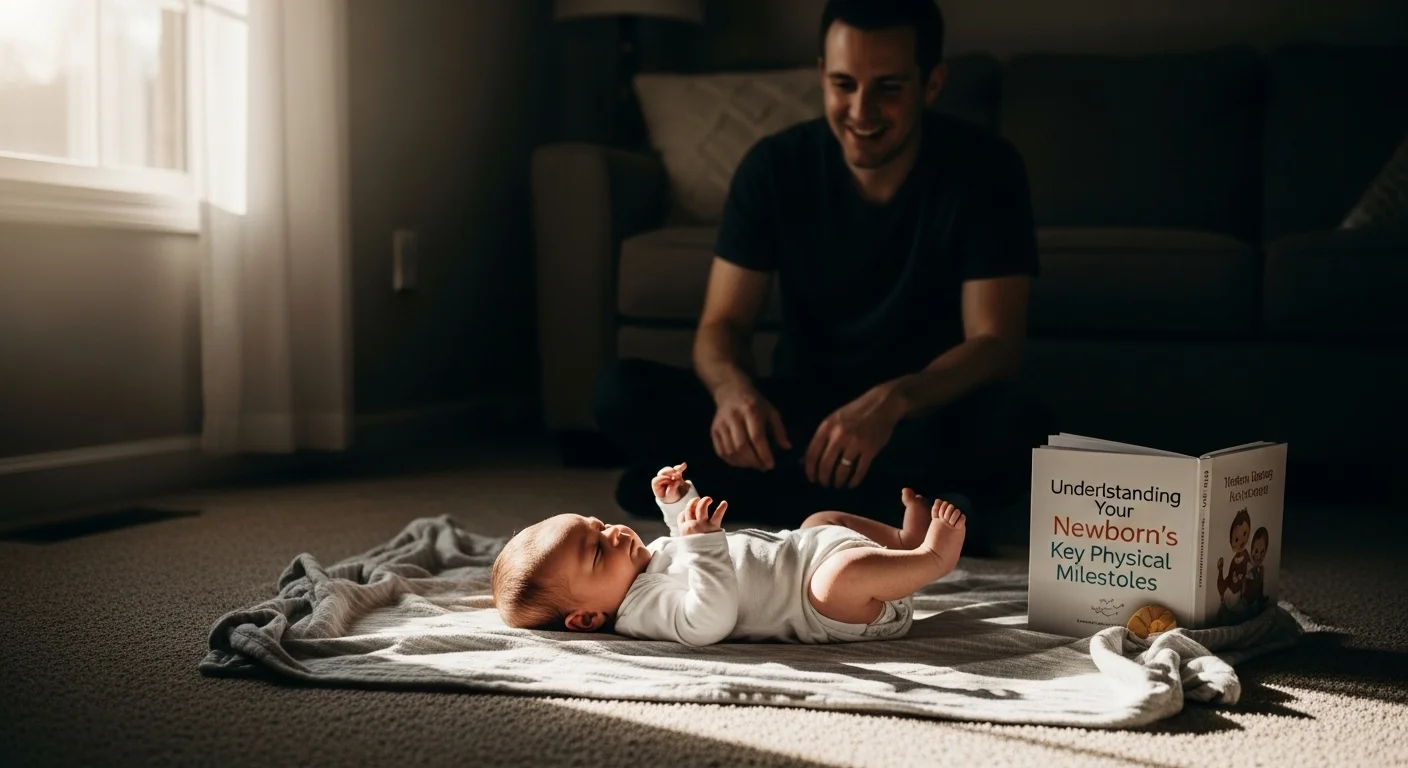
Overview of Newborn Physical Milestones
Definition of Physical Milestones
Physical milestones are the key achievements or skills that a baby typically reaches as they grow. These milestones often include actions like lifting their head, rolling over, sitting up, crawling, and walking. Each of these achievements marks an important stage in a baby’s physical development, showcasing their growing strength, coordination, and understanding of their body. I remember eagerly waiting for my little one to reach each milestone, counting down the days until they could hold their head up or take their first steps. It’s amazing how quickly they grow in those early months!
Importance of Tracking Milestones
Tracking these milestones is crucial for several reasons. First, they help us understand our child’s physical development and assess whether they are progressing as expected. Each milestone can indicate the health of our baby’s muscles and nervous system. When I found out my baby was hitting milestones on schedule, it brought me such reassurance. On the flip side, if there are delays, it can provide early indicators that might require further evaluation or support. Monitoring these milestones isn’t just about the numbers; it’s about connecting with our babies and fostering their growth. For more information, check out Essential Physical Milestones for Your Newborn’s Growth.
Key Physical Milestones by Age
Birth to 1 Month
In those first few weeks, newborns are adjusting to the world outside the womb. At this age, they can typically move their heads from side to side while lying on their backs and may exhibit reflexes such as grasping fingers or rooting for the breast. I remember cradling my newborn and marveling at how instinctively they would grip my finger. It’s a magical bonding moment that showcases their innate drive to connect with us!
1 to 2 Months
During this period, babies begin to gain more control over their neck muscles. They may start to lift their heads briefly while lying on their tummy and can follow moving objects with their eyes. I found it fascinating how my baby would track toys with their gaze, showing signs of curiosity about the world around them. This is also a time when they might start to smile socially, which feels like a huge milestone for parents!
2 to 3 Months
As babies approach three months, they start to show improved head control. They may begin to push up when lying on their tummy and can usually hold their head at a 45-degree angle. I remember placing my little one on their tummy and watching with delight as they pushed their chest up, determined to see more of their surroundings. This age is also when they start to clasp their hands together, which I found just adorable and a sign of developing coordination.
3 to 4 Months
By four months, babies are generally able to roll over from tummy to back and can push down on their legs when their feet are on a hard surface. They might even begin to reach for toys and bring them to their mouths. I loved how excited my little one would get when they could reach for a rattle, a little hand-eye coordination in the making! This is also a time when babies begin to babble and coo, making sounds that can melt any parent’s heart.
4 to 6 Months
As we enter the six-month mark, babies usually can sit up with minimal support and have better control over their hands. They begin to roll both ways and may start to rock back and forth on their knees, showing signs that crawling is just around the corner. I found this stage so exciting because it felt like my baby was on the verge of discovering a whole new world by being able to move around! They might also start to respond to their names, which adds a whole new layer of interaction.
6 to 12 Months
From six to twelve months, the pace of development picks up even more. Babies typically crawl, pull themselves up to stand, and might even take their first steps toward the end of this period. I remember the day my baby took those wobbly first steps; it felt like a monumental achievement. I was filled with pride and a bit of nostalgia, realizing how quickly they were growing. They also start to develop better fine motor skills, allowing them to pick up small objects, which can lead to some messy but fun moments as they explore new textures and shapes.
Developmental Areas of Focus
Gross Motor Skills
Gross motor skills involve the larger muscles in our babies’ bodies and are essential for movements like crawling, standing, and walking. I remember the joy I felt when my baby began to push themselves up, showcasing their determination. These skills develop as babies gain strength and coordination. For instance, when they start to roll over or rock on their knees, it’s a clear sign they’re working on those gross motor skills. I often encouraged my little one by placing toys just out of reach, which motivated them to move and explore. Watching them strive to reach those toys was not only exciting but also a reminder of how these skills lay the foundation for future physical activities.
Fine Motor Skills
Fine motor skills focus on smaller movements, particularly using the hands and fingers. I was amazed at how quickly my baby transitioned from just grasping my finger to picking up small toys. This progression includes actions like using their thumb and index finger to grasp, which is often referred to as the pincer grasp. I remember being delighted when my baby could pick up cheerios during snack time, a true testament to their developing coordination. To encourage fine motor skills, I found it helpful to provide toys that promote grasping and manipulation, like soft blocks or textured balls. It’s fascinating to see how these small actions prepare them for tasks like writing and buttoning clothes later on.
Vision and Eye Coordination
A baby’s vision and eye coordination improve significantly in those first months. I vividly recall how my little one would gaze at bright colors and follow moving objects. It’s incredible how quickly they develop this skill! This ability not only helps with visual acuity but also plays a vital role in their physical development. For example, as babies learn to track objects, they also enhance their hand-eye coordination, making it easier for them to reach for toys. I found that playing simple games like peek-a-boo or holding toys at different distances kept my baby engaged and helped sharpen their visual skills. These early experiences proved to be essential in laying the groundwork for more complex visual tasks they would encounter later.
Physical Growth and Weight Gain
Monitoring physical growth and weight gain is another critical area of focus. Each baby has a unique growth pattern, and I learned that regular check-ups with the pediatrician can help track this. I used to jot down my baby’s weight and height after every visit, eager to see the progress. It’s important to note that growth spurts can happen at various times, and for some babies, they might seem to grow overnight! Healthy weight gain is often a positive indicator of overall development and well-being. I remember those moments when my baby seemed to suddenly outgrow clothes—it was a bittersweet reminder of how fast they were growing. Keeping an eye on growth charts can help ensure our babies are following an appropriate growth pattern, and it’s essential to discuss any concerns with a pediatrician.
Signs of Healthy Development
Physical Indicators of Growth
As parents, we often look for specific signs that indicate our baby’s healthy development. Observing things like their ability to hold up their head, sit up independently, or crawl are all positive indicators that things are on track. I took so much comfort in these little milestones, knowing they were signs of strength and growth. Also, their ability to interact with their environment—like reaching for a toy or showing interest in their surroundings—speaks volumes about their physical and cognitive development. I remember the first time my baby started to reach for a toy across the room; it was a memorable moment that filled me with pride!
Milestone Checklists
Using milestone checklists can be a great way to keep track of what to expect as our babies grow. I found various resources online that provided clear checklists, making it easier to see which milestones my baby had reached and which were on the horizon. These checklists typically outline key milestones for different age ranges, so I could compare my baby’s progress with general expectations. However, I reminded myself that every baby is unique. If my baby missed a milestone by a few weeks, it didn’t mean there was a problem; it just meant they were on their own timeline. Keeping a checklist helped me celebrate the milestones we achieved while also being aware of what to look forward to next.
Parental Observations and Concerns
As parents, our observations are vital in supporting our child’s development. I learned to trust my instincts and pay attention to how my baby interacted with their environment. If something seemed off or if I had concerns about their physical development, it was important for me to address those feelings. I remember expressing my worries during pediatric visits; those conversations often led to valuable insights or reassurances. Being proactive about our observations can help us catch any potential issues early on. It’s all about being engaged and informed, which empowers us to advocate for our children’s well-being.
What to Do If Milestones Are Delayed
Recognizing Delays in Development
As a parent, it can be nerve-wracking to wonder if our little ones are developing on schedule. I remember feeling a mix of excitement and anxiety as I compared my baby’s progress to what I read online. It’s normal for babies to develop at their own pace, but recognizing potential delays can be essential. Signs that my baby might be falling behind include not holding their head up by three months, not rolling over by six months, or not sitting up independently by nine months. I learned that if my baby showed little interest in reaching for toys or wasn’t babbling by a certain age, it might be time to take a closer look. Trusting my instincts and being observant helped me stay attuned to my baby’s development, which is so important during those early years.
When to Consult a Pediatrician
If I noticed any delays or if something just didn’t feel right, I found it helpful to consult a pediatrician. It’s crucial to communicate any concerns openly. I remember one visit where I expressed my worries about my baby’s lack of crawling. The pediatrician reassured me that every baby is different, but also emphasized the importance of checking in regularly. I learned that if my baby missed several milestones or seemed to regress in skills, it was a good reason to seek professional advice. Early intervention is key, and pediatricians can provide guidance, support, and if needed, referrals to specialists who can help.
Intervention Strategies and Resources
Should delays be identified, there are various intervention strategies and resources available. I discovered that early intervention programs could significantly benefit my child’s development. These programs often include therapies that focus on improving motor skills, communication, and social interactions. I found local groups and services that offered support, which was incredibly reassuring. Engaging with a physical therapist or occupational therapist can provide tailored activities and exercises aimed at helping my baby reach those important milestones. These professionals also taught me how to incorporate developmental play into our daily routines, making it a fun and enriching experience. For information on potential health concerns, consider reading Top Symptoms of Newborn Illness: What to Watch For.
Supporting Your Newborn’s Physical Development
Engaging Activities for Different Ages
There are plenty of fun activities we can do with our babies to support their physical development, and I loved discovering new ways to engage with my little one at each stage. For newborns, simple things like tummy time can help strengthen their neck and shoulder muscles. I remember placing my baby on a soft blanket and encouraging them to lift their head while I sang silly songs. As they grew a bit older, I introduced activities like reaching for toys that I would dangle just out of reach, which kept them motivated and excited. For the crawling stage, I made obstacle courses using cushions and blankets, which turned into a delightful adventure for my baby!
Creating a Safe Play Environment
Creating a safe play environment is essential for allowing our babies to explore and grow. I made sure that our play area was free of sharp objects and hazards, providing soft surfaces for my baby to roll and crawl around. I also learned to use baby gates to section off areas where my little one could safely explore without me worrying about potential dangers. Having toys that encourage movement, like balls and soft blocks, became staples in our playtime. It’s amazing how much confidence they gain when they can freely move around in a safe space!
Importance of Tummy Time
Tummy time is a crucial part of supporting our newborn’s physical development. It helps strengthen the muscles in their neck, back, and shoulders, which are vital for future milestones like crawling and walking. I remember incorporating tummy time into our daily routine, starting with just a few minutes at a time and gradually increasing it as my baby grew stronger. I often joined them on the floor, making silly faces and showing toys to keep them engaged. Tummy time not only boosts physical strength but also fosters bonding, which made those moments even more special for both of us.
Common Myths About Newborn Development
Myth: All Babies Develop at the Same Rate
One of the myths I encountered was the idea that all babies develop at the same rate. It’s easy to get caught up in comparisons, especially with the abundance of information available. I quickly realized that each baby is unique, with their own timeline for reaching milestones. I found comfort in knowing that some babies walk early while others take their time. It’s essential to celebrate our individual child’s achievements without the pressure of comparison.
Myth: You Should Push Your Baby to Meet Milestones Early
Another common myth is that we should push our babies to meet milestones early. I learned that while encouragement is important, it’s vital to let our babies develop at their own pace. I remember when friends shared stories of their babies walking at eight months, I felt the temptation to encourage my little one to rush through milestones. However, I realized that pushing them might lead to frustration and hinder their natural progress. Allowing them to explore and develop in their own time is key to fostering a positive experience for both us and our babies.
Myth: Milestones Are Only About Physical Growth
Finally, one myth that surprised me was the belief that milestones are only about physical growth. While it’s true that physical milestones are significant, I learned that cognitive and social-emotional milestones are equally important. I noticed how my baby’s interactions, smiles, and sounds were just as meaningful. Development happens in a holistic way, and nurturing all aspects of growth is vital for our babies to thrive.
Frequently Asked Questions
What are physical milestones in newborns?
Physical milestones are key achievements or skills that a baby typically reaches as they grow, including actions like lifting their head, rolling over, sitting up, crawling, and walking. Each milestone marks an important stage in a baby’s physical development.
Why is it important to track a baby’s physical milestones?
Tracking physical milestones is crucial because it helps parents understand their child’s physical development and assess whether they are progressing as expected. It can indicate the health of the baby’s muscles and nervous system, providing reassurance or early indicators of potential delays.
What should I expect in the first month of my newborn’s development?
In the first month, newborns can typically move their heads from side to side while lying on their backs and may exhibit reflexes such as grasping fingers or rooting for the breast.
At what age do babies start to smile socially?
Babies may start to smile socially around 1 to 2 months of age, which is considered a significant milestone for parents.
When do babies usually begin to crawl?
Babies typically start to crawl between 6 to 12 months of age, and this is also when they may pull themselves up to stand and take their first steps.
What are gross motor skills and why are they important?
Gross motor skills involve the larger muscles in a baby’s body and are essential for movements like crawling, standing, and walking. They develop as babies gain strength and coordination, laying the foundation for future physical activities.
What is tummy time and why is it important?
Tummy time is a crucial activity for supporting a newborn’s physical development, as it helps strengthen the muscles in their neck, back, and shoulders, which are vital for future milestones like crawling and walking.
What should I do if I notice delays in my baby’s development?
If you notice delays in your baby’s development, it is important to consult a pediatrician. Communicating any concerns can lead to valuable insights and ensure that any necessary evaluations or interventions are made.
What are some common myths about newborn development?
Some common myths include the belief that all babies develop at the same rate, that parents should push their babies to meet milestones early, and that milestones are only about physical growth. Each baby is unique, and development is holistic, encompassing physical, cognitive, and social-emotional growth.
How can I create a safe play environment for my baby?
To create a safe play environment, ensure that the play area is free of sharp objects and hazards, provide soft surfaces for rolling and crawling, and use baby gates to section off areas for safe exploration. Having toys that encourage movement is also essential.