
Uninvolved parenting can significantly shape a child’s future, often leaving lasting effects on their emotional, social, and cognitive development. Understanding this parenting style is essential for nurturing healthier family dynamics. For more insights, check out How Uninvolved Parenting Shapes Child Development.
Understanding Uninvolved Parenting
Definition of Uninvolved Parenting
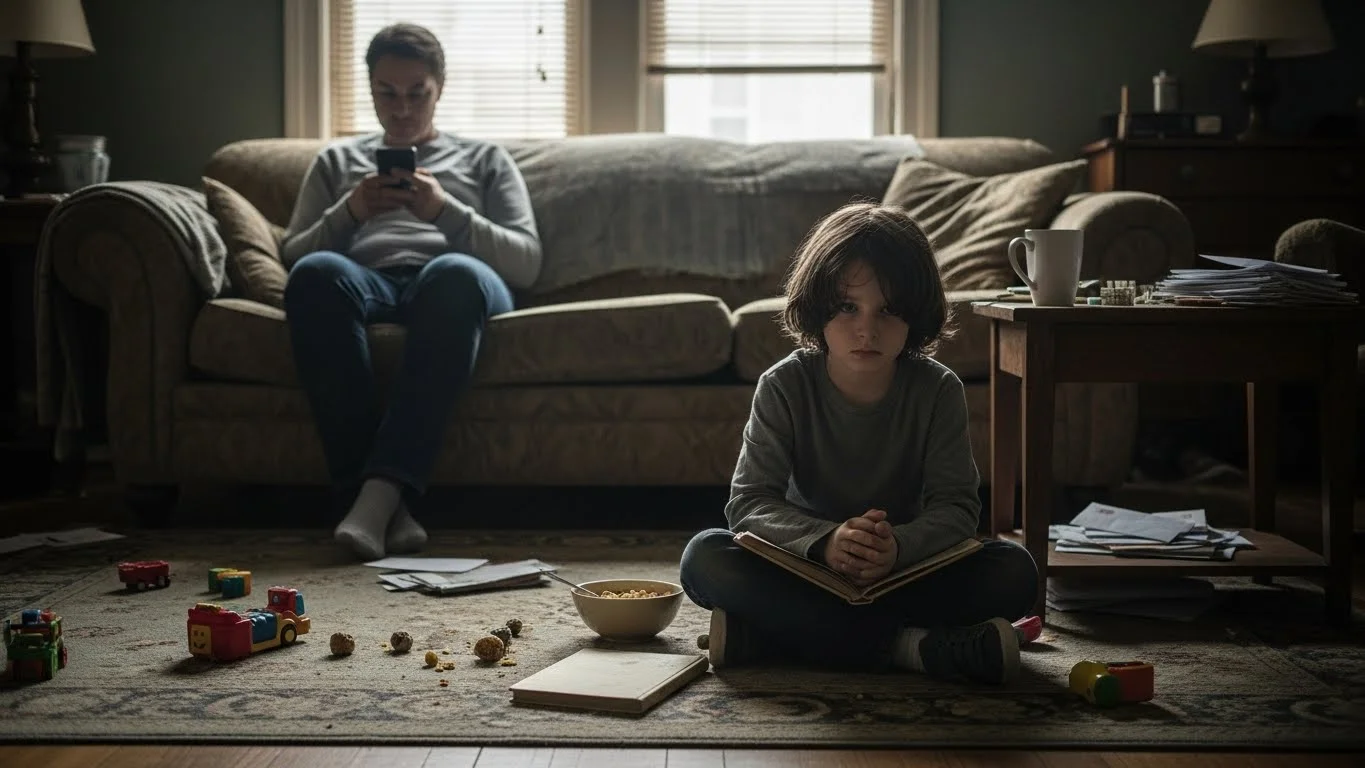
Uninvolved parenting, often referred to as neglectful parenting, is characterized by a lack of responsiveness to a child’s needs. This style is marked by minimal emotional involvement and little guidance, structure, or supervision. I remember learning about this concept and realizing how it differs from other parenting styles like authoritative or permissive. Uninvolved parents may provide for their child’s basic needs, but they often fail to engage emotionally or provide the necessary support for healthy development. This lack of involvement can stem from various factors, including parental stress, mental health issues, or even a lack of parenting knowledge.
Characteristics of Uninvolved Parents
When I think about uninvolved parents, a few key characteristics come to mind. They often exhibit a detached demeanor, showing little interest in their child’s daily activities or emotional experiences. Here are some common traits I’ve noticed:
- Emotional Distance: Uninvolved parents tend to maintain a significant emotional distance, rarely expressing affection or warmth.
- Lack of Supervision: They often provide limited guidance or boundaries, leaving children to navigate their own challenges without support.
- Minimal Communication: Conversations about feelings, experiences, or daily events are infrequent, creating an emotional void.
- Indifference: There can be a general indifference to the child’s achievements or struggles, which can lead to feelings of worthlessness.
From my experience, it’s crucial to recognize these traits, as they help in understanding how uninvolved parenting can impact a child’s life.
Comparison with Other Parenting Styles
In my exploration of parenting styles, I found it fascinating to compare uninvolved parenting with others. For instance, authoritative parenting is centered on warmth and structure, promoting a healthy balance between expectations and emotional support. On the other hand, permissive parenting often involves high emotional involvement but lacks the necessary boundaries. I think it’s essential to understand these differences because they highlight how varying levels of involvement can create different outcomes for children. In contrast to uninvolved parents, those who adopt an authoritative approach provide consistent support, fostering resilience and emotional intelligence in their children.
Reflecting on these styles, I realized that the impact of uninvolved parenting often goes unnoticed until children face significant challenges in their lives. By understanding these dynamics, we can better appreciate the intricate web of influences that contribute to a child’s development. For further reading, check out The Hidden Impacts of Uninvolved Parenting on Kids.
Effects of Uninvolved Parenting on Emotional Development
Impact on Self-Esteem
Reflecting on my own experiences and observations, I’ve seen how uninvolved parenting can severely impact a child’s self-esteem. Without the emotional support and affirmation that comes from a nurturing environment, children may grow up doubting their worth. I remember a friend sharing how her parents rarely acknowledged her achievements, whether big or small. As a result, she often felt invisible, like her efforts didn’t matter. This lack of validation can lead to a persistent feeling of inadequacy, making it hard for children to recognize their strengths and abilities.
In my opinion, self-esteem is built through consistent encouragement and recognition, and when that’s missing, children might internalize the belief that they are not deserving of praise or love. Over time, this can create a cycle of self-doubt that is difficult to break. It’s heartbreaking to think of children growing up without a sense of pride in who they are.
Emotional Regulation Challenges
Another significant effect of uninvolved parenting is the difficulty children may have in regulating their emotions. I’ve watched kids struggle with anger, sadness, or anxiety because they never learned how to express these feelings appropriately. When parents are emotionally distant, children often lack the guidance they need to understand and manage their emotions. I’ve seen this firsthand; a close relative of mine had a tough time handling stress and would often lash out or withdraw because he didn’t know how to cope. This reaction often stems from an upbringing where emotional responses weren’t modeled or discussed.
For me, it’s clear that without the opportunity to navigate emotions in a supportive environment, kids may grow into adults who find it challenging to handle their feelings. They might resort to unhealthy coping mechanisms, such as avoidance or aggression, simply because they weren’t taught how to deal with their emotional landscape.
Formation of Attachment Styles
In my exploration of relationships, I’ve come to realize that the way we attach to others is often rooted in our early experiences. Uninvolved parenting can lead to insecure attachment styles, where children grow up feeling unloved or unworthy. I remember reading about attachment theory and how those formative years shape our future relationships. Children who experience a lack of involvement may develop anxious or avoidant attachment styles, making it difficult for them to form healthy, secure relationships later in life.
This concept really struck a chord with me as I considered how my own attachment style was influenced by my upbringing. I noticed that friends who had uninvolved parents tended to struggle with trust and intimacy in their adult relationships. They would either cling too tightly or keep others at arm’s length, reflecting the emotional distance they felt as children. It’s a cycle that can perpetuate itself, causing pain not just for them, but for those they try to connect with.
Effects on Social Skills and Relationships
Difficulty in Forming Friendships
When it comes to social skills, I’ve observed that children raised by uninvolved parents often find it challenging to form friendships. I remember a classmate who struggled to connect with others. Despite wanting friends, she seemed unsure of how to approach them or even engage in conversation. This experience made me realize that uninvolved parenting can lead to social awkwardness, as children miss out on learning essential social cues and skills from their parents.
In my opinion, friendships are crucial for emotional support and development, and without the foundational skills to build those connections, kids might feel isolated. They may also struggle with feelings of loneliness, which can be even more pronounced if they come from a home where emotional bonding is lacking.
Challenges in Peer Interactions
As children grow, their ability to interact with peers becomes even more important. I’ve noticed that those from uninvolved backgrounds often have difficulties navigating social situations. They might be hesitant to express their thoughts or feelings due to a lack of practice in a supportive environment. I remember feeling nervous in social settings, but I had parents who encouraged me to engage and share my thoughts. In contrast, friends who didn’t have that encouragement often remained quiet and withdrawn.
This reluctance to engage can lead to misunderstandings and conflicts with peers, which can further isolate uninvolved children. They often miss the opportunity to learn important conflict resolution skills, which are crucial for maintaining friendships and fostering healthy relationships.
Long-Term Relationship Issues
As I think about the long-term effects of uninvolved parenting, one of the most concerning aspects is the impact on adult relationships. Many people I know who experienced this type of upbringing struggle with commitment and intimacy in their romantic relationships. The emotional detachment they experienced as children can manifest as fear of vulnerability in adulthood. I’ve seen friends sabotage their relationships out of fear of getting too close, believing they’re unworthy of love.
In my experience, it seems that those who grew up with uninvolved parents often carry the weight of their upbringing into their adult lives, affecting not just romantic relationships but friendships and family dynamics as well. It’s a heavy burden, and recognizing these patterns can be the first step toward healing and change.
Cognitive Effects of Uninvolved Parenting
Impact on Academic Performance
Reflecting on how parenting styles influence education, I’ve seen that uninvolved parenting can have a profound effect on a child’s academic performance. Children who lack parental engagement often struggle in school, not just academically but also in terms of motivation. I remember a friend from high school who was incredibly intelligent but rarely did her homework. When I asked her why, she shared that her parents didn’t check her assignments or encourage her to study. This lack of involvement made her feel like her education didn’t matter, which ultimately reflected in her grades.
In my experience, children thrive in environments where their parents show interest in their education. Without this guidance, kids might not develop the necessary habits for success, such as time management and responsibility. This can create a cycle where poor academic performance leads to lower self-esteem, which in turn makes a child less likely to engage in school activities. It’s disheartening to see potential go unrecognized due to a lack of parental support.
Critical Thinking and Problem-Solving Skills
Another aspect I’ve noticed is the effect of uninvolved parenting on critical thinking and problem-solving skills. I remember participating in group projects in school, where collaboration was key. Kids who had involved parents often came to the table with ideas and strategies, while those from uninvolved backgrounds sometimes struggled to articulate their thoughts. I believe this is because they missed out on discussions at home that encourage critical thinking.
Without exposure to problem-solving discussions or opportunities to engage in brainstorming with parents, children may not develop essential skills needed to tackle challenges. I’ve seen firsthand how this gap can leave kids feeling overwhelmed when faced with difficult situations. It’s crucial for children to learn how to think critically and approach problems creatively, but that often requires parental involvement to model these skills.
Motivation and Goal Setting
Motivation is another area where uninvolved parenting can have significant repercussions. I’ve observed that children whose parents take a hands-off approach often lack the drive to pursue goals. For example, I had a classmate who had all the potential in the world but never set any goals for herself. When we talked about future plans, she told me her parents never discussed college or career aspirations with her, which left her feeling adrift.
In my opinion, setting goals and working towards them is a vital part of personal development. Children need encouragement to dream big and pursue their ambitions. Without this encouragement, they may feel lost or apathetic about their futures. I think it’s essential for parents to not only help their kids set goals but also to celebrate small achievements along the way, which can foster a sense of accomplishment and motivation.
Behavioral Outcomes of Uninvolved Parenting
Increased Risk of Anxiety and Depression
A significant concern I’ve come across regarding uninvolved parenting is the increased risk of anxiety and depression among children. I’ve learned that when kids don’t receive emotional support, they can develop feelings of loneliness and worthlessness. I remember reading about how adolescence can be a particularly vulnerable time, and without a supportive family, many teenagers can spiral into anxiety and depression. I had a friend who struggled with these issues and often shared how her parents’ emotional absence exacerbated her feelings of despair.
In my experience, emotional support from parents can serve as a protective factor against mental health issues. Children need to feel that their feelings matter and that they have someone to turn to. When this support is lacking, it can lead to a pervasive sense of hopelessness, making it difficult for them to navigate life’s challenges.
Potential for Aggressive or Risky Behaviors
Uninvolved parenting can also lead children to engage in aggressive or risky behaviors. I’ve seen this happen in my community—I remember a young boy who struggled to fit in and often acted out in school. His parents were uninvolved, and he lacked the guidance to understand the consequences of his actions. This led to fights and disciplinary issues, which only further alienated him from his peers.
In my opinion, when children feel neglected, they may seek attention in unhealthy ways. They might act out in school or get involved in risky behaviors, believing that any attention—positive or negative—is better than none at all. It’s heartbreaking to think that these actions stem from a lack of nurturing and guidance at home.
Substance Abuse Risks
Lastly, I want to touch on the risk of substance abuse among children raised in uninvolved households. I’ve seen how, without proper support and guidance, some kids turn to drugs or alcohol as a means of coping with their emotional pain. I remember hearing about a young adult who struggled with addiction, and as I learned more about his background, it became clear that he had grown up with uninvolved parents who didn’t provide the emotional support he desperately needed.
In my view, this risk is particularly concerning as it highlights the long-term effects of uninvolved parenting. Kids often seek to fill the void left by their parents with substances, leading to a dangerous path that can affect their health and future. I believe it’s crucial for parents to actively engage in their children’s lives to help them develop healthy coping mechanisms.
Long-Term Effects into Adulthood
Career and Professional Impact
As I reflect on how uninvolved parenting can extend its reach into adulthood, the impact on career and professional life stands out. I’ve seen that individuals who grew up with uninvolved parents often struggle with motivation and self-advocacy in the workplace. I remember talking to a coworker who was incredibly talented but seemed to hold back during meetings. When I asked why, she shared that she never felt encouraged to speak up or assert herself as a child. This lack of confidence can lead to missed opportunities for advancement and recognition.
In my opinion, the workplace can be daunting, and without a strong sense of self-worth or the ability to advocate for oneself, it’s easy to feel overshadowed. I believe it’s essential for adults who experienced uninvolved parenting to actively work on building their professional skills and seeking mentorship. This journey can be challenging, but recognizing the influence of their upbringing is the first step toward breaking free from those limitations.
Personal Relationships and Family Life
Looking at personal relationships, I think the patterns established in childhood can heavily influence adult interactions. Many of my friends who grew up with uninvolved parents have reported difficulties in their romantic relationships. They often find themselves either overly independent or unable to rely on their partners, fearing vulnerability. I remember a close friend who was terrified of commitment, fearing that being close would lead to pain, a clear reflection of her childhood experiences.
This avoidance can create a barrier to forming deep, meaningful connections. I believe it’s crucial for individuals to seek help in understanding these patterns and working toward developing healthier relationship dynamics. Family life can also be affected, as they may struggle with parenting their own children, perpetuating the cycle of emotional distance.
Mental Health Outcomes
Another area of concern is the correlation between uninvolved parenting and mental health challenges in adulthood. I’ve seen individuals who experienced neglect as children grapple with anxiety, depression, and other mental health issues. A friend of mine opened up about her struggles with depression and how, reflecting on her childhood, she realized the lack of emotional support from her parents left her feeling isolated and overwhelmed. For her, seeking therapy was a necessary step in understanding and unpacking those feelings.
From my perspective, it’s vital for adults who have experienced uninvolved parenting to prioritize their mental health. Recognizing the lasting effects of their upbringing can help them address these issues head-on, paving the way for healing and growth.
Addressing the Consequences of Uninvolved Parenting
Strategies for Improvement
As I think about how to address the consequences of uninvolved parenting, I realize that change is possible. For those who recognize these patterns in themselves, taking small steps can lead to significant improvements. I often recommend starting with self-reflection and identifying areas in life where they feel inadequate or disconnected. Forming a support network of friends or seeking professional help can also provide a strong foundation for growth.
In my experience, setting achievable goals and celebrating small victories can help build self-esteem and motivation. It’s all about creating a new narrative that empowers individuals to take charge of their lives and relationships.
Resources for Parents and Children
For parents, understanding the impact of uninvolved parenting is the first step toward change. I believe it’s essential to seek resources that provide guidance on nurturing emotional connections with their children. Books, workshops, and parenting classes can offer valuable insights. Additionally, I’ve found that support groups can be beneficial for parents who are navigating their challenges.
For children and teens, accessing counseling or therapy can also provide a safe space to express feelings and learn coping strategies. Schools often have resources available, including counselors who can help children work through these issues. For more insights, consider Navigating Uninvolved Parenting: Key Insights for Families.
Therapeutic Approaches
Finally, I think therapeutic approaches can play a critical role in healing the wounds left by uninvolved parenting. Cognitive-behavioral therapy (CBT) is one method that has been effective for many. It helps individuals reframe negative thoughts and develop healthier coping mechanisms. Art and play therapy can also be beneficial for younger children, allowing them to express their feelings in a non-verbal way.
From my perspective, investing time and effort into therapy can lead to profound changes, empowering individuals to break free from the cycle of uninvolved parenting and build a brighter future for themselves and their families.
Final Thoughts
Reflecting on the impact of uninvolved parenting, I feel a mix of sadness and hope. It’s disheartening to see how a lack of emotional involvement can ripple through a person’s life, affecting their self-esteem, relationships, and mental health. Yet, I firmly believe that awareness and understanding can pave the way for healing and growth. Each step taken toward nurturing connections, whether through therapy or self-improvement, can create a more positive and supportive environment for future generations. I hope that by sharing these insights, we can encourage a shift toward more involved and loving parenting, ultimately fostering healthier individuals and families.
Frequently Asked Questions
What is uninvolved parenting?
Uninvolved parenting, often referred to as neglectful parenting, is characterized by a lack of responsiveness to a child’s needs, marked by minimal emotional involvement and little guidance, structure, or supervision.
What are some characteristics of uninvolved parents?
Common traits of uninvolved parents include emotional distance, lack of supervision, minimal communication, and indifference to the child’s achievements or struggles.
How does uninvolved parenting affect a child’s self-esteem?
Uninvolved parenting can severely impact a child’s self-esteem, leading them to doubt their worth due to the lack of emotional support and validation from their parents.
What impact does uninvolved parenting have on emotional regulation?
Children raised by uninvolved parents often struggle with regulating their emotions, as they do not receive guidance on how to express and manage their feelings appropriately.
How does uninvolved parenting influence social skills?
Children from uninvolved backgrounds often have difficulty forming friendships and navigating social situations, which can lead to feelings of loneliness and social awkwardness.
What are the long-term effects of uninvolved parenting on adult relationships?
Adults who experienced uninvolved parenting may struggle with commitment and intimacy in their relationships, often reflecting the emotional detachment they faced as children.
How does uninvolved parenting impact academic performance?
Children who lack parental engagement often struggle academically and may lack motivation, which can lead to poor academic performance and lower self-esteem.
What are some mental health outcomes associated with uninvolved parenting?
Uninvolved parenting is associated with an increased risk of anxiety and depression in children, as they often feel lonely and unworthy without emotional support.
What strategies can help address the consequences of uninvolved parenting?
Strategies for improvement include self-reflection, forming a support network, setting achievable goals, and seeking professional help to build self-esteem and motivation.
What therapeutic approaches can help those affected by uninvolved parenting?
Cognitive-behavioral therapy (CBT), art therapy, and play therapy are effective methods that can help individuals express their feelings and develop healthier coping mechanisms.