
Uninvolved parenting can have profound effects on children’s lives, shaping their emotional, social, and academic outcomes. Understanding this parenting style is crucial for recognizing its long-term impact on children. Understanding Uninvolved Parenting: A Comprehensive Guide can provide deeper insights into this topic.
Understanding Uninvolved Parenting
Definition of Uninvolved Parenting
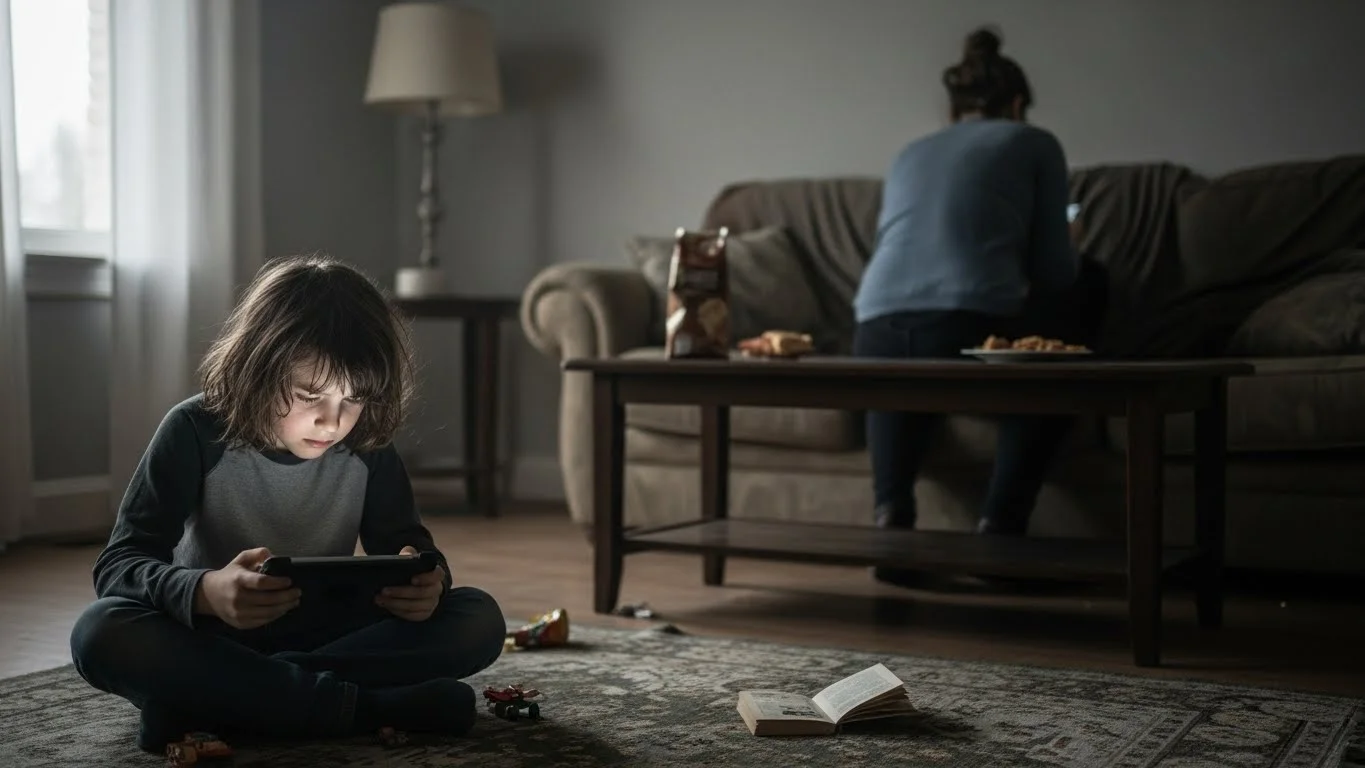
Uninvolved parenting, often described as neglectful or detached, is a style where parents are emotionally distant and disengaged from their children’s lives. This approach can manifest in various ways, such as a lack of supervision, minimal communication, and little or no emotional support. I remember a friend of mine growing up who often felt invisible at home; her parents were physically present but rarely participated in her life, leaving her to navigate challenges all on her own. It’s a parenting style that, unfortunately, can set the stage for a multitude of struggles in the child’s future.
Characteristics of Uninvolved Parenting
There are several key characteristics that stand out in uninvolved parenting. First, there’s a significant absence of warmth and affection. Parents may provide the basic needs like food and shelter, but emotional connection is often lacking. I’ve seen this in various friends’ families where the parents were preoccupied with their own lives, leaving the children to fend for themselves emotionally.
Another hallmark of uninvolved parenting is a lack of guidance and rules. Children often find themselves without structure, which can lead to confusion and uncertainty about expectations. I think about how my friends reacted to authority figures; many struggled to understand boundaries simply because they were never taught them at home. In addition, uninvolved parents typically do not engage in their children’s education or extracurricular activities, making it harder for kids to develop a sense of purpose or belonging. Uninvolved Parenting: The Hidden Impact on Child Development highlights these critical issues.
Comparison with Other Parenting Styles
When comparing uninvolved parenting to other styles, like authoritative or authoritarian, the differences become strikingly clear. Authoritative parents, for example, balance high expectations with emotional support, while authoritarian parents impose strict rules without warmth. I’ve often observed that children raised in authoritative homes tend to exhibit higher levels of self-esteem and better social skills than those raised by uninvolved parents. In essence, uninvolved parenting stands out as one of the least effective styles, often leading to detrimental outcomes for children.
Furthermore, uninvolved parenting differs from permissive parenting, which, although also lacking in structure, offers a degree of emotional warmth that uninvolved parenting does not. My personal experiences show that while permissive children may struggle with self-discipline, they often have a stronger emotional foundation than those from uninvolved households. This comparison highlights just how critical parental engagement is for healthy child development.
Impact on Children’s Emotional Development
Emotional Neglect and Its Consequences
Emotional neglect can be one of the most profound consequences of uninvolved parenting. I’ve seen it manifest in friends who felt they had to bottle up their feelings because there was no one to share them with. They often seemed lost, grappling with emotions they didn’t know how to express. Emotional neglect doesn’t just leave a gap; it creates a void that can lead to anxiety and depression later in life. It’s heartbreaking to realize that many children internalize this neglect, believing their emotions don’t matter or that they aren’t worthy of love and attention.
As I explored this topic more, I found that children growing up in uninvolved households might struggle with identifying their own feelings. They miss out on learning how to navigate emotional landscapes, and this can lead to them feeling overwhelmed when they do face challenges. I remember talking to one friend who shared how, even as an adult, it was hard for her to articulate her feelings in relationships. She often felt lost and confused, unsure of how to connect with others emotionally.
Effects on Self-Esteem
The idea of self-esteem is another critical area affected by uninvolved parenting. I’ve noticed that children who receive minimal emotional support often struggle to see their own worth. They grow up with a skewed perception of themselves, believing they are not important or that their achievements are insignificant. In my experience, this can lead to a constant search for validation from others, as they never learned to validate themselves.
For example, I remember a classmate who excelled academically but always downplayed her achievements. She would shrug off compliments and often doubted her capabilities. It became clear that her parents rarely celebrated her successes, leaving her with a persistent feeling of inadequacy. The lack of parental acknowledgment can create a cycle where children feel they must constantly prove themselves to feel valued.
Attachment Issues and Relationship Difficulties
Attachment theory has always intrigued me, especially as I’ve witnessed how uninvolved parenting can lead to significant relationship difficulties later in life. Children learn how to form bonds based on their early experiences with their caregivers. When those caregivers are disengaged or emotionally unavailable, it can lead to insecure attachment styles.
As I reflected on some of my friends, I realized that those who experienced uninvolved parenting often struggled in their relationships, finding it challenging to trust others or form deep connections. I remember one friend who consistently pushed people away, fearing rejection because she had never been shown what healthy love and attachment looked like. She often expressed that she felt undeserving of love, which created a barrier in her friendships and romantic relationships.
These attachment issues can persist into adulthood, making it difficult for individuals to establish and maintain healthy relationships. I think it’s crucial to recognize that the emotional neglect from uninvolved parenting doesn’t just affect children—it shapes their entire worldview and how they interact with others.
Impact on Children’s Social Development
Social Skills Deficits
Social skills are often learned through interaction, and uninvolved parenting can create a significant gap in this area. I’ve seen firsthand how children raised in environments where parental involvement is minimal may struggle to develop essential social skills. They might not learn how to read social cues or engage in conversations effectively.
For instance, I recall a childhood friend who always seemed uncomfortable in group settings. She would often stand off to the side, unsure of how to join conversations or make friends. It became clear that without parental guidance on social interactions, she lacked the confidence to engage with her peers. I remember wanting to help her, but I realized that it was a deeper issue rooted in her upbringing.
Difficulty in Forming Relationships
This lack of social skills can lead to significant difficulties in forming lasting relationships. I’ve noticed that children from uninvolved homes often struggle with friendship dynamics. They may not know how to share, resolve conflicts, or empathize with others, which are all crucial components of healthy relationships.
Looking back, I remember a friend who had a tough time maintaining friendships. She would often feel left out or misunderstood, and sadly, it stemmed from her upbringing. Without a model of healthy, reciprocal relationships at home, she found it challenging to navigate the complexities of friendships. It broke my heart to see how this impacted her self-worth and social standing.
Peer Interaction Challenges
Peer interaction is another area where uninvolved parenting can take a toll. Children may struggle with initiating or maintaining conversations, leading to feelings of isolation. I’ve seen this play out in school settings, where kids who lack parental involvement often find it hard to integrate with their peers.
In my experience, this can result in a cycle of loneliness. I remember a classmate who sat alone during lunch, seemingly content but clearly yearning for connection. He often mentioned that he didn’t know how to approach others, a skill that typically develops through parental modeling and encouragement. This made me realize how vital it is for parents to be engaged, helping their children gain the social skills necessary to build relationships.
Impact on Academic Performance
Connection Between Parenting and Academic Success
The connection between parenting styles and academic success is profound. Uninvolved parenting can lead to significant challenges in a child’s educational journey. I’ve witnessed this firsthand in friends who struggled with schoolwork and lacked the support they needed at home. The absence of parental guidance often means that children have difficulty staying organized, completing assignments, or asking for help when they need it. I remember one friend who would often come home with piles of homework but had no one to turn to for assistance. It was heartbreaking to see how this lack of support directly affected her grades and confidence in her abilities.
Research supports the idea that children with involved parents tend to perform better academically. They have someone to encourage them, celebrate achievements, and help them navigate challenges. I often felt fortunate to have parents who were engaged in my education, attending school events and offering help with homework. This made me realize just how much of a difference it can make when children feel supported and valued in their learning environment.
Effects on Motivation and Engagement
Motivation is another critical area impacted by uninvolved parenting. Children who grow up without encouragement may struggle to find the drive to succeed academically. I’ve seen this in peers who lacked intrinsic motivation and needed external validation to push themselves. They often seemed disinterested in school, simply going through the motions without any real engagement. It’s as if they were waiting for someone to spark their interest, but without parental involvement, that spark was never ignited.
In my experience, I found that when parents showed interest in school projects or extracurricular activities, it not only motivated me to do my best but also made me feel like my efforts mattered. I think about how different it could have been for my friends who didn’t receive that same encouragement. Instead of flourishing, they often faced a downward spiral of disengagement, leading to poor academic performance and a lack of enthusiasm for learning.
Long-Term Educational Outcomes
The long-term educational outcomes for children raised in uninvolved households can be quite alarming. Many face challenges that extend beyond their school years. I’ve learned that these children are often more likely to drop out of school or pursue lower levels of education. It’s as if the foundation for academic success was never laid, leaving them unprepared for the competitive nature of today’s world.
Reflecting on my own journey, I had friends who went on to pursue higher education, largely because their parents were invested in their academic pursuits. In contrast, I knew others who found it difficult to envision a future beyond high school due to the lack of encouragement and support. It was disheartening to see how uninvolved parenting could limit a child’s aspirations and potential. The ripple effects can last a lifetime, affecting career choices, financial stability, and overall quality of life. Understanding Uninvolved Parenting: Effects on Kids’ Behavior can shed more light on these long-term impacts.
Behavioral Issues Linked to Uninvolved Parenting
Increased Risk of Behavioral Problems
Uninvolved parenting is closely associated with an increased risk of behavioral problems in children. I’ve seen this manifest in various ways, from minor acts of defiance to more severe behavioral issues. The lack of structure and guidance can lead children to seek attention in negative ways, often engaging in risky or rebellious behavior. I recall a friend who started acting out at school, and it became clear that the absence of parental involvement was a significant factor in her actions.
Children without the proper guidance can become confused about acceptable behavior, leading to a cycle of misbehavior that becomes difficult to break. They may not develop a sense of accountability or the ability to understand the consequences of their actions, which can further exacerbate the problem. It’s a troubling reality that many of us have seen play out, and it often stems from that early emotional neglect.
Substance Abuse and Risky Behaviors
Another concerning outcome of uninvolved parenting is the increased likelihood of substance abuse and other risky behaviors. I’ve read studies indicating that children who lack parental guidance are more prone to experiment with drugs and alcohol at an earlier age. This risk comes from both a desire for acceptance and a need to fill the emotional void left by their parents. I remember hearing about classmates who turned to substance use as a way to cope with their feelings of isolation or neglect, which only opened a whole new set of challenges.
In my own life, I’ve seen how friends who had stronger parental connections often had a clear understanding of the dangers of substance use. Their parents didn’t just set rules; they had conversations about risks and consequences, helping to shape their decisions. It’s a stark contrast to those who grew up without that guidance, highlighting the importance of active parenting in preventing such issues.
Criminal Activity and Delinquency
The link between uninvolved parenting and criminal activity is another alarming aspect. Studies have shown that children raised in neglectful environments are at a higher risk of engaging in delinquent behavior. I’ve witnessed this in my community, where some peers fell into negative influences and legal troubles as they sought companionship or validation outside their homes. For many, the lack of supervision and emotional connection at home led them to make choices that would ultimately affect their futures.
Reflecting on these experiences, I’ve come to understand how crucial it is for parents to be involved in their children’s lives. The emotional support and guidance can serve as protective factors against delinquency. It’s heartbreaking to see how uninvolved parenting can set children on a path of trouble, reinforcing the need for awareness and proactive engagement in their lives.
Identifying Uninvolved Parenting in Different Contexts
Uninvolved Parenting in Low-Income Families
Uninvolved parenting can often be more pronounced in low-income families due to the stressors associated with financial hardship. I’ve seen how parents who are struggling to make ends meet may become overwhelmed and less able to engage with their children. In these situations, it’s not uncommon for parents to prioritize survival over emotional presence, leading to neglect. I remember volunteering at a local food bank, where many families came for assistance. It struck me how some parents, while physically present, were often preoccupied with their stressors, leaving their children to navigate the world largely on their own.
Research has shown that children in these environments may face additional challenges, such as limited access to educational resources and extracurricular activities. I recall a young boy I met who loved to read but lacked books at home. He was incredibly bright, but the absence of parental guidance in his academic pursuits made it difficult for him to thrive in school. It’s a tough cycle, as parents may want to be more involved, but the pressures of their circumstances may keep them emotionally distant.
Uninvolved Parenting in High-Income Families
On the flip side, uninvolved parenting can also be prevalent in high-income families, where the parents may be physically present but emotionally absent due to demanding careers or social commitments. I’ve encountered families who seem to have everything—financial stability, spacious homes, and access to the best schools—but the children often felt neglected. Their parents were more focused on their jobs or personal lives than on their children’s needs.
For example, I had a friend whose parents were successful entrepreneurs. They often traveled for work, leaving her with caregivers who didn’t provide the emotional support she craved. She would often express feelings of loneliness, despite being in a luxurious environment. It became clear that the financial resources didn’t equate to emotional wealth, highlighting that engagement is essential regardless of socioeconomic status.
Cultural Perspectives on Uninvolved Parenting
Cultural factors also play a significant role in shaping parenting styles. I’ve noticed that in some cultures, emotional expression is less emphasized, leading to what might appear as uninvolved parenting from an outside perspective. Parents may believe they are providing adequately by ensuring their children’s physical needs are met. I remember discussing this with a friend from a different cultural background who shared that her parents believed independence was a sign of strength. While they gave her freedom, she often felt abandoned, struggling to find the balance between independence and support.
It’s essential to recognize that cultural norms can influence how involvement is perceived and practiced. Understanding these nuances can help us approach the topic of uninvolved parenting with empathy rather than judgment, allowing for more productive conversations about parental engagement and support.
Strategies for Parents to Improve Engagement
Recognizing the Importance of Involvement
For parents who might recognize themselves in the uninvolved category, acknowledging the importance of being engaged is the first step toward change. I think about my own journey as a parent, where I’ve had moments of feeling overwhelmed. It’s important to take a step back and realize how much children benefit from emotional presence. I’ve learned that even small moments of connection can have a profound impact.
Practical Tips for Increasing Parental Engagement
There are several practical strategies I recommend to increase parental engagement. One effective approach is to set aside dedicated time for family activities. I remember when my family started weekly game nights; it not only brought us closer but also encouraged open communication. Simple gestures, like asking about their day or attending school events, can make a huge difference in a child’s life.
- Establish a routine that includes family meals together to facilitate conversation.
- Encourage children to share their interests and participate in their hobbies.
- Volunteer together in community activities to foster a sense of belonging.
Creating a Supportive Home Environment
Creating a supportive home environment is also crucial. I believe that when children feel safe and valued, they are more likely to open up and share their thoughts and feelings. From my experience, decorating a space with their artwork or having a designated time for family discussions can encourage expression and connection. It’s about fostering an atmosphere where children know they can come to their parents without fear of judgment.
Resources for Parents and Caregivers
Books on Parenting Styles and Child Development
For those looking to deepen their understanding of parenting styles, there are many excellent books available. Titles that focus on emotional intelligence and effective parenting techniques can provide valuable insights. I found books like “The Whole-Brain Child” by Daniel J. Siegel and Tina Payne Bryson incredibly helpful in reshaping my approach to parenting.
Support Groups and Counseling Options
Support groups can also be a lifeline for parents aiming to improve their engagement. When I attended a local parenting group, I appreciated the shared experiences and strategies from others facing similar challenges. Counseling options for families can provide individualized support tailored to their unique situations, helping to bridge the gap caused by uninvolved parenting.
Online Resources and Workshops
Lastly, the internet offers a plethora of resources, from informative websites to online workshops. I remember stumbling upon a webinar on positive parenting that transformed my perspective. Websites dedicated to parenting advice often provide practical tips and community forums where parents can connect and share their journeys.
Final Thoughts
Understanding the impacts of uninvolved parenting and taking steps to improve engagement can lead to healthier emotional, social, and academic outcomes for children. We all have the ability to change the dynamics within our families and provide the support that children need to thrive. It’s never too late to start being involved, and the benefits can be life-changing for both parents and children. I’ve witnessed transformations in families who make the effort to connect, and it’s a beautiful reminder that our involvement truly matters.
Frequently Asked Questions
What is uninvolved parenting?
Uninvolved parenting, often described as neglectful or detached, is a style where parents are emotionally distant and disengaged from their children’s lives. This can manifest in a lack of supervision, minimal communication, and little or no emotional support.
What are the characteristics of uninvolved parenting?
Key characteristics of uninvolved parenting include a significant absence of warmth and affection, lack of guidance and rules, and minimal engagement in children’s education or extracurricular activities. This absence can lead to confusion and uncertainty in children.
How does uninvolved parenting compare to other parenting styles?
Uninvolved parenting differs from authoritative parenting, which combines high expectations with emotional support, and authoritarian parenting, which imposes strict rules without warmth. Compared to permissive parenting, uninvolved parenting lacks emotional warmth, making it one of the least effective styles.
What impact does uninvolved parenting have on children’s emotional development?
Uninvolved parenting can lead to emotional neglect, causing children to struggle with expressing their feelings and leading to anxiety and depression. This emotional neglect creates a void that can affect children’s self-esteem and their ability to form healthy relationships.
How does uninvolved parenting affect children’s social development?
Children raised in uninvolved households often face deficits in social skills, making it difficult for them to engage in conversations or form lasting relationships. They may struggle with peer interactions and experience feelings of isolation.
What are the academic outcomes associated with uninvolved parenting?
Uninvolved parenting can lead to significant challenges in academic performance, with children often struggling to stay organized or complete assignments. This lack of support can result in lower academic motivation and increased likelihood of dropping out of school.
What behavioral issues are linked to uninvolved parenting?
Uninvolved parenting is associated with an increased risk of behavioral problems, including minor acts of defiance and more severe behavioral issues. The absence of structure can lead children to seek attention through negative behaviors.
How does uninvolved parenting manifest in low-income families?
In low-income families, uninvolved parenting may be more pronounced due to the stressors of financial hardship. Parents may become overwhelmed and prioritize survival over emotional presence, leaving children to navigate challenges largely on their own.
Can uninvolved parenting occur in high-income families?
Yes, uninvolved parenting can also be prevalent in high-income families, where parents may be physically present but emotionally absent due to demanding careers or social commitments, resulting in children feeling neglected despite having material advantages.
What strategies can parents use to improve engagement with their children?
Parents can increase engagement by setting aside dedicated time for family activities, establishing routines that include family meals, encouraging children to share their interests, and creating a supportive home environment that fosters open communication.