
Uninvolved parenting can often go unnoticed, but its effects can profoundly impact children. Understanding what it entails is crucial for recognizing its signs and making positive changes. For more information, check out Recognizing Uninvolved Parenting: 7 Warning Signs.
Understanding Uninvolved Parenting
Definition of Uninvolved Parenting
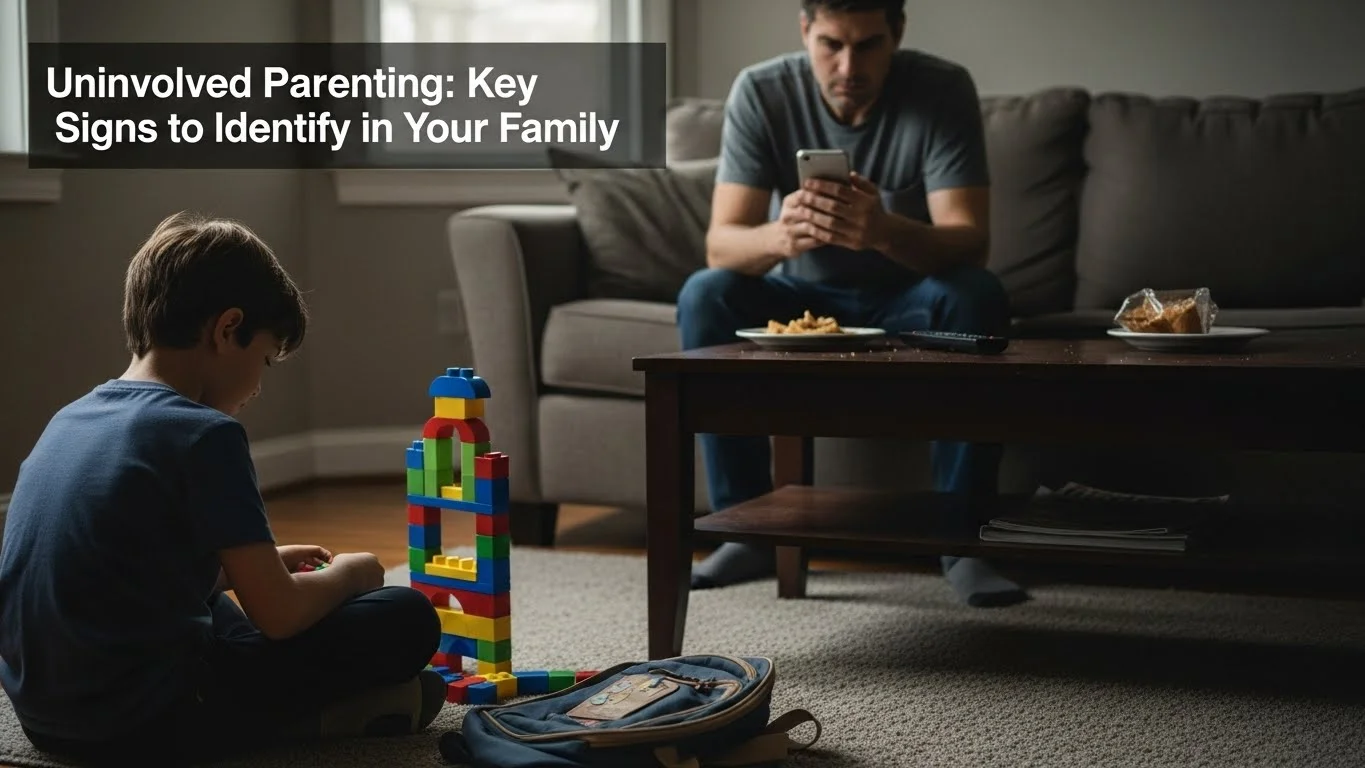
Uninvolved parenting, sometimes referred to as neglectful parenting, is characterized by a lack of responsiveness to a child’s needs. From my understanding, this style often involves parents who are emotionally distant, indifferent, or uninvolved in their child’s life. They may provide basic physical necessities like food and shelter, but there’s little to no emotional connection or engagement in their child’s daily experiences. I’ve noticed that this kind of parenting can leave children feeling unsupported and alone, which can lead to various challenges down the road.
Historical Context and Evolution of Parenting Styles
When I dive into the history of parenting styles, I find it fascinating how our understanding of what it means to be a good parent has changed over the decades. In the past, parenting was often seen through a rigid lens; parents were primarily focused on discipline and obedience. The uninvolved style might have been more common back then, with the belief that children should be seen and not heard. As society evolved, so did our views on nurturing and emotional support. I think we’ve come to recognize that a child’s emotional needs are just as important as their physical ones, which is why understanding uninvolved parenting is more relevant today than ever.
Key Signs of Uninvolved Parenting
Lack of Emotional Support
One of the first signs I noticed in cases of uninvolved parenting is the lack of emotional support. Children thrive on validation and encouragement, and when parents are emotionally unavailable, kids may struggle to express themselves. I remember a friend telling me about her childhood, where she rarely received praise or affection from her parents. This absence can lead to feelings of inadequacy and low self-esteem. Children might also find it difficult to form healthy relationships later in life because they haven’t learned how to connect emotionally.
Minimal Supervision and Guidance
Another hallmark of uninvolved parenting is minimal supervision. I’ve seen situations where kids are left to their own devices, with little oversight or direction. This lack of guidance can lead to risky behaviors and poor decision-making. I once had a neighbor who would let her teenage son stay out late without checking where he was going or who he was with. As a result, he often found himself in precarious situations. I think it’s essential for parents to strike a balance between independence and supervision, but in cases of uninvolved parenting, that balance is often skewed way too far toward neglect.
Low Involvement in Child’s Activities
Being involved in your child’s activities is crucial, whether it’s school events, sports, or just hobbies they enjoy. I’ve always believed that participation can deepen the parent-child bond. In families where uninvolved parenting is prevalent, parents often show little interest in their children’s interests or achievements. I remember going to my friend’s games, and her parents were never there. She often felt invisible, and it seemed to impact her motivation to excel in sports. When children feel that their passions aren’t valued, it can lead to disinterest and disengagement.
Neglecting Basic Needs
It’s crucial to note that uninvolved parenting can sometimes extend to neglecting basic needs. While uninvolved parents may provide food and shelter, they might overlook emotional or educational needs. I once witnessed a family where the children weren’t encouraged to do their homework or engage in learning. They had access to resources but no support or guidance to use them effectively. This neglect can lead to academic struggles and a lack of curiosity about the world, which I believe is essential for healthy development.
Absence of Structure and Routine
Children thrive on routine; it gives them a sense of stability and security. From my experience, when parents are uninvolved, there often isn’t a structured daily routine. Kids might go to bed at different times, skip meals, or have no set times for homework. I remember my cousin grew up in a household like this, and as a result, she often felt lost and unsure of her place in the world. Routines help children understand expectations, and without that guidance, they can struggle to develop self-discipline and time management skills.
Impact of Uninvolved Parenting on Children
Emotional and Psychological Effects
Reflecting on the impact of uninvolved parenting, I can’t help but think about how it can shape a child’s emotional landscape. Children raised in these environments often struggle with feelings of neglect, which can lead to anxiety and depression. I remember listening to a podcast where the host shared her experience of growing up in a household where her parents were physically present but emotionally absent. She talked about feeling invisible and unworthy, emotions that lingered long into adulthood. This absence of emotional connection can create a deep-seated belief that they are unlovable or that their feelings don’t matter. I believe it’s crucial for us to recognize these emotional ramifications, as they can influence a child’s self-worth and ability to form secure attachments later in life.
Academic Performance and Motivation
Another significant area affected by uninvolved parenting is academic performance. I’ve seen firsthand how children who lack parental support often struggle in school. Without encouragement or guidance, they may lose motivation to complete assignments or engage in learning. I once mentored a high school student who had bright potential but felt overwhelmed and unsupported at home. His parents never asked about his schoolwork or attended any parent-teacher conferences. It broke my heart to see how this neglect directly impacted his grades and aspirations. The absence of a parent’s involvement can translate to poor academic performance and a lack of ambition, which may affect their future opportunities. For more insights, consider reading 10 Clear Signs of Uninvolved Parenting You Should Know.
Social Skills and Relationships
Uninvolved parenting can also hinder a child’s ability to form healthy relationships with peers. I think back to a childhood friend who often felt isolated and struggled to connect with others. She would share with me how her parents rarely engaged in conversations about her friendships or encouraged her to socialize. This lack of guidance often left her feeling unsure about how to navigate social situations. Children learn a lot from observing their parents’ interactions, and when that model is absent, they may struggle to build meaningful friendships. From my perspective, the emotional skills necessary for maintaining relationships are nurtured at home, and without that foundation, kids can become socially withdrawn or display inappropriate behaviors in group settings.
Risk of Behavioral Issues
I’ve noticed that uninvolved parenting can lead to an increased risk of behavioral issues during childhood and adolescence. Without proper supervision and guidance, some children may act out in various ways, seeking attention or approval wherever they can find it. I remember reading about a young boy who turned to troublemaking in school because he felt invisible at home. His actions were a cry for help, but unfortunately, they often resulted in disciplinary measures rather than the understanding he truly needed. This type of behavior can escalate if not addressed, potentially leading to more serious issues such as delinquency or substance abuse. It’s alarming to think how uninvolved parenting can set a child on a path filled with struggles, simply because their needs weren’t met early on.
Identifying Uninvolved Parenting in Your Family
Self-Assessment for Parents
For parents who might suspect they are adopting an uninvolved parenting style, self-assessment is a vital first step. I remember when I started questioning my parenting approach; I took some time to think about how often I engaged with my kids and whether I was meeting their emotional needs. Reflecting on my interactions with them, I began to ask myself tough questions: Am I truly present when they share their thoughts? Do I make time for them outside of basic necessities? This kind of honest self-reflection can be an eye-opener, helping parents understand where they might be falling short.
Observing Child Behavior and Responses
Observing how children behave can provide insights into their emotional state and the quality of parenting they receive. I learned over time that children often mirror their parents’ levels of engagement. If you notice your child seems withdrawn, anxious, or reluctant to share their feelings, it might signal a lack of support. I remember observing a friend’s child who seemed overly cautious and hesitant to take risks. When I talked with my friend, she admitted she often left her daughter to entertain herself. That realization prompted her to become more involved, and I could see a positive change in her child’s demeanor almost immediately.
Feedback from Teachers and Caregivers
Another effective way to identify uninvolved parenting is through feedback from teachers and caregivers. They often have a broader view of how a child interacts in different environments. I recall a time when a teacher reached out to me about my child’s lack of participation in class activities. This prompted me to reevaluate my involvement in his school life. Having that external perspective was enlightening; sometimes, we might be too close to the situation to see clearly. I encourage parents to be open to this feedback, as it can serve as a valuable tool for recognizing areas that might need attention.
Communication with Family Members
Lastly, maintaining open lines of communication with family members can provide additional insight into parenting styles. I think it’s helpful to engage in candid discussions with a partner, siblings, or even close friends about parenting dynamics. When I had conversations with my sister about our parenting choices, we often exchanged ideas and challenges we faced. This sharing allowed us to learn from one another and hold each other accountable. By discussing our experiences, we could collectively identify any lapses in our parenting styles, making it easier to adjust and improve for the well-being of our children.
Addressing Uninvolved Parenting
Strategies for Improvement
Recognizing that uninvolved parenting is affecting your family can be daunting, but I’m here to tell you that change is possible. I remember when I first started exploring ways to be more present for my children; it felt overwhelming, but I found that small, consistent changes made a significant difference. One strategy I found effective was scheduling regular family time. Whether it’s a game night or a simple dinner together, I noticed how these moments fostered connection and communication. Setting aside time dedicated to just being together allowed us to reconnect and created a space for my kids to express themselves without distractions.
Another approach is to establish daily routines. When my family started implementing clear morning and bedtime rituals, I noticed my kids felt more secure and engaged. We made it a point to check in with each other about our day during dinner, which not only improved our communication but also helped them feel valued. Integrating these strategies into daily life can be a game-changer, as it sets a foundation for emotional connection and support.
Seeking Professional Help and Guidance
Sometimes, it might feel like you’re out of your depth, and that’s perfectly okay. I’ve learned that seeking professional help can be an invaluable resource for families dealing with uninvolved parenting. Whether it’s through family therapy or parenting workshops, having a professional guide can shed light on the dynamics at play and offer tailored strategies for improvement. I remember a friend who attended a parenting workshop focused on building emotional connections with children. The insights she gained were eye-opening, and she shared how they transformed her approach to parenting.
Additionally, therapists can help parents address underlying emotional issues that might contribute to uninvolved behaviors. I found that discussing my own experiences and challenges in a safe space allowed me to better understand my parenting style and how it was affecting my children. Seeking assistance isn’t a sign of weakness—it’s a proactive step towards fostering a healthier, more connected family environment.
Creating a Supportive Environment
Creating a nurturing environment is essential for countering the effects of uninvolved parenting. I’ve come to realize that the home should be a sanctuary where children feel safe and encouraged. One way to achieve this is by actively listening to my children. I’ve practiced putting down my phone and making eye contact when they share something with me. It sounds simple, but it can have a profound impact on how they feel heard and valued. I also encourage my kids to express their thoughts and emotions openly, which fosters a culture of trust within our home.
A supportive environment also means recognizing and celebrating achievements, no matter how small. I remember my child bringing home a good grade in math—something they had struggled with for a long time. Instead of just acknowledging it, we threw a mini-celebration at home. That sense of accomplishment not only boosted their confidence but also motivated them to keep striving for success. Establishing a culture of support can transform the home dynamic and help children feel more connected and engaged.
Building Stronger Parent-Child Relationships
Strengthening the bond between parent and child is crucial in reversing the effects of uninvolved parenting. I’ve learned that spending quality time together—whether through shared hobbies, weekend outings, or simply having deep conversations—can significantly enhance our relationship. I often set aside time each week to engage in an activity that my kids enjoy. It not only shows them that I care about their interests, but it also creates lasting memories that we can cherish together.
Moreover, being vulnerable and sharing my own experiences has helped bridge the gap between us. I recall a moment when I opened up about my fears and worries. It was incredible to see my children respond with empathy and share their own feelings. This mutual sharing nurtured an understanding that it’s okay to be real with each other. Building these stronger connections can lead to a healthier family dynamic, where children feel supported and understood.
Resources and Support for Families
Books on Parenting Styles
When I was trying to better understand different parenting styles, I found that reading books on the topic opened my eyes to new perspectives. There are some incredible resources available that can help parents navigate their journey. One book that made a real impact on me was “The Whole-Brain Child” by Daniel J. Siegel and Tina Payne Bryson. This book emphasizes the importance of nurturing a child’s emotional and intellectual development. It helped me see how involved parenting can promote better emotional regulation in children. I also appreciated “Parenting with Love and Logic” by Charles Fay and Foster Cline, which offers practical strategies for fostering responsibility and independence while still being emotionally available. I think reading these types of books can provide valuable insights and actionable strategies for improvement. For further insights, you can also check Comparing Uninvolved Parenting: Insights on Different Approaches.
Online Support Groups and Communities
Finding a community of like-minded parents can be incredibly supportive, especially when you’re trying to address uninvolved parenting. I’ve had the privilege of participating in several online forums and groups where parents share their experiences and offer encouragement. Websites like Facebook have countless parenting groups where you can ask questions and seek advice. I remember joining a group specifically focused on mindful parenting, and the discussions I encountered helped me feel less isolated in my struggles. It’s reassuring to know that you’re not alone and that others are facing similar challenges. These communities can provide support, accountability, and a wealth of shared knowledge and experiences.
Professional Counseling Services
Sometimes, we need a little extra help, and that’s where professional counseling services come in. I’ve learned that therapists can offer tailored advice and strategies that fit your family’s unique needs. Seeking out family therapy can be a great way to open up communication and work through any underlying issues that might be contributing to uninvolved parenting. I remember a friend who decided to attend family counseling after realizing how disconnected they felt. The guidance they received helped them reconnect and improve their relationship with their children. Whether it’s through individual therapy or family sessions, professional support can be a valuable asset in making meaningful changes.
Final Thoughts
Reflecting on uninvolved parenting and its implications, I feel it’s essential for us to foster environments where our children can thrive emotionally and socially. It’s never too late to make changes, and I believe that with awareness and effort, we can redefine our relationships with our kids. I’ve seen firsthand how small shifts in our approach can lead to significant improvements in our family dynamics. By prioritizing emotional support, establishing routines, and engaging with our children’s interests, we can create a nurturing atmosphere that encourages growth and connection. I hope that by sharing my experiences and insights, others may find the encouragement to embark on their journey toward more involved and supportive parenting. Together, we can break the cycle of uninvolved parenting and cultivate stronger, healthier relationships with our children.
Frequently Asked Questions
What is uninvolved parenting?
Uninvolved parenting, also known as neglectful parenting, is characterized by a lack of responsiveness to a child’s needs. This style often involves parents who are emotionally distant or indifferent, providing basic physical necessities but little to no emotional connection or engagement in their child’s life.
What are the key signs of uninvolved parenting?
Key signs include a lack of emotional support, minimal supervision and guidance, low involvement in the child’s activities, neglect of basic needs, and an absence of structure and routine in the child’s life.
How does uninvolved parenting affect children’s emotional well-being?
Children raised in uninvolved parenting environments often struggle with feelings of neglect, leading to anxiety and depression. They may develop a belief that they are unlovable or that their feelings do not matter, impacting their self-worth and ability to form secure attachments.
What impact does uninvolved parenting have on academic performance?
Uninvolved parenting can lead to poor academic performance as children who lack parental support may feel overwhelmed and lose motivation to complete assignments or engage in learning, affecting their grades and future opportunities.
How can parents identify uninvolved parenting in their family?
Parents can identify uninvolved parenting by self-assessing their engagement levels, observing their child’s behavior and responses, seeking feedback from teachers and caregivers, and maintaining open communication with family members about parenting dynamics.
What are some strategies for improving uninvolved parenting?
Strategies include scheduling regular family time to foster connection, establishing daily routines to provide stability, and actively listening to children to create a supportive environment.
When should parents seek professional help regarding uninvolved parenting?
Parents should consider seeking professional help when they feel overwhelmed, as therapists can provide tailored strategies and address underlying emotional issues that contribute to uninvolved behaviors.
What role do books play in understanding parenting styles?
Books on parenting styles can provide valuable insights and actionable strategies for improvement, helping parents navigate their journey and learn about the importance of emotional availability and nurturing development.
How can online support groups assist parents dealing with uninvolved parenting?
Online support groups offer a community of like-minded parents who share experiences, provide encouragement, and offer advice, helping individuals feel less isolated in their struggles and learn from others’ challenges.
What is the importance of building strong parent-child relationships?
Building strong parent-child relationships is crucial in reversing the effects of uninvolved parenting. Engaging in quality time together and sharing experiences can enhance the bond, making children feel supported and understood.