
Uninvolved parenting can subtly shape a child’s growth in ways we might not immediately see. The effects run deep, influencing emotional and cognitive development, and can echo throughout their lives. Understanding Uninvolved Parenting: Effects on Kids’ Behavior is crucial to recognizing these impacts.
Understanding Uninvolved Parenting
Definition of Uninvolved Parenting
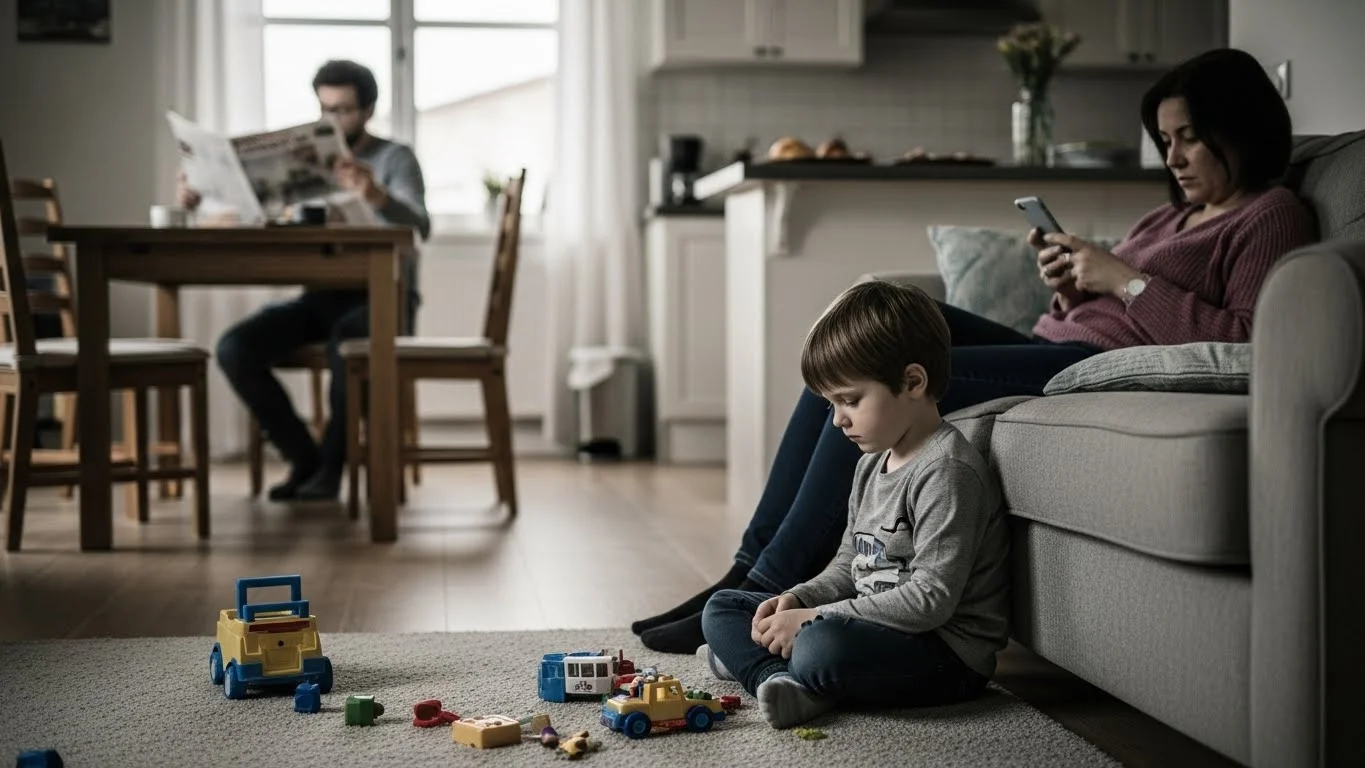
When I first stumbled upon the term “uninvolved parenting,” it struck me how little attention this style often gets compared to others like authoritative or permissive parenting. Uninvolved parenting, sometimes referred to as neglectful parenting, is characterized by a lack of responsiveness to a child’s needs. Parents in this category may provide basic needs like food and shelter, but they are emotionally distant and disengaged from their child’s life. I remember hearing stories of friends who felt like their parents were physically present but emotionally absent, and it really resonated with what uninvolved parenting encompasses.
Characteristics of Uninvolved Parents
From my perspective, uninvolved parents often exhibit certain characteristics that set them apart from more engaged parenting styles. These parents may seem indifferent to their child’s emotional, social, and academic needs. They might avoid involvement in their child’s activities, fail to set boundaries, or show minimal interest in their child’s daily life. I’ve seen this play out in various families, where conversations are sparse, and kids are left to navigate their worlds without much guidance or support. Additionally, these parents might struggle with their own issues, such as stress or mental health challenges, which can further hinder their ability to connect with their children.
Distinction Between Uninvolved and Other Parenting Styles
It’s essential to understand how uninvolved parenting differs from other styles. For example, authoritative parents combine warmth with structure, actively engaging in their children’s lives and providing support while also setting clear expectations. On the other end of the spectrum, permissive parents are warm but lack boundaries and discipline. I’ve noticed that uninvolved parents don’t fit neatly into either category. They don’t provide the nurturing environment that authoritative parents do, nor do they offer the leniency and freedom of permissive parents. This distinct lack of engagement can leave children feeling lost, as they might not receive the emotional scaffolding that helps them thrive. Authoritarian Parenting Style: Is It Right for Your Family? offers insights into different parenting approaches.
The Psychological Impact on Children
Emotional Development
When I reflect on the emotional development of children raised by uninvolved parents, I can’t help but think about the importance of connection. Children need to feel seen and heard to develop a healthy emotional foundation. Unfortunately, uninvolved parenting often stunts this growth. Kids may struggle to recognize and express their emotions effectively. I once read about a young girl who could not articulate her feelings during a school project because she had never been encouraged to share her thoughts at home. This made me realize just how vital emotional support is for a child’s development.
Self-Esteem and Self-Worth
In my experience, self-esteem is significantly impacted by parental involvement. Children raised in uninvolved households often internalize the message that they are not worthy of attention or love. I can recall a friend who constantly sought validation outside their home, feeling invisible in a crowded room. This search for affirmation can lead to a fragile sense of self-worth, making children susceptible to peer pressure and external influences. I believe that building a healthy self-image starts at home, and when that foundation is missing, the repercussions can be profound.
Social Skills and Relationships
Social skills flourish in environments where children are guided and nurtured. However, uninvolved parenting can leave children ill-equipped to handle social interactions. I’ve noticed that kids who grow up without parental engagement may find it challenging to relate to their peers. They might struggle to initiate conversations or read social cues, which can lead to feelings of isolation. I once saw a child at a birthday party stand off to the side, not knowing how to join in. It dawned on me then how crucial those early interactions are for building lasting relationships.
Long-Term Mental Health Issues
The long-term mental health ramifications of uninvolved parenting are another aspect that weighs heavily on my mind. Research suggests that children raised in such environments are at a higher risk for anxiety, depression, and behavioral issues later in life. I’ve learned that the absence of emotional support and guidance can create a breeding ground for mental health challenges. I think about how crucial it is to address these issues early on, as they can ripple through a child’s life, affecting their personal and professional relationships down the line.
Cognitive Development Challenges
Academic Performance and Engagement
When I think about cognitive development, I can’t help but consider how uninvolved parenting can shape a child’s academic journey. Kids thrive in learning environments where they feel supported and engaged. In my experience, children who grow up with uninvolved parents often show lower academic performance. They might struggle with homework, miss important deadlines, or fail to participate in classroom discussions. I remember a classmate who seemed bright and capable but rarely turned in assignments. It was only later I learned that at home, their parents were too preoccupied to offer help or encouragement. This lack of academic support can lead to a cycle of underachievement, where kids feel unmotivated and disengaged from their education altogether.
Critical Thinking and Problem-Solving Skills
Critical thinking and problem-solving skills are vital for success in life, and I’ve noticed that children raised in uninvolved homes often miss out on opportunities to develop these abilities. When parents aren’t engaged, kids may not have the chance to discuss their thoughts, ask questions, or explore ideas. I recall a time when a friend faced a dilemma at school and had to figure it out alone without anyone to bounce ideas off. I felt that they struggled to come up with a solution because they had rarely been encouraged to think critically at home. Without guidance, kids might find it challenging to navigate complex situations, hindering their ability to make informed decisions as they grow.
Impact on Creativity
Creativity is another area where uninvolved parenting can take a toll. I’ve come to appreciate how important it is for kids to have the freedom to explore their interests and express themselves. In my own life, I found that when my parents encouraged my hobbies, I became more imaginative and resourceful. However, children raised in uninvolved environments often lack that encouragement, which stifles their creative expression. I remember seeing kids who had a passion for art or music but never had the chance to pursue it because their parents weren’t involved. This lack of creative exploration can lead to a diminished sense of self and limit their ability to think outside the box later in life.
Behavioral Outcomes of Uninvolved Parenting
Risk of Behavioral Problems
The connection between uninvolved parenting and behavioral issues is something I think about often. Children who lack parental engagement may exhibit a range of behavioral problems, including aggression, defiance, or withdrawal. I’ve seen it firsthand; a child in my neighborhood, who was often left to their own devices, began acting out in school. They seemed to be seeking attention, whether positive or negative, because they felt overlooked at home. This need for validation can manifest in troubling behaviors, leading to conflicts with peers and authority figures. It’s a reminder of how vital it is for parents to be present and involved in their child’s life.
Substance Abuse and Risk-Taking Behaviors
As I reflect on the long-term consequences of uninvolved parenting, I can’t ignore the increased risk of substance abuse and risk-taking behaviors in these children. Without parental guidance, kids might experiment with drugs or alcohol, often as a way to cope with feelings of neglect or loneliness. I remember hearing about a former classmate who fell into a group that indulged in risky behaviors. They struggled with substance use throughout high school, and I later learned that their parents had been largely absent during those formative years. This correlation between parental involvement and risky choices underscores the importance of a supportive home environment.
Challenges in Regulation of Emotions
Regulating emotions is a skill that children typically develop through guidance and modeling from their parents. Sadly, kids raised by uninvolved parents might struggle with this. I’ve come across individuals who have difficulty handling their feelings, often leading to outbursts or emotional shutdowns. I remember a friend who would lash out when upset but couldn’t articulate what they felt. It became apparent that they had not learned how to cope with their emotions effectively because there was no one there to help them navigate those feelings. This emotional dysregulation can have long-lasting effects, impacting relationships and overall well-being.
Physical Development Considerations
Health and Nutrition
Physical development is another critical area impacted by uninvolved parenting. I often think about how essential proper nutrition is during childhood, and I’ve noticed that children in uninvolved households may not receive the balanced meals they need. For instance, I’ve seen kids at school whose lunches consist of junk food because their parents are either too busy or indifferent to prepare healthy options. This can lead to obesity and related health issues later in life. From my perspective, it’s important for parents to set a foundation for healthy eating habits, and without that involvement, children may struggle to make wise choices.
Physical Activity Levels
Involvement also translates to physical activity. I remember how my parents encouraged me to play sports and engage in outdoor activities, which helped build my confidence and teamwork skills. However, kids from uninvolved homes might lack the motivation or opportunities to be active. I’ve seen children who prefer to stay indoors, missing out on exercise simply because their parents didn’t prioritize physical activity. This sedentary lifestyle can lead to a host of issues, including obesity and decreased cardiovascular health.
Overall Well-Being
Finally, when I consider the overall well-being of children raised in uninvolved environments, it’s hard not to feel concerned. These kids often face a myriad of challenges that can affect their physical, emotional, and social growth. I believe fostering a supportive home is integral to a child’s well-being. Without that nurturing environment, children might struggle to develop a healthy sense of self and the skills they need to navigate the world. From my experience, it’s clear that involvement matters immensely, shaping not only a child’s immediate circumstances but their future as well.
Effects on Family Dynamics
Impact on Sibling Relationships
When I think about uninvolved parenting, I can’t help but consider how it affects sibling relationships. In families where parents are emotionally distant, siblings may form unique dynamics that can be quite complex. I’ve seen situations where one sibling takes on a caretaker role for the others, trying to fill the gap left by disengaged parents. For example, I remember a neighbor whose older sister became like a second parent, often mediating conflicts and providing emotional support. While this can create a strong bond, it can also lead to resentment or rivalry, especially if one sibling feels burdened by responsibilities that should ideally belong to the parents. This struggle for attention and validation can complicate relationships between siblings, further emphasizing the importance of active parental involvement.
Parental Relationships and Communication
The lack of involvement from parents can also strain the relationship between partners. I’ve observed couples who struggle to navigate their parenting roles when one partner is more engaged than the other. This imbalance can lead to frustration and conflict. I remember discussing this with a friend who felt overwhelmed because their partner was indifferent to their child’s needs. They expressed feeling like they were parenting alone, which created tension in their relationship. Effective communication is crucial in any partnership, and when one parent is uninvolved, it can lead to misunderstandings and feelings of isolation for the other parent. It’s clear that both partners need to be on the same page to create a supportive environment for their children.
Extended Family and Social Networks
Uninvolved parenting doesn’t just affect the immediate family; it can ripple out to extended family and social networks as well. I’ve seen grandparents, aunts, and uncles step in to provide the support that uninvolved parents fail to offer. In my experience, this can be a double-edged sword. While it’s wonderful for children to have additional figures in their lives who care for them, it can also create confusion about family roles. I remember a classmate whose grandmother played a significant part in their upbringing. They thrived on the love and attention she provided, but there was a noticeable gap in their relationship with their parents, which led to feelings of ambivalence. Building a robust support network is essential, but it’s important that parents recognize their role and responsibility in fostering those connections.
Strategies for Improvement and Support
Encouraging Involvement as a Parent
If you’re a parent who realizes that you might be leaning toward uninvolved parenting, don’t lose hope. There are ways to make a positive change. I believe the first step is acknowledging the issue—understanding that being present and engaged can significantly influence your child’s development. Start small; dedicate time each day to check in with your child. Ask about their day, listen to their stories, and show genuine interest. I remember when I made a conscious effort to sit down with my family at dinner. It turned into a time filled with laughter and sharing, which helped us feel more connected. These small moments can foster deeper relationships and make a world of difference.
Resources for Uninvolved Parents
Sometimes, we need a little help to change our habits. I’ve come across numerous resources aimed at helping parents become more involved. Books, workshops, and online courses can provide valuable insights and strategies for connecting with your children. Parenting groups can also be a great way to share experiences and gain support from others who are navigating similar challenges. I found local parenting workshops incredibly helpful in learning new ways to engage with my kids. Engaging with others who are working to improve themselves can inspire and motivate us to do the same. Authoritarian Parenting: Pros, Cons, and Alternatives Explored can provide additional perspectives on parenting styles.
Professional Help and Counseling Options
In certain situations, professional guidance may be necessary. If you’re struggling to connect with your child or if there are underlying issues affecting your family dynamics, seeking the help of a counselor or therapist can be beneficial. I’ve seen families transform with the right support; they learned healthier communication skills and ways to foster emotional connections. Therapists can provide strategies tailored to your family’s unique needs, and it’s all about taking that first step to reach out. Remember, investing in your family’s emotional health is a journey, and professional help can be a valuable part of it.
Final Thoughts
I’ve spent quite a bit of time reflecting on the implications of uninvolved parenting, and it’s clear that this approach can have lasting effects on children and families. I believe that bringing awareness to these patterns is essential if we want to foster healthier environments for our kids. When we understand the emotional and developmental needs of children, we can become more attuned to their experiences and struggles. In my opinion, this awareness can be the first step toward positive change.
Building stronger parent-child relationships is something we all can strive for. I often think about how small changes can lead to significant improvements. Taking the time to engage with our children, whether through simple conversations or shared activities, can nurture a child’s sense of worth and belonging. I remember a time when I decided to dedicate a weekend to just hanging out with my kids, playing board games, and cooking together. The laughter and connection we shared were invaluable and made me realize how easy it is to strengthen those bonds.
Moreover, I feel it’s vital to recognize the resources available to us. Whether it’s workshops, books, or community support groups, these can provide a wealth of information and encouragement. In my journey, I found that participating in discussions with other parents opened my eyes to different styles and approaches that I had never considered before. It was inspiring to hear stories of others navigating similar challenges and learning from their experiences.
Finally, if you or someone you know is struggling with uninvolved parenting, don’t hesitate to seek professional help. I’ve seen how therapy can create pathways for healing and understanding within families. It’s not a sign of failure; rather, it’s a proactive step towards fostering a loving, engaged environment. I truly believe that with effort and support, we can break cycles and create nurturing homes where children feel valued and understood.
As we navigate the complexities of parenting, let’s remember that we’re all in this together. By sharing our struggles and victories, we can help one another grow and thrive as parents and individuals. Let’s commit to being present for our children, not just physically, but emotionally and psychologically too. The journey may be challenging at times, but the rewards of nurturing a connected and supportive relationship with our children are immeasurable.
Frequently Asked Questions
What is uninvolved parenting?
Uninvolved parenting, also known as neglectful parenting, is characterized by a lack of responsiveness to a child’s needs. While parents may provide basic necessities like food and shelter, they are emotionally distant and disengaged from their child’s life.
What are the characteristics of uninvolved parents?
Uninvolved parents often exhibit indifference to their child’s emotional, social, and academic needs, avoid involvement in their child’s activities, fail to set boundaries, and show minimal interest in their child’s daily life.
How does uninvolved parenting differ from authoritative and permissive parenting?
Uninvolved parenting lacks the warmth and structure of authoritative parenting, which actively engages in children’s lives with support and clear expectations. Unlike permissive parenting, which is warm but lacks boundaries, uninvolved parenting does not provide nurturing or leniency, resulting in a distinct lack of engagement.
What impact does uninvolved parenting have on emotional development?
Uninvolved parenting can stunt emotional development, leading children to struggle with recognizing and expressing their emotions, as they may not feel seen or heard in their home environment.
How does uninvolved parenting affect self-esteem and self-worth?
Children raised in uninvolved households often internalize the message that they are not worthy of attention or love, which can lead to a fragile sense of self-worth and a constant search for validation outside the home.
What are the long-term mental health issues associated with uninvolved parenting?
Research suggests that children raised in uninvolved environments are at a higher risk for anxiety, depression, and behavioral issues in later life due to the absence of emotional support and guidance.
How does uninvolved parenting impact academic performance?
Children from uninvolved homes often show lower academic performance, struggle with homework, miss deadlines, and may feel unmotivated and disengaged from their education due to a lack of support at home.
What behavioral problems can arise from uninvolved parenting?
Children who experience uninvolved parenting may exhibit a range of behavioral problems, including aggression, defiance, or withdrawal, often seeking attention in negative ways due to feelings of neglect.
How does uninvolved parenting affect physical development?
Uninvolved parenting can lead to poor health and nutrition, as children may not receive balanced meals or encouragement to engage in physical activity, increasing the risk of obesity and related health issues.
What strategies can parents use to improve involvement?
Parents can start by acknowledging the issue and dedicating time each day to engage with their child, asking about their day and showing genuine interest. Additionally, resources such as books, workshops, and professional counseling can help support improvement in parenting practices.