
Uninvolved parenting might not be as widely discussed, but its effects can echo throughout a child’s life. Let’s dive into what it really means and how it shapes our kids in profound ways. Read Interesting article: The Hidden Costs of Uninvolved Parenting: Long-Term Effects
Understanding Uninvolved Parenting
Definition of Uninvolved Parenting
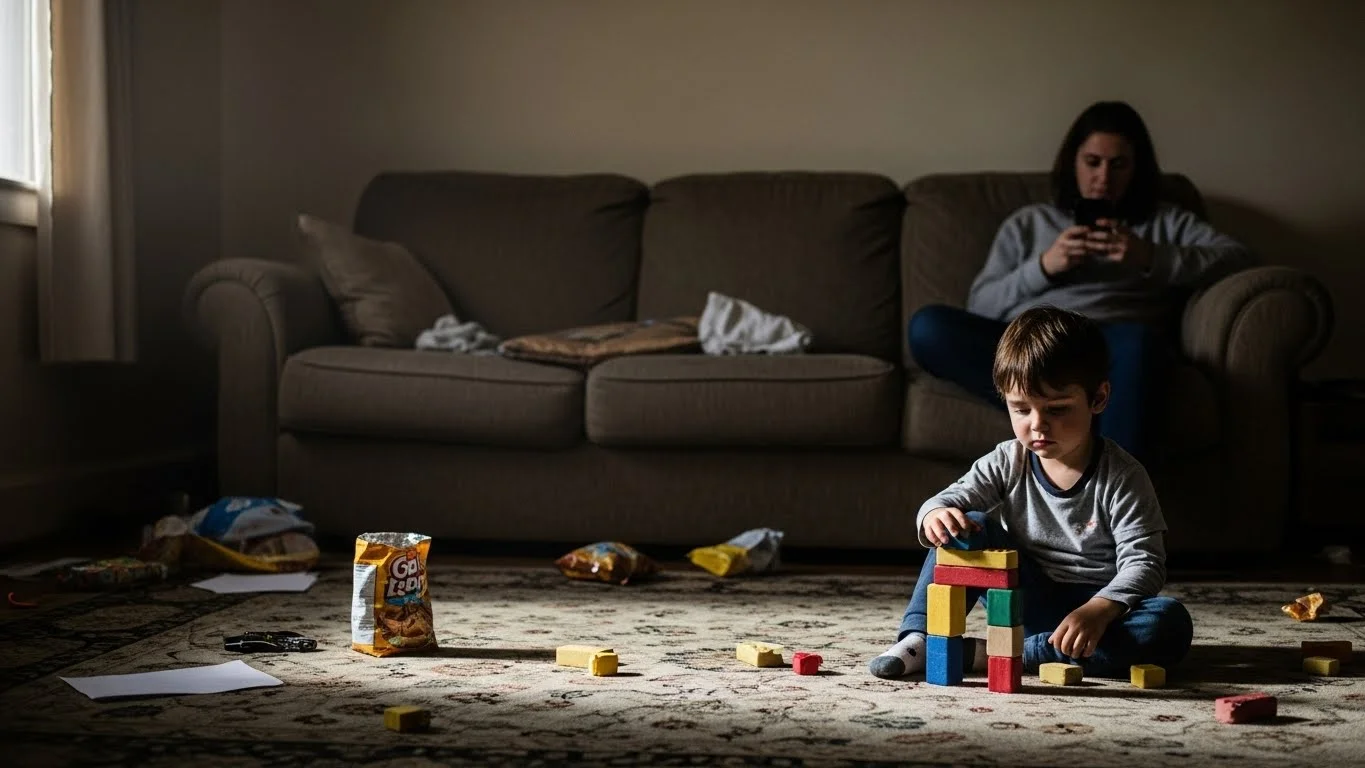
Uninvolved parenting, also known as neglectful parenting, is characterized by a lack of responsiveness to a child’s needs. I remember learning about it in a family psychology class; it struck me how these parents are often emotionally distant and provide little guidance or nurturing. Their children often feel like they’re on their own, navigating life without a safety net. This parenting style generally stems not from malice but from a lack of awareness or ability to engage with their child emotionally.
Characteristics of Uninvolved Parenting
In my experience, the traits of uninvolved parents can be quite stark. They tend to show minimal involvement in their children’s lives, often missing important events like school performances or sports games. I’ve seen friends who grew up in these environments develop feelings of neglect; they didn’t receive the encouragement or validation that kids typically need. Uninvolved parents may provide basic needs like food and shelter, but they often lack emotional connection and guidance. Their absence can create a profound sense of loneliness and confusion in children.
Another characteristic I noticed is unpredictability. Uninvolved parents may be physically present but often disengaged, absorbed in their own lives, whether it’s work, personal issues, or simply disinterest. This inconsistency can lead kids to feel unvalued, resulting in them seeking validation elsewhere, often in unhealthy ways. Read Interesting article: Backpacking Adventures: Conquering Uninvolved Parenting
Comparison with Other Parenting Styles
When comparing uninvolved parenting to other styles, such as authoritative or permissive parenting, the contrasts become even more apparent. Authoritative parents are typically warm and nurturing while maintaining clear boundaries, guiding their children through life’s challenges. I’ve seen how this creates a healthy, supportive environment that fosters self-esteem and resilience. On the other hand, permissive parents may be overly lenient, but they still engage with their children emotionally and maintain a level of warmth that uninvolved parents often lack.
In contrast, uninvolved parenting is like being in a boat without a paddle; there’s no direction or support. I reflect on friends who grew up in such environments, where their parents were indifferent to achievements or struggles, leaving them to fend for themselves emotionally. This lack of engagement can set children up for difficulties in navigating relationships and making decisions later in life.
Causes of Uninvolved Parenting
Socioeconomic Factors
Now, let’s talk about what drives uninvolved parenting. One significant factor is socioeconomic status. I’ve often wondered how financial strain affects families. Parents working multiple jobs to make ends meet may feel too exhausted to engage with their children, leading to neglect. I’ve seen this in my own community, where parents struggle to balance work and family life, often leaving children feeling isolated.
Cultural Influences
Cultural influences also play a role. In some cultures, there might be less emphasis on emotional connection, and more on providing for physical needs. I remember chatting with a friend whose upbringing was rooted in such values. They felt their parents’ lack of emotional involvement was normal, as it reflected their cultural background. It made me realize how diverse parenting can be, and how cultural expectations shape our relationships within families.
Parental Mental Health Issues
Parental mental health issues are another significant factor. I’ve learned that when parents struggle with their mental health, it can directly impact their ability to connect with their kids. It’s heartbreaking to see how depression or anxiety can create a barrier that prevents meaningful interactions. I’ve seen friends affected by this; they often feel invisible in their own homes, longing for attention and affection that never comes.
Work-Life Balance Challenges
Work-life balance challenges exacerbate these issues. Many parents are overwhelmed by the demands of their jobs, which I can relate to as I juggle my own responsibilities. I’ve noticed that when work takes precedence, family interactions often suffer. The exhaustion from work can seep into home life, making it hard to engage meaningfully with children. It’s a cycle that can be tough to break, leading to a pattern of uninvolved parenting.
Ultimately, understanding the roots of uninvolved parenting helps us see that it’s often not just a choice but a complex interplay of circumstances. By recognizing these factors, we can better empathize with families facing these challenges and hopefully find ways to support them. As I reflect on my own experiences, I realize how crucial it is for parents to seek out help and resources to foster a more connected family dynamic. Read Interesting article: Affordable Travel Strategies for Uninvolved Parenting
Lasting Impacts on Children
Emotional and Psychological Effects
Reflecting on the impacts of uninvolved parenting, it’s hard not to feel a deep sense of concern for the emotional and psychological well-being of those children. I’ve spoken with individuals who grew up in these environments, and many describe a lingering sense of emptiness and insecurity. They often struggle with self-worth, feeling like they don’t matter or aren’t deserving of love. I remember one friend sharing how they constantly sought approval from others, desperately trying to fill that emotional void left by their parents. It’s heartbreaking to see how these feelings can carry over into adulthood, leading to issues like anxiety, depression, and low self-esteem.
In my experience, children raised by uninvolved parents may also grapple with attachment issues. They might struggle to trust others or form healthy relationships because they never learned how to connect emotionally. I’ve seen this play out in friendships where individuals have a hard time opening up or being vulnerable. It’s like they’re stuck in a cycle of fear, afraid to let anyone in because they’ve been let down by those who were supposed to care for them.
Academic Performance and Engagement
Another significant impact I’ve noticed is on academic performance. Kids raised in uninvolved households often lack the encouragement they need to thrive in school. I remember chatting with a classmate who felt invisible during their school years. Their parents didn’t attend parent-teacher conferences or show interest in their homework; it was as if school was just another obligation they had to deal with alone. This lack of support can lead to poor grades and disengagement from the learning process. I think it’s crucial to recognize that a child’s academic struggle is often a reflection of their home life.
From what I’ve observed, these children may also develop a distorted view of education, seeing it as a burden rather than an opportunity. They might miss out on crucial social interactions and learning experiences because they aren’t encouraged to take part in school activities or seek help when they need it. I believe fostering a love for learning starts at home, and when that foundation is missing, it can be incredibly difficult for kids to succeed academically.
Social Skills and Relationships
Socially, the impacts are just as profound. I’ve noticed that children who grow up with uninvolved parents often struggle to form friendships. They might have difficulty understanding social cues or developing empathy for others, which can lead to isolation. I recall a friend who was always on the outskirts of social circles, feeling awkward and unsure of how to interact with peers. It was painful to see them want to connect but not know how, and I realized that their lack of parental involvement played a significant role in their social development.
Moreover, these kids may inadvertently replicate the patterns they grew up with. If they weren’t shown how to be supportive or emotionally available, they might carry that into their own friendships and relationships, perpetuating a cycle of detachment. I often wonder how many people out there are struggling to break free from these learned behaviors, longing for deeper connections but not knowing how to achieve them.
Behavioral Issues and Mental Health
Lastly, I can’t overlook the behavioral issues that often arise from uninvolved parenting. I’ve seen children lash out or act out in school, not necessarily because they’re inherently “bad,” but because they’re reacting to their unmet needs. Without guidance, they may resort to acting out as a cry for help or as a way to cope with their feelings of abandonment. I remember a friend who, after years of feeling ignored, started engaging in risky behaviors just to get attention. It was heartbreaking to see them spiral, and it became clear that these actions were a response to their deep-seated emotional pain.
Mental health struggles can also become more pronounced as these children grow older. They may develop issues like depression, anxiety, or even substance abuse problems, trying to escape the feelings they struggled with during their formative years. I’ve seen how these challenges can ripple through their lives, affecting their careers, relationships, and overall happiness. It’s a sobering reminder that the impacts of uninvolved parenting extend far beyond childhood.
Identifying Signs of Uninvolved Parenting
Behavioral Indicators in Children
Recognizing the signs of uninvolved parenting can be crucial for early intervention. One of the most noticeable behavioral indicators I’ve come across is a lack of motivation in children. I remember a neighbor’s child who seemed disinterested in everything, from schoolwork to hobbies. It was as if they were just going through the motions of life without any enthusiasm or passion. This disengagement often stems from the absence of parental encouragement or support. I think that when kids don’t feel valued or noticed, they lose the drive to excel or even to participate in activities that could bring them joy.
Another sign is an increased reliance on peers for guidance rather than on parents. I’ve seen kids who, instead of turning to their parents for advice, look to friends for validation. This can lead to risky choices, as friends may not have the maturity or knowledge to guide them appropriately. It’s almost heartbreaking to witness this shift; children should ideally have a safe space at home to seek advice and share their struggles, but for those with uninvolved parents, that space simply isn’t there.
Academic Struggles
When it comes to academic performance, the signs can be glaring. I recall a classmate who was bright but consistently underperformed in school. Their parents rarely showed up for parent-teacher meetings or checked in on their homework. Even small assignments seemed to go unnoticed, which led them to believe that their efforts didn’t matter. This pattern can lead to a vicious cycle where the child feels demotivated, and their academic struggles further reinforce their feelings of inadequacy.
Additionally, children may express frustration or confusion about schoolwork, often lacking the foundational skills that come from parental involvement. For me, it was eye-opening to see how much a child’s school experience can mirror their home life. If they feel supported and engaged at home, they’re more likely to take pride in their academic achievements. Without that, it can be a downward spiral.
Social Withdrawal or Isolation
Socially, children raised by uninvolved parents often display signs of withdrawal or isolation. I’ve noticed that these kids may struggle to form friendships or may have difficulty engaging in group activities. They might sit alone during lunch or avoid participating in team sports. This withdrawal often results from a lack of social skills and emotional support at home, which makes it tough for them to connect with others.
In my experience, this isolation can be heartbreaking. I recall one instance where a child wanted to join a school club but was too shy and unsure of how to approach others. Their fear of rejection stemmed from a home life that didn’t encourage social interaction. They needed that little push from parents to help build their confidence, but instead, they felt lost and alone.
Moreover, I’ve seen these children struggle with making eye contact or engaging in conversations, which can further alienate them from their peers. It’s a stark reminder of how vital parental involvement is in helping kids navigate social landscapes. Without encouragement and examples of healthy interaction, kids may find themselves feeling like outsiders in their own communities.
Strategies for Overcoming Uninvolved Parenting
Encouraging Parental Involvement
One of the most impactful strategies I’ve come across in addressing uninvolved parenting is encouraging parental involvement. It might sound simple, but fostering that connection can be transformative. I remember attending a workshop where they emphasized the importance of open communication between parents and children. Parents need to be reminded that their presence matters, and even small, regular check-ins can make a world of difference.
For me, I found that sharing stories about the positive impact of parental engagement can motivate others to step up. Whether it’s making time for a weekly family game night or simply asking about their child’s day, these interactions can significantly alter a child’s experience. Parents should know that their engagement doesn’t have to be grand; even being available to listen can help bridge the emotional gap.
Resources for Parents Seeking Help
There are also numerous resources available for parents who might find themselves out of their depth. I’ve come across parenting classes, counseling services, and community support groups that aim to equip parents with the necessary tools to engage more effectively with their children. Many organizations offer workshops designed to help parents understand their children’s needs better and foster healthier relationships. I believe that taking advantage of these resources can be a game-changer for families struggling with uninvolved parenting.
One notable resource is local community centers, which often have programs geared toward strengthening family dynamics. I’ve seen firsthand how families who participate in these programs not only improve their relationships but also build a support network that benefits everyone involved.
Building a Support Network
Building a support network can be another effective strategy. I think it’s essential for parents to connect with other families who share similar challenges and experiences. This can alleviate feelings of isolation and provide a sense of community. I’ve found that sharing experiences with others can offer new perspectives and solutions that one might not have considered alone.
Additionally, I believe it’s helpful for parents to seek mentorship or guidance from those who have navigated similar situations successfully. This can create a ripple effect, where support and knowledge are passed down, fostering healthier family environments in the community.
Case Studies and Real-Life Examples
Impact of Uninvolved Parenting on Adolescents
When reflecting on the impact of uninvolved parenting, I think of a young woman I met during a community outreach program. She shared her experiences growing up with parents who were physically present but emotionally absent. As a teenager, she found herself lost in a world of confusion and insecurity. Without parental support, she struggled to find her identity and often made choices that she later regretted. It was a painful journey of self-discovery that many adolescents face in similar situations. She described her feelings of isolation, which made it difficult to reach out for help or guidance, leading to a cycle of poor decisions fueled by a desperate need for affirmation.
In many ways, her story highlights the importance of parental involvement during adolescence. This is a critical period when young people explore their independence and make choices that can shape their futures. I’ve seen how the absence of supportive parenting can lead to risky behaviors, including substance abuse and unhealthy relationships. It’s as if these teens are adrift, with no compass to guide them through the turbulent waters of adolescence.
Long-Term Effects into Adulthood
As I delve deeper into the long-term effects of uninvolved parenting, I can’t help but recall a former classmate who struggled with relationships long after high school. He often confided in me about his difficulties in connecting with others. It became evident that his childhood experiences of neglect had left a lasting mark on his psyche. He found it challenging to trust anyone, often sabotaging potential friendships and romantic relationships out of fear of rejection.
What struck me the most was how these early experiences shaped his adult life. I’ve learned that individuals raised in uninvolved households often carry emotional scars into adulthood, making it hard to develop healthy attachments. They may also wrestle with issues related to self-esteem, often feeling unworthy of love and belonging. These patterns can create a ripple effect, influencing their relationships, parenting styles, and overall happiness.
Expert Opinions and Research Insights
Insights from Child Psychologists
To better understand uninvolved parenting, I turned to the insights of child psychologists. They often emphasize the critical role of emotional connection in child development. I remember reading a study that highlighted how children thrive when they feel secure and supported. Experts argue that uninvolved parenting can deprive children of this essential emotional foundation, leading to issues that persist into adulthood.
One psychologist I spoke with shared that children raised in these environments are often at a higher risk for developing mental health issues later in life. They noted that the lack of emotional support can hinder the development of coping mechanisms, leaving these individuals ill-equipped to handle life’s challenges. I find it fascinating, yet disheartening, how the absence of involvement can create such profound difficulties.
Recent Studies on Parenting Styles
Recent studies on parenting styles have provided further insight into the consequences of uninvolved parenting. I came across research that outlined various dimensions of parenting and their effects on child development. The data indicated that uninvolved parenting is strongly correlated with academic failure, behavioral problems, and poor mental health outcomes. It’s troubling to see how these patterns emerge and persist over time, often affecting the next generation.
From my perspective, these findings underscore the importance of awareness and intervention. If we can recognize the signs of uninvolved parenting early on, we can work towards solutions that promote healthier family dynamics and ultimately improve outcomes for children.
Support Systems and Resources for Families
Community Programs and Workshops
As I’ve explored the topic of uninvolved parenting, I’ve discovered the wealth of community programs and workshops designed to support families. These initiatives can provide parents with the tools they need to foster stronger connections with their children. I’ve seen firsthand how programs that facilitate parenting skills training can empower parents to engage more effectively and meaningfully with their kids. Workshops that focus on communication strategies, emotional intelligence, and active listening have proven to be invaluable resources for families.
Online Resources and Support Groups
In today’s digital age, there are also numerous online resources and support groups that parents can tap into. I recently stumbled upon various forums and websites where parents share their experiences and seek advice from others navigating similar challenges. I think these online communities can provide a sense of belonging and validation, reminding parents that they’re not alone in their struggles. It’s uplifting to see how people come together, exchanging tips and encouragement to foster healthier family environments.
Books and Literature on Parenting
Lastly, literature on parenting can be a treasure trove of knowledge for those seeking to improve their family dynamics. I’ve found several books that address the importance of parental involvement and offer practical strategies for engagement. Reading personal stories can be incredibly motivating, showing parents that change is possible and that it’s never too late to build a stronger connection with their children. I believe these resources can serve as a guiding light for families striving to break the cycle of uninvolved parenting.
Final Thoughts
Reflecting on the complexities of uninvolved parenting, it’s clear that the impacts are far-reaching and often profound. I’ve seen how this parenting style can shape not only childhood experiences but also long-term trajectories into adulthood. It’s a reminder that the emotional bonds we forge with our children are crucial, and that our engagement can shape their self-worth and their ability to navigate the world. I think it’s essential for us as a society to support families in fostering those connections, whether through community resources, educational programs, or simply by sharing our experiences with one another. As we work together to raise awareness and provide support, we can help ensure that every child receives the love and guidance they deserve.
Frequently Asked Questions
“`htmlWhat is uninvolved parenting?
Uninvolved parenting, also known as neglectful parenting, is characterized by a lack of responsiveness to a child’s needs. These parents are often emotionally distant and provide little guidance or nurturing, leaving children to navigate life without support.
What are the characteristics of uninvolved parenting?
Uninvolved parents tend to show minimal involvement in their children’s lives, often missing important events and lacking emotional connection and guidance. They may be physically present but disengaged, which can create feelings of loneliness and confusion in children.
How does uninvolved parenting compare to other parenting styles?
Unlike authoritative parents, who are warm and nurturing while maintaining clear boundaries, uninvolved parents provide little emotional support and guidance. Permissive parents, while lenient, still engage with their children emotionally, which uninvolved parents often do not.
What are some causes of uninvolved parenting?
Uninvolved parenting can stem from various factors, including socioeconomic status, cultural influences, parental mental health issues, and work-life balance challenges. These factors can hinder parents’ ability to engage meaningfully with their children.
What are the emotional and psychological effects of uninvolved parenting on children?
Children raised by uninvolved parents often experience feelings of emptiness, insecurity, and low self-worth. They may struggle with anxiety, depression, and attachment issues, making it difficult for them to form healthy relationships in adulthood.
How does uninvolved parenting affect academic performance?
Children in uninvolved households often lack the encouragement they need to succeed in school, leading to poor grades and disengagement from learning. They may view education as a burden rather than an opportunity due to the lack of parental involvement.
What social skills issues do children raised by uninvolved parents face?
Children raised by uninvolved parents may struggle to form friendships and understand social cues, leading to isolation. They often replicate the emotional detachment learned from their parents, making it challenging to build supportive relationships as they grow older.
What behavioral issues are commonly associated with uninvolved parenting?
Children may act out or engage in risky behaviors as a cry for help due to unmet emotional needs. These behaviors can be manifestations of their feelings of abandonment and may indicate deeper mental health struggles as they grow older.
What strategies can help overcome the impacts of uninvolved parenting?
Encouraging parental involvement, utilizing available resources such as parenting classes, and building support networks are effective strategies. Open communication and small regular interactions can significantly improve family dynamics.
What community resources are available for families dealing with uninvolved parenting?
Many community programs and workshops provide parents with tools to foster stronger connections with their children. Online resources and support groups are also available, along with literature that offers practical strategies for improving parental engagement.
“`