
Have you ever been in a conversation where you felt completely unheard? Active listening can turn ordinary chats into meaningful exchanges, enhancing our connections. Let’s dive into understanding how this powerful skill can transform our interactions. Read Interesting article: Master Active Listening: Tips for Effective Communication
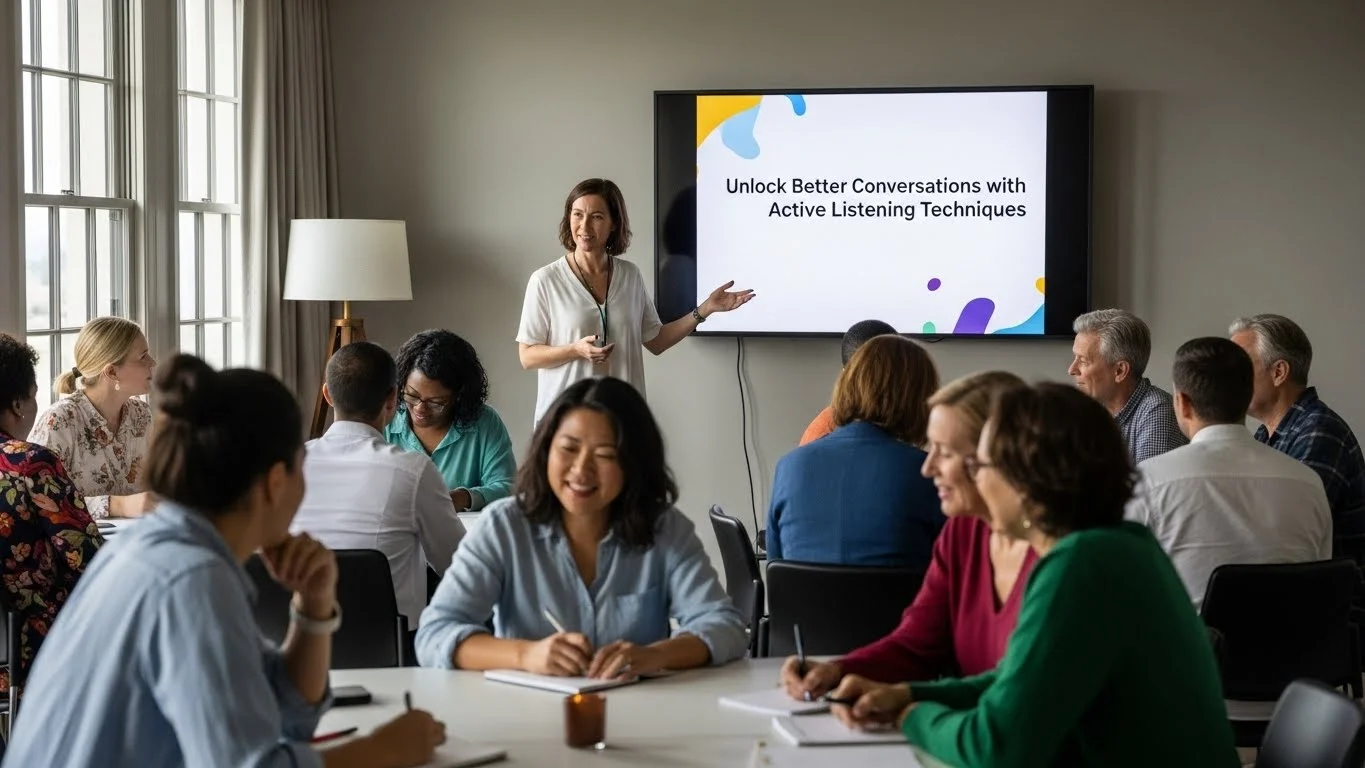
Understanding Active Listening
Definition of Active Listening
Active listening isn’t just about hearing words; it’s about engaging fully with the speaker. When I first learned about active listening, I thought it was simply nodding along while someone talked. However, I quickly discovered it involves a deeper level of focus and empathy. It’s about being present, showing genuine interest, and responding thoughtfully. This means not only processing the information but also understanding the emotions behind the words. Active listening requires me to clear my mind of distractions and truly tune into what the other person is conveying.
Importance of Active Listening in Communication
In my experience, active listening can make or break a conversation. When I practice it, I find that the person I’m talking to feels valued and understood. This creates a safe space for open dialogue, ultimately leading to better communication. I remember a time when I was having a disagreement with a friend. Instead of jumping to conclusions, I decided to listen actively. By doing so, I was able to see things from their perspective, which opened the door to a more constructive conversation. It’s amazing how much smoother discussions can flow when both parties are genuinely listening to each other.
Benefits of Practicing Active Listening
There are numerous benefits to incorporating active listening into our daily interactions. First, it strengthens relationships. I’ve noticed that when I actively listen, my friends and family feel closer to me. They appreciate that I value their thoughts and feelings. Secondly, it enhances problem-solving skills. When everyone feels heard, it’s easier to find solutions together. I often encourage my colleagues to practice active listening during meetings. It helps us to brainstorm effectively and fosters a collaborative environment. Additionally, active listening builds trust. Over time, I’ve found that the more I listen, the more others are willing to share, creating a cycle of openness and honesty. Read Interesting article: Effective Techniques to Calm Tantrums in Children
Core Techniques of Active Listening
Paraphrasing for Clarity
One of the techniques I find most effective is paraphrasing. When someone finishes speaking, I try to restate what they said in my own words. This not only shows that I’m engaged but also allows the speaker to clarify any misunderstandings. I remember discussing a project with a co-worker, and after they explained their ideas, I paraphrased what I understood. It turned out I had missed a key point, and my paraphrasing gave them a chance to elaborate. It can be a game-changer in maintaining clarity in conversations.
Asking Open-Ended Questions
Asking open-ended questions is another powerful technique. Instead of simple yes or no questions, I try to encourage deeper discussions by asking questions that require more thought. For example, instead of asking, “Did you like the movie?” I might say, “What did you think about the movie?” This invites the speaker to share their thoughts more fully. I’ve noticed that it often leads to richer conversations and helps us explore each other’s perspectives in a more meaningful way.
Nonverbal Communication Cues
Nonverbal communication cues are also crucial in active listening. I’ve learned that maintaining eye contact, nodding, and leaning slightly toward the speaker can convey my attentiveness. These subtle gestures help the other person feel acknowledged. I recall a time when I was speaking to a mentor. They had a way of making me feel like I was the only person in the room. Their body language spoke volumes, and it inspired me to adopt similar habits in my own conversations.
Summarizing Key Points
Summarizing key points at the end of a conversation helps reinforce understanding. I often take a moment to recap what we’ve discussed, emphasizing the main ideas. This practice not only confirms that I’ve captured the essence of the discussion but also allows the other person to add any final thoughts. I use this technique in both personal and professional settings, and it’s always rewarding to see how it can lead to a more productive dialogue.
Reflective Listening
Reflective listening is the practice of mirroring back the emotions and feelings expressed by the speaker. I find that when I reflect back what someone is feeling, it helps them feel validated. For instance, if a friend shares they’re feeling overwhelmed, I might say, “It sounds like you’re really stressed out.” This not only shows that I’m listening but also that I understand the emotional weight of their words. It’s a powerful way to connect on a deeper level.
Barriers to Effective Active Listening
Common Distractions in Conversations
Distractions can be sneaky when it comes to active listening. I know from my own experiences that sometimes my phone buzzing or a loud noise nearby can pull me away from a conversation. I remember a time when I was having a heart-to-heart with a friend, and my phone kept lighting up with notifications. I found myself glancing at it, which made my friend feel like they weren’t my priority. Eliminating these distractions is essential for effective listening. I’ve learned to put my phone on silent and find a quiet space when I really want to connect with someone. It’s amazing how much more meaningful conversations become when we’re fully present.
Emotional Barriers to Listening
Our emotions can also create barriers to listening. I know that when I’m feeling stressed or upset, it’s hard to focus on what someone else is saying. There have been moments when I was so wrapped up in my feelings that I completely missed the point of what was being discussed. This often leads to misunderstandings. One technique that has helped me is to acknowledge my emotions before engaging in a conversation. By taking a deep breath or doing a quick mental check-in, I clear my head and make room for the other person’s thoughts and feelings. It’s a simple practice, but it helps tremendously in creating an open space for dialogue.
Cognitive Overload and Its Impact
Cognitive overload is another barrier that can hinder our ability to listen actively. With so much information bombarding us daily, it can be overwhelming. I’ve experienced this during long meetings or complicated discussions where my mind starts racing with thoughts and to-do lists. In these situations, I’ve found that it helps to take notes. Jotting down key points allows me to focus on what’s being said without worrying about remembering every detail. This way, I can engage more deeply in the conversation, and my mind doesn’t wander off while someone is speaking.
Prejudices and Assumptions
Prejudices and assumptions can be significant barriers to effective listening as well. If I go into a conversation with preconceived notions about the other person or the topic, I often end up missing valuable insights. I remember a time when I dismissed a colleague’s idea because I assumed it was too simplistic. When I finally listened to their explanation, I discovered it was not only innovative but also practical. This experience taught me the importance of keeping an open mind and reserving judgment until I’ve heard the other person out. By consciously working to set aside my biases, I can engage in conversations more fully and appreciate diverse perspectives.
Active Listening in Different Contexts
Active Listening in Personal Relationships
Active listening plays a crucial role in nurturing personal relationships. With my family and friends, I find that practicing active listening has allowed our bonds to grow stronger. During family gatherings, I make it a point to engage in conversations without interruptions. I’ve noticed that when I listen attentively, my loved ones feel valued, and they’re more willing to open up about their lives. This creates a safe space for sharing thoughts and emotions, deepening our connections. I believe that the more we practice active listening in our personal relationships, the more understanding and love we cultivate.
Active Listening in Professional Settings
In professional settings, active listening can significantly enhance teamwork and collaboration. I’ve found that when I actively listen during meetings, it not only helps me grasp the ideas being presented but also fosters a culture of respect among colleagues. One time, during a brainstorming session, I made a conscious effort to listen to everyone’s contributions without jumping in too quickly. As a result, my team felt empowered to share their thoughts, leading to innovative solutions that we might have overlooked otherwise. Encouraging this kind of listening in the workplace can lead to better results and a more harmonious work environment.
Active Listening in Conflict Resolution
When it comes to resolving conflicts, active listening is a game-changer. I’ve been in situations where disagreements escalated simply because people weren’t listening to each other. I remember a time when two friends were at odds over a misunderstanding. By encouraging them to listen actively to one another, I facilitated a conversation where they could express their feelings openly. It was amazing to see how their willingness to listen led to clarity and a resolution. I truly believe that many conflicts could be resolved more quickly if everyone involved took the time to listen actively.
Active Listening in Educational Environments
In educational environments, active listening can transform the learning experience for both students and teachers. I recall when I was in school, some teachers were exceptional listeners. They made us feel heard and understood, which motivated us to engage more deeply in class discussions. As an adult, I’ve noticed that when I, as a mentor, practice active listening with students, they feel more comfortable asking questions and sharing their ideas. This creates a more dynamic and interactive learning environment where everyone benefits from each other’s insights. Read Interesting article: Transform Tantrums: Effective Discipline Techniques for Kids
Improving Your Active Listening Skills
Practical Exercises for Active Listening
Improving my active listening skills didn’t happen overnight; it took practice and dedication. One of the exercises I found helpful was the “listening circle.” In this exercise, I gather a small group of friends or family and take turns speaking. Each person shares their thoughts for a set amount of time while the others listen without interrupting. Afterward, we all paraphrase what we heard. This not only strengthens our listening skills but also reinforces the importance of understanding others. I was amazed at how much I learned about my friends and how they perceived their experiences just by listening attentively.
Situational Role-Playing Scenarios
Another effective method I’ve used is situational role-playing. This involves setting up scenarios where I practice active listening in different contexts, like a heated discussion or a casual catch-up. I often do this with a close friend who is also interested in improving their communication skills. We take turns playing the role of both the speaker and the listener. By simulating real-life situations, I’ve noticed improvements in my ability to respond thoughtfully, ask relevant questions, and maintain my focus. Plus, it’s a fun way to learn together!
Self-Reflection and Feedback Techniques
Self-reflection has been invaluable in my journey to becoming a better listener. After conversations, I take a moment to think about how well I listened. Did I interrupt? Was I distracted? I sometimes jot down my thoughts in a journal, noting what went well and what I could improve on. Additionally, I’ve started asking for feedback from trusted friends and family about my listening skills. Their insights have opened my eyes to habits I wasn’t fully aware of, allowing me to make adjustments. This ongoing process keeps me accountable and helps me grow.
Using Technology to Enhance Listening Skills
In today’s digital age, I’ve also discovered various apps and online tools designed to enhance listening skills. For instance, I’ve used mindfulness apps that offer guided meditations focused on being present, which has significantly improved my concentration during conversations. There are also platforms that provide interactive courses on communication and active listening. I love how technology can support my growth in ways I never imagined, making learning more accessible and engaging. By incorporating these tools, I feel like I’m constantly working on my active listening abilities.
Measuring the Impact of Active Listening
Feedback from Conversations
Measuring the impact of my active listening skills has been just as important as developing them. I’ve found that feedback from conversations can give me a clear indication of how well I’m doing. After practicing active listening, I sometimes ask the other person how they felt during the discussion. Their responses often highlight whether they felt heard and understood. I remember one such conversation with a colleague who expressed how refreshing it was to feel listened to. Hearing this positive feedback reinforced my commitment to practicing active listening.
Assessing Changes in Relationships
As I continued to work on my listening skills, I began to notice significant changes in my relationships. Friends and family members started opening up more, sharing their thoughts and feelings without hesitation. I realized that my ability to listen actively encouraged deeper connections. For example, I had a friend who used to keep her struggles to herself. After making a conscious effort to listen better, she began confiding in me about her challenges. This shift made me feel proud, knowing that my listening had fostered trust and openness.
Long-Term Benefits of Improved Listening
The long-term benefits of improved active listening have been profound. I’ve noticed that not only do my relationships thrive, but my overall communication skills have also significantly enhanced. I find that I navigate conflicts more effectively, and my conversations have become richer and more fulfilling. Additionally, I’ve become more empathetic, understanding others’ perspectives in ways I hadn’t before. The ripple effects of active listening have transformed my interactions and made me more conscious of how I communicate with the world around me.
Active Listening Resources
Books on Active Listening Techniques
If you’re looking to dive deeper into active listening techniques, I recommend a few books that have been instrumental in my learning journey. One of my favorites is “The Lost Art of Listening” by Michael P. Nichols. It explores the importance of listening and offers practical strategies to improve. Another great resource is “Just Listen” by Mark Goulston, which provides insights into how listening can open doors in both personal and professional settings. These books are filled with relatable examples and actionable advice, making them perfect companions on the path to becoming a better listener.
Online Courses and Workshops
There are also many online courses and workshops focused on active listening. I personally enjoyed a course on platforms like Coursera that covered communication skills extensively, including active listening. These courses often include interactive elements like quizzes and assignments, which help reinforce what I’ve learned. Participating in workshops has also provided me with opportunities to practice in real-time with feedback from instructors and peers. I’ve found that engaging in a structured learning environment accelerates my growth.
Podcasts and Videos for Further Learning
Lastly, I can’t emphasize enough the value of podcasts and videos that focus on communication skills. I’ve tuned into several podcasts dedicated to personal development, where experts discuss the nuances of active listening. TED Talks on communication are also a fantastic resource; I find them inspiring and insightful. These formats allow me to absorb information while multitasking, making it easier to incorporate learning into my daily routine. Whenever I feel stuck or in need of motivation, I turn to these resources for fresh perspectives and inspiration.
Frequently Asked Questions
What is active listening?
Active listening is the process of engaging fully with the speaker, which involves being present, showing genuine interest, and responding thoughtfully. It requires understanding both the information and the emotions behind the words.
Why is active listening important in communication?
Active listening is crucial because it makes the speaker feel valued and understood, creating a safe space for open dialogue. It can lead to smoother discussions and better communication, especially during disagreements.
What are the benefits of practicing active listening?
Practicing active listening strengthens relationships, enhances problem-solving skills, and builds trust. It allows individuals to feel closer to one another and fosters a collaborative environment in professional settings.
What is paraphrasing and how does it help in active listening?
Paraphrasing involves restating what the speaker has said in your own words. It shows engagement and allows the speaker to clarify any misunderstandings, thus maintaining clarity in conversations.
How can open-ended questions enhance conversations?
Open-ended questions encourage deeper discussions by requiring more thoughtful responses. This invites the speaker to share their thoughts more fully, leading to richer conversations and better understanding of perspectives.
What role does nonverbal communication play in active listening?
Nonverbal communication cues, such as maintaining eye contact and nodding, are crucial in active listening as they convey attentiveness and help the speaker feel acknowledged.
What are some barriers to effective active listening?
Common barriers include distractions, emotional barriers, cognitive overload, and prejudices or assumptions. These can hinder the ability to listen actively and fully engage in conversations.
How can active listening improve personal relationships?
Active listening nurtures personal relationships by allowing individuals to feel valued and understood, creating a safe space for sharing thoughts and emotions, which deepens connections.
What are some practical exercises for improving active listening skills?
Exercises such as the “listening circle,” situational role-playing, self-reflection, and soliciting feedback from others can help improve active listening skills through practice and dedication.
What resources are available for learning more about active listening?
Resources include books like “The Lost Art of Listening” and “Just Listen,” online courses, workshops, and podcasts or videos focused on communication skills, which provide valuable insights and practical strategies.